Worksheets
DCBA BIOLOGY SEMESTER 1 FALL 2018
Total questions: 150
Worksheet time: 2hrs 9mins

Oxpeckers are a type of small bird that land on zebras and eat ticks and other parasites that live on the zebra's skin. The oxpeckers get food and the zebras get pests removed.
Mutualism
Commensalism
Parasitism
Tapeworms are segmented flatworms that attach themselves to the insides of the intestines of animals such as cows, pigs, and humans. Tapeworms get food by eating the host's partly digested food, depriving the host of nutrients.
Mutualism
Commensalism
Parasitism
Spider crabs live in shallow areas of the ocean floor, and greenish-brown algae lives on the crabs' backs, making the crabs blend in with their environment, and unnoticeable to predators. The algae get a good place to live, and the crab gets camouflage.
Mutualism
Commensalism
Parasitism
Remora fish are small fish that make their niche by picking up the scraps that sharks leave behind while feeding. the shark makes no attempt to prey on the remora fish.
Mutualism
Commensalism
Parasitism
Bees fly from flower to flower-gathering nectar, which they make into food. When they land in a flower, the bees get some pollen on their hairy bodies, and when they land in the next flower, some of the pollen from the first one rubs off, pollinating the plant.
Mutualism
Commensalism
Parasitism
Bacteria live in the colon of humans and are able to feed off the indigestible food that the human body cannot break down (cellulose of plants). In the process of breaking down the food, the bacteria also make much-needed vitamins that the human body in turn can use to keep healthy.
Mutualism
Commensalism
Parasitism
Ticks live on dogs and feed off the dog's blood. They may also infect the dog with a parasite that can cause the dog to become quite sick. Dogs also are sometimes found to be very tired because a large volume of their blood has been drained.
Mutualism
Commensalism
Parasitism
A cuckoo may lay its eggs in a warbler's nest. The cuckoo's young will displace the warbler's young and will be raised by the warbler.
Mutualism
Commensalism
Parasitism


Which one is NOT an example of a decomposer?
mushroom
leaves
mold
worm
Converting atmospheric nitrogen to ammonia and other nitrogen compound is
Nitrogen fixation
Ammonification
Denitrification
Nitrification
Which form of nitrogen is absorbed by plant and transferred to leaves
Nitrates
Nitrite
Ammonia
All
Reduction of nitrates to nitrogen is
Denitrification
Nitrification
Ammonification
All

How do plants get the nitrogen they need?
from the air
from the soil in which they live
from the Sun
from broken-down rocks
Which of the following describes the role of bacteria in the nitrogen cycle? Nitrogen-fixing bacteria convert
protein into gas
water into gas
nitrogen gas into nitrogen that can be used by plants
soil to gas
What converts nitrogen into a usable form of nitrogen for plants and animals?
bacteria
fungi
rain
After plants and animals die, what puts nitrogen back into atmosphere and soil?
decomposition
precipitation
condensation
bacteria
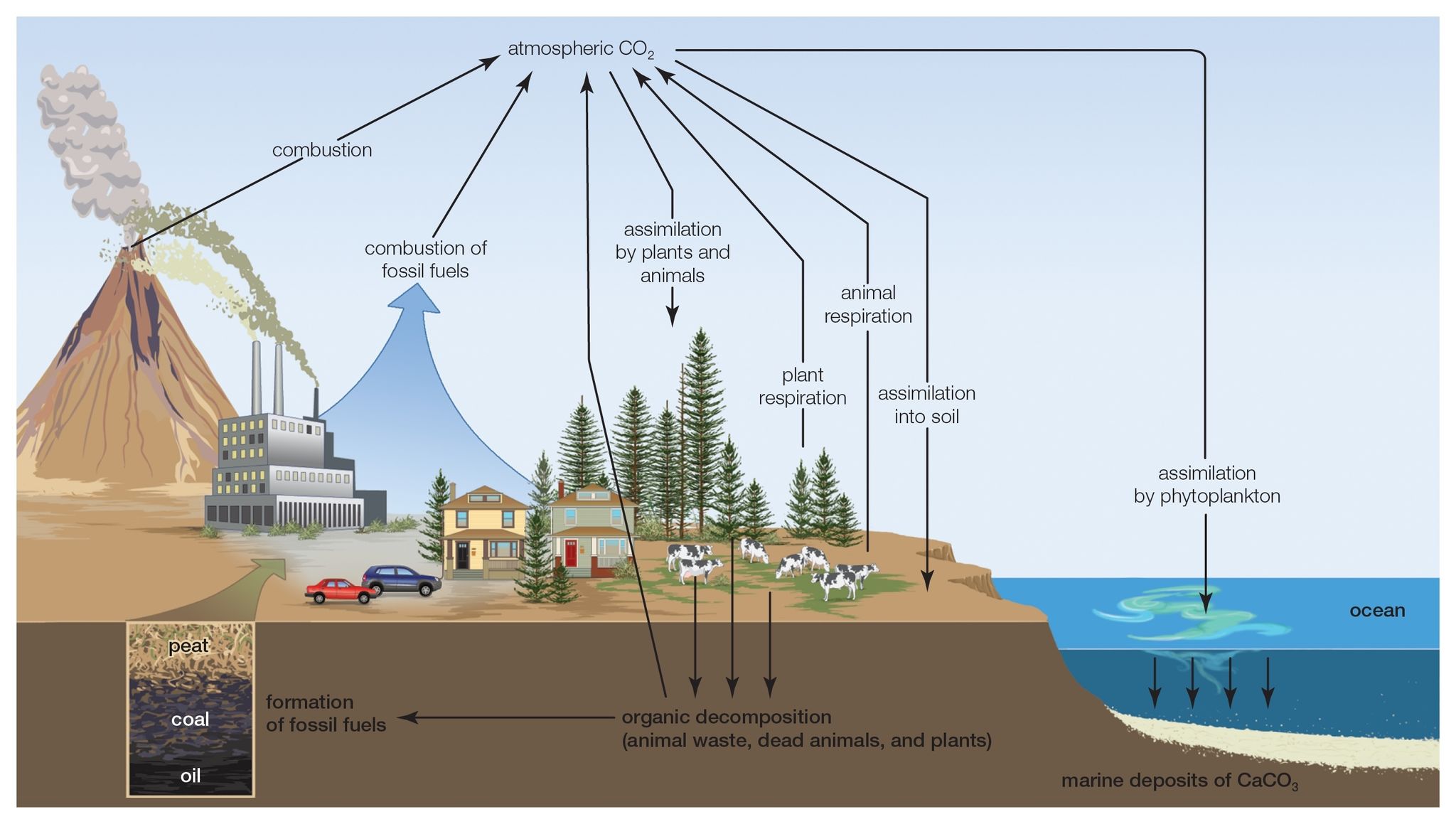
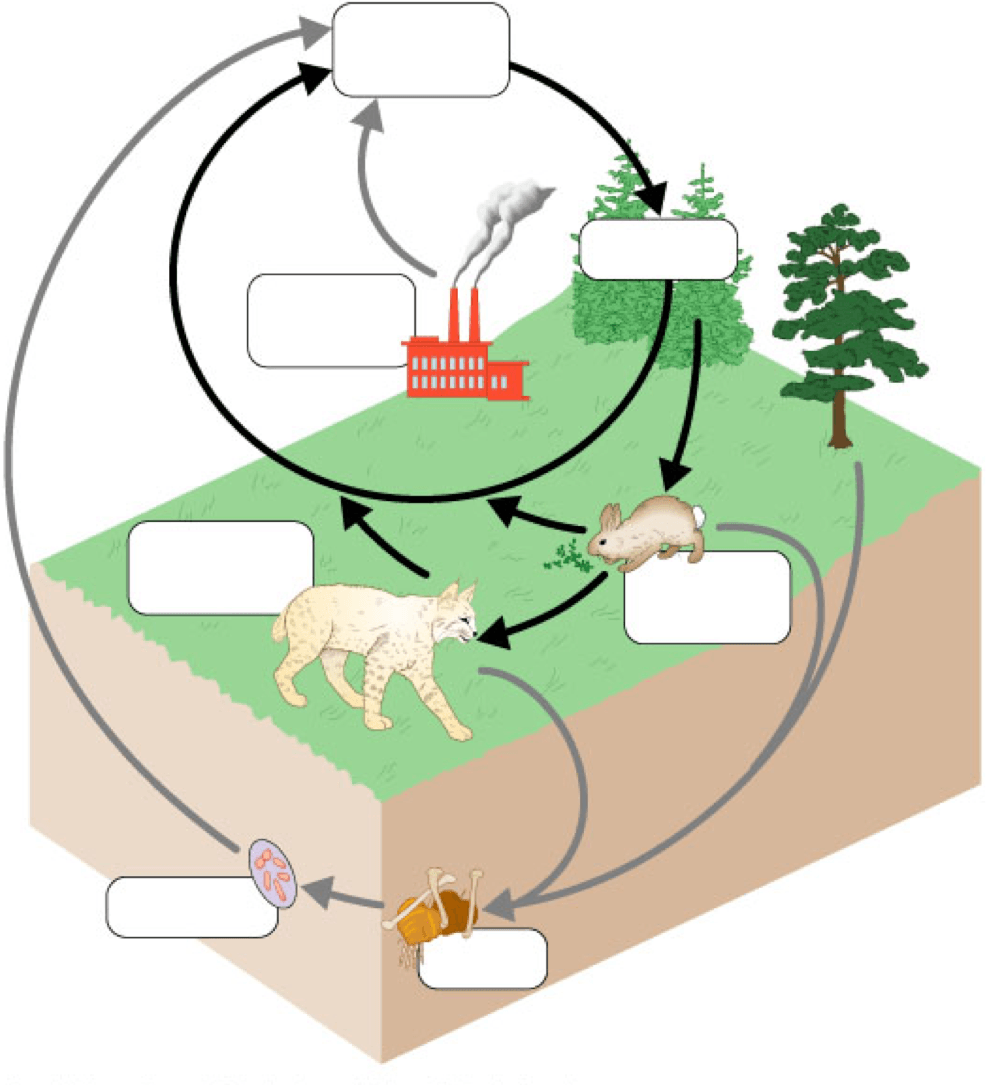

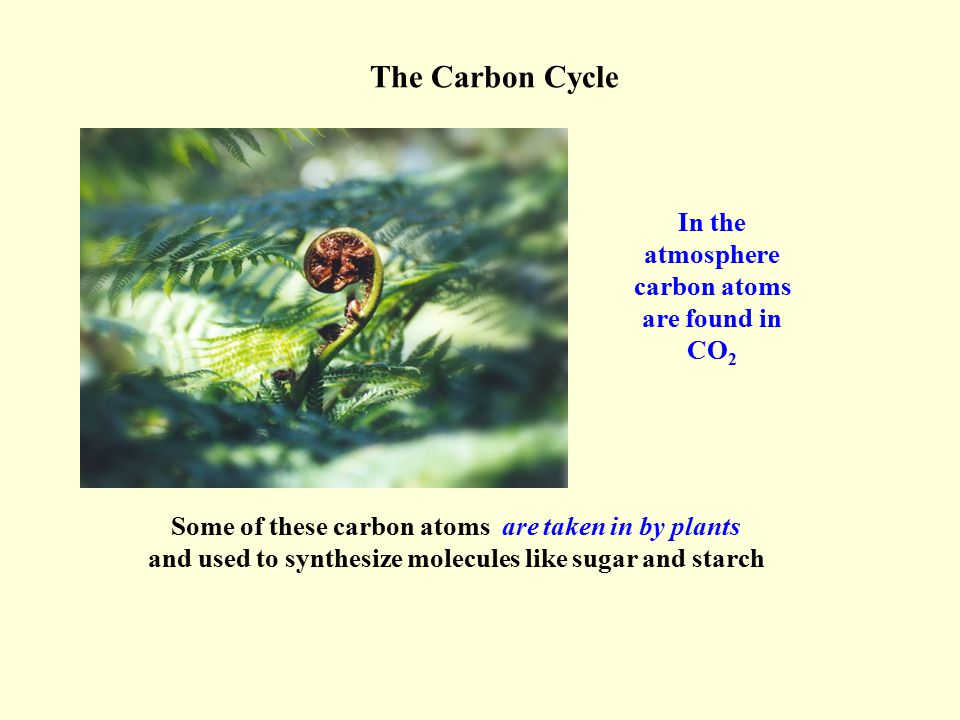
Carbon is used in the process called __________ by plants and algae to make food and the building blocks for growth.
carbon cycle
life
photosynthesis
decomposition


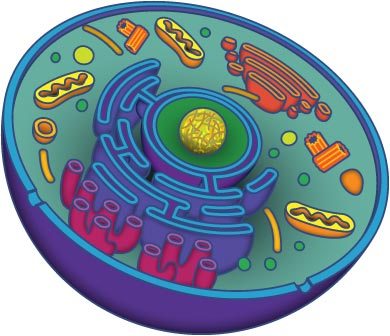
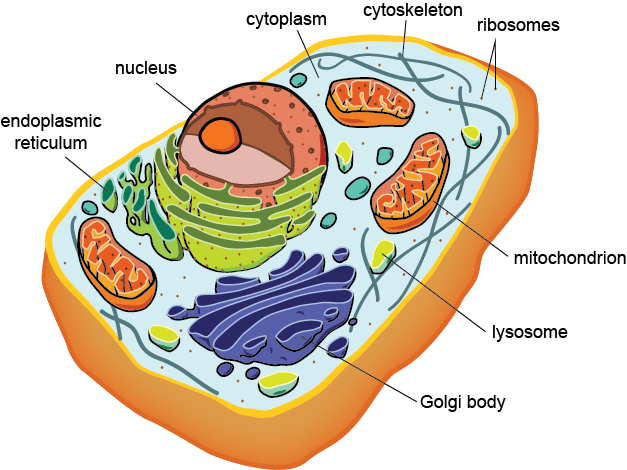


Which do BOTH prokaryotes and eukaryotes contain?
nucleus
mitochondria
ribosomes
cell wall
PROKARYOTIC cells do NOT have
membrane bound organelles
cell membrane
DNA
ribosomes
Which cell type tends to be smaller?
Prokaryote
Eukaryote
there is not a size difference

And this is..........?
prokaryote
eukaryote
Which statement applies to eukaryotic cells but not prokaryotic cells?
utilize mitochondria during energy production
flow of nutrients and wastes occurs across a membrane
contain DNA as genetic material
has no nucleus, but has genetic material

Which of the following lists structures shared by BOTH prokaryotes & eukaryotes?
cell wall, cytoplasm, genetic material, nucleus
cytoplasm, genetic material, cell wall, ribosomes
nucleus, mitochondrion, endoplasmic reticulum, chloroplasts
ribosomes, golgi apparatus, cytoplasm, cell wall

takes over the cell's functions.