Wayground logo

Free Printable Worksheets

Font size

S
M
L
XL
Worksheets

Body system

Total questions: 96

Worksheet time: 1hrs 5mins

Name
Class
Date
1.
Which system enables the body to move, moves food through the digestive system, and keeps the heart beating?
a)
skeletal 
b)
muscular
c)
digestive
d)
nervous
2.
Which system provides shape and support, enables you to move, protects your internal organs, and stores minerals?
a)
skeletal
b)
muscular
c)
digestive
d)
nervous
3.
Which system takes oxygen into the body and eliminates carbon dioxide?
a)
immune
b)
nervous
c)
respiratory
d)
circulatory
4.
Which system takes food into the body, breaks down food, and absorbs the digested materials?
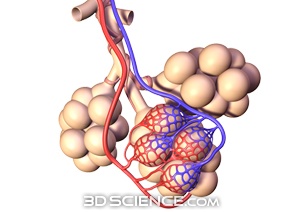
a)
respiratory
b)
circulatory
c)
digestive
d)
excretory
5.
Which system is made of the smooth, skeletal, and cardiac muscles?
a)
skeletal
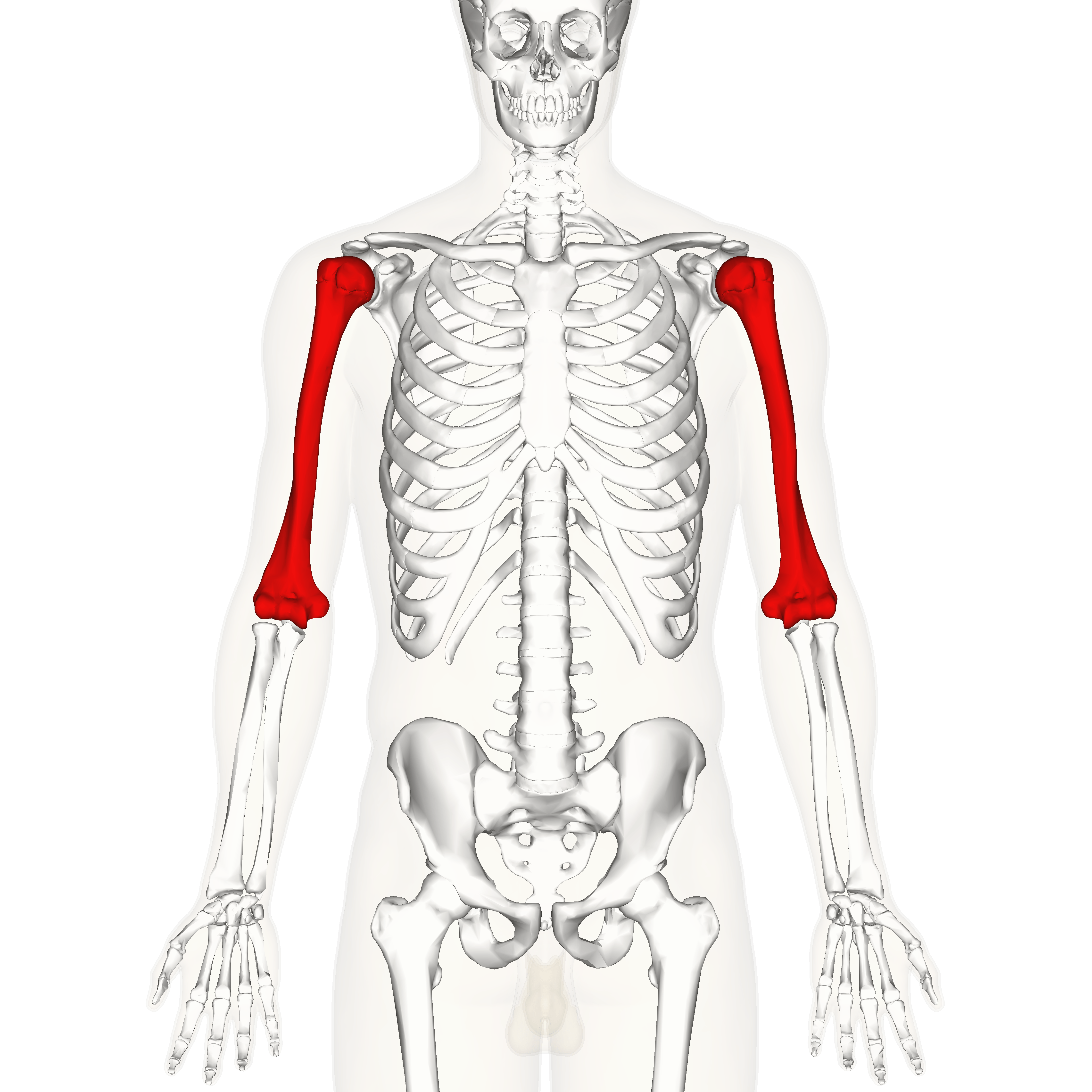
b)
muscular
c)
nervous
d)
excretory
6.
Which system detects information from the environment and directs the way your body responds to this information?
a)
excretory
b)
circulatory
c)
respiratory
d)
nervous
7.
Which system includes bones, cartilage, and ligaments?
a)
nervous
b)
muscular
c)
skeletal
d)
excretory
8.
Which system includes the nose, trachea and the lungs?
a)
respiratory
b)
circulatory
c)
immune
d)
digestive
9.
Which system includes the mouth, esophagus, and the small and large intestines?
a)
nervous
b)
excretory
c)
respiratory
d)
digestive
10.
Which system fights disease?
a)
excretory
b)
nervous
c)
immune
d)
digestive
11.
Which system collects and removes wastes?
a)
Muscular
b)
Circulatory
c)
Digestive
d)
Excretory
12.
Which system carries needed materials to the body cells and carries wastes away from the body cells?
a)
Circulatory
b)
Digestive
c)
Nervous
d)
Excretory
13.
Which system includes the lymph, lymph nodes, white blood cells, T and B cells?
a)
Excretory
b)
Digestive
c)
Immune
d)
Nervous
14.
Which system includes the kidneys, ureters, urinary bladder, urethra, lungs and skin?
a)
digestive
b)
excretory
c)
circulatory
d)
muscular
15.
Which system includes the heart and blood vessels?
a)
respiratory
b)
circulatory
c)
nervous 
d)
skeletal
16.
Which system includes the brain, spinal cord, eyes, ears, and skin?
a)
Muscular
b)
Nervous
c)
Respiratory
d)
Skeletal
17.

Which three body systems allow you to move?

a)

muscular, skeletal, digestive

b)

nervous, respiratory, digestive

c)

nervous, muscular, skeletal

d)

Muscular, skeletal, circulatory

18.
Which two body systems deliver oxygen to your cells and take away carbon dioxide?
a)
respiratory and nervous
b)
circulatory and nervous
c)
circulatory and excretory
d)
Respiratory and circulatory
19.
Which two body systems work together to break down food and get rid of wastes?
a)
digestive and excretory
b)
digestive and circulatory
c)
excretory and respiratory
d)
nervous and digestive
20.
What is the level o organization known as a group of cells that work together?
a)
cells
b)
organ system
c)
organ
d)
tissue
21.
The __________ is the main organ of the nervous system.
a)
heart
b)
lungs
c)
brain
d)
skin
22.
When tissues come together, they form ___________.
a)
cells
b)
atoms
c)
organs
d)
systems
23.
In multicellular organisms, tissues are comprised of _______.
a)
organs
b)
systems
c)
cells
d)
blood
24.
This system protects the body's organs, provides support for the body.
a)
Nervous System
b)
Skeletal System
c)
Respiratory System
25.
Which of the following body systems work together for support, protection, and movement?
a)
respiratory and cardiovascular
b)
skeletal and muscular
c)
skeletal and integumentary
d)
digestive and respiratory
26.
What body system makes your body move? 
a)
Circulatory
b)
Respiratory
c)
Skeletal
d)
Muscular
27.
What body system removes the waste from your body? 
a)
Circulatory
b)
Excretory
c)
Digestive
d)
Respiratory
28.
How many bones make up a human adult?
a)
205
b)
206
c)
207
d)
208
29.
My spinal cord helps _________ travel between my brain and the nerves in my body. 
a)
Memories
b)
Blood
c)
Waste
d)
Messages
30.
My body needs ______ from the air to live. 
a)
Oxygen
b)
Cardon Dioxide
c)
Carbon Monoxide
d)
Hydrogen Peroxide
31.
I breathe out s gas called ___________ that my body does not need. 
a)
Oxygen
b)
Carbon Monoxide
c)
Carbon Dioxide
d)
Hydrogen Peroxide
32.
The main purpose of the _______ system is to ensure the continuation of the species.
a)
respiratory
b)
reproductive
c)
circulatory
d)
endocrine
33.
The main purpose of the ________ system is to produce hormones for the body.
a)
excretory
b)
digestive
c)
reproductive
d)
endocrine
34.
Which system is the heart in?
a)
Circulatory
b)
Digestive
c)
Cardiovascular
35.
Which system are the lungs in?
a)
respiratory
b)
digestive
c)
excretory
36.
What blood vessels take blood away from the heart after oxygen is addels
a)
veins
b)
arteries
c)
capillaries
37.
Where does digestion start?
a)
stomach
b)
mouth
c)
esophagus
38.
Where do two or more bones meet?
a)
tendons
b)
ligaments
c)
joints
39.
What is NOT a component of blood?
a)
platelets
b)
bone marrow
c)
plasma
40.
Which of the following is NOT part of the Central Nervous System?
a)
Brain
b)
Spinal Cord
c)
Eyeballs
41.
The _________ is/are responsible for urine storage.
a)
Bladder
b)
Kidneys
c)
Ureter
d)
Urethra
42.
There are two kidneys, two ureters, one urinary bladder, and one urethra.
a)
True
b)
False
43.
The major organ of the urinary system is the
a)
Gallbladder
b)
Ureter
c)
Kidney
d)
Nephrons
44.
When you breathe, your lungs take in ___ and remove ___. 
a)
air/oxygen
b)
oxygen/carbon dioxide 
c)
carbon dioxide/waste 
d)
waste/air 
45.
What is function of the dome-shaped diaphragm?
a)
This is where gas exchange happens.
b)
Air passes through the diaphragm on the way to the lungs.
c)
It attaches to the lungs to help in breathing.
d)
It is under the lungs and keeps them from falling down to your stomach.
46.
Name the organ label # 6. 
a)
alveoli 
b)
bronchi 
c)
trachea 
d)
lungs 
47.
Name the structure labeled 8 
a)
lungs 
b)
trachea 
c)
diaphragm 
d)
alveoli 
48.
Arteries carry oxygen rich blood away from the heart.
a)
True
b)
False
49.
Veins carry oxygen poor blood back to the heart.
a)
False
b)
True
50.
How many types of blood vessels are in our body?
a)
1
b)
2
c)
3
d)
4
51.
The skin is the major organ in which system?
a)
Integumentary
b)
Muscular
c)
Endocrine
d)
Immune
52.
Gas exchange between the blood and the outside occurs in which system?
a)
Respiratory
b)
Circulatory
c)
Lymphatic
d)
Integumentary
53.
Elimination of waste and regulation of blood chemistry is performed by which system?
a)
Circulatory
b)
Urinary
c)
Digestive
d)
Endocrine
54.
Which system uses hormones to regulate body activities?
a)
Integumentary
b)
Urinary
c)
Endocrine
d)
Immune
55.
Which system maintains posture, produces heat and moves the body?
a)
Skeletal
b)
Nervous
c)
Integumentary
d)
Muscular
56.
One role of the pancreas is to create enzymes to help breakdown food.  This function makes it part of which system?
a)
Endocrine
b)
Digestive
c)
Immune
d)
Urinary
57.
A second function of the pancreas is to make certain hormones, because of this it is also part of what other system?
a)
Endocrine
b)
Digestive
c)
Circulatory
d)
Immune
58.
The humerus is part of this system?
a)
Muscular
b)
Reproductive
c)
Skeletal
d)
Nervous
59.
Which system detects changes in the environment and sends electrical signals in response to these changes?
a)
Nervous
b)
Endocrine
c)
Lymphatic
d)
Reproductive
60.
This system carries oxygen, nutrients and waste around the body.
a)
Lymphatic
b)
Urinary
c)
Respiratory
d)
Circulatory
61.
What is the main function of the respiratory system?
a)
to provide oxygen and remove carbon dioxide from the body
b)
to bring oxygen to the body
c)
to break down food and absorb nutrients
d)
to remove oxygen from the body and deliver carbon dioxide
62.
What function does the heart do?
a)
Protects organs and produces red blood cells.
b)
Generates heat.
c)
Breaks down food into nutrients.
d)
The heart is a pump, which moves the blood. The arteries and veins are the pipes where the blood flows.
63.
What body system consists of the lungs
a)
Respiratory
b)
Circulatory
c)
Muscular
d)
Skeletal
64.
What body system consists of the kidneys?
a)
Circulatory
b)
Excretory
c)
Digestive
d)
Muscular
65.
What body system consists of the heart?
a)
Excretory
b)
Digestive
c)
Circulatory
d)
Respiratory
66.
The food I eat goes down my esophagus to my __________.
a)
Bladder
b)
Kidney
c)
Stomach
d)
Big Toe
67.
My _______ are special organs that filter waste out of my blood. 
a)
Pancrease
b)
Esophogus
c)
Bladder
d)
Kidneys
68.
The main function of the excretory system is....
a)
To filter waste from the blood stream and carry it outside of the body.
b)
To transport nutrients to the body.
c)
To break down nutrients for absorption.
d)
To provide structure and support for the body.
69.
Which system absorbs oxygen and releases carbon dioxide?
a)
respiratory
b)
excretory
c)
endocrine
d)
immune
70.
Which system acts as a barrier from the sun and helps regulate body temperature?
a)
integumentary
b)
muscular
c)
digestive
d)
circulatory
71.
Which system controls voluntary and involuntary movement?
a)
muscular
b)
skeletal
c)
immune
d)
excretory
72.
This system transports oxygen and nutrients around the body.
a)
circulatory
b)
respiratory
c)
skeletal
d)
digestive
73.
This system breaks down food into nutrients that the body can absorb.
a)
digestive
b)
excretory
c)
reproductive
d)
immune
74.
This system fights pathogens (germs) and produces and stores white blood cells.
a)
immune
b)
muscular
c)
endocrine
d)
integumentary
75.
This system supports the body and protects vital organs.
a)
skeletal
b)
muscular
c)
circulatory
d)
nervous
76.
This system sends chemical messagengers (hormones) that regulate growth, development, and metabolism.
a)
endocrine
b)
nervous
c)
immune
d)
skeletal
77.
Which system sends electrical messages that helps control the body's responses to internal and external changes?
a)
nervous
b)
endocrine
c)
reproductive
d)
integumentary
78.
Which of these is the least complex level of organization?
a)
earthworm
b)
digestive system
c)
skin cell
d)
stomach
79.

Function: Controls and regulates cell/body functions

a)

Nervous system

and Nucleus

b)

Endocrine system

and Mitochondria

c)

Circulatory system

and Cell membrane

d)

Excretory system

and Chloroplasts

80.

Function: Stores and removes waste products

a)

Circulatory system

and Mitochondria

b)

Digestive system

and Chloroplasts

c)

Excretory system

and Vacuoles

d)

Endocrine system

and Cytoplasm

81.

Function: Breaks down food/glucose into smaller, useful molecules

a)

Digestive system

and Mitochondria

b)

Nervous system

and Chloroplasts

c)

Endocrine system

and Nucleus

d)

Excretory system

and Vacuoles

82.

Function: Allows nutrients to enter the cytoplasm/bloodstream

a)

Circulatory system

and Cell wall

b)

Skeletal system

and Mitochondria

c)

Integumentary system

and Chloroplasts

d)

Digestive system

and Cell membrane

83.

Function: Allows the transport and delivery of materials throughout the cell/body

a)

Respiratory system

and Nucleus

b)

Circulatory system

and Cytoplasm

c)

Digestive system

and Cell wall

d)

Endocrine system

and Vacuoles

84.

Function: Provides protection as an outer covering

a)

Skeletal system

and Cell membrane

b)

Reproductive system

and Cytoplasm

c)

Integumentary system

and Cell wall

d)

Excretory system

and Mitochondria

85.

Function: Allows gases to go in and out of the cytoplasm/bloodstream

a)

Integumentary system

and Vacuoles

b)

Respiratory system

and Cell membrane

c)

Circulatory system

and Chloroplasts

d)

Nervous system

and Cell wall

86.

Function: Controls cell division/produces offspring

a)

Respiratory system

and Cytoplasm

b)

Endocrine system

and Chloroplast

c)

Endocrine system

and Mitochondria

d)

Reproductive system

and Nucleus

87.

What organ is the nucleus most like?

a)

Brain

b)

Heart

c)

Penis

d)

Testicles

e)

Skin

88.

What organ is most similar to the vacuole in a cell?

a)

Heart

b)

Lungs

c)

Bladder

d)

Brain

89.

Everything is transported across a cells cytoplasm, most similar to what system?

a)

Digestive

b)

Skeletal

c)

Urinary / Excretory

d)

Circulatory / Cardiovascular

90.

What organelle is most similar to the urinary system? aka the excretory system!

a)

Nucleus

b)

Vacuole

c)

Cytoplasm

d)

Cell Membrane

91.

What organ system is most similar to the cell wall?

a)

Circulatory

b)

Urinary

c)

Reproductive

d)

Skeletal

e)

Respiratory

92.

What organelle is most similar to the excretory system because it lets substances enter & exit?

a)

Cell Membrane

b)

Cytoplasm

c)

Chloroplast

d)

Nucleus

93.

What organ system is most like the cell membrane because it is an outer layer of protection?

a)

Integumentary (Skin)

b)

Digestive

c)

Urinary

d)

Nervous

94.

What organelle is most similar to the digestive system because it absorbs nutrients?

a)

Mitochondria

b)

Endoplasmic Reticulum

c)

Golgi Body

d)

Excretory

e)

Nucleus

95.

The nervous system is most like what organelles?

a)

Nucleus, Nucleolues & Nuclear Membrane

b)

Cell Wall, Cell Membrane & Cytoplasm

c)

Cytoplast, Chloroplasm, Dude...

d)

All of these are correct

96.

These 2 levels of organization store water / waste and remove it!

a)

Vacuole, Urinary Bladder

b)

Nucleus, Brain

c)

Mitochondria , Small Intestine

d)

Cell Wall, Skeletal System

e)

Cell Membrane, Integumentary System