wayground logo

Free Printable Worksheets

Font size

S
M
L
XL
Worksheets

Homeostasis Unit Review

Total questions: 152

Worksheet time: 2hrs 57mins

Name
Class
Date
1.

Homeostasis

a)

allows for a wildly fluctuating internal environment

b)

is impossible in vertebrates

c)

is the maintenance of a relatively stable internal environment and often incorporates a form of feedback regulation

2.
What transports substances around the body?
a)
Blood
b)
Sweat
c)
Tears
d)
Urine
3.
Homeostasis is the regulation of the ________________ environment.
a)
Outside
b)
Homeostatic
c)
Internal
d)
External
4.

Homeostasis in the human body is most often maintained by a:

a)

neutral feedback loop

b)

solar feedback loop

c)

positive feedback loop

d)

negative feedback loop

5.
Positive feedback is when the change caused by the stimulus is
a)
decreased
b)
non existant
c)
increased
d)
changes constantly
6.
When you are cold, you shiver and your blood vessels contract, which warms you up. When you are hot, you sweat and your blood vessels expand, which cools you down.  
a)
Positive Feedback Response
b)
Negative Feedback Loop 
7.
When you get cut, your skin cells release hormones that signal platelets to come and stop the bleeding. Platelets then release more hormones that signal even more platelets to help stop bleeding. The hormone signals continue until the cut is closed.
a)
Positive Feedback Response
b)
Negative Feedback Loop 
8.
What is a disease where sufferers cannot control their blood glucose levels?
a)
Diabetes
b)
Influenza
c)
Cholera
d)
Cystic fibrosis
9.
What describes a lack of water in the blood?
a)
Dehydration
b)
Rehydration
c)
Hydration
d)
Concentrated
10.

Diffusion is the movement of a substance

a)

through a lipid bilayer

b)

from an area of low concentration to high concentration

c)

only in liquids

d)

from an area of high concentration to low concentration

11.
What is the system of glands and hormones called?
a)
Endocrine system
b)
Circulatory system
c)
Immune system
d)
Nervous system
12.

What system provides framework, protects organs & produces red blood cells?

a)

Endocrine system

b)

Circulatory system

c)

Muscular system

d)

Skeletal system

13.
What system protects the body from disease?
a)
Endocrine system
b)
Circulatory system
c)
Immune system
d)
Nervous system
14.
What is a chemical messenger in the blood?
a)
Hormone
b)
Enzyme
c)
Neurotransmitter
d)
Antibody
15.
What is the evaporation of a liquid to cool the body?
a)
Shivering
b)
Sweating
c)
Vasodilation
d)
Vasoconstriction
16.
What is it called when a damaged organ is replaced in an operation?
a)
Transplant
b)
Amputation
c)
Appointment
d)
Surgery
17.
All cells come from___________ cells.
a)
pregnant
b)
pre-existing
c)
paternal
d)
pin size
18.
What is the basic structural and functional unit of all living things? 
a)
atom
b)
cell
c)
molecule
d)
human
19.
Which of the following scientists concluded that all animals are made of cells?
a)
Rudolf Virchow
b)
Matthais Schleiden
c)
Robert Hooke
d)
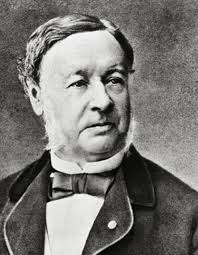
Theodor Schwann
20.
Who looked at cork and named the cell?
a)
Robert Hooke
b)
Van Leeuwenhoek
c)
Robert Brown
d)
Francesco Redi
21.
All plants are made of cells.  This was discovered by....
a)
Matthias Schleiden
b)
Rudolf Virchow
c)
Robert Hooke
d)
Aristotle
22.

Which of the following levels of organization in the body is composed of one or more organs working together?

a)

Organs

b)

Tissues

c)

Organism

d)

Organ System

23.
Name the levels of organization in the human body in order from smallest to largest:
a)
Tissue, organ, organ system
b)
Organ system, tissue, organs, cells
c)
Cells, tissue, organs, organ system
d)
Cells , organs, tissue, organ system
24.
When a threatening situation appears, what is the name of the instinctive mechanism used by animals to protect themselves?
a)
Flight or Run
b)
Hide and Seek
c)
Fight or Flight
d)
Run and Fight
25.
Is light an internal or external stimulus?
a)
Internal
b)
External
26.
What internal stimulus most likely drives a lioness to search for prey?
a)
hunger
b)
thirst
c)
stomachache
d)
headache
27.
The "effect" of a given stimulus is the...
a)
response
b)
stimulus
c)
cause
d)
result
28.
Which organelle belongs in plant cells only?
a)
Cell Membrane
b)
Mitochondrion
c)
Chloroplast
d)
Nucleus
29.
Which organelle belongs in plant cells only?
a)
Cytoplasm
b)
Mitochondrion
c)
Cell Wall
d)
Nucleus
30.
Which organelle belongs in plant cells only?
a)
Cytoplasm
b)
Mitochondrion
c)
Large Central Vacuole
d)
Cell Membrane
31.
Which organelle belongs in both plant and animal cells?
a)
Cytoplasm
b)
Chloroplast
c)
Large Central Vacuole
d)
Cell Wall
32.
Which organelle belongs in both plant and animal cells?
a)
Chloroplast
b)
Mitochondrion
c)
Large Central Vacuole
d)
Cell Wall
33.
Which organelle belongs in both plant and animal cells?
a)
Chloroplast
b)
Cell Wall
c)
Large Central Vacuole
d)
Cell Membrane
34.
Which organelle belongs in both plant and animal cells?
a)
Chloroplast
b)
Cell Wall
c)
Large Central Vacuole
d)

Nucleus

35.

Which organelle belongs in animal cells only?

a)

Chloroplast

b)

Cell Wall

c)

Many Small Vacuole

d)

Nucleus

36.
Which of the following lists these levels in the correct order of organization from the simplest to the most complex?
a)
cells, tissues, organs, organ systems, organisms
b)
organisms, organ systems, organs, tissues, cells
c)
tissues, cells, organs, organisms, organ systems
d)

organs, organ systems, organisms, cells, tissues
37.
Which of the following is the correct term used to describe a group of body parts such as (mouth, esophagus, stomach, small intestines, and large intestines) working together to perform a specific function?
a)
organism
b)
tissue
c)
organ system
d)
organ
38.
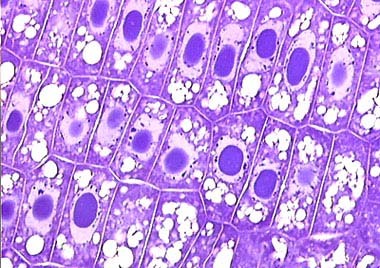
This is a example of ........
a)
cell
b)
tissue
c)
organ 
d)
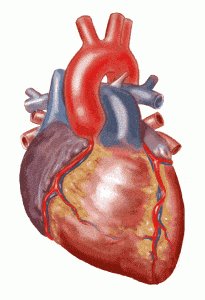
organ system
39.
This is a example of ........
a)
cell
b)
organ system
c)
organ
d)
tissue
40.
The ___________ is the basic unit of life
a)
organ
b)
cell
c)
atom
d)
tissue
41.
A rigid layer that lies outside the cell's  membrane is...
a)
Cytoskeleton
b)
Cilia
c)
Cell Wall
d)
Flagella
42.
What type of cell has a defined nucleus and membrane bound organelles.
a)
Bacteria
b)
Prokaryote
c)
Eukaryote
d)
Archaeabacteria
43.
What type of cell does not have a defined nucleus or membrane bound organelles.
a)

Animal Cell

b)
Prokaryote
c)
Eukaryote
d)

Plant Cell

44.
what organelle controls the cell.
a)
Lysosome
b)
Nucleus
c)
Nucleolus
d)
Chromosomes
45.
what is the job of chloroplasts in the cell
a)
produce protien
b)
catch sunlight and turn it into energy
c)
nothing
d)
clean up
46.
This type of cell needs a cell wall and chloroplasts
a)
Plant cell
b)
Animal Cell
c)
Bacteria
47.
The powerhouse of the cell is the...It converts energy from food into energy the cell can use
a)
Mitochondrion
b)
Golgi body
c)
Nucleus
d)
Ribosomes
48.
This organelle is in both plants and animals. It is a barrier between the cell and the environment.  It controls what goes in and out of a cell.
a)
cell wall
b)
cell membrane
c)
cell organelles
d)
mitochondria
49.
Plants perform photosynthesis through this organelle.  It captures energy from the sun and uses it to produce food for the cell.
a)
Chlorophyll
b)
Chloroplasts
c)
Mitochondria
d)
Golgi Apparatus
50.
This structure controls what can enter and leave a cell.
a)
Nucleus
b)
Cytoplasm
c)
Cell Membrane
d)
Golgi Body
51.
This structure is a storage area for the cell. Plants usually have one large one.
a)
Lysosome
b)
Vacuole
c)
Ribosome
d)
Golgi Body
52.
What shape are most plant cells?
a)
round / irregular
b)
rectangular
53.
What shape are most animal cells?
a)
round / irregular
b)
rectangular
54.
Plants and animal cells both have a nucleus.
a)
True
b)
False
55.
Which of the following statements is not part of the cell theory?
a)
Cells are the basic unit of structure and function in all living things.
b)
All cells are produced from other cells.
c)
Only animal cells are composed of cells.
d)
All living things are composed of cells.
56.
Which statement reflects one of the major components of the cell theory?
a)
All living things are multi-cellular.
b)
Organs are the basic unit of structure and function for all living things.
c)
All cells come from previously existing cells.
d)
Every organism has a reproductive system to ensure survival of the species.
57.
When cells are damaged, new cells are created by cell division. How does the cell theory support this fact?
a)
It states that all cells have a nucleus which divides.
b)
It states that all living things are made up of one or more cells.
c)
It states that cells come from previously existing cells.
d)
 It states that the basic units of structure and function are cells.
58.
The ___ is the basic unit of sturucture and function of organisms
a)
atom
b)
cell
c)
matter
d)
all other answers are correct
59.
Who looked at cork and named the cell?
a)
Robert Hooke
b)
Van Leeuwenhoek
c)
Robert Brown
d)
Francesco Redi
60.
What tool do you use to view the cells?
a)
metric ruler
b)
centrifuge
c)
microscope
d)
telescope
61.
In order to sustain life, all cells must...
a)
digest nutrients and water
b)
excrete waste and fluids
c)
must be able to maintain a homeostasis environment (aka cellular respiration and regulation)
d)
All of the above
62.
The __________ is the main organ of the nervous system.
a)
heart
b)
lungs
c)
brain
d)
skin
63.
The circulatory system uses _________ to deliver oxygen to the rest of the body.
a)
blood cells
b)
lungs and nose
c)
blood vessels
d)
brain and spinal cord
64.
In multicellular organisms, tissues are comprised of _______.
a)
organs
b)
systems
c)
cells
d)
blood
65.
When tissues come together, they form ___________.
a)
cells
b)
atoms
c)
organs
d)
systems
66.
Which of the following body systems work together for support, protection, and movement?
a)
respiratory and cardiovascular
b)
skeletal and muscular
c)
skeletal and integumentary
d)
digestive and respiratory
67.
Which of the following shows the levels of organization of an organism from LEAST to MOST complex.
a)
cells-tissues-systems-organs
b)
organs-cells-systems-tissues
c)
systems-organs-tissues-cells
d)
cells-tissues-organs-systems
68.
Which system enables the body to move, moves food through the digestive system, and keeps the heart beating?
a)
skeletal 
b)
muscular
c)
digestive
d)
nervous
69.
Which system provides shape and support, enables you to move, protects your internal organs, and stores minerals?
a)
skeletal
b)
muscular
c)
digestive
d)
nervous
70.
Which system is made of the smooth, skeletal, and cardiac muscles?
a)
skeletal
b)
muscular
c)
nervous
d)
excretory
71.
Which system detects information from the environment and directs the way your body responds to this information?
a)
excretory
b)
circulatory
c)
respiratory
d)
nervous
72.
Which system fights disease?
a)
excretory
b)
nervous
c)
immune
d)
digestive
73.
Which system collects and removes wastes?
a)
Muscular
b)
Circulatory
c)
Digestive
d)
Excretory
74.
Which system carries needed materials to the body cells and carries wastes away from the body cells?
a)
Circulatory
b)
Digestive
c)
Nervous
d)
Excretory
75.
Which system includes the heart and blood vessels?
a)
respiratory
b)
circulatory
c)
nervous 
d)
skeletal
76.

Which three body systems allow you to move?

a)

muscular, skeletal, digestive

b)

nervous, respiratory, digestive

c)

nervous, muscular, skeletal

d)

Muscular, skeletal, circulatory

77.
Which two body systems deliver oxygen to your cells and take away carbon dioxide?
a)
respiratory and nervous
b)
circulatory and nervous
c)
circulatory and excretory
d)
Respiratory and circulatory
78.
This system includes the spinal cord, brain and nerves
a)
Nervous System
b)
Digestive System
c)
Circulatory System
79.
What body system removes the waste from your body? 
a)
Circulatory
b)
Excretory
c)
Digestive
d)
Respiratory
80.
What is the body system that sends and recieves electrical signals from the brain?
a)
Skeletal System
b)
Nervous System
c)
Muscular System
d)
Digestive System
81.
Smooth and Cardiac muscles are both 
a)
voluntary
b)
involuntary
82.
Where do two or more bones meet?
a)
tendons
b)
ligaments
c)
joints
83.
What is NOT a component of blood?
a)
platelets
b)
bone marrow
c)
plasma
84.
There are two kidneys, two ureters, one urinary bladder, and one urethra.
a)
True
b)
False
85.
The _________ is/are responsible for urine storage.
a)
Bladder
b)
Kidneys
c)
Ureter
d)
Urethra
86.
The major organ of the urinary system is the
a)
Gallbladder
b)
Ureter
c)
Kidney
d)
Nephrons
87.
Carbon dioxide is considered a _________________
a)
food
b)
waste
c)
energy
d)
fun party favor
88.
The skin is the major organ in which system?
a)
Integumentary
b)
Muscular
c)
Endocrine
d)
Immune
89.
Which system uses hormones to regulate body activities?
a)
Integumentary
b)
Urinary
c)
Endocrine
d)
Immune
90.
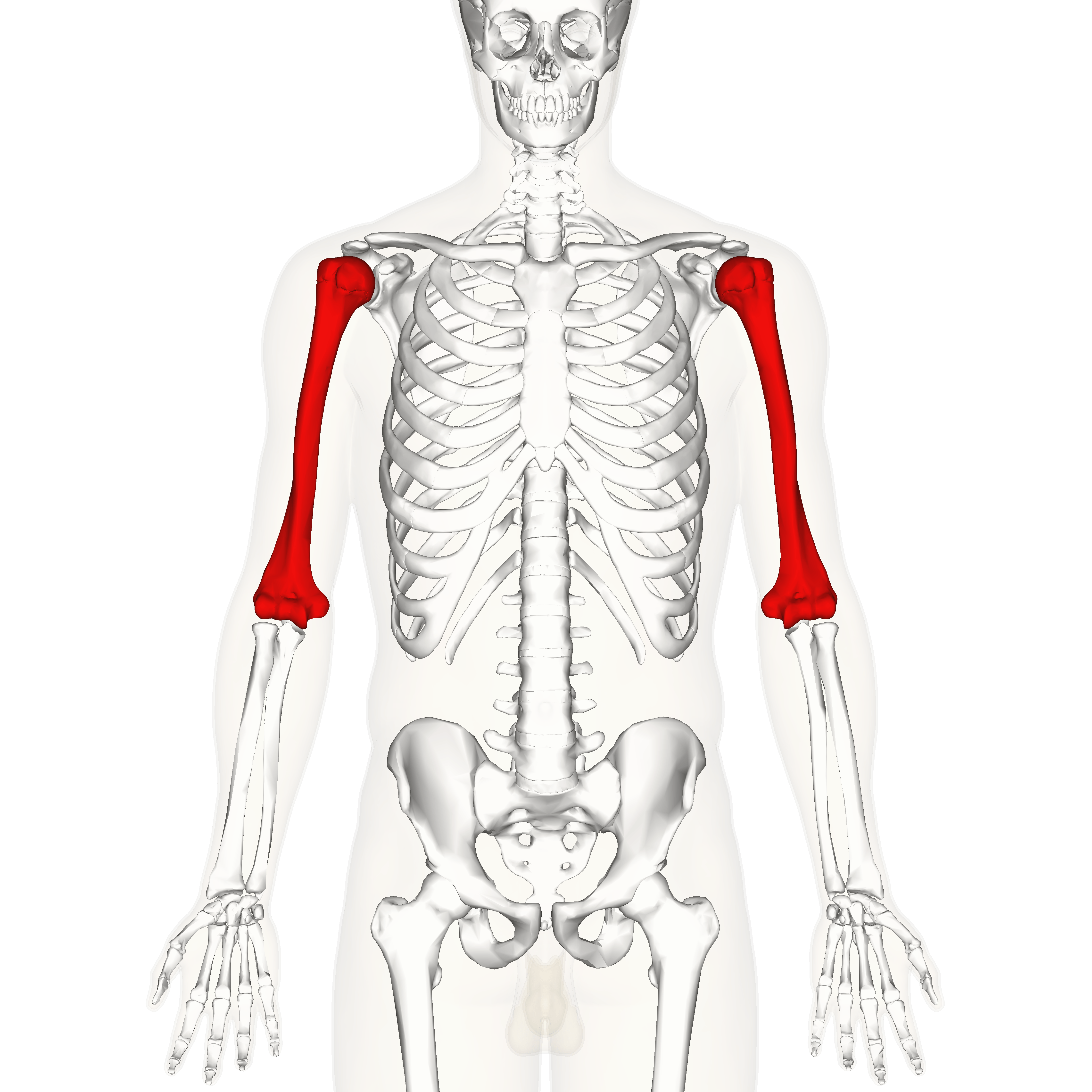
The humerus is part of this system?
a)
Muscular
b)
Reproductive
c)
Skeletal
d)
Nervous
91.
What body system consists of the kidneys?
a)
Circulatory
b)
Excretory
c)
Digestive
d)
Muscular
92.
The main function of the excretory system is....
a)
To filter waste from the blood stream and carry it outside of the body.
b)
To transport nutrients to the body.
c)
To break down nutrients for absorption.
d)
To provide structure and support for the body.
93.
Which system sends electrical messages that helps control the body's responses to internal and external changes?
a)
nervous
b)
endocrine
c)
reproductive
d)
integumentary
94.
Your skin and hair are parts of your ___________
a)
endocrine system
b)
excretory system
c)
lymphatic system
d)
integumentary system
95.
Joints, cartilage, and tendons belong to what system?
a)
Skeletal System 
b)
Muscular System 
c)
Excretory System
d)
Lymphatic System
96.

Adrenal, pituitary, thalamus, thyroid and pancreas belong to which system?

a)

Endocrine System

b)

Excretory System

c)

Reproductive System

d)

Skeletal System

97.
Bob hits a baseball.  What two systems are working together to make this happen?
a)
muscular & excretory
b)
muscular & nervous
c)
muscular & circulatory
d)
digestive & muscular
98.

Which is controlled by conscious thought?

a)

voluntary actions

b)

breathing

c)

heart rate

d)

digestion

99.

Connects the brain to the spinal cord.

a)

cerebrum

b)

cerebellum

c)

brain stem

d)

midbrain

100.

A long bundle of nerves that begins at the brain stem and continues down the center of the back.

a)

axon

b)

nerve fiber

c)

spinal cord

d)

brain stem

101.
A tissue or group of tissues that make and releases hormones. 
a)
Endocrine System
b)
Pancreas
c)
Flight or Fight Response
d)
Glands
102.
regulates blood-sugar levels.
a)
Endocrine System
b)
Pancreas
c)
Flight or Fight Response
d)
Glands
103.
The gland that stimulates body metabolism
a)
Thyroid
b)
testes
c)
ovary
d)
adrenal
104.
The pituitary gland is sometimes referred to as the mastery gland.
a)
True
b)
False
105.
The response to stress is called
a)
Flight or Fussy Response
b)
Fight or Afraid 
c)
Fish or Flee
d)
Fight or Flight Response 
106.
Are chemicals that travel in the blood and cause changes in different parts of the body
a)
Hormones
b)
Glands
c)
Parathyroid 
d)
Adrenal Gland 
107.
The gland that helps the body respond to stress and danger
a)
Hormones
b)
Glands
c)
Parathyroid 
d)
Adrenal Gland 
108.

Where are the Adrenal Glands located?

a)

On the liver

b)

In the brain

c)

On top of both of the kidneys

d)

In the leg

109.

Urine is carried from the kidneys to the bladder by 2 thin tubes called:

a)

Ureters

b)

Urethra

c)

Bladder

d)

Kidney

110.

Urine exits the bladder and the body through a tube called the:

a)

Ureters

b)

Urethra

c)

Bladder

d)

Kidneys

111.

Which organ eliminates water and some chemical wastes in perspiration?

a)

lungs

b)

skin

c)

liver

d)

kidneys

112.
What organ is D pointing to?
a)
Ureters
b)
Bladder
c)
Urethra
d)
Kidney
113.
What organ is C pointing to?
a)
Ureters
b)
Bladder
c)
Kidney
d)
Urethra
114.
Which excretory organ filters the blood to remove excess water, urea, and cell wastes?
a)
Kidney
b)
Bladder
c)
Urethra
d)
Ureters
115.
What organ is B pointing to?
a)
Kidney
b)
Urethra
c)
Ureter
d)
Bladder
116.
What organ is 1 pointing to?
a)
Kidney
b)
Urethra
c)
Bladder
d)
Ureter
117.
What system works with the muscular system to help support our body?
a)
Circulatory system
b)
Skeletal system
c)
Muscular system
d)
Integumentary system
118.
What do the voluntary muscles control in the human body?
a)
Movement of skeletal bones
b)
Movement of internal organs
c)
Movement of the heart
119.
We cannot control involuntary muscles.
a)
True
b)
False
120.
To help you move, skeletal muscle is attached to…
a)
Smooth Muscle
b)
Rough Muscle
c)
Ligaments
d)
Bones
121.
What are the three types of muscles?
a)
Skeletal, muscular, ligament
b)

Cardiac, striations, ligament
c)
Smooth, cardiac, skeletal
122.
How do skeletal muscles work?
a)
One muscle pushes and the other pulls
b)
One muscle contracts while the other relaxes
c)
They produce thermal energy
123.
The integumentary system does not include.. 
a)
Hair 
b)
Skin 
c)
Nails 
d)
Liver
124.
What is the top layer of the skin called?
a)
Dermis
b)
Hypodermis
c)
Epidermis
d)
Subcutaneous
125.
Which is NOT a function of the skin?
a)
Insulation
b)
Movement
c)
Excretion
d)
Vitamin D Production
126.
The most superficial or top layer of skin is living.
a)
True
b)
False
127.
Skin color is due to a pigment called
a)
Keratin
b)
Melanin
c)
Chromatin
d)
Epithelium
128.
A main function of the integumentary system is ____________________.
a)
To protect the body from infection
b)
To receive pressure, pain, heat, and cold stimuli
c)
To maintain an internal body temperature
d)
all of these
129.
The outermost layer of the skin that contains no blood vessels or nerve cells.
a)
epidermis
b)
dermis
c)
subcutaneous tissue or hypodermis
130.

the muscles that make up the heart

a)

cardiac

b)

skeletal

c)

smooth

131.

Muscles that attach to bone

a)

cardiac

b)

skeletal

c)

smooth

132.

Muscles that make up the mouth stomach and lungs

a)

cardiac

b)

skeletal

c)

smooth

133.

skeletal muscles are

a)

voluntary

b)

involuntary

134.

smooth muscles are

a)

voluntary

b)

involuntary

135.

cardiac muscles are

a)

voluntary

b)

involuntary

136.
What is the internal state of balance called?
a)
Stimulus
b)
Response
c)
Homeostasis
d)
Homozygous
137.
When on a beach vacation, Consuela relaxed and laid out in the sun for hours.  As a result, she received a sunburn that covered most of her skin. Would this response come from an internal or external stimulus?
a)
   Internal- her skin was burned at a cellular level
b)
Internal- her skin is a part of her body
c)
   External- the stimulus was caused by the beach which is outside
d)
External- the stimulus was caused by the sun which is outside
138.

Identify the stimulus....."Birds flock to shelter when it starts to hail outside

a)

Birds flock to shelter

b)

It starts to hail outside

139.

Identify the stimulus..."A loud noise causes you to cover your ears"

a)

A loud noise

b)

You cover your ears

140.

Identify the stimulus..."A person shivers because it is cold outside"

a)

Cold temperature

b)

A person shivers

141.

Identify the response..."A squirrel scratches at a flea bite"

a)

A flea bite

b)

A squirrel scratches

142.

Identify the response..."An organism is hungry so it eats some food"

a)

Feeling hungry

b)

Eating food

143.

Identify the stimulus..."Roots growing down towards gravity"

a)

Roots growing down

b)

The force of gravity

144.

Is the stimulus external or internal....A loud noise?

a)

Internal

b)

External

145.

Is the stimulus internal or external? Feeling hungry

a)

Internal

b)

External

146.

What is permeability?

a)

The amount of space between particles

b)

The ability to hold water

c)

The number of openings in your face

d)

The ability to allow water to flow through

147.

What system produces chemicals that aid in bone growth & regulates mood?

a)

Endocrine system

b)

Circulatory system

c)

Immune system

d)

Nervous system

148.

What are the hormones that are produced by the male and female & what system produces them?

a)

estrogen & minerals; reproductive

b)

testosterone & blood; endocrine

c)

testosterone & estrogen; endocrine

d)

estrogen & blood; endocrine

149.

Does a color other than pale yellow urine always indicate that there is an abnormal condition?

a)

yes

b)

no

150.

Who created an accurate model of DNA?

a)

Jones, Smith, and Watson

b)

Franklin, Watson and Crick

c)

Crick and Watson

d)

None of the these

151.

Some things can pass through and others cannot, what is this describing?

a)

permeable

b)

impermeable

c)

semi-permeable

152.

What scientific process caused the cytoplasm to shrink in a cell?

a)

chemosynthesis

b)

photosynthesis

c)

homeostasis

d)

plasmolysis