Wayground logo

Free Printable Worksheets

Font size

S
M
L
XL
Worksheets

TN Ready Review 7th Grade Science (Part 1)

Total questions: 61

Worksheet time: 43mins

Name
Class
Date
1.

The ability to rust is a

a)

Physical property

b)

Chemical property

2.

The element sulfur smells like rotten eggs. This is an example of a

a)

Physical property

b)

Chemical property

3.

The element iron is very magnetic. This is an example of a

a)

Physical property

b)

chemical property

4.

A property of matter that can be measured or observed without changing the substance of which it is made, is an example of a

a)

Physical property

b)

Chemical property

5.

The ability of Kool Aid to dissolve in water is an example of a

a)

Physical property

b)

Chemical property

6.
What is a coefficient?
a)
The small number on the right of the chemical symbol.
b)
The large number in front of a chemical formula.
c)
The number in between the chemical symbols.
d)
The number behind a chemical formula.
7.
What is the part of the chemical equation in green called? 
Fe + S --> FeS
a)
products
b)
reactants
c)
yield
d)
chemical formula
8.
What is the little number after an element in a chemical equation called.
Example: H2
a)
Coefficient 
b)
Subscript
c)
Atom
d)
Equation
9.
What coefficient should be used to make the following equation balanced?
N2+O2--> _NO 
a)
1
b)
2
c)
3
d)
4
10.
Element or compound?
H2O
a)
element
b)
compound
11.

Occurs when breeders produce a new breed of animal over a period of time by selecting animals that have certain desired traits and breeding them.

a)

Natural Selection

b)

Artificial Selection

c)

Adaptation

d)

Hibernation

12.

Organisms better suited to their environment survive easier and longer than those who aren't

a)

Natural Selection

b)

Adaption

c)

Artificial Selection

d)

Speciation

13.

The way a physiological system maintains internal stability regardless of external circumstances

a)

Dormancy

b)

Hibernation

c)

Seed Dispersal

d)

Homeostasis

14.

Scientist who proposed the theory of natural selection

a)

Robert Hooke

b)

Charles Darwin

c)

Alfred Wegener

d)

Albert Einstein

15.

Species movement from one location to another due to climate or a food source.

a)

Hibernation

b)

Migration

c)

Dormancy

d)

Pollination

16.

The action of an organism changing to better suit its new or old environment.

a)

Natural Selection

b)

Physical Trait

c)

Camouflage

d)

Adaptation

17.

What adaptation is represented by the image?

a)

Dormancy

b)

Camouflage

c)

Hibernation

d)

Seed Dispersal

18.
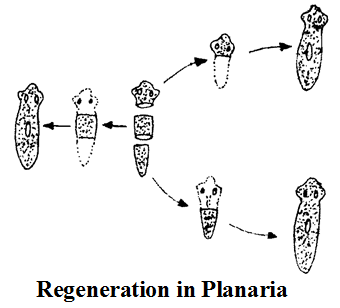
Is planaria regeneration  sexual or asexual?
a)
sexual
b)
asexual
19.
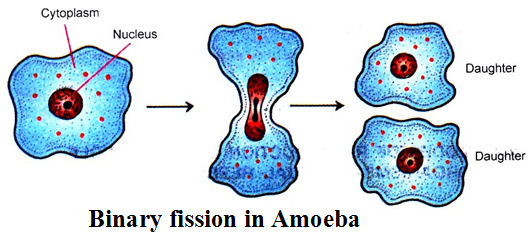
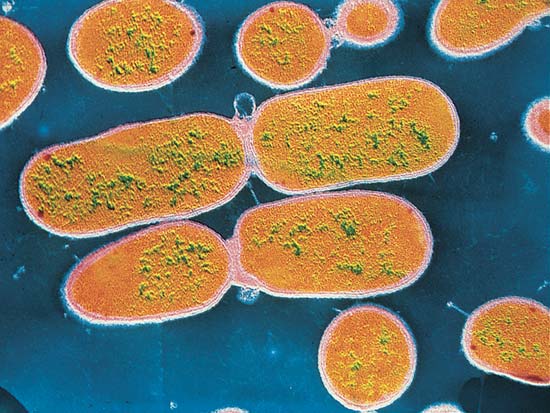
Is binary fission sexual or asexual?
a)
sexual
b)
asexual
20.
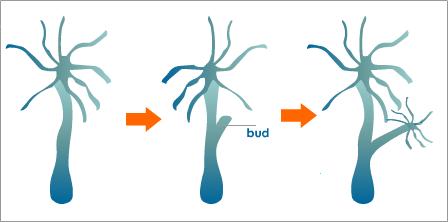
Is budding sexual or asexual?
a)
sexual
b)
asexual
21.
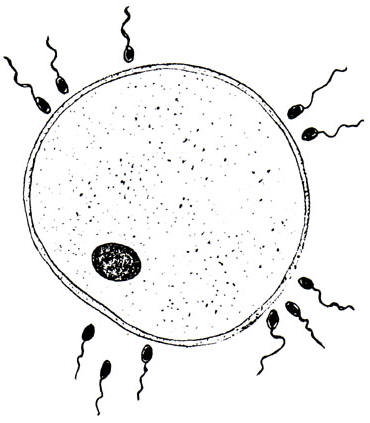
Is fertilization sexual or asexual?
a)
sexual
b)
asexual
22.
The New Mexico whiptail lizard can reproduce both sexually and asexually. The most reliable way to determine that a group of offspring of New Mexico whiptail lizards was produced through asexual reproduction would be to look at which of the following characteristics?
a)
Physical appearance
b)
Habitat location
c)
Behavior patterns
d)
Genetic variation
23.
Salmonella is a bacterium that causes food poisoning. In the small intestine, a single Salmonella cell divides in two, rapidly producing many copies of itself. The microscopic bacteria invade our cells, and our immune system responds. We experience fever, nausea, and diarrhea  What type of reproduction is this?
a)
Asexual
b)
Sexual
24.
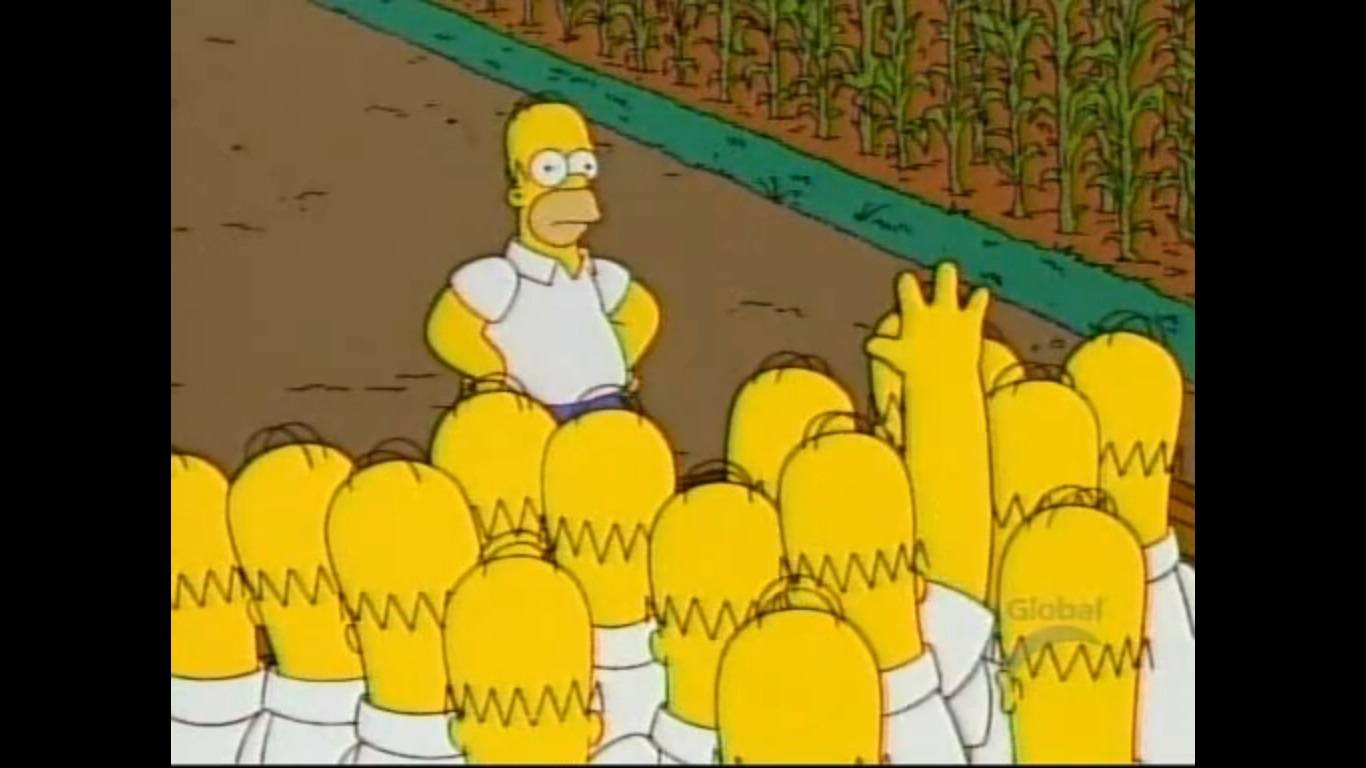
 If Homer Simpson cloned himself and all of his clones had his exact same DNA, we could conclude that he:
a)
reproduced sexually
b)
is unicellular
c)
is brilliant
d)
reproduced asexually
25.
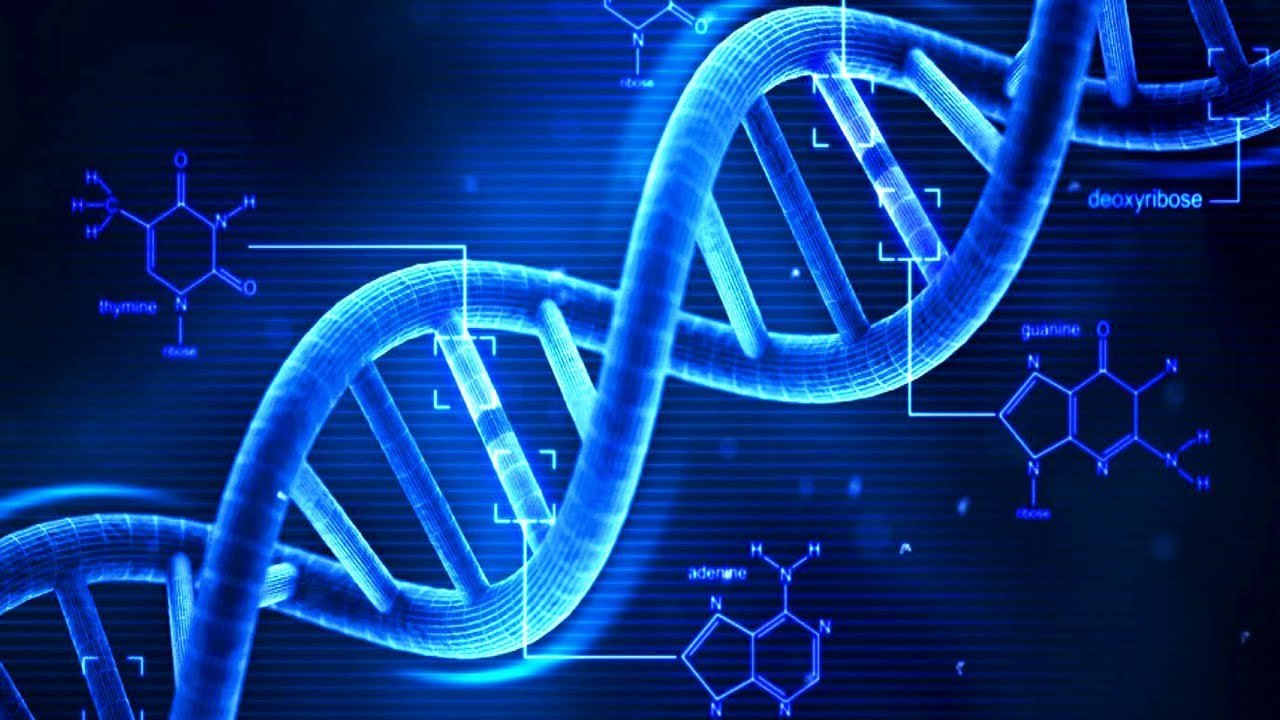
When comparing the offspring of sexually and asexually reproducing organisms, we would expect the genetic material (DNA) of the sexually reproducing organism to -
a)
contain fewer mutations
b)
be lesser in quantity
c)
be simpler overall
d)
show more genetic variation
26.
The offspring of asexually reproduced organisms are?
a)
Different than their parents
b)
Identical to parents
c)
Like a combination of both parents
d)
A different species
27.
If two organisms reproduce sexually, then their offspring will exhibit a genetic makeup that is -
a)
identical to only one parent
b)
identical to all of its siblings
c)
a unique combination of traits
d)
the recessive traits of each parent
28.

Genes are short segments of DNA and are located in the ________ of a cell.

a)

mitochondria

b)

chromosomes

c)

genes

d)

cells

29.
What is the process by which the number of chromosomes is reduced by half to form sex cells.
a)
fertilization
b)
meiosis
c)
mitosis
d)
budding
30.
Fertilization is an important step in animal reproduction. What happens during fertilization?
a)
Chromosomes separate into single strands.
b)
An egg cell joins with a sperm cell.
c)
An organism divides itself into 2 parts.
d)
A cell goes through a series of divisions.
31.

The process by which a cell creates an exact copy of itself, allowing an organism to grow is know as:

a)

fertilization

b)

meiosis

c)

mitosis

d)

budding

32.
What are genes?
a)
Segments of DNA that code for physical characteristics.
b)
The organelle that directs all of the cell's activities.
c)
Characteristics that parents teach their offspring.
d)
Sex cells: sperm and egg.
33.
How does your body grow as you get older?
a)
Your cells fill with water and get bigger.
b)
You cells divide, producing new cells.
c)
Your cells stretch and get longer.
d)
Your cells combine with one another.
34.
When sex cells combine to produce offspring, each sex cell will contribute
a)
1/4 the number of chromosomes in body cells
b)
1/2 the number of chromosomes in body cells.
c)
the normal number of chromosomes in body cells.
d)
twice the number of chromosomes in body cells.
35.
In mitosis, how does the number of chromosomes in a daughter cell compare to the number of chromosomes in a parent cell?
a)
The daughter cell has 1/2 the number of chromosomes.
b)
The daughter cell has twice with number of chromosomes.
c)
The daughter cell has the exact same number of chromosomes.
d)
The daughter cell has 1/4 the number of chromosomes.
36.
How does a sperm or egg cell differ from all other cells in your body?
a)
Sperm and egg cells contain only 1/2 the number of chromosomes as the other cells.
b)
Sperm and egg cells contain twice the number of chromosomes as the other cells.
c)
Sperm and egg cells reproduce through mitosis; the other cell's don't.
d)
Sperm and egg cells contain no chromosomes.
37.

In frogs there are 26 chromosomes in a fertilized egg. Which best describes how many chromosomes are in the egg and sperm cells before fertilization?

a)

26 chromosomes in the egg cell and 26 chromosomes in the sperm cell

b)

13 chromosomes in the egg cell and 13 chromosomes in the sperm cell

c)

52 chromosomes in the egg cell and 52 chromosomes in the sperm cell

d)

26 chromosomes in the egg cell and 0 chromosomes in the sperm cell

38.

What type of reproduction results in offspring that are genetically identical?

a)

sexual reproduction

b)

genetic engineering

c)

meiosis

d)

asexual reproduction

39.

Most cells in the body of a fruit fly contain 8 chromosomes. In some cell, only 4 chromosomes are present. The cells with only 4 chromosomes were formed by which process?

a)

mitosis

b)

meiosis

c)

fertilization

d)

synthesis

40.
Genotype refers to the ...
a)
physical expression of the genes
b)
the possible combination of alleles in a gene
c)
whether an allele is dominant or recessive
d)
how an organism will appear
41.
An offspring will receive how many alleles from each parent to determine a specific trait?
a)
one
b)
two
c)
three
d)
five
42.
Which of the following is a phenotype?
a)
BB
b)
Bb
c)
bb
d)
Blue eyes
43.
What is a phenotype
a)
The genetic make up (code)
b)
The physical trait
44.
the passing of genetic traits from parent to offspring.
a)
heredity
b)
trait
c)
gene
d)
allele
45.
having two different genes for a trait (sometimes called hybrid).
a)
protein
b)
homozygous
c)
heterozygous
d)
genotype
46.
Two brown eyed parents (Bb) have a baby. What is the chance the baby is blue eyed?
a)
0 %
b)
25%
c)
50%
d)
75%
47.
An allele whose trait only shows up when no dominant allele is present.
a)
hidden allele
b)
dominant allele
c)
recessive allele
d)
present allele
48.
One form of a gene is called_______________
a)
a DNA
b)
a Phenotype
c)
a trait
d)
an allele
49.
If green is dominant over purple, then what is the genotype for this individual?
a)
Purple
b)
Green
c)
GG
d)
gg
50.
Tt is-
a)
homozygous dominant
b)
homozygous recessive
c)
heterozygous
d)
none of these
51.

The smallest unit of life that is able to carry out all the functions of living things...

a)

subatomic particle

b)

organelle

c)

atom

d)

cell

52.

Consist of similar cells that work together...

a)

organ

b)

organelle

c)

tissue

d)

atom

53.

Consists of different tissues that function together to do a certain job...

a)

organelle

b)

organ

c)

cell

d)

organ system

54.

Brain, heart, kidneys, lungs, etc...

a)

circulatory system

b)

organelles

c)

organ systems

d)

organs

55.
1. Which system are the lungs in?
a)
respiratory
b)
digestive
c)
excretory
d)
muscular
56.
 Which system is the esophagus in?
a)
digestive
b)
urinary
c)
integumentary
d)
skeletal
57.
Which organ is part of the respiratory system?
a)
tongue
b)
stomach
c)
esophagus
d)
lungs
58.
 What is the main function of the respiratory system?
a)
take in oxygen and exhale waste like carbon dioxide
b)
move nutrients throughout the body
c)
take in carbon dioxide and exhale oxygen
59.
 What is the main job of the digestive system? 
a)
break down foods into nutrients that can be used by the body
b)
take in oxygen and exhale waste like carbon dioxide
c)
pump blood throughout the body
d)
makes the body hungry
60.
Which system enables the body to move, moves food through the digestive system, and keeps the heart beating?
a)
skeletal
b)
muscular
c)
digestive
d)
nervous
61.
Which system provides shape and support, enables you to move, protects your internal organs, and stores minerals?
a)
skeletal
b)
muscular
c)
digestive
d)
nervous