
 Worksheets
BMS291 revision
Total questions: 113
Worksheet time: 1hrs 24mins
Which term describes any chemical agent that has a specific effect on the body?
antihistamine
drug
antibiotic
metabolism
____________________ are medicines that reduce or kill harmful bacteria.
antibiotics
depressants
hallucinogens
inhalants
narcotics
The term that refers to the effect a drug has on the body is:
Pharmacodynamics
Pharmacokinetic
Pharmacocites
Pharmacyclics
What are the four types of drug movement with the body?
Absorption, Distribution, Metabolization, Excretion
Absorption, Diffusion, Metabolization, Excretion
Concentration, Metabolization, Excretion, Distribution
Absorption, Diffusion, Metabolization, Elimination
reduce bronchospasm
antibiotics
anticholinergics
anticonvulsants
antiemetics
The primary organ for drug metabolism is which of the following?
Kidneys
Stomach
Small intestine
Liver
Where are most oral medications absorbed?
Small intestine
Liver
Directly into the bloodstream
None of the above
Which statement places the four processes of pharmacokinetics in the correct sequence?
Absorption, metabolism, distribution, excretion
Distribution, absorption, metabolism, excretion
Distribution, metabolism, absorption, excretion
Absorption, distribution, metabolism, excretion
Asepsis is the absence of disease-producing micro organisms without infection
True
False
The therapeutic response of a drug is its:
desired effect
side effect
adverse effect
toxic effect
A decrease response to an increase in dosage is:
tolerance
cumulative effect
dependence
idiosyncracy
What is the measure of the relative safety of a drug?
potency
therapeutic index
efficacy
peak serum concentration
What type of medication is give to break up newly formed blood clots?
analgesics
thrombolytic
antihypertensive
diuretics
Which of these is not a symptom of asthma?
Shortness of Breath
Sneezing
Chest tightness
Wheezing
The life of a drug, which includes absorption, metabolism, distribution, and excretion, is known as:
bioavailability
pharmacodynamics
pharmacokinetics
absorption

First step of fracture healing is the formation of ___________.
Hematoma
Fibrocartilage callus
Epiphyseal line
Bony callus
What is the role of phagocytes?
To create bone forming cells
To breakdown bone cells
To "clean up" bacteria and other small particles
It creates bone marrow
Which is bone forming cells?
Osteoporosis
Osteoblasts
Osteoclasts
Osteomatrix
Which is bone destroying cells?
Osteoporosis
Osteoclasts
Osteoblasts
Osteocartilaginous
These two things happen in the second step of fracture healing
Site becomes painful and swollen
Granulation tissue is formed and phagocytes begin "cleaning"
Fibrocartilaginous converts to bony callus
Bone remodeling
What occurs in the third step of fracture healing?
Fibrocartilaginous converts to bony callus
Bone remodeling
Torn blood vessels hemorrhage
Compact bone is laid down
In the fourth step of fracture healing this will occur
Fibrocartilaginous converts to bony callus
Bony callus formation
Bone remodeling
Mass or clot is forming
A female patient is brought to the emergency room with an injury to her lower leg from an ATV accident. You notice a white tip of a bone protruding through the skin as you cut her pant leg off. Her injury is described as what kind of fracture.
Comminuted
Pathologic
Compound
Stress

Angiogenesis is:
Migration of new cells over the wound
The matrix formed by fibroblasts
The formation of new blood vessels

When cancer spreads across the body
metastasis
histamines
angina pectoris
arrythmias

Cancer causing substance
carcinogen
histamines
malignant
arrythmias

Hardened arteries with reduced elasticity
atherosclerosis
osteoarthritis
angina pectoris
arteriosclerosis

High blood pressure
arrythmias
hypertension
carcinogen
metastasis

A disease characterized by the accumulation of plaque on artery walls
arteriosclerosis
atherosclerosis
cardiovascular disease
arthritis
Noncancerous tumor
carcinogen
benign
malignant
hypertension

Inflammatory condition in which the small airways in the lungs become narrowed, causing difficulty to breather
arthritis
stroke
asthma
allergy

What is the direct cause of asthma attacks?
Blood clots in the trachea
Swelling and excess mucous in the airways
Excess fluid in the air sacs
Infection of the lungs
Why does asthma cause long-term damage?
Death
Chronic inflammation
Constant attacks
Increased sensitivity to triggers
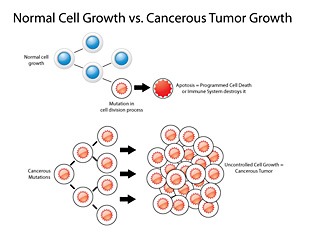

What is a mutation?
A mistake in DNA which can lead to cancer
A complete copy of DNA
A change in DNA which doesn't cause an issue
A mistake in your body that is caught and removed
These are examples of:
- chemicals in cigarette smoke
- radiation
- nitrates in processed foods
- artificial sweeter
- Heavy metals such as mercury and lead
Carcinogens
Predispositions
Mutations
Tumors
These are examples of:
- Surgery
- Chemotherapy
- Radiation
Treatments for Cancer
Mutations
Examples of Asexual Reproduction
Types of Tumors


The most important risk factor for COPD is ________.
Alpha1- antitrypsin deficiency
Environmental pollution
Cigarette smoking
Passive smoking
_________ is defined as chronic productive cough for three months in each of two successive years in a patient in whom other causes of chronic cough been excluded.
Emphysema
Asthma
Chronic bronchitis
Bronchiectasia

Hyponatremia (low salt in the blood) can cause
headaches, nausea and vomiting
stomach cramps, muscle spasms and weakness
confusion and irritability
all of the above
Anatomy is the study of ________, while physiology is the study of _________.
structure, function
function, structure
The tendency of the body to maintain a stable, balanced internal environment is called:
assimilation
responsiveness
feedback
homeostasis
Which best describes negative feedback?
enhances change
opposes change
results in no change
Which statement best describes the effector in a negative feedback loop?
detects environmental changes
the normal range or accepted value
muscles or glands that respond to changes
What is hyponatremia?
low water
high water
low sodium
high sodium
A condition in which the pressure of the blood on the walls of the blood vessels stays at a level higher than normal.
heart attack
hypertension
stroke
angioplasty
As your heart pushes blood through your body's vessels, blood pushes against the walls of the vessels creating ___.
arteries
arteriosclerosis
symptoms
blood pressure
A fatty substance that can coat the inside walls of arteries is ________________.
choral
cholera
chloesterol

