wayground logo

Free Printable Worksheets

Font size

S
M
L
XL
Worksheets

Spring 2023 Final Exam/STAAR Review

Total questions: 100

Worksheet time: 2hrs 54mins

Name
Class
Date
1.

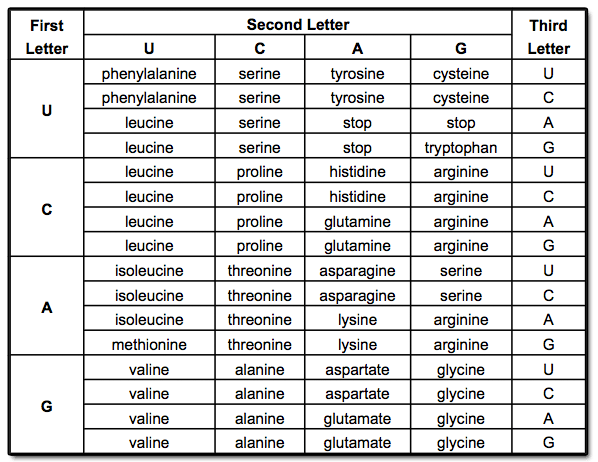
When using your codon chart, what sequence can you use to find the correct amino acid?

a)

DNA

b)

mRNA

c)

tRNA

d)

Any of these will do

2.

What organelle reads the mRNA and finds the correct amino acid?

a)

DNA

b)

Nucleus

c)

Ribosome

d)

Chloroplast

3.
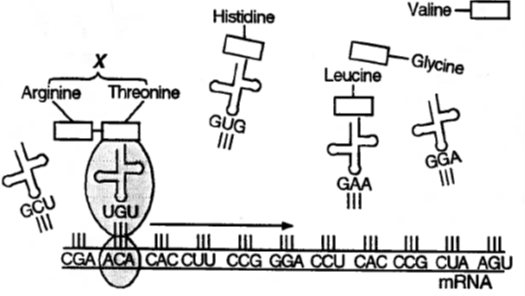
What process is going on in this photo? 
a)
Transcription 
b)
Translation 
c)
Replication 
d)
All the above 
4.
Amino acids are joined together in order to form
a)
DNA
b)
ribosomes
c)
proteins 
d)
RNA
5.
Which sequence of complementary DNA bases would pair with this partial strand
ATG TGA CAG?
a)
ATG TGA CAG
b)
TAC ACT GTC
c)
GTA AGT GAC
d)
CAT TCA CTG
6.
In a molecule of double-stranded DNA, the amount of adenine present is always equal to the amount of _________.
a)
cytosine
b)
guanine
c)
thymine
d)
uracil
7.
What determines the code, or information, of a DNA molecule?
a)
the shape (structure) of the nitrogen bases
b)
the order (sequence) of the nitrogen bases
c)
the color of the nitrogen bases
d)
the frequency (number) of nitrogen bases
8.
How many daughter cells does Meiosis create?
a)
2
b)
4
c)
8
d)
1
9.
In watermelons, green rinds (G) are dominant to striped rinds (g).  What is the genotype of a heterozygous green watermelon?
a)
GG
b)
Gg
c)
gg
d)
green
10.
In cacti, long arms (A) are dominant to short arms (a).  Suppose 2 heterozygous cacti are crossed.  What percentage of their offspring are expected to have short arms?
a)
0%
b)
25%
c)
75%
d)
100%
11.
What is the main purpose of the immune system?
a)
support the body through bones and muscles
b)
get rid of waste from the body
c)
protect the body from pathogens
d)
move blood through the body
12.
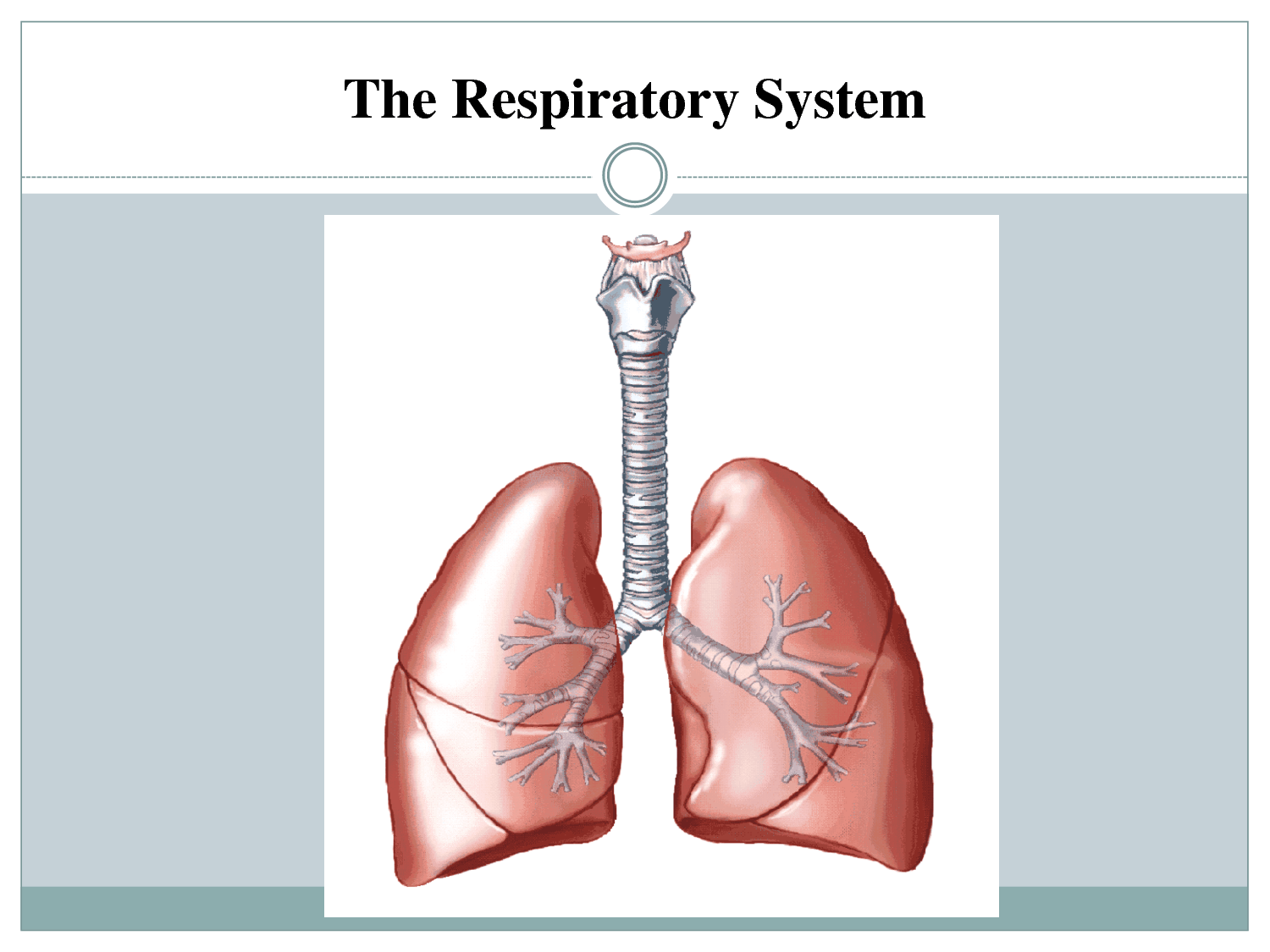
What is the main function of the respiratory system?
a)
to provide oxygen and remove carbon dioxide from the body
b)
to bring oxygen to the body
c)
to break down food and absorb nutrients
d)
to remove oxygen from the body and deliver carbon dioxide
13.
What is the function of the nervous system.
a)
provide nutrients for the body.
b)
send and recieve messages
c)
circulate oxygen to sells
d)
remove carbon dioxide from blood
14.
What is one function of the integumentary system?
a)
It absorbs vitamin C so that the skin will not be subject to diseases.
b)
The cells of the epidermis store glucose for energy.
c)
It aids in desiccation.
d)
It converts cholesterol to vitamin D.
15.

What is the primary cause of genetic variation during meiosis?

a)

chromosomes lining up

b)

"crossing over" of chromosomes

c)

separation of chromosomes

d)

chromosomes pulling apart

16.

The process of "crossing over" occurs in what phase of meiosis?

a)

anaphase 1

b)

prophase 1

c)

prophase 2

d)

telophase 2

17.

The failure of one or more pairs of homologous chromosomes or sister chromatids to separate "normally" during meiosis is called _____________________.

a)

nondisjunction

b)

anaphase I

c)

nondiploidy

d)

karyotype

18.
Which of the following units are repeatedly joined together to form a strand of DNA?
a)
amino acids
b)
nucleotides
c)
fatty acids
d)
polysaccharides
19.
The enzyme that unwinds the DNA to prepare for replication
a)
helicase
b)
replicase
c)
polymerase
d)
synthase
20.
DNA replication results in two DNA molecules,
a)
each one with two original strands
b)
each one with two new strands
c)
each one with one new strand and one original strand
d)
one with two new strands and the other with two original strands
21.
A process in which DNA has the unique ability to make an exact copy of itself.
a)
Replication
b)
Translation
c)
Transcription
22.
Which kingdom is;
Heterotrophic
Mobile
Eukaryotic
Multicellular 
a)
Plant 
b)
Animal
c)
Fungi
d)
Bacteria 
23.
Autotroph is when..
a)
An organism makes it's own food
b)
An organism has to eat other things
24.
Heterotroph is when an organism...
a)
Has to eat other things
b)
has to make it's own food
25.
Multicellular means...
a)
an organism is made of many cells
b)
An organism is made of only one cell
c)
An organism is made of no cells
26.
Unicellular means...
a)
An organism is made of many cells
b)
An organism is made of one cell
c)
An organism is made of no cells
27.
Bacteria are all prokaryotic. What does it mean to be prokaryotic?
a)
Has a nucleus 
b)
Sometimes has a nucleus 
c)
Does not have a nucleus 
d)
Has a cell membrane 
28.
Which kingdom is; 
Eukaryotic
Autotrophic
Multicellular
Immobile
a)
Plant 
b)
Animal
c)
Fungi
d)
Bacteria 
29.
Which kingdom is;
Prokaryotic
Heterotrophic
Unicellular
Motile
a)
Plant
b)
Animal
c)
Bacteria
d)
Fungi 
30.
Which kingdom is;
Heterotrophic
Mostly Multicellular 
Immobile
Eukaryotic 
a)
Plant 
b)
Animal
c)
Fungi
d)
Bacteria 
31.
Which statement about bacteria is true?
a)
All bacteria are prokaryotes
b)
All bacteria are eukaryotes
c)
All bacteria are autotrophs
d)
All bacteria are heterotrophs
32.
When an area of a chromatid is exchanged with the matching area on a chromatid of its homologous chromosome, _________________ occurs
a)
crossing over
b)
mutagenesis
c)
hybridization
d)
fertilization
33.
What is the correct amino acid sequence for the mRNA code AUGCCAGUAUGA
a)
Met-Pro-Ala-Val
b)
Met-Pro-Val
c)
Tyr-Gly-His
d)
Tyr-Gly-Arg-His
34.

organisms that live in extremely HARSH environmental conditions

a)

extremophiles

b)

environmentophiles

35.
Determine the sex of the individual whose karyotype is displayed in the image.
a)
female
b)
male
36.
Determine the sex of the individual whose karyotype is displayed in the image.
a)
female
b)
male
37.

What does xylem transport?

a)

Water and minerals

b)

Water only

c)

Sugar

d)

Food

38.

Where is xylem found in the plant?

a)

leave -> roots -> stem

b)

roots -> stem -> leaves

c)

root hairs -> leaves -> veins

d)

stem -> roots

39.

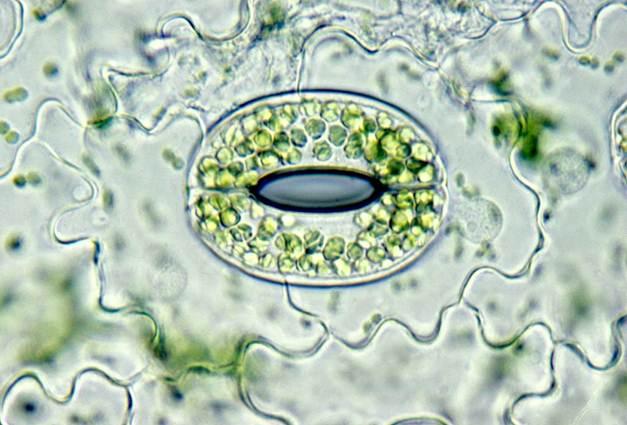
What do the guard cells do?

a)

Control active transport

b)

Control nutrients moving into the cell

c)

Controls the rate of transpiration (loss of water through the leaf)

40.

What does phloem transport?

a)

Water

b)

Minerals

c)

Fruit

d)

Sugar

41.

Openings in the lower epidermis that allow for gas and water exchange in plants

a)

stroma

b)

stomata

c)

guard cells

d)

mesophyll

42.

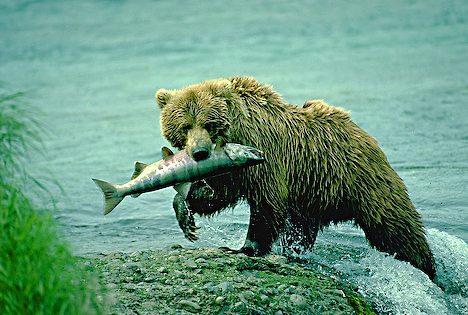
A grizzly bear survives because he is well-adapted to his environment. When he reproduces he passes on those traits to his offspring. this process is called

a)

Natural Selection

b)

Selective Breeding

c)

Random mutations

d)

Variations in a species

43.
Where the better adapted organisms survive to pass traits along to offspring.
a)
Evolution
b)
Natural Selection
c)
Extinction
d)
Artifical Selection
44.
What do viruses need to reproduce?
a)
they need genetic material
b)
They need a host cell
c)
They need  bacteria
d)
They need insulin
45.
How does a virus cause a person to develop the common cold?
a)
invades the host cell to reproduce
b)
removes energy from the host cell
c)
produces toxins in the host cell
d)
protects the host cell from bacteria
46.
Is a virus considered living or non-living?
a)
Living
b)
Non-Living
c)
Neither
47.
What is a host?
a)
Organism that lives on the cell and causes it harm 
b)
Something that causes harm to the cell 
c)
Cell that the virus invades and takes over
48.
Structures that are inherited from a common ancestor are homologous.
a)
True
b)
False
49.
Bird wings and butterfly wings are an example of
a)
Homologous structure
b)
Analogous structure
c)
Mimicry
d)
Camoflague
50.
Some organisms that share a common ancestor have features that have different functions, but similar structures.  These are known as
a)
vestigial structures
b)
analogous structures
c)
homologous structures
d)
fossil structures
51.
Which of the following pieces of evolution evidence contain both homologous and vestigial structures?
a)
fossil record
b)
comparing embryology
c)
comparing biochemistry
d)
comparing anatomy
52.
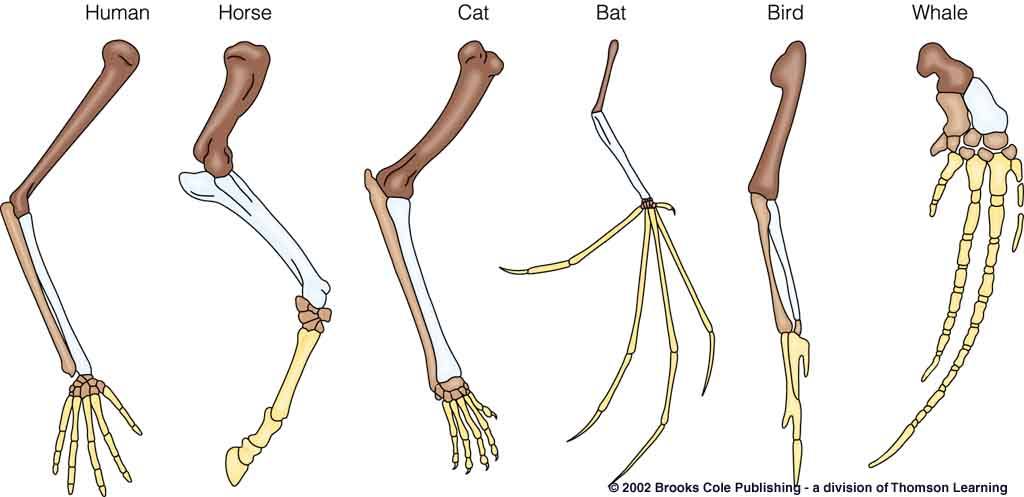
The structures shown are_________
a)
homologous
b)
heterologous
c)
analogous
d)
vestigial
53.
What is the main difference between prokaryotic and eukaryotic cells?
a)
Prokaryotic cells have a nucleus and Eukaryotic cells do not
b)
Prokaryotic cells are unicellular and Eukaryotic cells are multicellular.
c)
Prokaryotic cells do not have a nucleus, Eukaryotic cells do have a nucleus.
d)
Prokaryotic cells are plant cells and Eukaryotic cells are animal cells.
54.
Which statement is NOT part of the Cell Theory?
a)
Only animals are made of cells.
b)
Cells are the basic unit of structure and function in all living things.
c)
All living things are made of cells.
d)
New cells come from existing cells.
55.
Which types of organisms are Prokaryotes?
a)
Animals
b)
Plants
c)
Fungi
d)
Bacteria
56.

All cells have....

a)

Ribosomes

b)

DNA, Ribosomes, Cell Membrane

c)

DNA, Ribosomes, Cell Membrane, and Chloroplasts

d)

DNA, Ribosomes, Cell Membrane and a Nucleus

57.

What evolutionary theory presumes early life forms engaged in a symbiosis (relationship) that involved a larger cell engulfing or taking in the smaller cell. Where the larger cell represents the eukaryotic cell of today and the smaller cell, the prokaryotic cell.

a)

Big Bang Theory

b)

Theory of Evolution

c)

Endosymbiotic Theory

d)

Homeostasis

58.
Which of the following are NOT found in animal cells
a)
chloroplasts and cytoplasm
b)
chloroplasts and cell wall
c)
cell wall and cell membrane
d)
mitochondria and nucleus
59.
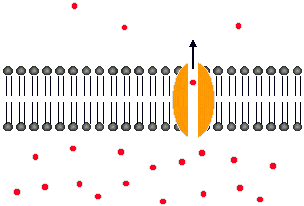
Against the concentration gradient
low to high
uses energy/ATP
a)
facilitated diffusion
b)
osmosis
c)
active transport
60.
Allows certain molecules or ions to pass through it by diffusion and doesn't allow others.
a)
protein
b)
semi-permeable membrane
c)
isotonic
61.
Particles are too large to enter the membrane.
Need help from channel proteins.
No energy
a)
active transport
b)
passive transport
c)
facilitated diffusion
62.
The main source of energy for all life comes from ____.
a)
the Earth
b)
the moon
c)
the sun
d)
the food we eat/make
63.
The reactants of photosynthesis are
a)
sugar and water.
b)
sugar and oxygen.
c)
carbon dioxide and water.
d)
carbon dioxide and oxygen.
64.
What are the products of photosynthesis?
a)
Carbon dioxide and water
b)
Carbon dioxide and oxygen
c)
Glucose and oxygen
d)
Glucose and water
65.
Which of the following is the correct equation for PHOTOSYNTHESIS?
a)
6CO2 + 6H2O --> 6O+ C6H12O6
b)
6CO+ C6H12O6 + 6H2O --> O
c)
6O2 + 6H2O --> 6CO+ C6H12O6
d)
C6H12O6 + 6O2 ---> 6H2O + 6CO2 
66.
In which organelle (part of the cell) does photosynthesis take place?
a)
mitochondria
b)
chloroplast
c)
nucleus
d)
cell membrane
67.
Where does cellular respiration occur?
a)
Mitochondria
b)
Chloroplast
c)
Nucleus
d)
Vacuole
68.
What does the chemical formula C6H12O6 represent?
a)
Oxygen
b)
Carbon dioxide
c)
Hydroxide
d)
Glucose
69.

Cellular Respiration's goal is to

a)

synthesize water

b)

synthesize ATP

c)

synthesize glucose

d)

synthesize oxygen

70.
symbiotic relationship in which both organisms benefit
a)
competition
b)
Mutualism
c)
nitrogen fixation
d)
energy pyramid
71.
A living relationship between two species in which one organism is harmed is called...
a)
mutualism
b)
commensalism
c)
parasitism
d)
niche
72.
What does a food web represent?
a)
All connections of energy flow throughout all organisms in a habitat.
b)
The specific ways that mutualism is carried out.
c)
A single pathway or energy flow between organisms. 
d)
How carnivores get their food. 
73.
The amount of energy that usually transfers from one trophic level to the next...
a)
10%
b)
20%
c)
80%
d)
50%
74.
The nonliving aspects of an ecosystem.
a)
Abiotic factors
b)
Biotic factors
75.
A collection of organisms that make up a community as well as all of the nonliving aspects of the environment.
a)
Population
b)
Community
c)
Habitat
d)
Ecosystem
76.
 What does the term carrying capacity describe?
a)
The maximum number of birth rates for a population.
b)
The ability of a population to accept new immigrants.
c)
The ratio of birth rates to death rates in a population.
d)
The population size that the environment can sustain.
77.
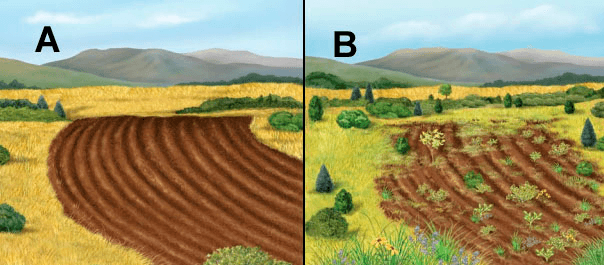
What is the order of succession shown in this figure?
a)
A, B, C, D
b)
B, A, D, C
c)
C, D, A, B
d)
D, A, B, C
78.
What type of succession is shown going from figure A to figure B?
a)
primary succession
b)
ecological succession
c)
secondary succession
d)
intermediate
79.

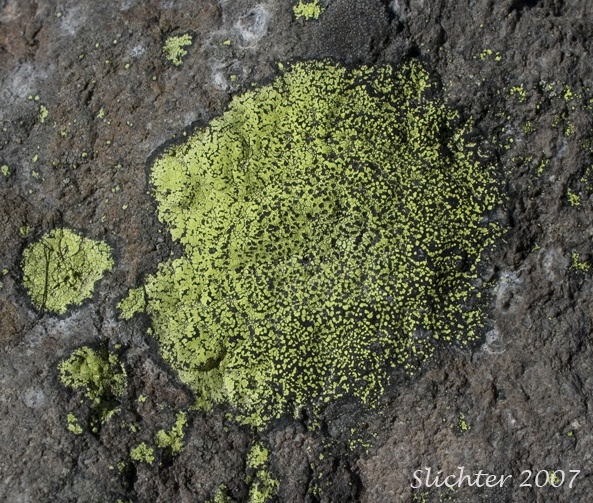
What is the name given to lichen or algae at the beginning of primary succession?

a)

pioneer species

b)

volunteer species

c)

founder species

d)

conqueror species

80.
Which images illustrate analogous structures?
a)
1, 2
b)
1, 3
c)
2, 3
d)
1, 2, 3
81.

A change in a species over time is

a)

Adaptation

b)

Evolution

c)

Diversity

d)

Morphology

82.

Similar embryological development in different organisms indicating a common ancestry or evolutionary origin.

a)

Molecular Homology

b)

Morphology

c)

Adaptation

d)

Embryology

83.

Father of Evolution, wrote origins of species and studied organisms from Galapagos to support his proposal that natural selection occurs.

a)

Hooke

b)

Darwin

c)

Lamarck

d)

Markiewicz

84.
The closest evolutionary relationship most likely exists between the....
a)
human and gorilla
b)
horse and zebra
c)
human and chimpanzee
d)
chimpanzee and gorilla
85.
Which of these factors should be compared to determine how closely species are related to each other?
a)
number of genes
b)
sequence of amino acids
c)
location of chromosomes
d)
physical similarities in body structure
86.
A scientist puts 100 houseflies in a sealed container; then sprays an insecticide into the container.  Ninety-six of the flies die.  Four survive.  The scientist lets the survivors mate and produce offspring, then repeats the experiment with 100 offspring.  Fifty-six of them survive the spray.  This experimental result is evidence of – 
a)
adaptive radiation 
b)
speciation
c)
natural selection
d)
extinction
87.
Enzymes are capable of increasing the rate of a chemical reaction within a living cell.  Enzymes accomplish this through which of the following means?
a)
reducing the number of products   
b)
reducing the activation energy
c)
increasing the temperature of the cell
d)
increasing the concentration of reactants 
88.
Which of the following conclusions can be drawn from this graph?
a)
The optimum pH of the enzyme is 6.6.
b)
The optimum pH of the enzyme is 5.8
c)
The enzyme’s activity increases as pH increases 5.0 to 9.0
d)
The enzyme’s activity is greater around pH of 8.0 .
89.
What happens when enzymes are heated to a high temperature?
a)
The enzymes die.
b)
The shapes of the enzyme are altered denature
c)
The enzymes' amino acid sequence changes.
d)
The enzymes remain the same
90.
What do viruses need to reproduce?
a)
they need genetic material
b)
They need a host cell
c)
They need  bacteria
d)
They need insulin
91.

Which of the following is effective in reducing the number of viral infections?

a)

Tylenol

b)

Antibiotics

c)

Vaccines/ Innoculations

d)

None of the above

92.
Which body system gets oxygen from the environment and removes carbon dioxide and other wastes from the body?
a)
Circulatory
b)
Respiratory
c)
Digestive
d)
Skeletal
93.
Which system transports materials from the digestive system and respiratory system to the cells?
a)
circulatory
b)
respiratory
c)
digestive
d)
skeletal
94.
Which of these 3 systems work together to get the body the oxygen and sugar that it needs to make ATP(energy)?
a)
Digestive - Cardiovascular -Urinary
b)
Cardiovascular - Respiratory - Reproductive
c)
Respiratory - Digestive - Lymphatic
d)
Cardiovascular - Digestive - Respiratory
95.

What 2 systems: Allows for movement

a)

Muscular and Skeletal

b)

Endocrine and Skeletal

c)

Nervous and Circulatory

d)

Integumentary and Reproductive

96.

Removes wastes from blood.

a)

excretory system

b)

lymphatic system

c)

endocrine system

d)

digestive system

97.

Which viral cycle takes the longest to show symptoms?

a)

Lysogenic

b)

Lytic

98.

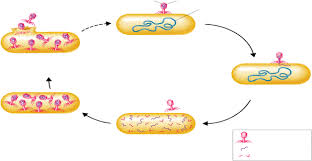
What is the first step to both cycles?

a)

The virus attaches to a host

b)

the virus injects genetic material

c)

the host gets sick

d)

the cell is destroyed

99.

Which of the following is true for both bacteria and viruses?

a)

both contain genetic material

b)

can be killed using antibiotics

c)

have a cell membrane

d)

have a protein coat

100.

Which viral life cycle kills its host cell by lysing (bursting)?

a)

Lysogenic Cycle

b)

Lytic Cycle

c)

Binary Fission

d)

Conjugation