
Font size
 Worksheets
Biology Spring Review Part 2
Total questions: 84
Worksheet time: 2hrs 45mins


Punnett Square #1
In plants tall is dominant to short.
Cross two heterozygous plants.
What is the phenotypic ratio?
1:2:1
2:2
3:1


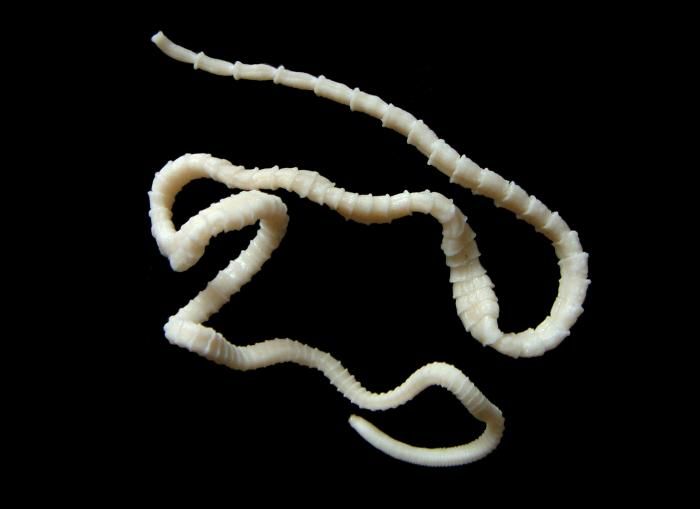
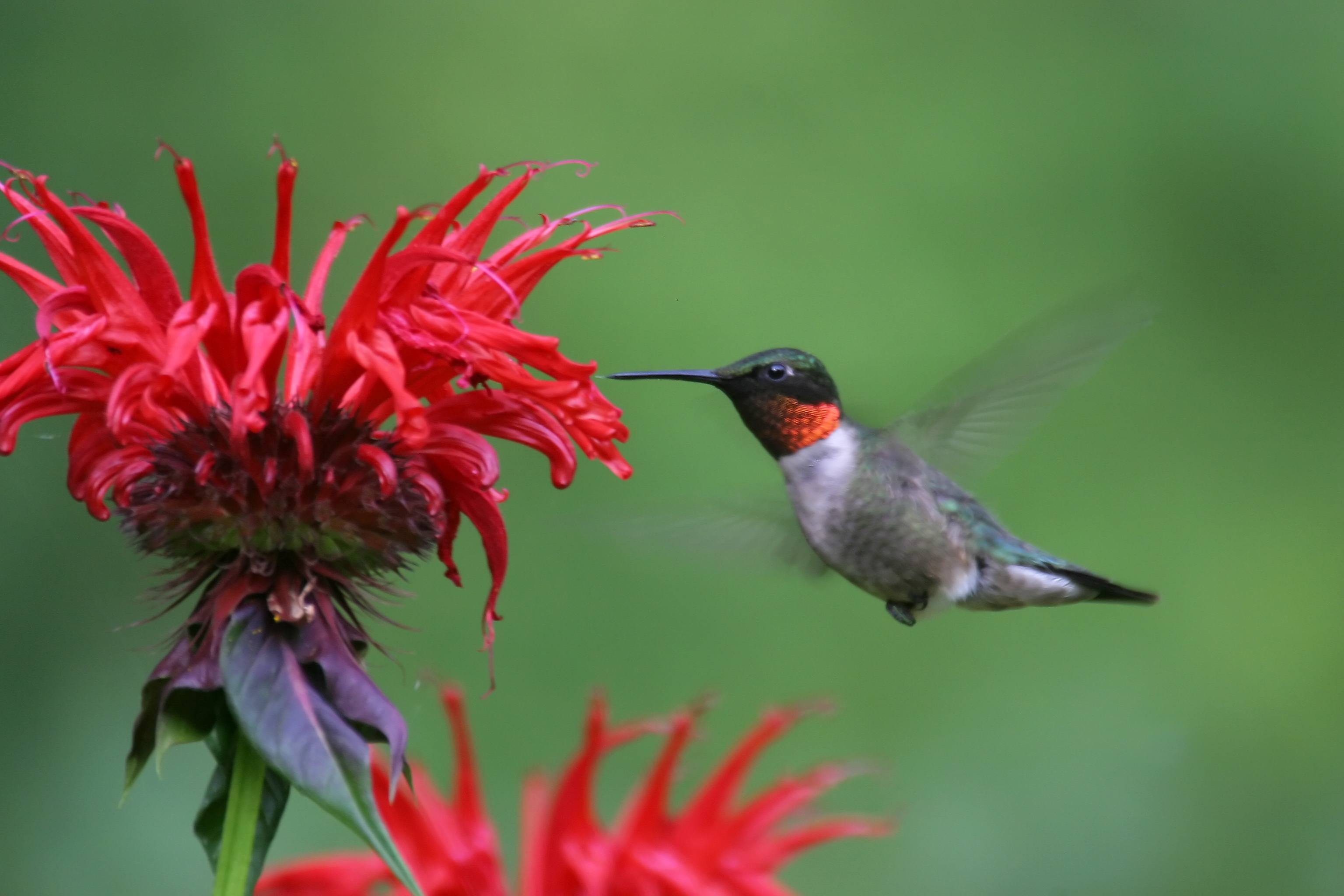
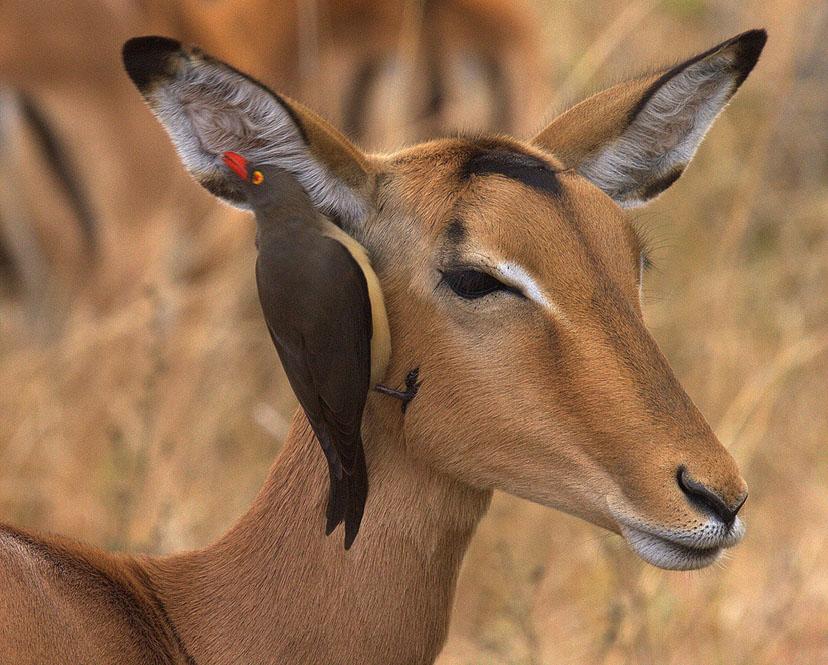

Aphids are tiny insects that live on and eat the leaves of plants, removing vital nutrients from the plants.
Predation
Parasitism
Commensalism
Mutualism

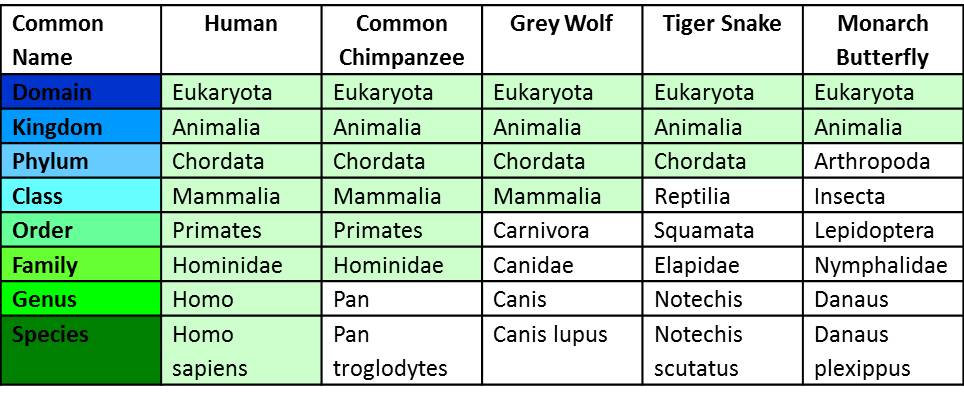
What kingdom-Prokaryotic-lives in hot,salts environments
plants
animals
archaebacteria
eubacteria

MUSHROOMS ARE IN WHAT KINGDOM
PLANT
ANIMAL
FUNGI
PROTIST

APES BELONG TO WHAT KINGDOM
PLANT
ANIMAL
FUNGI
PROTIST
Eubacteria cell walls are made out of ______.
Chitin
Cellulose
Peptidoglycan
Glucose
Archaebacteria have cell walls made out of Peptidoglycan
True
False
How are Archaeabacteria and Eubacteria different?
one is a eukaryote and the other is a prokaryote.
one produces asexually while the other produces sexually.
one contains peptidoglycan in its cell wall and the other does not.
one swims using a flagella but not the other
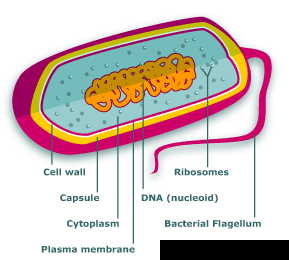
DNA is free floating and circular, not in a nucleus
Prokaryote
Eukaryote
Has cell membrane
Prokaryote
Eukaryote
both

Homeostasis in the human body can be maintained by a:
exercising until you are exhausted
laying out in the sun for several hours
not drinking any water
sweating
Antibodies fight what type of infections?
Viral
Bacteria
HIV
Flu
Which of the following would reduce the number of viral infections?
antibiotics
vaccines
antibodies

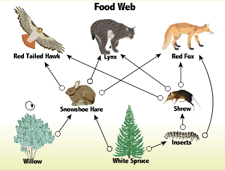
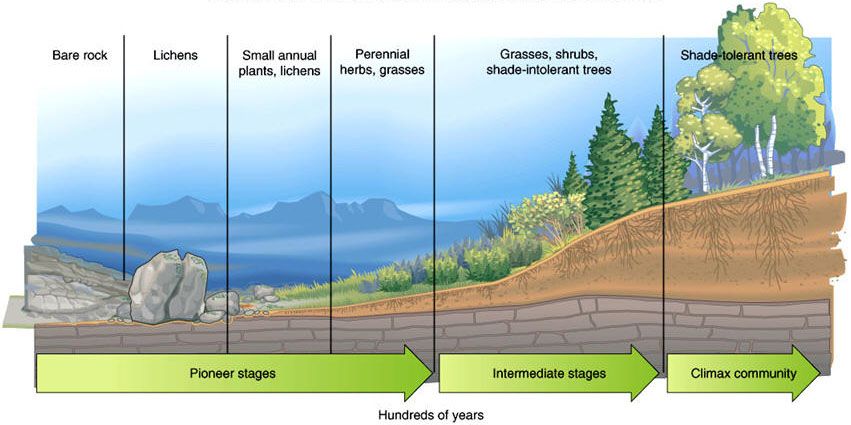
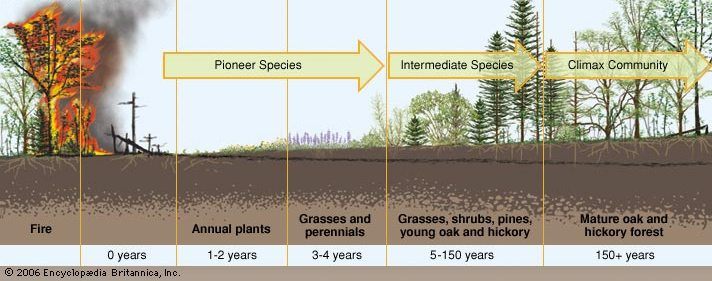
The information shown in the graph suggests that the changes in the forest community
were caused by —
tree replacement after a storm.
secondary succession after a fire
repeated habitat destruction



_____________________are similar structures which species have, but which perform different functions. They provide evidence of a common ancestor.
DNA
Vestigial structures
Fossils
Homologous structures
_____________________are features present in modern organisms which are no longer in use.
DNA
Vestigial structures
Fossils
Homologous structures
_________________ show clear changes in an organism over time, the environment organisms lived in, the time period the organism lived in, and where the organism lived.
DNA
Vestigial structures
Fossils
Homologous structures
Click on ALL examples of a vestigial structure?
A whale's pelvis and femur.
A snake's hind legs.
A human's nose.
A human's appendix.
A human's wisdom teeth.

What type of evidence is represented in the picture above:
Fossils
Vestigial Structures
DNA
Homologous Structures

Body parts similar in structure and origin
evolution
embryology
homologous
variation

