Wayground logo

Free Printable Worksheets

Font size

S
M
L
XL
Worksheets

Unit 3 Review

Total questions: 117

Worksheet time: 3hrs 40mins

Name
Class
Date
1.
What is the right ratio of chemicals for the BCE (Balanced Chemical Equation)?__Na + __H2O --> __NaOH + __H2
a)
2,2 --> 2,1
b)
4,4 --> 4,1
c)
1,2 --> 2,4
d)
1,2 --> 2,1
2.

What is the right ratio of chemicals for the BCE (Balanced Chemical Equation)?

__Ca + __H2O --> __Ca(OH)2 + __H2

a)
2,1 --> 2,1
b)
1,2 --> 1,1
c)
1,2 --> 2,4
d)
1,2 --> 2,1
3.
What is the right ratio of chemicals for the BCE (Balanced Chemical Equation)?__CO + __Fe2O3--> __Fe + __CO2
a)
3,1 --> 2,3
b)
3,2 --> 1,1
c)
3,2 --> 2,4
d)
3,2 --> 2,1
4.
What is the right ratio of chemicals for the BCE (Balanced Chemical Equation)?__CH4 + __O2 --> __CO2+ __H2O
a)
2,1 --> 2,1
b)
1,2 --> 1,1
c)
1,2 --> 1,2
d)
1,2 --> 2,1
5.
What is the right ratio of chemicals for the BCE (Balanced Chemical Equation)?__AgNO3 + __H2S --> __Ag2S+ __HNO3
a)
2,1 --> 1,2
b)
1,2 --> 1,1
c)
1,2 --> 1,2
d)
1,2 --> 2,1
6.
What is the right ratio of chemicals for the BCE (Balanced Chemical Equation)?__H2 + __S --> __H2S
a)
1,1 --> 1
b)
2,2 --> 2
c)
1,2 --> 1
d)
1,2 --> 2
7.
What is the right ratio of chemicals for the BCE (Balanced Chemical Equation)?__H2SO3 + __KOH--> __H2O+ __K2SO3
a)
2,1 --> 2,1
b)
1,2 --> 1,1
c)
1,2 --> 1,2
d)
1,2 --> 2,1
8.
What is the right ratio of chemicals for the BCE (Balanced Chemical Equation)?__Al + __O2--> __Al2O3
a)
4,1 --> 2
b)
4,3 --> 4
c)
3,4 --> 1
d)
4,3 --> 2
9.
What is the right ratio of chemicals for the BCE (Balanced Chemical Equation)?__MnO2 + __HCl --> __MnCl2 + __H2O __Cl2
a)
4,1 --> 2,1,2
b)
1,2 --> 1,1,4
c)
1,4 --> 1,2,1
d)
1,4 --> 2,2,1
10.
What is the right ratio of chemicals for the BCE (Balanced Chemical Equation)?__FeCl3 + __Ca(OH)2 --> __Fe(OH)3 + __CaCl2
a)
4,3--> 2,1
b)
3,2 --> 3,1
c)
2,3 --> 2,2
d)
2,3 --> 2,3
11.
The substances listed on the left side of a chemical equation are the
a)
Products
b)
Coefficients
c)
Precipitates
d)
Reactants
12.
In chemical reactions, what does the principle of conservation of mass mean?
a)
Matter is not created or destroyed.
b)
The total mass of the reactants is greater than the total mass of the products.
c)
The total mass of the reactants is less than the total mass of the products.
d)
Matter is not changed.
13.
How many Hydrogen (H) atoms are in NH3O5
a)
3
b)
4
c)
5
d)
1
14.
Name the part in red:

H2 + O2 -> H2O
a)
Coefficient
b)
Product
c)
Yield
d)
Subscript
15.
Name the part in red:

_2_H2 + _1_O2 -> _2_H2O
a)
Coefficient
b)
Product
c)
Yield
d)
Subscript
16.
Name the part in red:

H2 + O2 -> H2O
a)
Coefficient
b)
Product
c)
Reactant
d)
Subscript
17.
Name the part in red:

H2 + O2 -> H2O
a)
Coefficient
b)
Product
c)
Reactant
d)
Subscript
18.
How many phosphorus atoms are in PO4?
a)
1
b)
2
c)
3
d)
4
19.
How many hydrogens are in 4H2O?
a)
6
b)
8
c)
2
d)
4
20.
How many Oxygen atoms are in 4H2O?
a)
4
b)
1
c)
0
d)
8
21.
Is this balanced?
Al + O2 → 2Al2O3
a)
Yes
b)
No
22.
What is the arrow in a chemical equation...
H2 + O --> H2O
a)
Reactants
b)
Products 
c)
Yields 
d)
Chemical Equation 
23.
How many atoms of aluminum are on each side of the following equation: 4Al + 3O2 --> 2Al2 O3
a)
2
b)
6
c)
1
d)
4
24.

Which of the following is an unbalanced equation?

a)

CaCO3 --> CaO + CO3

b)

PbO2 + 2H2-->2Pb + H2O

c)

2Na+ 2H2O-->2NaOH + H2

d)

CS2 + 2O2 --> CO2 + 2SO2

25.

Which of the following correctly balances this equation:

Sodium phosphate and potassium hydroxide will produce sodium hydroxide and potassium phosphate.

a)

1 Na3PO4+3 KOH

--->

3 NaOH + 1 K3PO4

b)

2 Na3PO4+2 KOH

--->

3 NaOH + 1 K3PO4

c)

1 S3PO4+3 SOH

--->

3 SOH + 1 K3PO4

d)

3 Na3P+3 KO2H

--->

3 NaH2O + 1 K3P

26.
4Si + S8 --> 2Si2S4
a)
Synthesis
b)
Decomposition
c)
Single displacement
d)
Double displacement
27.
3Ca + 2AlCl3 --> 3CaCl2 + 2Al
a)
Synthesis
b)
Decomposition
c)
Single diplacement
d)
Double displacement
28.
3KOH + H3PO4 --> K3PO4 + 3H2O
a)
Synthesis 
b)
Decomposition
c)
Single displacement
d)
Double displacement
29.
2Pb(NO3)2 --> 2PbO + 4NO2 + O2
a)
Synthesis 
b)
Decomposition
c)
Single displacement
d)
Combustion
30.
3Mg + N2 --> Mg3N2
a)
Synthesis 
b)
Decomposition
c)
Single displacement
d)
Combustion
31.
2NO2 --> N2 + 2O2
a)
Synthesis
b)
Decomposition
c)
Single displacement
d)
Combustion
32.
P4 + 3O2 --> 2P2O3
a)
Synthesis 
b)
Decomposition
c)
Single displacement
d)
Combustion
33.
Fe + H2SO4 --> Fe2(SO4)3 + H2
a)
Synthesis (combination)
b)
Decomposition
c)
Single replacement
d)
Combustion
34.
Which reaction type is the following: C5H10O4 + O2 --> CO2 + H2O
a)
Decomposition
b)
Single Replacement
c)
Combustion
d)
Double Replacement
35.
When balancing equations a ____ can be placed to the left of a formula of a substance to make the equations balanced
a)
charge
b)
subscript
c)
random number
d)
coefficient
36.
What coefficient should be used to make the following equation balanced?
N2+O2--> _NO 
a)
1
b)
2
c)
3
d)
4
37.
C4H12 + O2 --> CO2 + H2O
a)
Synthesis
b)
Combustion
c)
Single Replacement
d)
Double Replacement
38.
H2SO4 + Fe -->H2 + FeSO4
a)
Synthesis
b)
Decomposition
c)
Single Replacement
d)
Double Replacement
39.
PbCl2 + AgNO3 ---> Pb(NO3)2 + AgCl 
a)
Synthesis
b)
Decomposition
c)
Single Replacement
d)
Double Replacement
40.
Which chemical reaction switches 2 elements?
a)
Double Replacement
b)
Single Replacement
c)
Combustion
d)
Decomposition
41.
Which chemical reaction takes place when 2 substances react to form a single product?
a)
Decomposition
b)
Double Replacement
c)
Single Replacement
d)
Synthesis
42.
At the end of chemical reactions, what is the total mass of the reactants compared to the total mass of the products?
a)
the product is doubled
b)
the product is half the mass of the reactants
c)
the mass is the same
d)
the mass changes depending on the reaction
43.
This pictures simulates what type of reaction?
a)
Synthesis
b)
Decomposition
c)
Single Replacement
d)
Double Replacement
44.
What type a reaction is taking place in this picture?
a)
Synthesis
b)
Decomposition
c)
Single Replacement
d)
Double Replacement
45.
What does (aq) mean in a chemical reaction?
a)
Ag
b)
silver
c)
aqualirious
d)
aqueous
46.
The following reaction is an example of what reaction type? 
CoCO3 → CoO + CO2
a)
Synthesis
b)
Decomposition
c)
Single Replacement
d)
Double Replacement
47.
What are the products in the following chemical equation? 
2H2 + O2   -->   2H2O
a)
H2
b)
O2
c)
2H2 + O2
d)
2H2O
48.
What is the left part of a chemical equation called?
H2 + O → H2O
a)
Reactants
b)
Products 
c)
Yields 
d)
Chemical Equation 
49.
Combining substances to form a new substance
a)
Displacement
b)
Synthesis
c)
Decomposition
d)
Oxidation
50.
The number of atoms you begin with in a chemical reaction ...
a)
must be the same as the number of  atoms you end with
b)
must be an even number
c)
can be different to the number you finish with
d)
changes depending on how much energy is formed
51.

Which of the following statements is true concerning acids and bases?

a)

acids and bases don't react with each other

b)

acids mixed with bases neutralize each other

c)

acids mixed with bases make stronger bases

d)

acids mixed with bases make stronger acids

52.

True or false: bases are sometimes called alkaline.

a)

True

b)

False

53.

Which is the correct set of acid properties, as described by Boyle:

a)

sour taste, corrosive, change litmus from red to blue

b)

sour taste, corrosive, change litmus from blue to red

c)

sweet taste, slippery, change litmus from blue to red

d)

sour taste, slippery, change litmus from blue to red

54.

Neutral solutions have a pH of:

a)

0

b)

1

c)

7

d)

14

55.

Which is true?

a)

pH of less than 7 is basic; pH of more than 7 is acidic

b)

pH of less than 7 is acidic; pH of more than 7 is basic

56.

Vinegar, fruit juice, and cola are examples of:

a)

strong acids

b)

strong bases

c)

strong bases

d)

weak acids

57.

HCl is found in household products, including some toilet bowl cleaners. Is HCl an acid or a base?

a)

Acid

b)

Base

c)

Neither (Neutral)

58.

NaOH may be found in drain cleaners and as a component of soaps. Is NaOH an acid or a base?

a)

Acid

b)

Base

c)

Neither (Neutral)

59.

Is laundry detergent an acid or a base?

a)

Acid

b)

Base

c)

Neither (Neutral)

60.

Is pure water acidic, basic, or neutral?

a)

Acidic

b)

Basic

c)

Neutral

61.

Vinegar is an example of:

a)

An acid.

b)

A base.

c)

Neither an acid nor a base.

62.

If you check the pH of cooking oil with litmus paper, the results will indicate that the oil is:

a)

Acidic.

b)

Basic.

c)

Neither acidic nor basic, since a substance must dissociate in water to cause a change to litmus paper.

63.

Milk is generally:

a)

Slightly acidic and becomes more acidic over time.

b)

Basic, although it becomes more acidic over time.

c)

Milk is neither acidic nor basic.

d)

Basic and it becomes more basic over time.

64.

Stronger acids have a pH closer to...

a)

7

b)

0

c)

14

d)

9

65.

Weaker bases have a pH closer to...

a)

8

b)

0

c)

14

d)

4

66.

The pH scale is a range from:

a)

1-7

b)

0-14

c)

1-5

d)

1-14

67.

What is the only substance with a neutral pH of 7?

a)

Milk

b)

Orange Juice

c)

Pure water

d)

Bleach

68.
A solution with a pH of 8.6 would be...
a)
Acid
b)
Base
c)
Neutral
d)
Acid and Base
69.

Which of the following is an acid?

a)

soap

b)

baking soda

c)

orange juice

d)

pure water

70.

What would be considered the weakest base?

a)

3

b)

14

c)

8.2

d)

11.6

71.

Which property is not associated with acids?

a)

Sour taste

b)

strong acids can burn you

c)

turns litmus paper blue

d)

reacts with metals

72.

Ammonia has a pH of 11. Ammonia is __________.

a)

an acid

b)

a base

c)

an element

d)

a metal

73.

Which of the following is true about acids and bases?

a)

The lower the pH #, the stronger the acid

b)

the higher the pH #, the stronger the acid

c)

The lower the pH #, the more neutral the acid

d)

The higher the pH #, the weaker the base

74.
Which of the following is a pH for a strong base? 
a)
1
b)
8
c)
7
d)
13
75.
Ranging from 0 to 14, a pH value indicates how acidic or basic a solution is.  Which of these pH values would be a strong acid?
a)
2
b)
6
c)
9
d)
13
76.

What type of paper is used to test for acids and bases?

a)

Red paper

b)

Blue paper

c)

Lined paper

d)

Litmus paper

77.

Tastes sour

a)

acid

b)

base

c)

neutral

d)

both acids & bases

78.

You test a solution with pH paper, and the paper turns blue. The solution is ______.

a)

neutral

b)

an acid

c)

a base

d)

an acid & a base

79.

What would be considered the strongest base?

a)

8

b)

14

c)

7.8

d)

11.6

80.

Tastes bitter.

a)

Acids

b)

Bases

c)

None of the following

d)

Acids & Bases

81.

These can burn you if they are strong enough.

a)

Acids

b)

Bases

c)

Water

d)

Acids & Bases

82.
reacts with certain carbonates
a)
acid
b)
base
83.
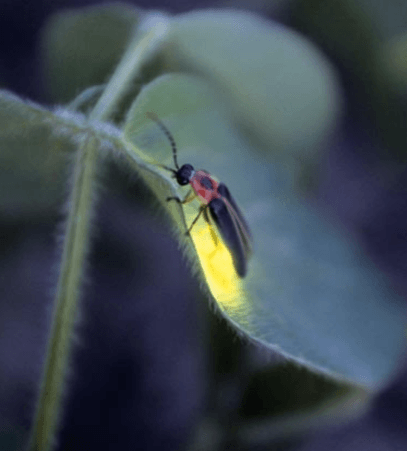
Is a firefly lighting up a physical or chemical change?
a)
Physical
b)
Chemical
84.
Is water melting a physical or chemical change?
a)
Physical
b)
Chemical
85.
Is salt dissolving in water a physical or chemical change?
a)
Physical
b)
Chemical
86.
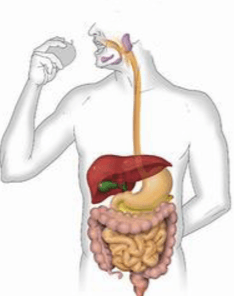
Is digesting your food a physical or chemical change?
a)
Physical
b)
Chemical
87.
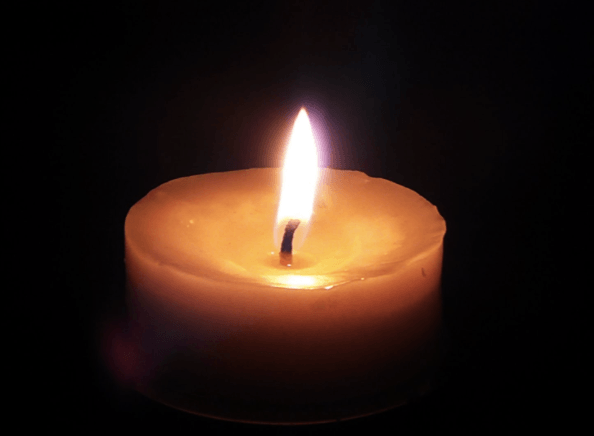
Is a burning candle a physical or chemical change?
a)
Physical
b)
Chemical
88.
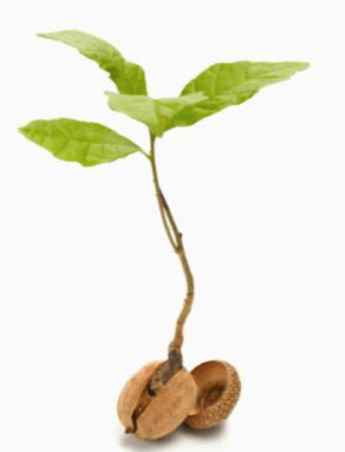
Is a tree sprouting a physical or chemical change?
a)
Physical
b)
Chemical
89.
Is getting a tan a physical or chemical change?
a)
Physical
b)
Chemical
90.
Is melting iron a physical or chemical change?
a)
Physical
b)
Chemical
91.
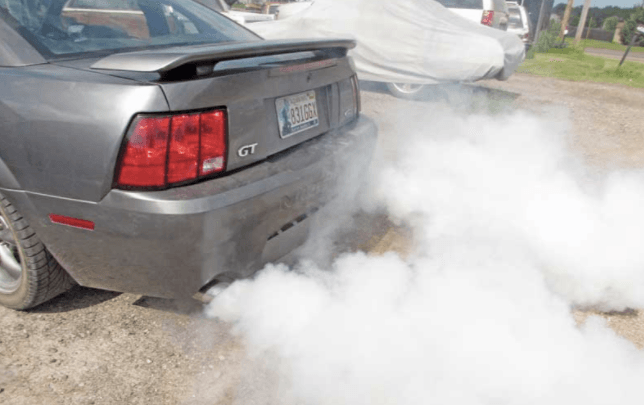
Is a car using fuel a physical or chemical change?
a)
Physical
b)
Chemical
92.
Is sour milk a physical or chemical change?
a)
Physical
b)
Chemical
93.
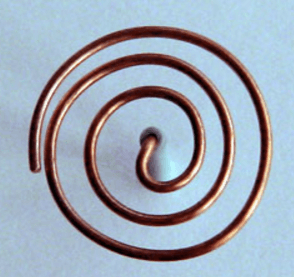
Is bending copper wire a physical or chemical change?
a)
Physical
b)
Chemical
94.
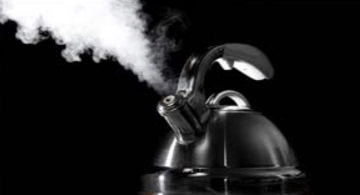
Is steam a physical or chemical change?
a)
Physical
b)
Chemical
95.
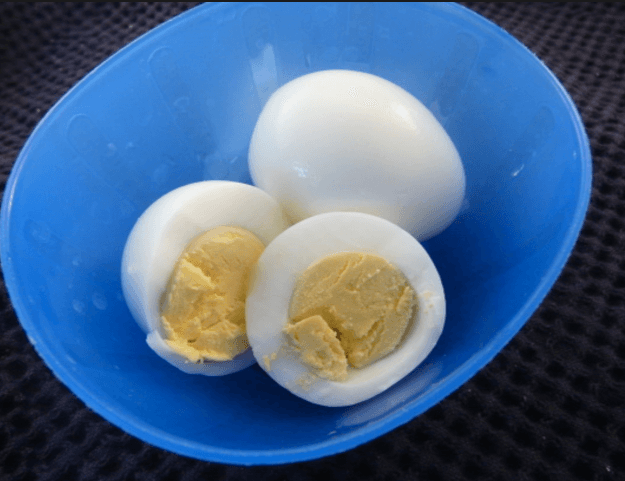
Are hard boiled eggs a physical or chemical change?
a)
Physical
b)
Chemical
96.
Is melting butter a physical or chemical change?
a)
Physical
b)
Chemical
97.
When things burn this is a chemical reaction called COMBUSTION.  What does every combustion reaction require?
a)
Hydrogen
b)
Carbon dioxide
c)
Oxygen
d)
Water
98.
Is adding sugar to your coffee a physical or chemical change?
a)
Physical
b)
Chemical
99.
Is getting sick with a fever a physical or chemical change?
a)
Physical
b)
Chemical
100.
When baking soda and vinegar mix it creates a bubbly mess. Is this a chemical or physical change?
a)
Physical
b)
Chemical
101.
glass breaking
a)
physical change
b)
chemical change
102.
melting ice cream
a)
physical change
b)
chemical change
103.
a rusting bicycle
a)
physical change
b)
chemical change
104.
mowing the lawn
a)
physical change
b)
chemical change
105.
fireworks exploding
a)
physical change
b)
chemical change
106.
corroding metal
a)
physical change
b)
chemical change
107.
freezing chocolate covered bananas
a)
physical change
b)
chemical change
108.
separating sand and gravel
a)
physical change
b)
chemical change
109.
What characteristic defines all chemical changes?
a)
There is a change of state.
b)
Electricity is produced.
c)
A new material is formed.
d)
Bubbles are produced. 
110.
What is an example of a Chemical change?
a)
Ripped paper 
b)
boiled egg
c)
cracked egg
d)
sugar in water
111.
Which is a physical change?
a)
burning match 
b)
vinegar in baking soda 
c)
melting butter
d)
cooking an egg
112.
Which is a chemical change?
a)
freezing fruit juice
b)
slicing a potato
c)
boiling water
d)
copper metal turning green
113.
Green bananas turning yellow on their own as they ripen.
a)
Chemical Change
b)
Physical Change
114.
Which of the following does the discoloration of a coin  describe?
a)
Chemical Change
b)
Physical Change
c)
None of the above
d)
Both
115.
A group of students investigated physical and chemical changes using paper.  The students recorded their observations in a table.
Which student correctly recorded all the changes that took place?
a)
Student 1
b)
Student 2
c)
Student 3
d)
Student 4
116.
The diagram below shows changes happening to water in a specially shaped bottle.
What changes did the water undergo?
a)
melting and then freezing
b)
freezing and then evaporation
c)
condensation and then melting
d)
evaporation and then condensation
117.
One cup of water is left outside for two days when it was checked there was only half a cup left. What happened?
a)
evaporation; chemical change
b)
condensation; physical change 
c)
evaporation; physical change
d)
condensation; chemical change