Wayground logo

Free Printable Worksheets

Font size

S
M
L
XL
Worksheets

Midterm Review

Total questions: 100

Worksheet time: 2hrs 12mins
Name
Class
Date
1.
Which is classified as an ecosystem?
a)
a bumble bee
b)
a bee hive
c)
bees, grass, trees, birds, frogs
d)
bees, grass, frogs, water, sunlight
2.
If you see cardinals, blue jays and owls in your back yard, this is an example of a 
a)
community
b)
population
c)
ecosystem
d)
species
3.
Which of the following is an example of an organism?
a)
Human
b)
Apple tree
c)
Yeast
d)
All of these
4.
Which of the following is NOT an organism?
a)
Kangaroo
b)
Mushroom
c)
Computer
d)
Oak tree
5.
A group of various species that live in the same place and interact with each other
a)
evolution
b)
ecosystem
c)
community
d)
abiotic factor
6.
Living or once living part of an ecosystem
a)
biotic factor
b)
community
c)
natural selection
d)
abiotic factor
7.
All the organisms living in an area and their physical environment
a)
species
b)
ecosystem
c)
natural selection
d)
abiotic factor
8.
All the members of the same species that live in the same place at the same time
a)
resistance
b)
natural selection
c)
population
d)
ecosystem
9.
Nonliving part of an ecosystem
a)
organism
b)
community
c)
abiotic factor
d)
biotic factor
10.
An individual living thing
a)
ecosystem
b)
population
c)
organism
d)
abiotic factor
11.
Group of organisms that are closely related and that can mate to produce fertile offspring
a)
species
b)
resistance
c)
biotic factor
d)
natural selection
12.
The process in which energy from the sun is used by plants to make sugar molecules
a)
cellular respiration
b)
photosynthesis
c)
symbiosis
d)
consumers
13.
A diagram showing the many feeding relationships that are in an ecosystem
a)
food web
b)
food chain
c)
photosynthesis
d)
producers
14.
Which of the following is a producer?
a)
oak tree
b)
raccoon
c)
cockroach
d)
human
15.
The location where an organism lives
a)
carrying capacity
b)
habitat
c)
competition
d)
coevolution
16.
Temperature, light, air, water, and soil are all  _____  parts of the environment
a)
alive
b)
biotic 
c)
abiotic
d)
living
17.
Is a deer an abiotic or biotic factor? 
a)
abiotic
b)
biotic
18.
Is a weather an abiotic or biotic factor? 
a)
abiotic
b)
biotic
19.
Is sunlight an abiotic or biotic factor? 
a)
abiotic
b)
biotic
20.
A living or once-living organisms in an ecosystem is a
a)
population
b)
biotic factor
c)
abiotic factor
d)
community
21.
Which of the following is not an abiotic factor?
a)
sun
b)
temperature
c)
soil
d)
grass
22.
Which of the following is not a biotic factor?
a)
mushroom
b)
air
c)
elephant
d)
coyote
23.
Which of the fallowing has only abiotic factors?
a)
Sunlight, algae, and temperature
b)
Guppy, crab, oxygen
c)
Sunlight, soil, and weather
d)
Algae, temperature, and dog
24.
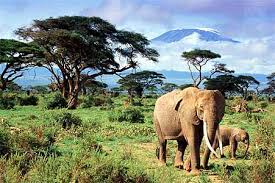
What are the biotic factors in this image?
a)
sunlight, elephants, and grasses
b)
sunlight, water,  and air
c)
elephants, plants, trees 
25.
All energy transformations in an ecosystem begin with
a)
a scavenger
b)
the sun
c)
a decomposer
d)
a herbivore
26.
a deer population has significantly increased, the best hypothesis is 
a)
the deer's main predator has been eliminated
b)
competition increased
c)
decreased water levels of local ponds
d)
organisms that rely on similar food sources migrated to the area
27.
Which event is the best example of competition between species in a pond?
a)
dragonflies landing on lily pads
b)
lizards and snakes lying in the sun
c)
hawks eating mice
d)
frogs and toads eating flies
28.
Which is the smallest level of an ecosystem?
a)
organsism
b)
population
c)
community
d)
ecosystem
29.
A diagram that shows the amount of energy that moves from one feeding level to another is termed..
a)
energy pyramid
b)
adaptation
c)
autotroph
d)
food web
30.
a system of food chains that shows the transfer of energy  is termed
a)
food web
b)
food chain
c)
prey
d)
predator
31.
an organism that can produce its own food through photosynthesis
a)
consumer
b)
heterotroph
c)
autotroph
d)
herbivore
32.
Biodiversity is 
a)
the variety of species within an ecosystem
b)
a large number of the same species in an ecosystem
c)
an abundant amount of the same primary consumers 
d)
the ability to have an abundant source from the same species
33.
an example of producer consumer relationship would be
a)
lion eating a deer
b)
grasshopper getting energy from grass
c)
hawk getting energy from snakes
d)
earthworm breaking down dead material
34.
What is the study of the interactions among organisms and  between organisms and their environments called?
a)
Biology
b)
Ecology
c)
Astronomy
d)
Biosphere
35.
The direction of the flow of energy in a food web is represented by ___.
a)
Light bulbs
b)
Dotted Lines
c)
Arrows
d)
Bubbles
36.
Which of these is an example of an autotroph?
a)
Sunflower
b)
Krill
c)
Leopard
d)
Hummingbird
37.
What does every food chain start with?
a)
producers
b)
sun
c)
consumer
d)
decomposers
38.
Consumer that eats plants
a)
heterotroph
b)
herbivore
c)
producer
d)
community
39.
Energy increases as you move up the food pyramid (from bottom to top).
a)
True 
b)
False
40.
Which of the following is NOT a consumer
a)
grass
b)
dog
c)
shark
d)
fish
41.
What percentage of energy is passed on to each tropic level?
a)
10%
b)
50%
c)
90%
d)
100%
42.
What is a producer?
a)
an organism that gets energy from eating other organisms
b)
an organisms that uses sunlight to make its own food
c)
an organism that gets energy from eating dead organisms, non-living material or waste
43.
What is a herbivore?
a)
an animal that gets energy from eating other animals
b)
an organism that gets energy from eating only plants
c)
an animal that gets energy by eating both plants and other animals
44.
An organism that gets energy from eating other organisms is a ______________
a)
producer
b)
consumer
c)
decomposer
45.
An organism that gets energy from eating dead organisms, non-living material or waste
a)
producer
b)
consumer
c)
decomposer
46.
What is a carnivore?
a)
an animal that gets energy by eating other animals
b)
An animal that gets energy by eating only plants
c)
an animal that gets energy by eating both plants and animals
47.
An animal that gets energy from eating both plants and animals is a 
a)
herbivore
b)
carnivore
c)
omnivore
48.
The shrew provides energy for the _______?
a)
cricket
b)
grasshopper
c)
frog
d)
snake
49.
Which of the following is a herbivore?
a)
cricket
b)
frog
c)
hawk
d)
shrew
50.
What energy role do the kelps and other algae have in this food web?
a)
Producer
b)
Composer
c)
Consumer
d)
Decomposer
51.
Which organism gets its energy by eating sea otters?
a)
Sea urchins
b)
Sea Stars
c)
Sharks
d)
Large crabs
52.
Which of the following organisms is a primary or first level consumer?
a)
Sea Urchins
b)
Small herbivorous fishes and invertebrates
c)
Sharks
d)
Sea Otters
53.
Which of these consumers is an omnivore?
a)
Sea Urchins
b)
Small herbivorous fishes and invertebrates
c)
Sharks
d)
Sea Otters
54.
Which organism in the food web is a producer?
a)
Mouse
b)
Owl
c)
Green Plant
d)
Snake
55.
Which organism in this food web is an herbivore?
a)
Frog
b)
Grasshopper
c)
Mouse
d)
Snake
56.
Which organism in this food web is a carnivore?
a)
Mouse
b)
Grasshopper
c)
Green Plant
d)
Snake
57.
Which organism on the food web is an omnivore?
a)
Snake
b)
Mouse
c)
Grasshopper
d)
Green Plant
58.
Which of the organisms on the food web are producers?
a)
Seaweed and zooplankton
b)
Seaweed and Phytoplankton
c)
Phytoplankton and Zooplankton
d)
Zooplankton and krill
59.
Which of the following organisms are carnivores?
a)
Krill and squid
b)
Phytoplankton and Crabs
c)
Killer whales and Leopard Seals
d)
Zooplankton and seaweed
60.
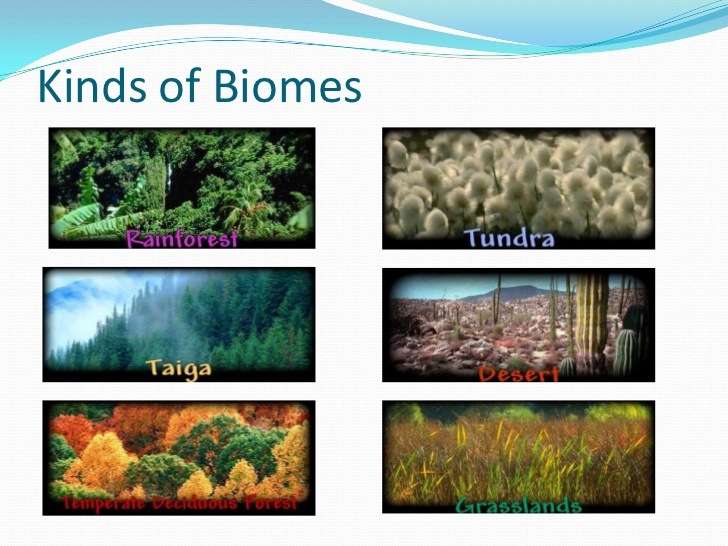
A large ecosystem is called a ______
a)
Ecosystem
b)
Habitat
c)
Biome
d)
Niche
61.
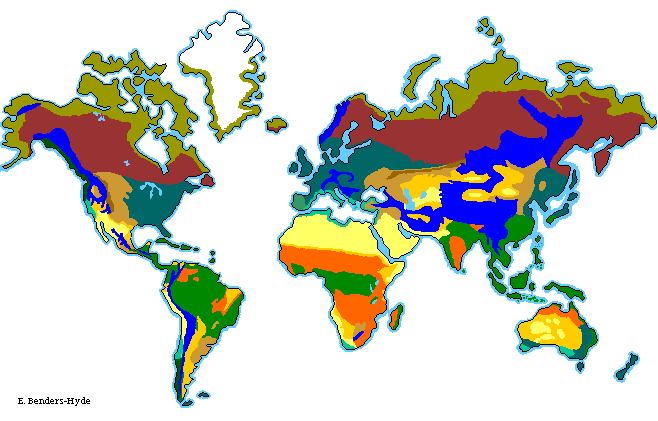
What is the main factor that separates the biomes?
a)
Land
b)
Water
c)
Climate
d)
Longitude
62.
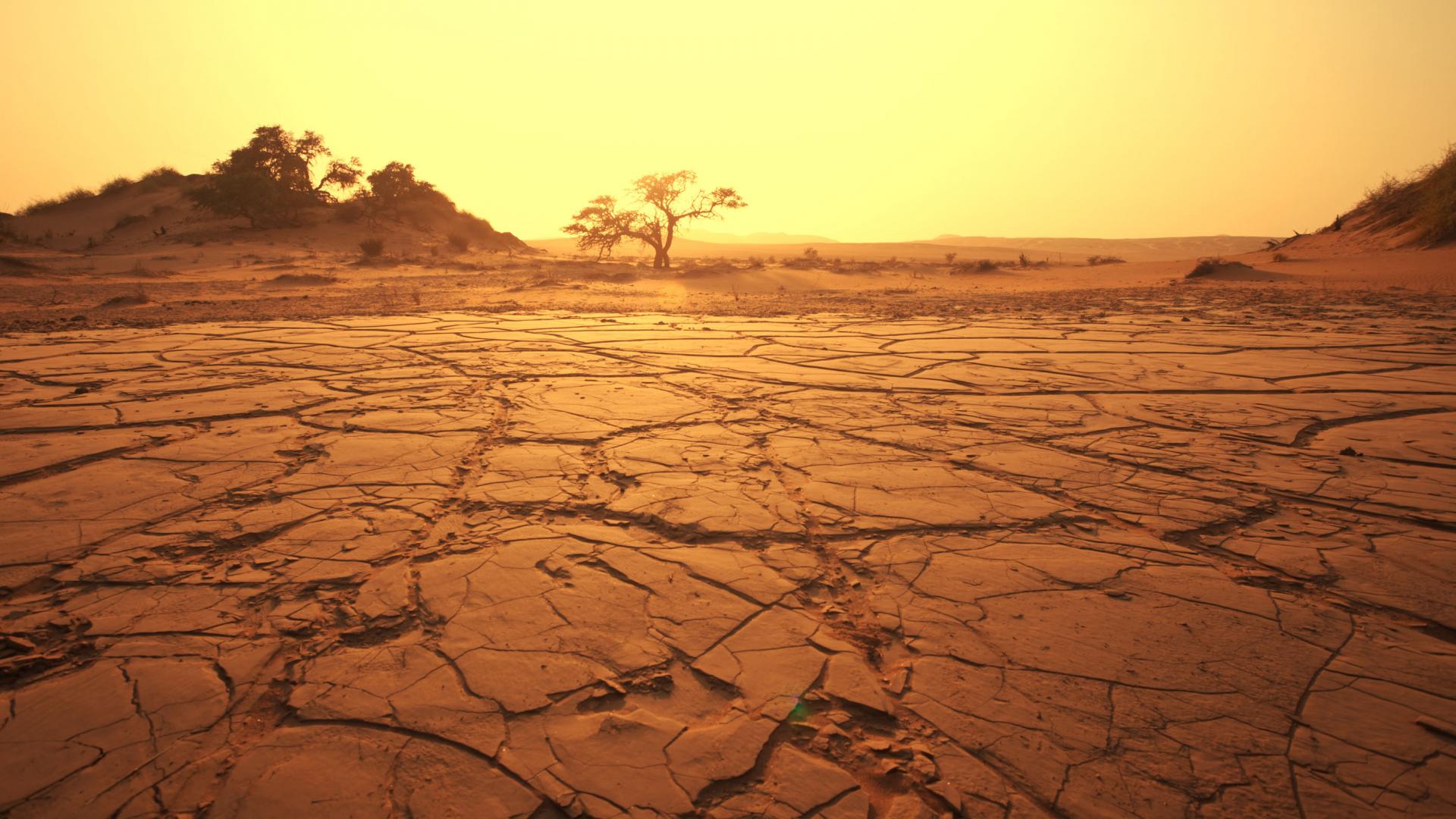
Which biome is the driest?
a)
Desert
b)
Tundra
c)
Taiga
d)
Rainforest
63.
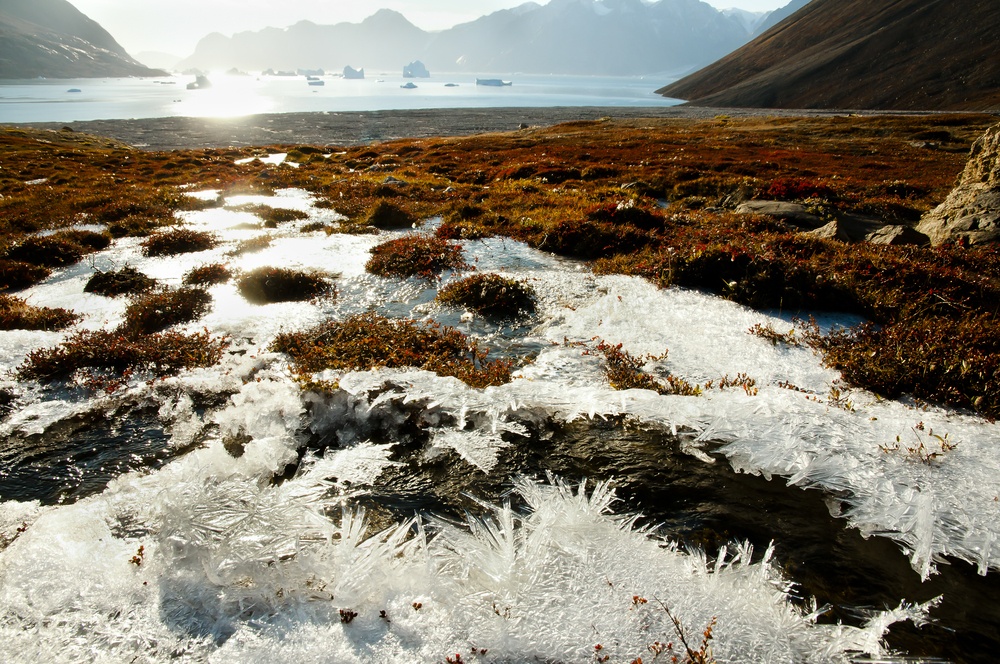
Which Biome has permafrost?
a)
Temperate Forest
b)
Rainforest
c)
Taiga
d)
Tundra
64.
Which biome has coniferous trees (which don't lose their leaves)?
a)
Taiga
b)
Temperate Forest
c)
Tundra
d)
Grasslands
65.
Which biome has wide-open fields of grass?
a)
Taiga
b)
Grasslands
c)
Temperate Forest
d)
Rainforest
66.
Which biome has the most variety of plants and animals?
a)
Temperate Forest
b)
Rainforest
c)
Tundra
d)
Grasslands
67.
Which biome has 4 seasons?
a)
Taiga
b)
Tundra
c)
Grasslands
d)
Temperate Forest
68.
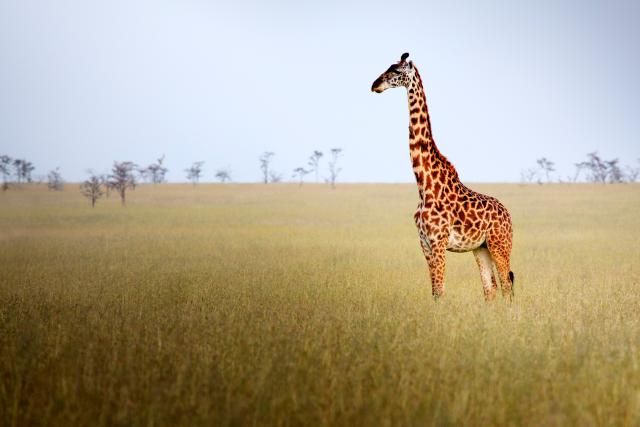
Which biome is home to lions, zebras, wildebeests, giraffes, and elephants?
a)
Grasslands
b)
Tundra
c)
Rainforest
d)
Temperate Forest
69.
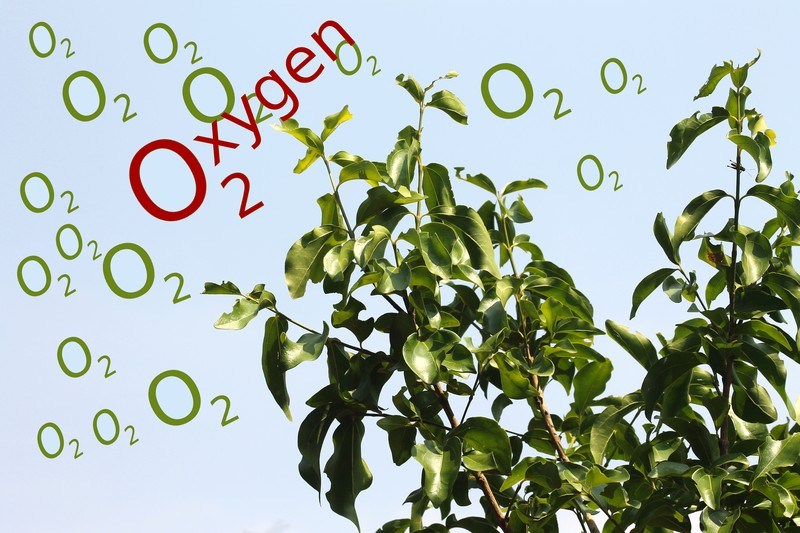
Which biome produces over 50% of the world's oxygen?
a)
Rainforest
b)
Temperate Forest
c)
Grasslands
d)
Taiga
70.
What aquatic biome is characterized by flowing fresh water?
a)
Lakes/Ponds
b)
Mangroves Swamps
c)
Rivers/Streams
d)
Coral Reefs
71.
Which of the following is the best definition for estuary?
a)
Narrow band of coastline that exists between high and low tide.
b)
Areas along the coast where fresh water from rivers mixes with salt water from the ocean.
c)
Flowing fresh water containing rapids.
d)
Freshwater aquatic areas that are saturated by water for at least part of the year.
72.
Which biome is pictured below?
a)
ocean
b)
freshwater
c)
coral reef 
d)
wetland
73.
Which watery biome has the highest concentration of salt?
a)
estuary
b)
wetland
c)
freshwater
d)
coral reef
74.
Which watery biome has the lowest concentration of salt?
a)
freshwater
b)
ocean
c)
coral reef
d)
wetland
75.
Aquatic biomes cover roughly how much of the Earth's surface
a)
10%
b)
25%
c)
50%
d)
75%
76.
Fresh water referrers to which of the following
a)
oceans, rivers, lakes
b)
ponds, rivers, oceans
c)
lakes, ponds,  streams
d)
streams, lakes, oceans
77.
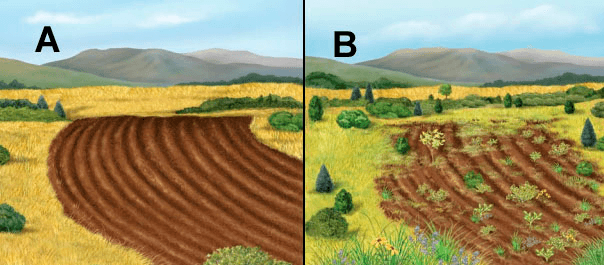
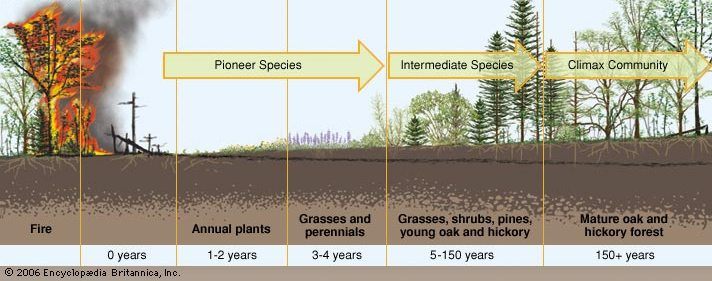
What type of succession is shown going from figure A to figure B?
a)
primary succession
b)
ecological succession
c)
secondary succession
d)
intermediate
78.
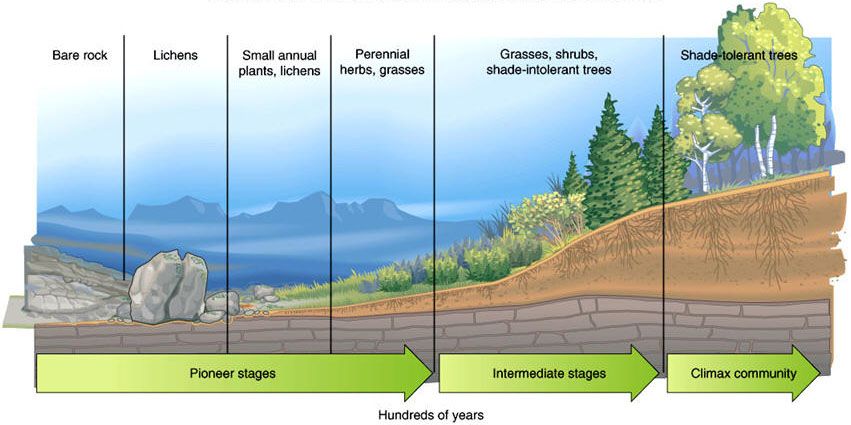
What is the goal of the pioneer species in Primary Succession?
a)
To kill the dead materials after a disaster
b)
To rebuild soil
c)
To feed Johnny
d)
To put fresh oxygen into the air
79.
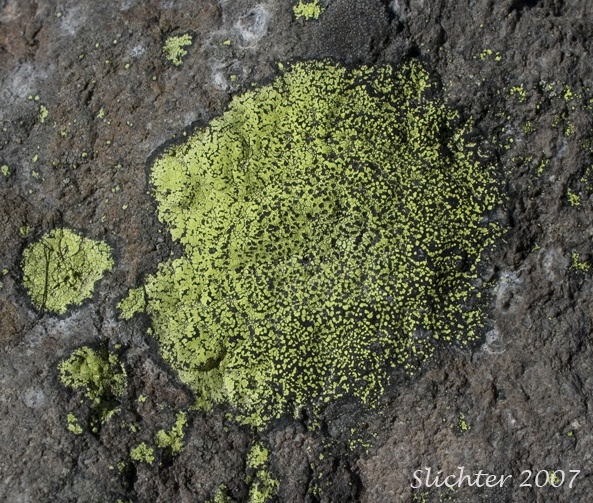
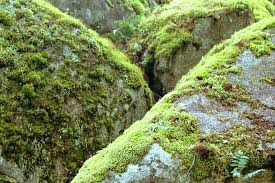
The picture shows what type of succession?
a)
primary
b)
secondary
c)
tertiary
d)
quadanary
80.
The picture shows what type of succession?
a)
primary
b)
secondary
c)
tertiary
d)
quadanary
81.
What is the name given to lichen or algae after a primary succession?
a)
pioneer species
b)
volunteer species
c)
founder species
d)
conqueror species
82.
What are examples of pioneer species in a primary succession?
a)
Bushes and Shrubs
b)
Oak trees
c)
Mossess and Lichens 
d)
A rose Bush
83.
What two factors are primarily used to describe climate?
a)
temperature and density
b)
temperature and precipitation
c)
precipitation and density
d)
winds and humidity
84.

During a(n) ____ event, trade winds are much stronger than usual.

a)

El Nino

b)

La Nina

c)

Normal

d)

Partly sunny

85.

Both El Nino and La Nina have this in common

a)

Influence birds that migrate over the ocean

b)

Influence rainy / dry weather world wide

c)

The weather at the polar regions

d)

The directions that ships travel in the oceans

86.

During an El Nino, trade winds are typically...

a)

about average

b)

stronger

c)

weaker

87.

The image is of a(n):

a)

El Nino event

b)

La Nina event

c)

Non-El Nino (normal conditions)

88.

The picture below is of a(n) ____ event.

a)

Non-El Nino (Normal)

b)

El Nino

c)

La Nina

89.

This animation represents which of the Milankovitch Cycles?

a)

Eccentricity

b)

Precession

c)

Obliquity

90.

This animation represents which of the Milankovitch Cycles?

a)

Eccentricity

b)

Precession

c)

Obliquity

91.

This animation represents which of the Milankovitch Cycles? (tilt of the Earth's axis)

a)

Eccentricity

b)

Precession

c)

Obliquity

92.
What is the water cycle?
a)
the 3 forms of water
b)
the movement of water on, above, or below the surface of the Earth
c)
when water melts
d)
when clouds form
93.
What part of the water cycle does this picture show?
a)
condensation
b)
precipitation
c)
evaporation
94.
Snow, sleet, hail, and rain are all examples of  ________________. 
a)
evaporation
b)
condensation
c)
accumulation
d)
precipitation
95.
What is it called when plants give off water vapor as a waste product?
a)
condensation
b)
evaporation
c)
sublimation
d)
transpiration
96.
All of the carbon in existence is continually recycled in the carbon cycle
a)
True
b)
False
97.
How is the burning of fossil fuels related to global warming?
a)
Magic
b)
Fuels are hot
c)
Greenhouse effect
d)
Photosynthesis
98.
Which of the following removes carbon from the atmosphere?
a)
Combustion
b)
Respiration
c)
Photosynthesis
d)
Death
99.
Which process converts carbon in the form of sugar into carbon dioxide gas?
a)
Bioremediation
b)
Photosynthesis
c)
Respiration
d)
Transpiration
100.

Which describes the relationship between plants and animals in the carbon cycle?

a)

Plants produce and release oxygen that animals need

b)

Plants produce and release carbon dioxide that animals need

c)

Animals produce and release oxygen that plants need

d)

Animals produce oxygen that plants turn into carbon dioxide