wayground logo

Free Printable Worksheets

Font size

S
M
L
XL
Worksheets

review for midterm

Total questions: 72

Worksheet time: 1hrs 9mins

Name
Class
Date
1.

It provides the cell with energy

a)

Vesicle

b)

Nucleus

c)

mitochondria

d)

Vacuole

2.
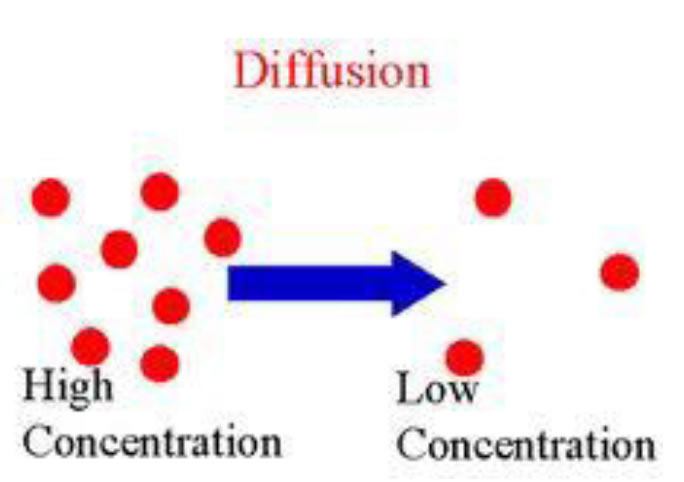
Movement of anything from an area of high concentration to low concentration.
a)
Diffusion
b)
Hypotonic
c)
Isotonic
d)
Passive Transport
3.
Movement of water from an area of high concentration to low concentration.  Diffusion of water.
a)
Exocytosis
b)
Osmosis
c)
Hypotonic
d)
Isotonic
4.
Movement of particles into a cell that does not require energy.  From high to low.
a)
Passive transport
b)
Hypotonic
c)
Isotonic
d)
Endocytosis
5.
What two elements make up water?
a)
Helium and oxygen
b)
Hydrogen and oxygen
c)
helium and carbon
d)
oxygen and carbon
6.
Nucleotides are made up of a sugar, phosphate, and..?
a)
nitrogenous base
b)
nucleic acid
c)
cholesterol
d)
fatty acid
7.
Non-meat examples of protein include
a)
broccoli, kale, carrots
b)
beans, legumes, eggs
c)
tofu, apples, spinach
8.
_ is/are used to build and repair muscle.
a)
carbohydrates
b)
fiber
c)
protein
d)
fat
9.
A balance that an organism maintains by regulating what goes into and out of the cell.
a)
Hypertonic
b)
Homeostasis
c)
Plasmolysis
d)
Hypotonic
10.
The release of large particles, often waste materials from the inside of the cell to the outside of the cell.
a)
Osmosis
b)
Exocytosis
c)
Endocytosis
d)
Diffusion
11.
What type of transport involves the movement of water from high to low concentrations?
a)
Diffusion
b)
Active Transport
c)
Facilitated Diffusion
d)
Osmosis
12.
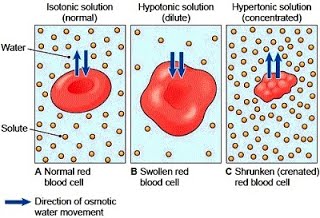
A cell with a 5% salt solution is placed into a beaker with a 10% salt solution.  What will happen to the cell?
a)
It will shrink
b)
It will swell
c)
No change
d)
Cytolysis
13.
A cell with a 10% salt solution is placed into a beaker with a 40% salt solution.  How will water move?
a)
It will leave the cell
b)
It will enter the cell
c)
It will move in and out equally
d)
There will be no movement
14.
A plant cell with a 20% salt solution is placed into a beaker with a 10% salt solution.  What will happen to the plant cell?
a)
Cytolysis
b)
Plasmolysis
c)
It will shrink
d)
It will swell
15.
Which activity can occur without the use of energy?
a)
contraction of muscle tissue
b)
protein synthesis in a cell
c)
active transport of minerals
d)
movement of water across a membrane
16.
Movement of particles from high to low concentration. 
a)
Passive Transport
b)
Active Transport
17.
a)
Passive Transport
b)
Active Transport
18.
Osmosis is a form of ______________. 
a)
Passive Transport
b)
Active Transport
19.
a)
Passive Transport
b)
Active Transport
20.

Which organelle is responsible making food (Glucose) using sunlight?

a)

Ribosomes

b)

Nucleus

c)

Chloroplast

d)

Mitochondria

21.

Select all that are raw materials for Photosynthesis.

a)

Water

b)

Carbon Dioxide

c)

Oxygen

d)

Sunlight (Light Energy)

e)

Glucose (Sugar/food)

22.

Select all that are products of Photosynthesis.

a)

Water

b)

Carbon Dioxide

c)

Oxygen

d)

Sunlight (Light Energy)

e)

Glucose (Sugar/food)

23.

Plants need ________ to conduct photosynthesis

a)

Oxygen

b)

Soil

c)

Carbon dioxide

d)

Sugar

24.
What are the products of photosynthesis (what is made)?
a)
Glucose and Chlorophyll
b)
Glucose and Oxygen
c)
Water and Light
d)
Carbon dioxide and Water
25.
Which of the following is the correct equation for PHOTOSYNTHESIS?
a)
CO+ light + H2O --> O+ Sugar
b)
CO+ sugar + H2O --> O+ light
c)
O2 + light + H2O --> CO+ Sugar
d)
CO+ O2 + H2O --> Light+ Sugar
26.
What is the ultimate ORIGINAL source of energy for living things
a)
Sugar
b)
Sun
c)
Moon
d)
Carbon Dioxide
27.
What is the pigment in chloroplasts that performs photosynthesis?
a)
Chlorosynthesis
b)
Chlorophyll
c)
ADP
d)
Electron Transport
28.
Which gas is removed from the atmosphere during photosynthesis?
a)
hydrogen
b)
oxygen
c)
nitrogen
d)
carbon dioxide
29.
What are the products of photosynthesis?
a)
water and carbon dioxide
b)
oxygen and glucose
c)
oxygen and carbon dioxide
d)
oxygen and water
30.
What is one of the reactants of cellular respiration?
a)
energy
b)
glucose
c)
carbon dioxide
d)
water
31.
What is the correct equation for cellular respiration?
a)
6O2 + C6H12O6 -> 6CO2 + 6H2O + Energy
b)
6O2 + C6H12O6 + Energy -> 6CO2 + 6H2O
c)
6CO2 + 6H2O -> 6O2 + C6H12O6 + Energy
d)
6CO2 + 6H2O + Energy -> 6O2 + C6H12O6
32.
Cellular Respiration's goal is to
a)
make water
b)
make ATP
c)
make glucose
d)
make  oxygen
33.
What gas is released into the air during cellular respiration?
a)
oxygen
b)
carbon dioxide
c)
water 
d)
glucose
34.
What are the reactants in cellular respiration?
a)
glucose and oxygen
b)
glucose and carbon dioxide
c)
water and carbon dioxide
d)
oxygen and glucose
35.

Which of the following organelles is responsible for cellular respiration?

a)

Mitochondria

b)

Nucleus

c)

Endoplasmic Reticulum

d)

Ribosome

36.

C6H12O6 is the chemical formula for

a)

Carbon Dioxide

b)

Water

c)

Oxygen

d)

Glucose

37.

O2 is the chemical formula for

a)

Oxygen

b)

Carbon Dioxide

c)

Glucose

d)

Water

38.

Where do animals get the oxygen and glucose they need for cellular respiration?

a)

Plants

b)

Mitochondria

c)

Sun

d)

other animals

39.
The purpose of cellular respiration is to 
a)
make water
b)
make ATP
c)
make glucose
d)
make  oxygen
40.
What organelle controls and regulates cellular activity?
a)
Ribosome
b)
Nucleus
c)
Mitochondria
d)
Lysosome 
41.
The major function of ribosomes is to
a)
Make fats
b)
Synthesize protein
c)
Digest protein
d)
Make sugars
42.
The ____________ packages and processes material before it exports out of the cell.
a)
Vacuoles
b)
mitochondria
c)
Golgi apparatus 
d)
nucleus 
43.
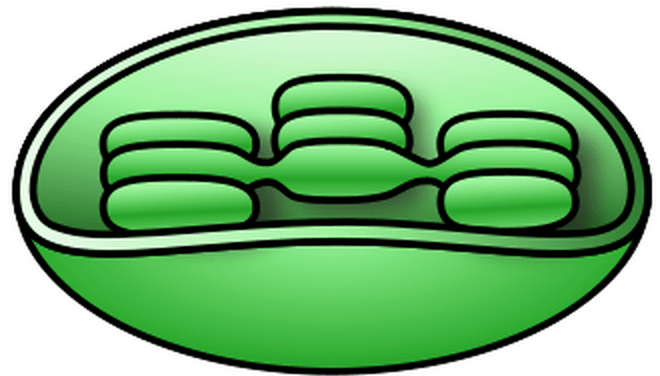
What is the name and function of the organelle displayed above?
a)
Mitochondria: breakdown glucose and produce ATP
b)
Chloroplast: converts solar energy into chemical energy
c)
Vacuole: Stores H2O, salt, food
d)
Nucleus: stores genetic information
44.
Which structure would be found in a grass cell but NOT on your cell?
a)
cell wall
b)
nucleus
c)
mitochondria 
d)
vacuoles 
45.
I am only found in a plant cell. What am I?
a)
cell wall
b)
mitochondria
c)
cytoplasm
d)
chloroplast
46.
What organelle is called the "powerhouse" of a cell?

a)
Endoplasmic Reticulum
b)
Nucleus
c)
Mitochondria
d)
Nucleolus
47.
Controls what enters/leaves a cell
a)
cell membrane
b)
Nuclear membrane
c)
cell wall
d)
cytoplasm
48.
Getting goose bumps in order to keep your body warm to maintain an internal balance
a)
response to surroundings
b)
homeostasis
c)
reproduction
d)
made of cells
49.
That boy shot up 5 inches in only one year
a)
homeostasis
b)
reproduction
c)
growth and development
d)
made of cells
50.
What are the smallest units that carry on the functions of life?
a)
reproduction
b)
made of cells
c)
response to surroundings
d)
energy use
51.
What is an organsm?
a)
a reaction
b)
all animals
c)
the sun
d)
any living thing
52.
A _______ is the basic unit of living things.
a)
vacuole
b)
nutrient
c)
cell
d)
brain
53.
This is a jellylike substance that fills much of the cell.
a)
cell membrane 
b)
cytoplasm 
c)
chloroplast
d)
vaculoe 
54.
Made of monomers of amino acids
a)
Carbohydrates 
b)
Lipids
c)
Proteins 
d)
Nucleic Acids
55.
Made of monomers of monosaccharides
a)
Carbohydrates
b)
Lipids
c)
Proteins
d)
Nucleic Acids
56.
Made of monomers of nucleotides
a)
Carbohydrates
b)
Lipids
c)
Proteins
d)
Nucleic Acids
57.
Made of glycerol and fatty acids
a)
Carbohydrates
b)
Lipids
c)
Proteins
d)
Nucleic Acids
58.
Include sugars (ex. glucose) and starches
a)
Carbohydrates
b)
Lipids
c)
Proteins
d)
Nucleic Acids
59.
Includes DNA and RNA
a)
Carbohydrates
b)
Lipids
c)
Proteins
d)
Nucleic Acids
60.
Provide quick energy 
a)
Carbohydrates
b)
Lipids
c)
Proteins
d)
Nucleic Acids
61.
Waterproofs, insulates, and stores energy long-term
a)
Carbohydrates
b)
Lipids
c)
Proteins
d)
Nucleic Acids
62.
A biological substance that speeds up a chemical reaction.
a)
sugar
b)
enzyme
c)
cellulose
d)
lipid
63.
What is the function of proteins?
a)
store genetic information
b)
store energy (long-term)
c)
store energy (short-term)
d)
build skin, hair, nails, muscles
64.
Another word for a building block is a __________________.
a)
polymer
b)
monomer
c)
dimer
65.
The 3 categories of carbohydrates are:
a)
Monosaccharide, disaccharide, polysaccharide
b)
glucose, fructose, galatose
c)
starch, cellulose, chitin
d)
There are no categories of carbohydrates
66.

Proteins contain

a)

Hydrogen

b)

Carbon

c)

Oxygen

d)

Nitrogen

e)

Phosphorous

67.
The element _______is found in all of the organic compounds.
a)
Iron
b)
Nitrogen
c)
Carbon
d)
Oxygen
68.
Which biomolecule is this a picture of?
a)
Protein
b)
Nucleic Acid
c)
Lipid
d)
Carbohydrate
69.
Which biomolecule includes pastas and breads?
a)
Lipid
b)
Protein
c)
Nucleic Acid
d)
Carbohydrate
70.
Which biomolecule contains your genetic code?
a)
Carbohydrate
b)
Lipid
c)
Nucleic Acid
d)
Protein
71.
The molecule in the diagram is the basis of which organic molecule?
a)
carbohydrate
b)
nucleic acid
c)
protein
d)
lipid
72.
Glucose is an example of a:
a)
Carbohydrate
b)
Lipid
c)
Protein
d)
Nucleic Acid