
 Worksheets
Classification of Plants
Total questions: 45
Worksheet time: 48mins
Which list includes only plants classified as non-seed producers?
carrot, fern, tomato
moss, fern, liverwort
pine tree, carrot, tomato
oak tree, moss, water lily
The non-seed producing plants are: ______, _________, and ___________. These plants produce spores instead of seeds.
moss,
fern,
liverwort
sunflowers
dogwood tree
Plants can be flowering or non-flowering. Plants can reproduce using seeds or spores. This pea plant reproduces using ...
spores
seeds
stems
leaves

How can we sort the three plants seen here into two groups?
tall or short
seeds or no seeds
land or water
woody or non woody

The three plants seen here can be sorted into two groups. Which group listed makes the most sense.
tall or short
land and water
seeds and no seeds
nonvascular and vascular
What kinds of trees lose their leaves?
deciduous
evergreen
nonvascular
nonwoody

Your teacher has asked you to sort plants into groups. You make two groups: woody and non-woody. What plants, seen here, would you put in the non-woody group?
A
B
C
A and B

Which statement is true about the image above?
A and B have spores, while C has seeds.
A and C have seeds, while B has spores.
A and B have seeds, while C has spores.
A has seeds, B and C have spores.
Choose all that are true for moss plants
vascular
non-vascular
seed bearing
use spores to reproduce
non-flowering
Plants such as peas, beans, tomatoes, and squash can be labeled as ....
flowering, vascular, seed bearing
non-flowering, non-vascular, spores
non-flowering, vascular, spores
flowering, non-vascular, seed bearing
Fruits contain ....
leaves
stems
seeds
roots

Carmen classified a list of trees into two groups. What two titles could be used for Groups 1 and 2?
needles and leaves
tap roots and fibrous roots
flowering and non flowering
seed producers and non-vascular
Sunflower plants are ...
flowering.
invertebrates.
nonflowering.
vertebrates.

Which group or groups does this plant belong in?
seeds, non-vascular, and needles
vascular, flowering, and needles
vascular, seeds, and needles
nonvascular, seeds, and needles

What kind of tree is a fir tree?
deciduous
evergreen
nonvascular
nonwoody
How is a seed related to the adult plant it came from?
the adult plant does not produce seeds
the seed has the adult plant inside of it
the seed has the potential to become an adult plant
the seed and adult plant both have roots, stems, and leaves


Which plant below would scientist group with watermelon plants?
fern
rose
pine tree
apple tree

Classify the plant.
Flowering
Non-Flowering
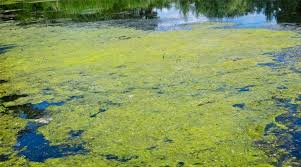
Algea
Flowering
Non Flowering
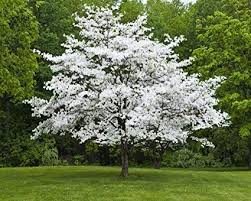
Dogwood Tree
Flowering
Non Flowering

Is a fern classified as a seed or non-seed plant?
seed plant
non-seed plant
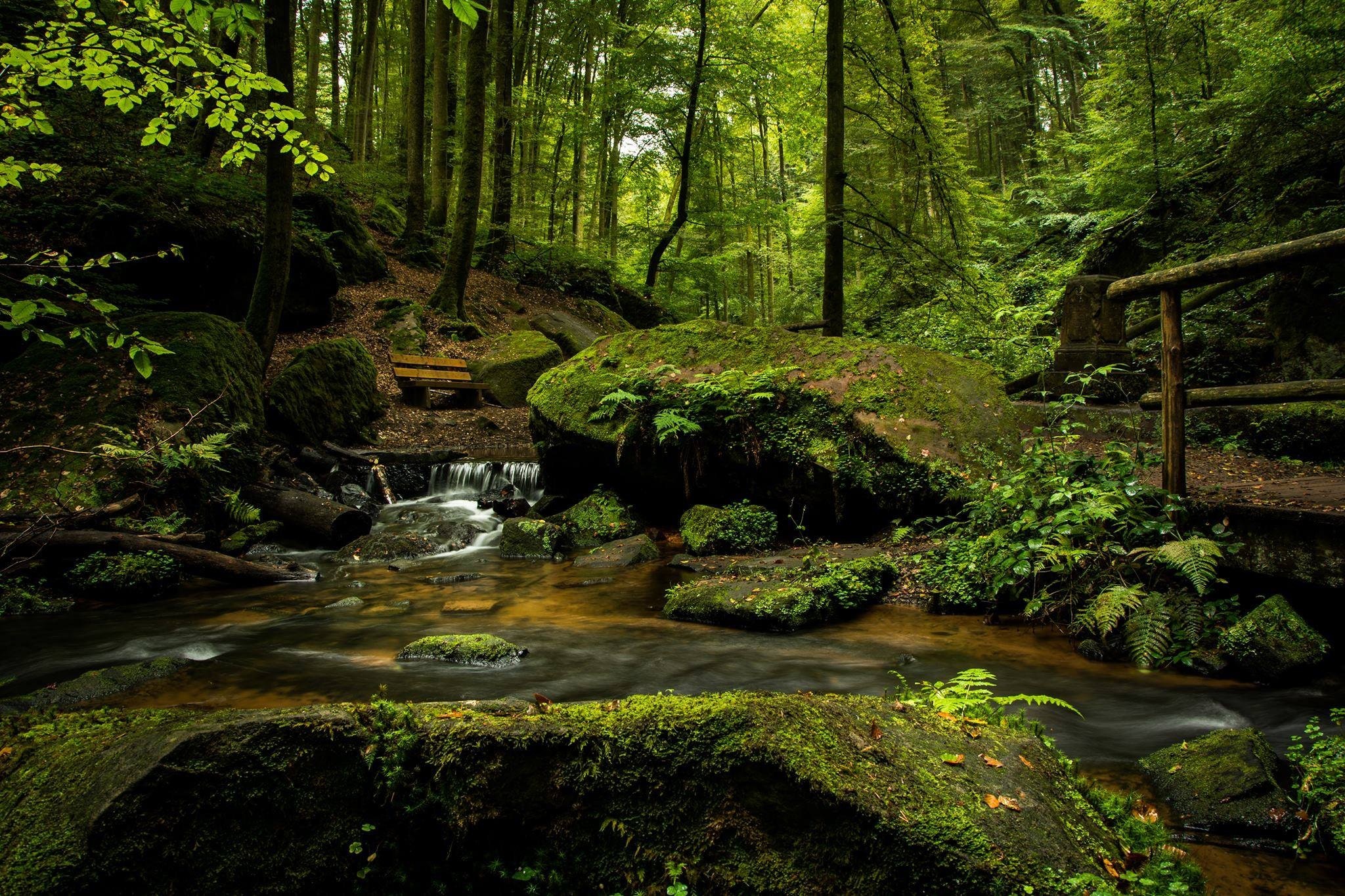
Does the moss in this picture reproduce using seeds?
yes
no
Using water from the soil, carbon dioxide from the air, and energy from the sun to make food
classification
xylem
photosynthesis
fertilization

In which type of plant does water/food move through xylem and phloem?
seed plants
vascular plants
non-vascular
both vascular and non-vascular

Non-vascular plants do not have roots, stems, or leaves. Which is a non-vascular plant?
fern
moss
ivy vine
tree
Seedless vascular plants reproduce by...
Seeds
Spores
Pollen
Rhyzoid
Seedless vascular plants have real roots, stems and leaves.
True
False


