wayground logo

Free Printable Worksheets

Font size

S
M
L
XL
Worksheets

Life Science 1st semester AD 2020 (Review Machin )

Total questions: 188

Worksheet time: 3hrs 28mins
Name
Class
Date
1.
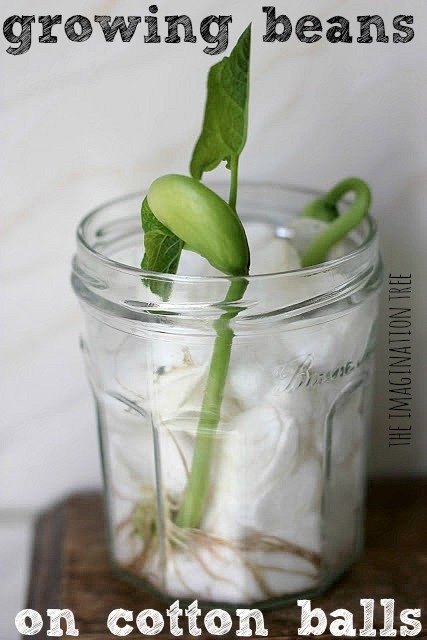
Stephen predicted that "seeds would start to grow faster if an electric current traveled through the soil in which they were planted."
a)
recognize a problem
b)
test the hypothesis with an experiment
c)
form a hypothesis
d)
draw conclusions  
2.
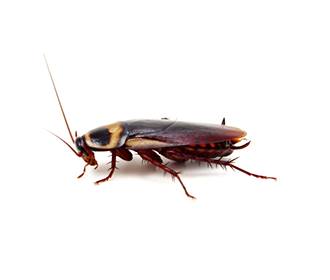
Johathan’s data showed that household cockroaches moved away from raw cucumber slices.
a)
recognize a problem
b)
test the hypothesis with an experiment
c)
form a hypothesis
d)
draw conclusions
3.
Kathy used a survey to determine how many of her classmates were left-handed and how many were right-handed.
a)
recognize a problem
b)
test the hypothesis with an experiment
c)
form a hypothesis
d)
draw conclusions
4.
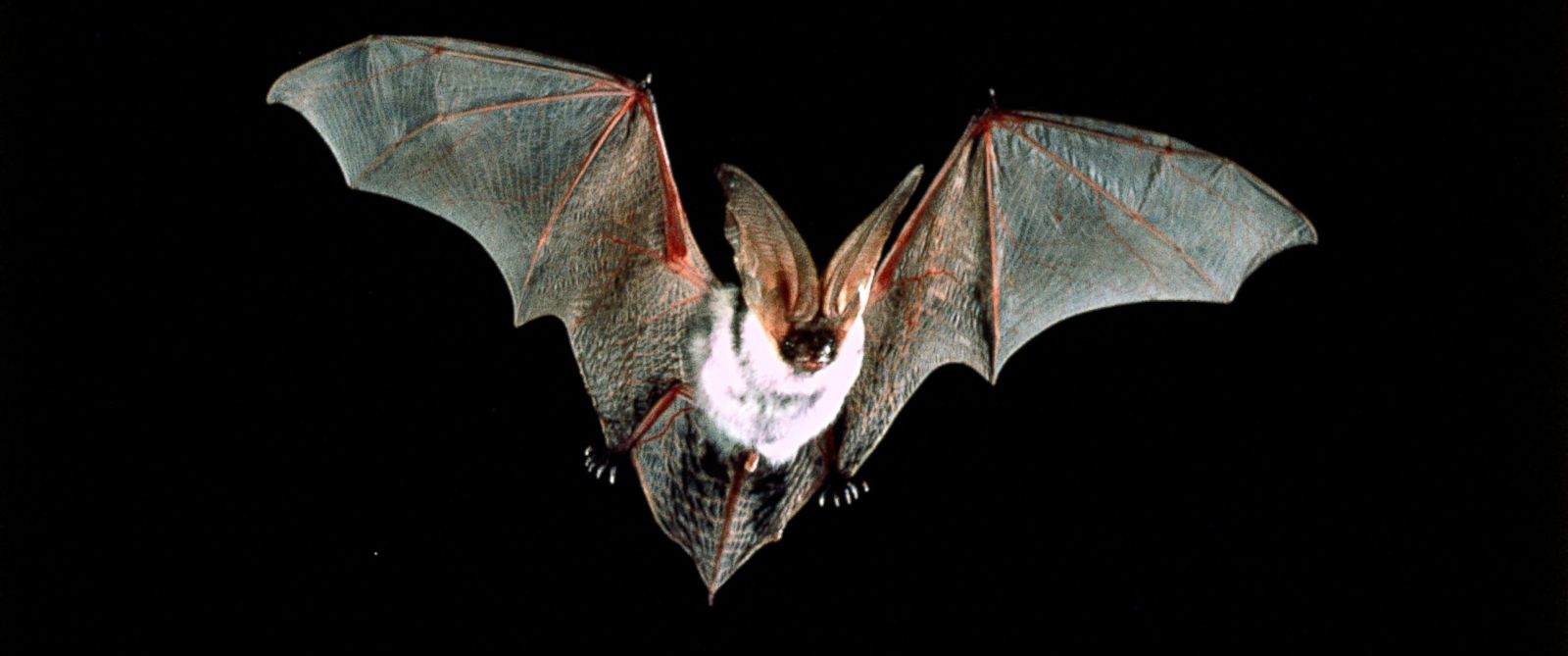
Jose saw bats catching insects after dark.  He asked, “How do bats find insects in the dark?”
a)
recognize a problem
b)
test the hypothesis with an experiment
c)
form a hypothesis
d)
draw conclusions
5.
Arjulia soaked six different kinds of seeds in water for 24 hours.  Then she planted the seeds in soil at a depth of 1 cm.  She used the same amount of water, light, and heat for each kind of seed.
a)
recognize a problem
b)
test the hypothesis with an experiment
c)
form a hypothesis
d)
draw conclusions
6.
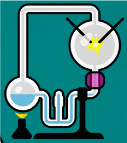
This experiment was conducted by the scientists:
a)
Stanley Miller and Harold Urey
b)
Harold Urey and Albert Einstein
c)
Louis Pasteur and Francesco Redi
d)
James Watson and Francis Crick
7.
Which question were the scientists trying to answer with this experiment?
a)
Where do cells come from?
b)
How did prokaryotes form cell membranes?
c)
How are biomolecules formed?
d)
What gave rise to the Eukaryotic cell?
8.
The apparatus in the experiment was used to mimic what?
a)
Proteins
b)
Present Earth conditions
c)
Early Earth conditions
d)
Nucleic acids (DNA/RNA)
9.
Which type of cell came first?
a)
Eukaryotic
b)
Prokaryotic
c)
Plant
d)
Both Eukaryotic and Prokaryotic cells evolved around the same time
10.
The theory of Endosymbiosis explains...
a)
The origin of eukaryotes
b)
How species develop
c)
How bacteria evolved
d)
Why cells rely on one another
11.
What two groups are needed in an experiment?
a)
First and Second
b)
Control and Experimental
c)
Theory and Law
d)
Independent and Dependent
12.
All rabbits living in a particular area would be an example of a(n)
a)
population
b)
species
c)
fossil
d)
individual organism
13.
What do we call change over time?
a)
Evolution
b)
Natural Selection
c)
Natural Variation
d)
Speciation
14.
Changes in a body to fit a location.
a)
Variation
b)
Adaptation
c)
Behavior
d)
Environment
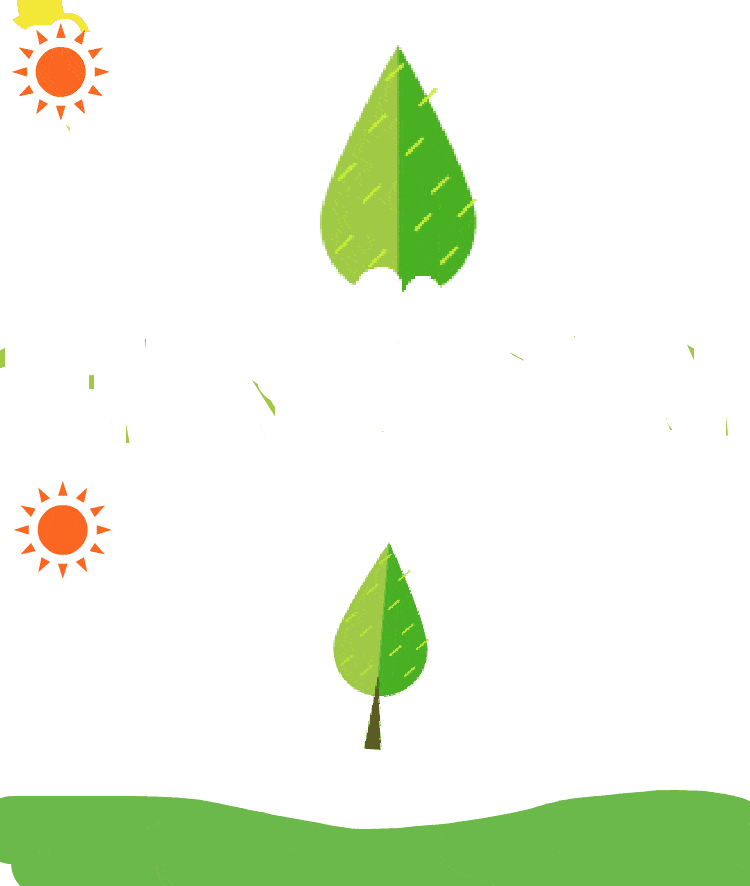
15.
Endosymbiosis gave rise to which organelle(s)?
a)
Golgi bodies
b)
Chloroplasts and Mitochondria
c)
Ribosomes and Nuclei
d)
The rough and smooth endoplasmic reticulum
16.
Which invention from the 17th century allowed for the development of modern cell theory?
a)
x-rays
b)
computers
c)
the light microscope
d)
the scanning electron microscope
17.
Cell theory was first proposed in 1838. Evidence obtained through additional scientific investigations resulted in the current cell theory. Which statement describes a component of the original cell theory that was removed because of the new scientific knowledge?
a)
 All living things are made of cells.
b)
All cells come from other preexisting cells.
c)
Cells form through spontaneous generation.
d)
 Cells are the basic structural and functional units of life.
18.
Cell theory states:
a)
All living cells must have a cell wall.
b)
 All living cells require glucose for survival.
c)
The basic unit of life is a cell.
d)
All cells contain a nucleus
19.
Unlike eukaryotes, prokaryotes do not have:
a)
DNA
b)
cytoplasm
c)
cell walls
d)
a membrane bound nucleus
20.
The smallest unit that can perform the basic activities of life is
a)
a cell 
b)
a tissue
c)
an organ
d)
an organism
21.
Rocks are not living because
a)
they never move
b)
they aren't needed for humans
c)
they are not made of cells
d)
they don't break down
22.
Choose the correct order of organization from smallest to largest
a)
Species--> Population--> Community--> Ecosystem-->Biosphere
b)
Community--> Species--> Population--> Biosphere --> Ecosystem
c)
Ecosystem--> Community--> Species--> Population--> Biosphere 
d)
Population-->Species--> Community--> Ecosystem-->Biosphere
23.
A group of tissues that work together to perform a similar function is called_____. (Examples include the heart, lungs or stomach)
a)
cells
b)
tissues
c)
organs
d)
organ system
24.
 A group of cells that have similar functions? Examples are nervous, epithelial, muscle and connective
a)
cells
b)
tissues
c)
organs
d)
atoms
25.
When many organ systems work together it can form...
a)
organ
b)
cells
c)
organ system
d)
organism 
26.
All the living things on earth make up the
a)
geosphere
b)
hydrosphere
c)
biosphere
d)
atmosphere
27.
Which of the following is NOT a biomolecule?
a)
Water
b)
Nucleic Acid
c)
Protein
d)
Lipid
28.
What is the monomer for a protein?
a)
Monosaccharide
b)
Triglyceride
c)
Amino Acid
d)
Nucleotide
29.
What is the functions of lipids?
a)
Quick source of energy
b)
Builds muscles, skin, enzymes
c)
Stores genetic information
d)
Stores energy, insulation, protection
30.
Which of the following is an example of a nucleic acid?
a)
Glucose
b)
Phospholipid
c)
Enzymes
d)
DNA
31.
Lipids are made of
a)
monosaccharides
b)
amino acids
c)
glycerol and 3 fatty acids
d)
nucleotides
32.
Which class of biomolecule is used to make cell membranes?
a)
Carbohydrate
b)
Lipid
c)
Protein
d)
Nucleic acid
33.
Nucleotides are monomer for
a)
Nucleic Acids
b)
Proteins
c)
Carbohydrates
d)
Lipids
34.
A monomer is ...
a)
a single atom
b)
a building block for polymers
c)
a single element
d)
is an inorganic molecule
35.
An organism that produces its own food supply from inorganic compounds is called a(an)
a)
heterotroph
b)
consumer
c)
detritivore
d)
autotroph
36.
What is the original source of almost all energy in most ecosystems?
a)
carbohydrates
b)
sunlight
c)
water
d)
carbon
37.
What is the term for each step in the transfer of energy and matter within a biological community?
a)
energy path
b)
food web
c)
trophic level
d)
food pyramid
38.
Autotrophs make up the _______ level in all ecosystems.
a)
First
b)
Second
c)
Third
d)
Fourth
39.
symbiotic relationship in which both organisms benefit
a)
competition
b)
Mutualism
c)
nitrogen fixation
d)
energy pyramid
40.
A living relationship between two species in which one organism is harmed is called...
a)
mutualism
b)
commensalism
c)
parasitism
d)
niche
41.
What does a food web represent?
a)
All connections of energy flow throughout all organisms in a habitat.
b)
The specific ways that mutualism is carried out.
c)
A single pathway or energy flow between organisms. 
d)
How carnivores get their food. 
42.
The image provided is an example of a(n):
a)
Carnivore
b)
Herbivore
c)
Producer
d)
Autotroph
43.
The image provided is an example of a(n):
a)
Producer
b)
Autotroph
c)
Consumer
d)
Insect
44.
The amount of energy that usually transfers from one trophic level to the next...
a)
10%
b)
20%
c)
80%
d)
50%
45.
An illustration that uses arrows to show the many possible directions in which matter and energy can pass through the organisms in an ecosystem.
a)
Food chain
b)
Food web
c)
Energy Pyramid
d)
Succession Map
46.
The nonliving aspects of an ecosystem.
a)
Abiotic factors
b)
Biotic factors
47.
The living portions of the ecosystem.
a)
Biotic factors
b)
Abiotic factors
48.
A place where an organism lives.
a)
Terrain
b)
Habitat
c)
Community
d)
Population
49.
A collection of organisms that make up a community as well as all of the nonliving aspects of the environment.
a)
Population
b)
Community
c)
Habitat
d)
Ecosystem
50.
Organisms that can capture energy from inorganic, nonliving sources.
a)
Producers
b)
Consumers
c)
Detritivores
d)
Carnivores
51.
Organisms that feed on both living producers and other consumers.
a)
Carnivores
b)
Omnivores
c)
Herbivores
d)
Detritivores
52.
Different populations living and interacting with each other in the same area
a)
Biome
b)
Ecosystem
c)
Community
d)
Niche
53.
This organism draws its nutrients from dead organisms as it releases enzymes to cause the organisms to break down and break apart. Is it a...
a)
Producer
b)
Consumer
c)
Decomposer
54.
This organism is microscopic and
lives in soil. It feeds off of dead
and dying organisms, creating
carbon and nitrogen, which is
sent back into the soil to be used
over. Is it a...
a)
Producer
b)
Consumer
c)
Decomposer
55.
Fungi. Is it a...
a)
Producer
b)
Consumer
c)
Decomposer
56.
What molecule absorbs sunlight for photosynthesis?
a)
chloroplast
b)
thylakoid
c)
grana
d)
chlorophyll
57.
The raw materials or reactants of photosynthesis are
a)
sugar and water.
b)
sugar and oxygen.
c)
sunlight, carbon dioxide and water.
d)
carbon dioxide and oxygen.
58.
What are the products of photosynthesis?
a)
Carbon dioxide and water
b)
Carbon dioxide and oxygen
c)
Glucose and oxygen
d)
Glucose and water
59.
Where does photosynthesis occur?
a)
mitochondria
b)
stomata
c)
xylem
d)
chloroplast
60.
Where does cellular respiration take place in the cell?
a)
Cell Membrane
b)
Nucleus
c)
Mitochondria
d)
Vacuole
61.
What is the purpose of cellular respiration?
a)
to break down food
b)
to create energy in the body
c)
to release energy from food
d)
there is none; it's a waste of time
62.
This process does not make ATP alone, but it allows glycolysis to continue making ATP when oxygen is unavailable for cellular respiration.
a)
Fermentation
b)
Electron Transport Chain
c)
Glycolysis
d)
Kreb's cycle
63.
This is referred to as the energy currency of the cell
a)
ADP
b)
ATP
c)
Mitochondria
d)
Nucleus
64.
This process releases chemical energy from sugars and other carbon-based molecules to make ATP when oxygen is present.
a)
photosynthesis
b)
light-independent reaction
c)
cellular respiration
d)
light-dependent reaction
65.
Glucose is broken down during which process
a)
Krebs cycle
b)
Calvin cycle
c)
Glycolysis
d)
Photosynthesis
66.
Glycolysis takes place in the 
a)
mitochondria
b)
cell membrane
c)
cytoplasm
d)
nucleus
67.
In what parts of the chloroplast do the two phases of photosynthesis occur?
a)
Light phase in the grana, Dark phase in the stroma.
b)
Light phase occurs in the stroma, Dark phase in the grana
c)
Both occur in the mitochondria
d)
Both occur in the grana
68.
Which sequence of DNA bases would pair with this partial strand
ATG TGA CAG
a)
ATG TGA CAG
b)
TAC ACT GTC
c)
GTA AGT GAC
d)
CAT TCA CTG
69.
Nitrogenous bases are joined by which type of bond?
a)
polar bonds
b)
ionic bonds
c)
covalent bonds
d)
hydrogen bonds
70.
The enzyme that unzips the DNA to prepare for replication
a)
helicase
b)
replicase
c)
polymerase
d)
synthase
71.
In what phase of the cell cycle does DNA replication take place?
a)
G1
b)
S
c)
G2
d)
M
72.
DNA replication results in two DNA molecules,
a)
each one with two original strands
b)
each one with two new strands
c)
each one with one new strand and one original strand
d)
one with two new strands and the other with two original strands
73.
Chromatid pairs line up in the middle of the cell.
a)
Metaphase
b)
Telophase
c)
Anaphase
d)
Interphase
74.
Chromatid pairs separate and move to opposite ends of the cell
a)
Metaphase
b)
Telophase
c)
Interphase
d)
Anaphase
75.
Chromosomes duplicate, the cell grows and develops
a)
Metaphase
b)
Telophase
c)
Interphase
d)
Anaphase
76.
Chromatid pairs can be seen, spindle fibers form and nuclear membrane disappears
a)
Metaphase
b)
Telophase
c)
Anaphase
d)
Prophase
77.
How many chromosomes does a human cell have?
a)
42
b)
46
c)
24
d)
64
78.
How many daughter cells are produced in mitosis?
a)
1
b)
2
c)
4
d)
6
79.
What process does a multi-cellular organism use to replace its damaged body cells?
a)
mitosis
b)
meiosis
c)
replication
d)
transcription
80.
a)
Cytokinesis
b)
Interphase
c)
Anaphase
d)
Metaphase
81.
a)
Cytokinesis
b)
Anaphase
c)
Telophase
d)
Prophase
82.
What is shown in the picture?
a)
Mitosis
b)
Interphase
c)
Cytokinesis
83.
What causes genetic variation in meiosis?
a)
chromosomes lining up
b)
crossing over of chromosomes
c)
separation of chromosomes
d)
chromosomes pulling apart
84.
The process of crossing over occurs in what phase of meiosis?
a)
anaphase 1
b)
prophase 1
c)
prophase 2
d)
telophase 1
85.
What phase is represented?
a)
metaphase 1
b)
metaphase 2
c)
anaphase 1
d)
anaphase 2
86.
Which cellular process is shown?
a)
meiosis
b)
endocytosis
c)
mitosis
d)
phagocytosis
87.
What is the longest stage of the cell cycle called?
a)
Cytokinesis
b)
M phase
c)
Interphase
d)
G1 Phase
88.
During what stage does the G1, S and G2 phases happen?
a)
Interphase
b)
M phase
c)
Mitosis
d)
Cytokinesis
89.
During which stage of the cell cycle does mitosis and cytokinesis occur?
a)
Interphase
b)
S phase
c)
M phase
d)
G1 phase
90.
During what phase of the cell cycle does the cell grow?
a)
G1 phase
b)
S phase
c)
M phase
d)
Cytokinesis
91.
During which phase of the cell cycle does the cell spend the most time?
a)
Mitosis
b)
Cytokinesis
c)
Interphase
92.
What is the genotypic ratio here
a)
TT = 25% Tt= 50% tt=25%
b)
all tall
c)
TT= 75% tt = 25%
d)
Tt = 100%
93.
How many boxes would say BB?
a)
1
b)
2
c)
4
d)
0
94.
Which of the following is a phenotype?
a)
Aa
b)
red hair
c)
heterozygous
d)
DNA
95.
This is an example of ___________?
a)
Incomplete dominance
b)
Co-Dominance
96.
A red flowered plant (RR) breeds with a White flowered plant (WW). The gene for petal color in these plants expresses incomplete dominance.  What percentage of the offspring will have pink (RW) flowers?
a)
0%
b)
25%
c)
50%
d)
100%
97.
An allele that is hidden when the dominant allele is present.
a)
Dominant Allele
b)
Gene
c)
Recessive Allele
d)
Probability
98.
G = green, g = yellow
The genotype for a yellow plant is...
a)
GG
b)
Gg
c)
gg
d)
all of the choices result in yellow
99.
What allele combination should go in the missing box?
a)
AA
b)
Aa
c)
aa
d)
none of these
100.
If B = brown hair and b = blonde hair, what is the probability of brown hair?
a)
25%
b)
50%
c)
0%
d)
75%
101.

Biologists have found that a form of deafness is a recessive trait in dogs. If a female dog that is heterozygous for the trait mates with a male dog that is deaf, what percent of their offspring will be deaf?

a)

0%

b)

50%

c)

75%

d)

100%

102.
What are small stretches of DNA that code for traits
a)
Nucleus
b)
Chromosomes
c)
Gene
d)
Centromeres
103.
How many chromosomes do you get from each parent?
a)
22
b)
23
c)
44
d)
46
104.
The genetic transmission (passing on) of characteristics from parents to offspring.
a)
Inheritance
b)
Genotype
c)
Phenotype
d)
Genetics
105.
The possible variations of alleles (in chromosomes) for a particular trait within an individual.
a)
Inheritance
b)
Genotype
c)
Phenotype
d)
Genetics
106.
Expression of the genotype which depends on both your genotype and environment
a)
Inheritance
b)
Genotype
c)
Phenotype
d)
Genetics
107.
A trait that requires only ONE allele to be present for its expression in a heterozygote
a)
Dominant
b)
Recessive
c)
Pure Breeding
d)
Hybrid
108.

Where does TRANSCRIPTION occur?

a)

Nucleus

b)

Ribosome

c)

Cytoplasm

d)

Mitochondria

109.

On which molecule can an anticodon be found?

a)

mRNA

b)

DNA

c)

tRNA

d)

rRNA

110.

A polypeptide is a sequence of ____________________ held together by a ______________ bond.

a)

amino acids; peptide

b)

fatty acids; ionic

c)

proteins; hydrogen

d)

fatty acids; covalent

111.
What is a series of events a cell goes through as they grow and divide?
a)
Cell Division
b)
Cell Cycle
c)
Cytokinesis
d)
Mitosis
112.
During what phase of the cell cycle is DNA replicated?
a)
G1 phase
b)
S phase
c)
G2 phase
d)
M phase
113.
During what phase of the cell cycle does the cell prepare for mitosis?
a)
G1 phase
b)
S phase
c)
G2 phase
d)
M phase
114.
How many stages are in mitosis?
a)
1
b)
2
c)
3
d)
4
115.
Put the following stages of the cell cycle in order: G2, S, G1, M. 
a)
G1, S, G2, M
b)
S, G1, G2, M
c)
G1, M, G2, S
d)
M, G1, S, G2
116.
Put the following in order: G2, G1, S, mitosis, cytokinesis. 
a)
G1, G2, S, Mitosis, cytokinesis
b)
G1, S, G2, Mitosis, cytokinesis
c)
G1, G2, S, cytokinesis, mitosis
d)
G1, S, G2, cytokinesis, mitosis
117.
Put the following actions in order: DNA replicates, cell grows, cell divides, cell prepares for mitosis. 
a)
DNA replicates, cell grows, cell prepares for mitosis, cell divides
b)
cell grows, cell prepares for mitosis, DNA replicates, cell divides
c)
cell grows, DNA replicates, cell prepares for mitosis, cell divides
d)
DNA replicates, cell prepares for mitosis, cell grows, cell divides
118.
Why would it be important to replicate DNA before a cell divides in mitosis or meiosis?
a)
In order for genetic information to be transferred into daughter cells.
b)
In order for the cell to be able to increase in size.
c)
In order for the DNA to be contained in the nucleus.
d)
In order for the cell to re-order the DNA sequencing in the new cells.
119.
Which phase of mitosis is shown in the picture?
a)
Prophase
b)
Anaphase
c)
Telophase
120.
Which phase of mitosis is shown in the picture?
a)
Interphase
b)
Metaphase
c)
Telophase
121.
Which phase of mitosis is shown in the picture?
a)
Prophase
b)
Metaphase
c)
Anaphase
122.
Which phase of mitosis is shown in the picture?
a)
Prophase
b)
Telophase
c)
Metaphase
123.

Uncontrolled cell division which usually leads to tumors and disease is called:

a)

Metaphase

b)

Cytokinesis

c)

Cancer

d)

Diabetes

124.
Which of the following units are repeatedly joined together to form a strand of DNA?
a)
amino acids
b)
nucleotides
c)
fatty acids
d)
polysaccharides
125.
Which sequence of DNA bases would pair with this partial strand
CAT TCA CTG
a)
ATG TGA CAG
b)
TAC ACT GTC
c)
GTA AGT GAC
d)
CAT TCA CTG
126.
DNA replication results in two DNA molecules,
a)
each one with two original strands
b)
each one with two new strands
c)
each one with one new strand and one original strand
d)
one with two new strands and the other with two original strands
127.
A process in which DNA has the unique ability to make an exact copy of itself.
a)
Replication
b)
Translation
c)
Transcription
128.
The process of DNA replication is called semi conservative because it results in
a)
none of these
b)
Two DNA molecules.  One original molecule and one with two new strands
c)
two exact copies with new strands
d)
two identical molecules, each with 1 original strand and one new.
129.
What is responsible for holding the two strands of the DNA double helix together?
a)
hydrogen bonds
b)
alleles
c)
London dispersion forces
d)
deoxyribose sugars
130.
Why is DNA important?
a)
it is very small and very complicated
b)
it's in everything
c)
it serves as the blueprint for traits of all living things
d)
because we eat it every day for energy
131.
Which organelle is DNA usually found in?
a)
cell membrane
b)
vacuole
c)
chloroplast
d)
nucleus
132.
Describes the twisted ladder-like shape of a DNA molecule
a)
Nitrogen Base
b)
Hexagon
c)
Double Helix
133.
Where does cellular respiration occur?
a)
Nucleus
b)
Mitochondria
c)
Vacuole
d)
Chloroplast
134.
This is referred to as the energy currency of the cell
a)
ADP
b)
ATP
c)
Mitochondria
d)
Nucleus
135.
What is the net gain of ATP during glycolysis?
a)
1
b)
2
c)
3
d)
4
136.
Glycolysis takes place in the 
a)
mitochondria
b)
cell membrane
c)
cytoplasm
d)
nucleus
137.
This is the first step of cellular respiration
a)
Glycolysis
b)
Lactic Acid Fermentation
c)
Alcoholic Fermentation
d)
Aerobic Respiration
138.
This means that oxygen is needed
a)
anaerobic 
b)
aerobic
139.
This process does not make ATP alone, but it allows glycolysis to continue making ATP when oxygen is unavailable for cellular respiration.
a)
Fermentation
b)
Electron Transport Chain
c)
Glycolysis
d)
Kreb's cycle
140.
Anaerobic respiration.....
a)
doesn't require CO2
b)
requires CO2
c)
doesn't require oxygen
d)
requires oxygen
141.
What is one of the reactants of cellular respiration?
a)
energy
b)
glucose
c)
carbon dioxide
d)
water
142.
______________ produces the most ATP.
a)
photosnthesis
b)
aerobic respiration
c)
anaerobic respiration
d)
glycolysis
143.
What are the products of aerobic respiration?
a)
Glucose and oxygen
b)
Carbon dioxide and water
c)
Lactic acid
d)
Carbon monoxide
144.
Which molecule isn't an energy carrier?
a)
FADH2
b)
NADH
c)
oxygen
d)
ATP
145.
What is cellular respiration?
a)
the breakdown of glucose  to release ATP
b)
the breakdown of glucose to release NADH
c)
the breakdown of glucose to release FADH
d)
the breakdown of glucose to release carbon
146.
 The expression "feel the burn" means that a person exercising is doing 
a)
lactic acid fermentation
b)
alcoholic fermentation
c)
photosynthesis
d)
aerobic respiration
147.
Where does anaerobic respiration occur?
a)
glucose molecule
b)
mitochondria
c)
cytoplasm
148.
Along with 2ATP, what is produced during glycolysis?
a)
6CO2
b)
6O2
c)
C6H12O6
d)
2 pyruvate
149.
Which type of fermentation occurs in muscles?
a)
Alcoholic 
b)
Lactic acid
150.
What is the name of the process that helps make beer and wine?
a)
Fermentation
b)
Alcoholic fermentation
c)
Lactic acid fermentation
d)
Glycolysis
151.
In which way are photosynthesis and cellular respiration different?
a)
Cellular respiration stores ATP, while photosynthesis releases ATP.
b)
Cellular respiration produces oxygen, while photosynthesis uses oxygen.
c)
Photosynthesis releases energy, while cellular respiration stores energy.
d)
Photosynthesis used carbon dioxide, while cellular respiration produces carbon dioxide.
152.
What are the products in cellular respiration?
a)
water and carbon dioxide
b)
water and glucose
c)
carbon dioxide and oxygen
d)
glucose and oxygen
153.

Which of the following equation explains cellular respiration?

a)

sugar+water -> salt+sunlight

b)

sugar+oxygen -> water+carbon dioxide+energy

c)

water+carbon dioxide+sunlight -> sugar+oxygen

d)

Sugar+energy -> water+carbon dioxide+oxygen
154.
What gas  do plants give off after conducting photosynthesis that humans/animals need in order to live?
a)
Oxygen
b)
Carbon
c)
Nitrogen
d)
Hydrogen
155.
Plants take in ________from the air as one key ingredient for photosynthesis
a)
oxygen
b)
soil
c)
carbon dioxide
d)
sugar
156.
The main source of energy for all life comes from ____.
a)
the Earth
b)
the moon
c)
the sun
d)
the food we eat/make
157.
What are the 3 key ingredients needed for photosynthesis
a)
glucose, oxygen, carbon dioxide
b)
carbon dioxide, water, glucose
c)
water, soil, sunlight
d)
sunlight, water, carbon dioxide
158.
What is the name of the sugars a plant produces after photosynthesis
a)
Glucose
b)
Sugar
c)
ATP
d)
Oxygen
159.
Which of the following is not needed as a key ingredient for photosynthesis to occur?
a)
sunlight
b)
carbon dioxide
c)
water
d)
oxygen
160.
Which organelle performs PHOTOSYNTHESIS?
a)
Chloroplast
b)
Mitochondria
161.
What process occurs when light energy is captured in autotrophs and converted into sugar?
a)
Photosynthesis
b)
Cellular Respiration
162.
What is the pigment in chloroplasts that performs photosynthesis?
a)
Chlorosynthesis
b)
Chlorophyll
c)
ADP
d)
Electron Transport
163.
Leaves look green because.....
a)
they eat their vegetables
b)
to blend into their environment
c)
they contain a molecule named chlorophyll
d)
they are sick
164.
Plants need carbon dioxide from their environment to produce glucose during which stage of photosynthesis? 
a)
The light-dependent stage
b)
The light-independent stage (The Calvin Cycle)
c)
The electron transport chain
d)
ATP formation
165.
Where do the light-dependent reactions occur? 
a)
thylakoid membrane
b)
stroma
c)
mesophyll
d)
mitochondria
166.
The light independent reactions of photosynthesis happen where?
a)
stroma of chloroplast
b)
mitochondrial matrix
c)
stem
d)
thylakoid membrane
167.
The calvin cycle takes place in __________.
a)
stroma
b)
thylakoid membrane
c)
chlorophyll
d)
granum
168.
Results of cell division or mitosis include all of the following EXCEPT?
a)
growth
b)
repair damaged cells
c)
replace damaged cells
d)
dead cells
169.
Two new nuclei form and the cytoplasm splits
a)
Metaphase 
b)
Telophase
c)
Anaphase
d)
Prophase
170.
Which of the following lists, in order, the phases of mitosis?
a)
interphase, metaphase, anaphase, telophase
b)
prophase, metaphase, anaphase, telophase
c)
prophase, metaphase, anaphase, interphase
d)
prophase, anaphase, metaphase, telophase
171.
During interphase, the DNA is in the form of
a)
chromatin
b)
chromosomes
c)
chromatids
d)
centromeres
172.
Structure B is pointing to the _____. 
a)
chromosome
b)
centromere
c)
DNA
d)
chromatid
173.
Structure C is pointing to one ____. 
a)
sister chromatid
b)
chromosome
c)
centromere
d)
gene
174.
a)
Prophase
b)
Interphase
c)
Anaphase
d)
Telophase
175.
a)
Anaphase
b)
Cytokinesis
c)
Telophase
d)
Metaphase
176.
a)
Anaphase
b)
Cytonkinesis
c)
Interphase
d)
Prophase
177.
What kind of cells are made in MEIOSIS?
a)
Haploid cells
b)
Diploid Cells
c)
Skin Cells
d)
Liver Cells
178.
If the Diploid number of Carrots is 18, the haploid number is
a)
18
b)
9
c)
27
d)
36
179.
The chromosomes that pair up during meiosis, are called __________ chromosomes.  
a)
homozygous 
b)
asexual
c)
homologous
d)
genes
180.
Crossing over creates
a)
male genotype
b)
genetic variation (differences)
c)
DNA replication
d)
mitosis
181.
Which of the following best describes meiosis?
a)
It is carried out in all tissues theat require cell replacement
b)
It occurs only in cells in the reproductive structures of an organism
c)
It happens in all of the tissues except the brain and spinal cord
d)
It is the first stage of mitosis
182.
What phase is  shown in the picture?
a)
metaphase 2
b)
anaphase 2
c)
metaphase 1
d)
telophase 1
183.
products of meiosis are genetically
a)
different
b)
identical
184.
Which of the following represents chromosome # during fertilization?
a)
n+n=2n
b)
n=n
c)
2n=n+n
d)
2n=2n
185.
Meiosis makes sperm and egg cells. In humans, sperm and egg cells each have _____ chromosomes. Therefore a fertilized human egg cell (sperm and egg cell combined) would create a cell with _____ chromosomes.
a)
23, 46
b)
46, 23
c)
2, 4
d)
50, 100
186.
How many daughter cells does Meiosis create?
a)
2
b)
4
c)
8
d)
1
187.
Asexual reproduction and mitosis occur in...
a)
Body Cells
b)
Sex Cells or Gametes
188.
In meiosis, Prophase 1 is when chromosomes...
a)
cross over
b)
mutate
c)
hybridize
d)
fertilize