
 Worksheets
biology 2019 revision
Total questions: 151
Worksheet time: 3hrs 26mins
What forms the channels and pumps in the phospholipid bilayer?
carbohydrates
proteins
hydrophilic heads
lipids


Hydrophobic means...
water-loving
water-fearing
nonpolar
lipid soluble
Which molecule is too large to cross the cell membrane?
carbon dioxide
sodium ions
amino acids
DNA
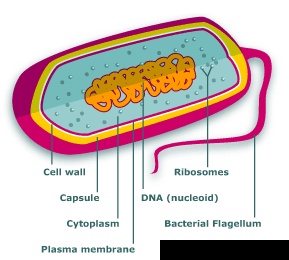

Has cell membrane
Prokaryote
Eukaryote
both


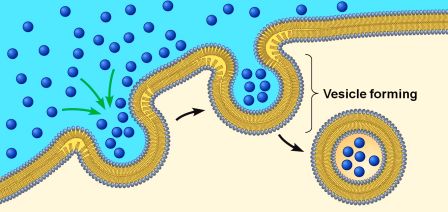
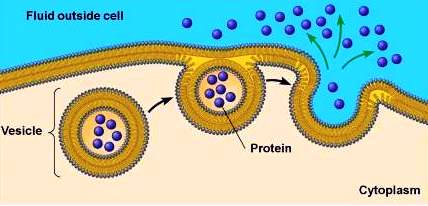
Diffusion with the help of transport proteins is called
phagocytosis
Na-K Pump
Facilitated Diffusion
Active Transport
Movement of molecules "up" or "against" the concentration gradient (meaning low to high) is called
passive transport
active transport
diffusion
facilitated diffusion
Movement of any particle "down" or "with" the concentration gradient is called
diffusion
endocytosis
exocytosis
active transport
Type of transport that requires ATP is called
passive transport
active transport
Fusion of membrane-bound vesicle with membrane and dumping contents outside cell is known as
endocytosis
diffusion
osmosis
exocytosis
Aquaporins are involved in which type of transport?
active transport
facilitated diffusion
phagocytosis
simple diffusion
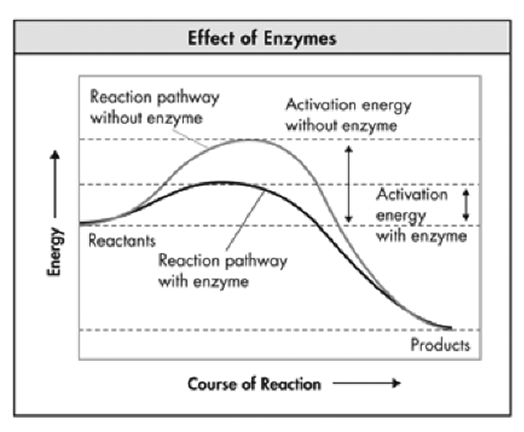
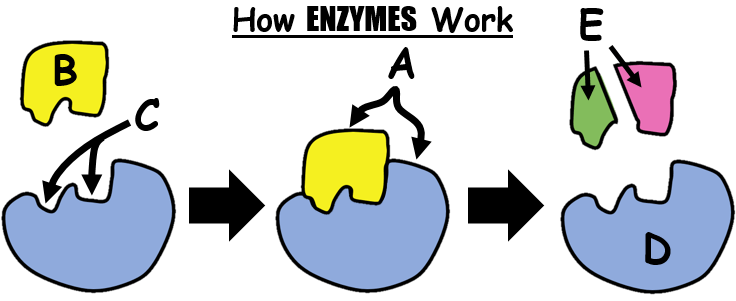


What is an example of a positive feedback mechanism?


Which organs make up the circulatory system?
the heart, veins, blood vessels
the brain, spinal cord, and nerves
the kidneys, bladder, and ureters
bones
How are viruses different than bacteria, fungi, and parasites?
Viruses are not living
Viruses reproduce quickly
Viruses can infect the cells of a variety of organisms
How are viruses, fungi, bacteria, and parasites similar?
they all carry out sexual reproduction
they are all living
they are all made up of cells
they all contain genetic material

What is this a picture of?
virus
fungi
bacteria
parasite
Ticks, lice, and mosquitoes are examples of ____________.
viruses
parasites
fungi
bacteria
Antibiotics only cure ______________.
viruses
fungi
parasites
bacteria
Which organ is part of the immune system?
the eyes
skin
the stomach
the intestines
Bacterial infections respond to __________________.
antibiotics
nothing, there is no cure
creams
flu vaccines

What is the large object in the middle a picture of?
bacteria
fungi
virus
parasite
Which of the following is not regulated by homeostasis?
body temperature
blood sugar
blood pH
body movements
____________________ helps warm the human body when we are cold.
sweating
shivering
inhaling oxygen
exhaling carbon dioxide


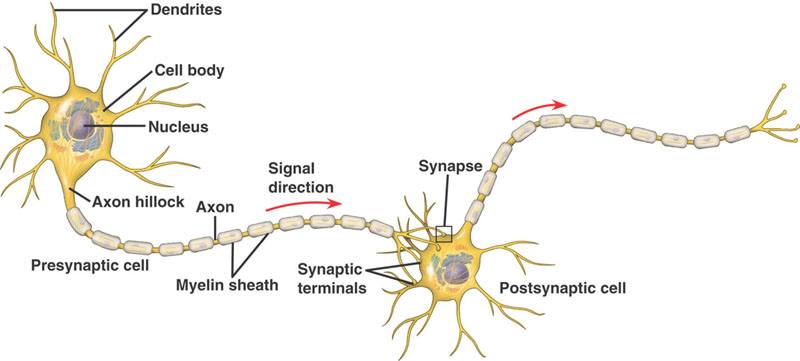
Depolarization occurs when
sodium channels open
potassium channels open
sodium channels close
potassium channels close
when does the stimuli cause an action potential?
when it reaches threshold
just below the threshold
just above threshold
At resting potential, the ion distribution inside and outside of a neuron is such that __________ ions are most abundant on the outside of the cell, while __________ ions are most abundant on the inside of the cell.
Potassium; sodium
Sodium; potassium
Calcium; potassium
Calcium; sodium

In the figure above, what is occurring at step #4?
Neuron receives enough stimulation (15 mV), threshold is reached (-55mV)
Na+ voltage channels open allowing Na+ to diffuse inward, depolarizing the membrane
K+ voltage channels open and Na+ voltage channels open
K+ voltage channels open allowing K+ to diffuse out, repolarizing the membrane.
Hamsters. Massive amounts of hamsters
When a neuron is at REST,
the inside of the neuron is negatively charged compared to the outside.
the inside of the neuron is positively charged compared to the outside.
there is no charge difference established
none of these is true
An electrical impulse within a single neuron is called a
synapse
membrane potential
action potential
cell body
Depolarization occurs when
sodium channels open
potassium channels open
sodium channels close
potassium channels close

Depolarization is occuring at number
1
2
4
5

Sodium channels are open during
1
2
4
5


The action potential triggers voltage gated calcium channels to open at the axon terminal. The influx of calcium causes the synaptic vesicles to fuse with the membrane and exocytose their neurotransmitters into the cleft. The neurotransmitters diffuse across the cleft and fuse with receptor gated ion channels creating a new action potential when ions rush in, depolarizing the membrane. Which transport at the synapse is active transport?
voltage gated calcium channels
exocytosis
diffusion
receptor gated ion channels
the density, distribution, size, and age structure of populations.

