
 Worksheets
Bio Winter Exam Review
Total questions: 121
Worksheet time: 1hrs 8mins
DNA replication occurs during the
G0 phase
G1 phase
G2 phase
S phase
Which of these applies to passive transport
it does not use ATP
large sugars move across the membrane this way
it requires energy
it goes against the concentration gradient

The storage structure indicated in Figure 7–6 by the letter F is a(an)
lysosome
rough ER
smooth ER
vacuole
How many kilometers are in 125m?
12.5km
1.25km
0.125km
125,000km

A scientist conducted an experiment to determine the effect of environment on the fur color of a Himalayan rabbit. The Himalayan rabbit typically has a white coat except for its colder nose, feet, tail, and ears, which are black. The scientist shaved an area of hair on the back of each rabbit, then placed an ice pack over the shaved area on one rabbit (A).
Which rabbit is considered the control?
A
B
A scientist conducted an experiment to determine the effect of environment on the fur color of a Himalayan rabbit. The Himalayan rabbit typically has a white coat except for its colder nose, feet, tail, and ears, which are black. The scientist shaved an area of hair on the back of each rabbit, then placed an ice pack over the shaved area on one rabbit (A).
What is the independent variable?
shaved back
ice pack
black fur
rabbits
A scientist conducted an experiment to determine the effect of environment on the fur color of a Himalayan rabbit. The Himalayan rabbit typically has a white coat except for its colder nose, feet, tail, and ears, which are black. The scientist shaved an area of hair on the back of each rabbit, then placed an ice pack over the shaved area on one rabbit (A).
What is the dependent variable?
shaved back
ice pack
black fur
rabbits
Which of the following is NOT found in the nucleus
nucleolus
nucleoplasm
DNA
cytoplasm

What is structure A?
Rough ER
Smooth ER
Golgi Apparatus
What is structure B?
Nucleoplasm
Cytoplasm
Ribosomes
What is structure C?
Rough ER
Smooth ER
Golgi Apparatus

What is structure D?
nucleus
nucleoplasm
nucleolus
What is structure E?
nucleus
nucleoplasm
nucleolus
What is structure f?
chloroplast
mitochondria
lysosome
centriole
What is structure G?
Rough ER
Smooth ER
Golgi Apparatus
What part of the cell membrane is responsible for strength and fluidity?
aquaporin
carbohydrate chain
cholesterol
protein pump
Which cell is the most efficient?
1mm cube
0.5mm cube
2mm cube
4mm cube
Plants capture the sun's power with light-absorbing molecules called
chloroplasts
glucose
pigments
thylakoids
Which one of these correctly sequences the organization of the things inside organisms from largest to smallest?
organ → organ system → tissue
organ system → organ → tissue
organelle → cell → organ
Which of these organisms do not have a nucleus?
protist, euglena
E. coli
human
plant
What is the function of the cytoskeleton?
surrounds the cell
contains DNA
maintains cell shape
make protein
A base is a solution that
contain more hydroxide ions(OH-) than hydrogen ions (H+).
contain more hydroxide ions (OH-) than sodium ions (Na+)
contain more hydrogen ions (H+)than hydroxide ions (OH-).
contain dissolved sodium hydroxide.
Surface area is an important factor in limiting cell growth because
the cell will burst if the membrane becomes too large.
materials cannot enter the cell if it is too large.
the cell may become too large to take in enough food and remove enough waste.
waste products cannot leave the cell if it is too large
You suggest that moisture could speed up the growth of mold. This is
an analysis
a prediction/hypothesis
an experiment
a conclusion
The combination of chemical reactions through which an organism builds up or breaks down materials as it carries out its life processes is called
homeostasis
cytolysis
cytokinesis
metabolism
The organelle responsible for cellular respiration (creating ATP energy) is
chloroplast
lysosome
mitochondria
ribosome
Which cell structure contains the cell’s genetic material and controls many of the cell’s activities?
ribosomes
nucleolus
nucleus
Golgi apparatus
The part of the microscope used for adjusting the microscope on high-power is the
course adjustment
fine adjustment
What is important to maintain, so cells can get the necessary nutrients in and the waste products out to maintain stable internal level?
equilibrium
homeostasis
concentration gradient
salinity
What type of tumors spread throughout the body?
benign
malignant
What type of solution results in water moving out of the cell?
Hypertonic
Hypotonic
Isotonic
What type of solution results in water moving into the cell?
Hypertonic
Hypotonic
Isotonic
What type of solution results in water moving into and out of the cell at the same rate?
Hypertonic
Hypotonic
Isotonic
Select all that apply: What are the 3 parts of ATP?
adenine
ribose
thymine
phosphate groups
If a cell originally has 48 chromosomes, how many chromosomes will each of its daughter cells have after mitosis?
24
48
96
0
A zoologist is collecting field data on Meerkats. They are writing down information on feeding and mating behavior. What kind of data are they collecting?
qualitative
quantitative

What is phase is cell a in?
anaphase
interphase
metaphase
prophase
telophase
What is phase is cell b in?
anaphase
interphase
metaphase
prophase
telophase
What is phase is cell c in?
anaphase
interphase
metaphase
prophase
telophase
What is phase is cell d in?
anaphase
interphase
metaphase
prophase
telophase
What is phase is cell e in?
anaphase
interphase
metaphase
prophase
telophase
If you are looking at a cell under the microscope, how do you know its an eukaryotic cell?
the cell has cytoplasm
the cell has DNA
the cell has a cell membrane
the cell has a nucleus
The building blocks (monomer) of a protein is
amino acids
monosaccharides
fatty acids and glycerol
nucleotides
The building blocks (monomer) of a lipid is
amino acids
monosaccharides
fatty acids and glycerol
nucleotides
The building blocks (monomer) of a carbohydrate is
amino acids
monosaccharides
fatty acids and glycerol
nucleotides
The building blocks (monomer) of a nucleotide is
amino acids
monosaccharides
fatty acids and glycerol
nucleotides

What is part A? (you need to know all the parts)
G1 phase
S phase
Interphase
Prophase
Which of the following characteristics of living things best explains why some North American birds fly south for the winter?
maintaining internal balance
made up of cells
have a universal genetic code
responding to the environment

Is this a normal human?
Yes
No, it has down's syndrome
No, it has trisomy 13, Patua's syndrome
No, its a girl
Cellular Respiration takes 1 glucose molecule to make about
2 ATPs
6 ATPs
15 ATPs
36 ATPs
Which of these species can perform photosynthesis?
human
paramecium
mosquito
venus flytrap
Which ones of the following is a type of active transport?
diffusion
facilitated diffusion
osmosis
protein pump
In which phase of the cell cycle does DNA uncoil, the nuclear membrane reform and spindle fibers disappear?
Anaphase
Metaphase
Prophase
Telophase
Which pH number is neutral
0
5
7
14
Which reaction happens first in photosynthesis and takes place in the thylakoid membrane?
light independent reaction
light dependent reaction
Calvin cycle
dark reaction
The organelle responsible for doing photosynthesis is the
chloroplast
lysosome
mitochondria
ribosome
Unlike the cell membrane, the cell wall is
found in all organisms
composed only of lipids
selectively permeable
a rigid structure
Mitosis is the division of
the cell
the cytoplasm
the nucleus
chromosomes
Which of these molecules can use simple diffusion to get into the cell?
water
chlorine ions
hydrogen ions
oxygen molecules
An instrument that allows light to pass through the specimen and uses two lenses to form an image is a(an)
LCM
SEM
TEM
What is a person's set of morals or beliefs?
theory
inference
ethics
hypothesis
What is the function of the cell membrane?
keeps the cell wall in place
regulates the movement of materials into and out of the cell
stores water, salts, proteins and carbohydrates
breaks down lipids, carbohydrates and proteins from foods
What are used to prevent great fluctuations in pH?
buffers
acids
bases
neutral substances
Most plants are green because chlorophyll
absorbs green lightwaves
absorbs all lightwaves
reflects green lightwaves
reflects all lightwaves
Water molecules are polar, with the
oxygen side being slightly negative and the hydrogen side being slightly positive.
oxygen side being slightly positive and the hydrogen side being slightly negative.
Which part of the cell membrane is hydrophobic?
heads
tails
cholesterol
carbohydrate chain
The work of scientists usually begins with
drawing conclusions
creating experiments
collecting data
careful observations
An organism that consumes other organisms is a/an
autotroph
heterotroph
Select 3: What are the 3 parts of the cell theory?
All living things are made of cells.
Cells are the basic unit of structure and function in living things
All cells have a cell membrane, DNA and cytoplasm.
Cell come from pre-existing cells
(Select 2) To calculate total magnification of a microscope, you need to multiply which of these two together
objective lens
course adjustment
ocular lens
field of view
When a cell's size increases, its
volume increases faster than its surface area
surface area increases faster than its volume.
volume increases, but its surface area stays the same.
surface area stays the same, but its volume increases.
When a cell's size increases, its
volume increases faster than its surface area
surface area increases faster than its volume.
volume increases, but its surface area stays the same.
surface area stays the same, but its volume increases.
Which of the following happens when a cell divides?
The cell's volume increases by a 1000 times
The cell has difficulty getting rid of wastes
each daughter cell receives an exact copy of the parent's DNA
it becomes difficult for the cell to direct activities
An advantage of sexual reproduction over asexual reproduction is that sexual reproduction
takes less time
its more efficient
provides genetic diversity
it produces identical offspring
The process by which a cell divides into two daughter cells is called
cell division
mitosis
meiosis
interphase
When during the cell cycle are chromosomes visible?
only during interphase
only when they are being replicated
only during the G1 phase
only during cell division
During which phase in the cell cycle does mitosis happen?
G1 phase
G2 phase
M phase
S phase
When during the cell cycle is a cell's DNA replicated?
G1 phase
G2 phase
M phase
S phase
When during the cell cycle does the cell make more organelles?
G1 phase
G2 phase
M phase
S phase
When during the cell cycle does the cell spend most of the cycle growing?
G1 phase
G2 phase
M phase
S phase
Which of the following are a part of interphase? (Select all that apply)
G1 phase
G2 phase
M phase
S phase

Cell Division is represented by letter
A
B
C
D
DNA is replicated is represented by letter
A
B
C
D
Which is the first part of mitosis, when the cell is preparing to divide?
interphase
telophase
prophase
anaphase
metaphase
Which part of mitosis occurs when the chromosomes are lining up in the center of the cell?
interphase
telophase
prophase
anaphase
metaphase
Which part of mitosis occurs when the chromosomes are separating to opposite sides of the cell?
interphase
telophase
prophase
anaphase
metaphase
Which of the following represents the phases of mitosis in their proper sequence?
metaphase, anaphase, prophase, telophase
telophase, metaphase, anaphase, prophase,
prophase, metaphase, anaphase, telophase
anaphase, metaphase, prophase, telophase
During normal mitotic cell division, a parent cell that has 46 chromosomes will produce two daughter cells, each containing
23
46
92
In eukaryotic cells, the timing of the cell cycle is regulated by
centrioles
cyclins
centromeres
spindle fibers
What type of cells form a cleavage furrow during cytokinesis
animal
bacteria
plant
fungi
What type of cells form a cell plate during cytokinesis
animal
bacteria
plant
protist
Cancer is a disorder in which some cells have lost the ability to control their
growth rate
size
spindle fibers
surface area
During early development, all cells in the embryo of a multicellular organism are identical. Later on in development, the cells will become specialized through a process called
apoptosis
cytokinesis
differentiation
interphase
Why are stem cells important?
They have specialized DNA
They are incapable of becoming cancer cells
They have the potential to undergo cell division
They have the potential to develop into other cell types
Each parent (mom and dad) give ____chromosomes to their offspring
23
46
92
Human body cells, like muscle cells, have ____chromosomes
23
46
92
Cytokinesis in ______cells, involves a cell plate that is formed by vesicles from the Golgi body.
animal
plant
A map of chromosomes is called
chromatid
genotype
karyotype
phenotype
What are the two things that a karyotype can show? Select all that apply
any genetic mutations
the gender
any chromosomal abnormalities

What information can you tell about this karyotype?
female
male
abnormal
normal

What can you tell from this karyotype?
female
male
abnormal
normal

What type of syndrome does this male have?
Down's
Edward's
Patau
Klinefelters
Turners
What type of stem cell is more controversal?
adult
embryonic
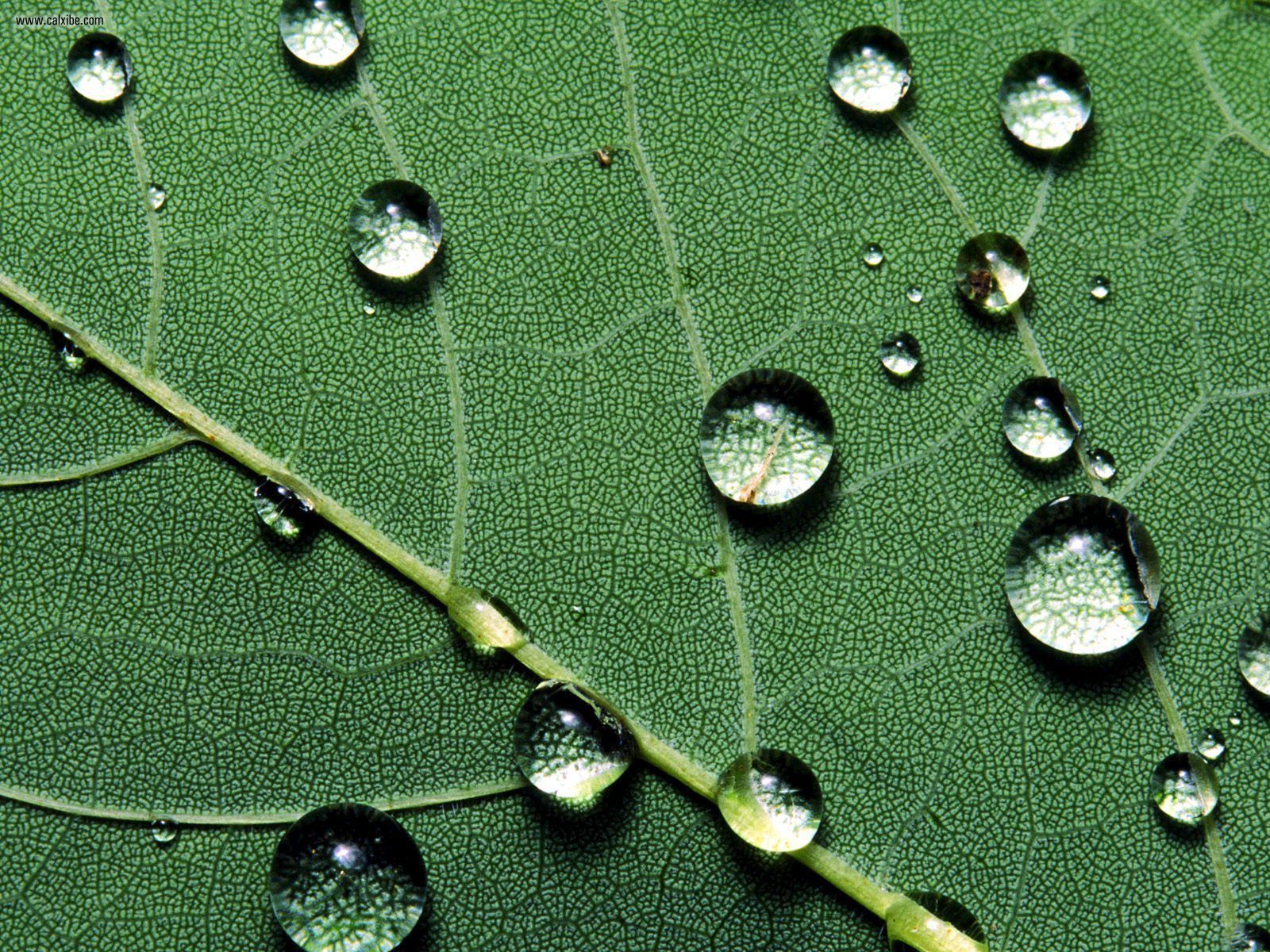
Refer to the picture of water sticking to a leaf; this is occurring because of:
Adhesion
Cohesion
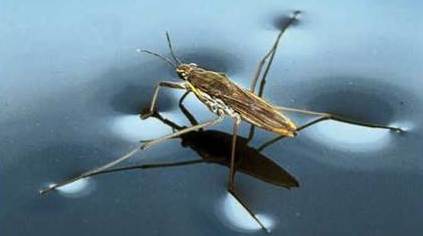
Refer to the picture; the water strider can walk over waters surface. This is occurring due to:
Adhesion
Cohesion
A substance with pH of 5 has...
more OH- ions than H+ ions.
has the same number of OH- ions as H+ ions.
more hydrogen ions than hydroxide ions.
tastes sweet.
What is PH SCALE?
The substance that gets dissolved in a solution
Ranges from 0-14 by measuring hydrogen ion concentration
Any atom or group of atoms that has a positive or negative charge.
When all components are evenly distributed in a mixture
What is acid?
The substance that gets dissolved in a solution
Prevents drastic pH changes
Forms H+ ions in solution in a higher concentration than water
What is hydrogen ion?
A hydrogen atom that has lost an electron resulting in a positive one charge
Part of water that has a negative charge when water breaks apart (written as OH-)
Any atom or group of atoms that has a positive or negative charge.
What is hydroxide ion.
When one side of a molecule has a positive charge & other has a negative charge
Forms H+ ions in solution in a higher concentration than water
Part of water that has a negative charge when water breaks apart (written as OH-)
Substance formed by the chemical combination of two or more elements in definite proportions.
There are two types of data. Which type of data involves describing characteristics?
quantitative
qualitative

Reproduction that only involves one parent and all offspring are identical; for example, binary fission of bacteria or amoebas.
Asexual
Sexual
Division
Addition
Reproduction that involves two cells from different parents unite to produce the first cell of a new organism.
Asexual
Sexual
Budding
Division
For single-celled organisms, _____ is
mostly an increase in size.
Multicellular organisms go through a
process called __________, where cells
divide and differentiate into different
kinds of cells.
Evolve, respond to stimulus
Expansion, progress
Growth, development
Production, evolution

