wayground logo

Free Printable Worksheets

Font size

S
M
L
XL
Worksheets

Biology Semester Review

Total questions: 115

Worksheet time: 2hrs 55mins

Name
Class
Date
1.
What word describes when water is attracted to other substances?
a)
cohesion
b)
adhesion
c)
capillary action
d)
surface tension
2.
Which biomolecule has sugars and starches?
a)
Lipids
b)
Proteins
c)
Carbohydrates
d)
Nucleic Acid
3.
What is the monomer for a protein?
a)
Monosaccharide
b)
Triglyceride
c)
Amino Acid
d)
Nucleotide
4.
surrounds the cell; controls what enters/leaves cell; maintains homeostasis
a)
vacuole
b)
cell wall
c)
cell membrane
d)
lysosome
5.
cells that contain a true nucleus
a)
prokaryotes
b)
eukaryotes
c)
carbohydrate
d)
plant cells
6.
Which is true about active transport?
a)
It requires energy
b)
it does not require energy
c)
It moves substances down the concentration gradient
d)
it moves material from high to low concentration
7.
The concentration of water is higher in the soil than in plant root cells. Water moves into root cells of a plant by...
a)
Facilitated Diffusion
b)
Simple Diffusion
c)
Active Transport
d)
Osmosis
8.
Active transport requires ______, moves materials from __________________, and goes _______ the concentration gradient.
a)
No energy, low to high, against
b)
ATP, high to low, with
c)
ATP, low to high, with
d)
ATP, low to high, against
9.
Which of the following units are repeatedly joined together to form a strand of DNA?
a)
amino acids
b)
nucleotides
c)
fatty acids
d)
polysaccharides
10.
When you step out into the cold, your body shivers in order to keep its temperature at 98.6oF.
a)
All living things use energy
b)
All living things contain cells
c)
All living things maintain homeostasis
d)
All living things grow and develop
11.
Which terms best describe heterotrophs?
a)
Plants; producers
b)
Animals; producers
c)
Plants; consumers
d)
Animals; consumers
12.
Which terms best describe autotrophs?
a)
Plants; producers
b)
Animals; producers
c)
Plants; consumers
d)
Animals; consumers
13.
From where do autotrophs obtain their energy?
a)
The sun
b)
Other organisms
14.
What is another name to describe an autotroph?
a)
Consumer
b)
Producer
15.
How can animals and fungi best be classified?
a)
Autotroph
b)
Heterotroph
16.
Which type of organisms perform photosynthesis?
a)
Autotrophs
b)
Heterotrophs
17.

BUNNY

a)

AUTOTROPH

b)

HETEROTROPH

c)

AUTOPHOTOTROPH

d)

NONE OF THE ABOVE

18.
Bacteria is what kind of cell?
a)
Eukaryotic
b)
Prokaryotic
19.
What is unicellular? 
a)
one cell 
b)
many cells 
c)
no nuclues 
d)
DNA 
20.
What type of cell has a nucleus? 
a)
eukaryotic
b)
prokaryotic 
21.
Plants and animal cells are examples of ___ cells 
a)
prokaryotic cells 
b)
eukaryotic cells 
22.
What type of cell does not have a nucleus?
a)
eukaryotic 
b)
prokaryotic 
23.
The scientific name for water bear is Hypsibius dujardini.  What is its genus?
a)
Hypsibius 
b)
dujardini
c)
water 
d)
tardigrade
24.
If two species share the same class, they also share the same______.
a)
phylum
b)
order
c)
genus
d)
species
25.
In a properly written scientific name, which part is lowercase?
a)
species
b)
genus
26.
To say that an organism is heterotrophic means...
a)
it cannot reproduce asexually
b)
it cannot make its own food
c)
it cannot breathe oxygen gas
27.
Which kingdoms have some organisms that can make their own food (autotrophic)?
a)
Plantae and Animalia
b)
Fungi and Plantae
c)
Protista and Plantae
28.

what kingdom?- eukaryotic, multi-celled-photosynthetic.

a)

animal

b)

plant

c)

protist

d)

fungi

29.
Bacteria are all prokaryotic. What does it mean to be prokaryotic?
a)
Has a nucleus 
b)
Sometimes has a nucleus 
c)
Does not have a nucleus 
d)
Has a cell membrane 
30.
All these organisms are from the kingdom fungi. Are fungi autotrophic or heterotrophic?
a)
Autotrophic 
b)
Heterotrophic 
31.

Which of the following organisms belong to Phylum Annelids?

a)

Snake

b)

Salamander

c)

Marine Worm

d)

Snail

32.

Which phyla has a soft unsegmented body and can be protected by a shell?

a)

Mushroom

b)

Mollusks

c)

Echinoderm

d)

Annelid

33.

This phylum means spiny skin and lives in water

a)

Echinoderm

b)

Arthropods

c)

Mollusks

d)

Annelids

e)

Cnidarians

34.

This phylum has a medusa and polyp stage, stinging tentacles, and radial symmetry. What phyla is it?

a)

Arthropods

b)

Annelids

c)

Cnidarian

d)

Echinoderms

e)

Mollusks

35.

Which of the following organisms belong to phylum echinoderm?

a)

Snails, octopus, squid, and slugs

b)

Insects, crustaceans, and spiders

c)

Jelly fish, corals, and sea anemones

d)

Brittle stars, sea cucumbers, sea stars, and sea urchins

36.

Which phylum?

a)

Cnidaria

b)

Mollussca

c)

Echinodermata

37.

Which phylum has the following classes: Insecta, Crustacea, Arachnida?

a)

Arthropoda

b)

Chordata

c)

Mollusca

38.
Research question: does the distance a person kicks a soccer ball effect how well they will do on their math test.  What is the dependent variable?
a)
How far they kick the soccer ball
b)
who the person is
c)
how well they do on the math test
d)
Type of soccer ball.
39.
When experimenting with the growth of a plant, a scientist uses three (of the same type of) plants, two different fertilizers, equal light, and equal water. What type of variable is the fertilizer?
a)
Dependent
b)
Independent
c)
Control
d)
Compound
40.
What would the INDEPENDENT variable be in an experiment testing which types of paper airplane goes furthest?
a)
the paper used
b)
the type of paper airplane
c)
the distance of each plane's flight
d)
how hard the plane is thrown
41.
Research Question: Does the type of gasoline put in a car effect how fast the car can drive. What is the independent variable?
a)
Type of gasoline
b)
which car the gas is put into
c)
how fast the car can drive
d)
how much gas is put into the car
42.

The lens assembly with the longest body is the ___

a)

low power objective

b)

high power objective

c)

low power ocular

d)

high power ocular

43.

Identify the microscope part:

a)

revolving nosepiece

b)

coarse focus knob

c)

diaphragm

d)

fine focus knob

44.

The lens assembly with the shortest body is the ___

a)

low power objective

b)

high power objective

c)

low power ocular

d)

high power ocular

45.

Identify the microscope part:

a)

revolving nosepiece

b)

coarse focus knob

c)

diaphragm

d)

fine focus knob

46.

________________ are consumers that eat ONLY PLANTS.

a)

Herbivores

b)

Carnivores

c)

Omnivores

d)

Producers

47.

These consumers are herbivores.

a)

secondary consumers

b)

primary consumers

c)

tertiary consumers

d)

biomass

48.

These eat herbivores.

a)

secondary consumers

b)

primary consumers

c)

bacteria

d)

primary consumers

49.

These eat secondary consumers.

a)

primary consumers

b)

primary producers

c)

autotrophs

d)

tertiary consumers

50.
The efficiency of energy transfer from a lower trophic level to the next highest level is roughly
a)
1%
b)
10%
c)
100%
d)
1000%
51.
In the energy pyramid here, how much of the energy in each level gets lost as heat or used by the organism for survival?
a)
80%
b)
90%
c)
10%
d)
20%
52.
The arrows in a food chain or web represents what?
a)
They point to the organism that is being eaten.
b)
It shows how sunlight flows within an ecosystem.
c)
They show what direction the energy is flowing between organisms. 
d)
They represent how water is transferred within a habitat.
53.

What converts nitrogen gas into a usable form for plants and animals?

a)

bacteria

b)

rain

c)

fungi

d)

car exhaust

54.

Organisms that need nitrogen to survive.

a)

only plants

b)

only animals

c)

only bacteria

d)

all living things

55.

How is nitrogen "fixed" into a usable form for plants?

a)

Through action of bacteria only

b)

Through lightning only

c)

Through action of bacteria and lightning

d)

Through photosynthesis

56.

How do animals get the nitrogen they need?

a)

From the air they breathe

b)

From the water they drink

c)

From the food they eat

d)

From the sun

57.
Barnacles create home sites by attaching themselves to whales. This relationship neither harms nor benefits the whales. 
a)
parasitism
b)
commensalism
c)
mutualism
58.
Yucca flowers are pollinated by yucca moths. The moths lay their eggs in the flowers where the larvae hatch and eat some of the developing seeds. Both species benefit. 
a)
parasitism
b)
commensalism
c)
mutualism
59.
Yucca flowers are pollinated by yucca moths. The moths lay their eggs in the flowers where the larvae hatch and eat some of the developing seeds. Both species benefit. 
a)
parasitism
b)
commensalism
c)
mutualism
60.
Oxpeckers feed on the ticks found on a rhinoceros. The oxpeckers get a meal and the rhinoceros is helped by the removal of the ticks.
a)
parasitism
b)
commensalism
c)
mutualism
61.

What happens if a population grows past its carrying capacity?

a)

The population keeps growing

b)

The population starts to die off

c)

The entire species will go extinct

d)

The carrying capacity just increases

62.

Something that regulates the size of a population is called...

a)

a limiting measure

b)

a limiting factor

c)

carrying capacity

d)

biodiversity

63.
When taken to a new habitat, non-native plants often threaten native plants of the new habitat.  Why do they do this?
a)
Non-native plants are able to mutate rapidly
b)
Non-native  plants cause native animals to relocate
c)
Non-native plants are able to be used for medicine
d)
Non-native plants compete with native plants for resources
64.
1. What makes a species invasive?
a)
Moving to a new ecosystem and taking resources from natives 
b)
Not having papers
c)
Species that can't adapt
d)
Plants that take up too much space
65.

A life form that affects an entire ecosystem.

a)

Keystone Species

b)

Herbivores

c)

Umbrella Species

d)

Predators

66.

Why do the populations of invasive species grow so quickly?

a)

Invasive Species are native to an area.

b)

Invasive species are prey to many animals.

c)

Invasive species have no natural predators.

d)

Invasive species keep the ecosystems in equilibrium.

67.

What is a keystone species?

a)

A species that helps to hold an ecosystem together

b)

A species that lives in or around rocks

c)

Keys and stones have nothing to do with ecology

d)

A keystone isn't a living thing, it's just a stone

68.
Fill in the blanks with coefficient:
PCl5+_ H2O→_ HCl+H3PO4
a)
4, 5
b)
1, 6
c)
3, 8
d)
2,2
69.
Which problem is balanced?
a)
PbO2 + 2H2--> H2SO4
b)
SO2 + H20 --> H2SO4
c)
2Na + 2H2O --> 2NaOH + H2
d)
2Na + 2H2O --> 2NaOH + H
70.

Stronger acids have a pH closer to...

a)

7

b)

0

c)

14

d)

9

71.

Weaker bases have a pH closer to...

a)

8

b)

0

c)

14

d)

4

72.

A pH level of 7 indicates

a)

acid

b)

base

c)

neutral

d)

none of the following

73.

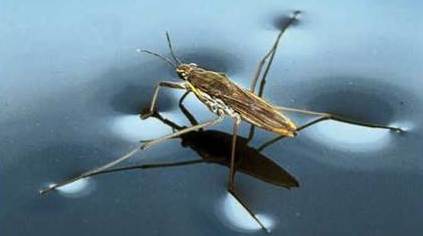
Refer to the picture; the water strider can walk over waters surface. This is occurring due to:

a)

Adhesion

b)

Cohesion

74.

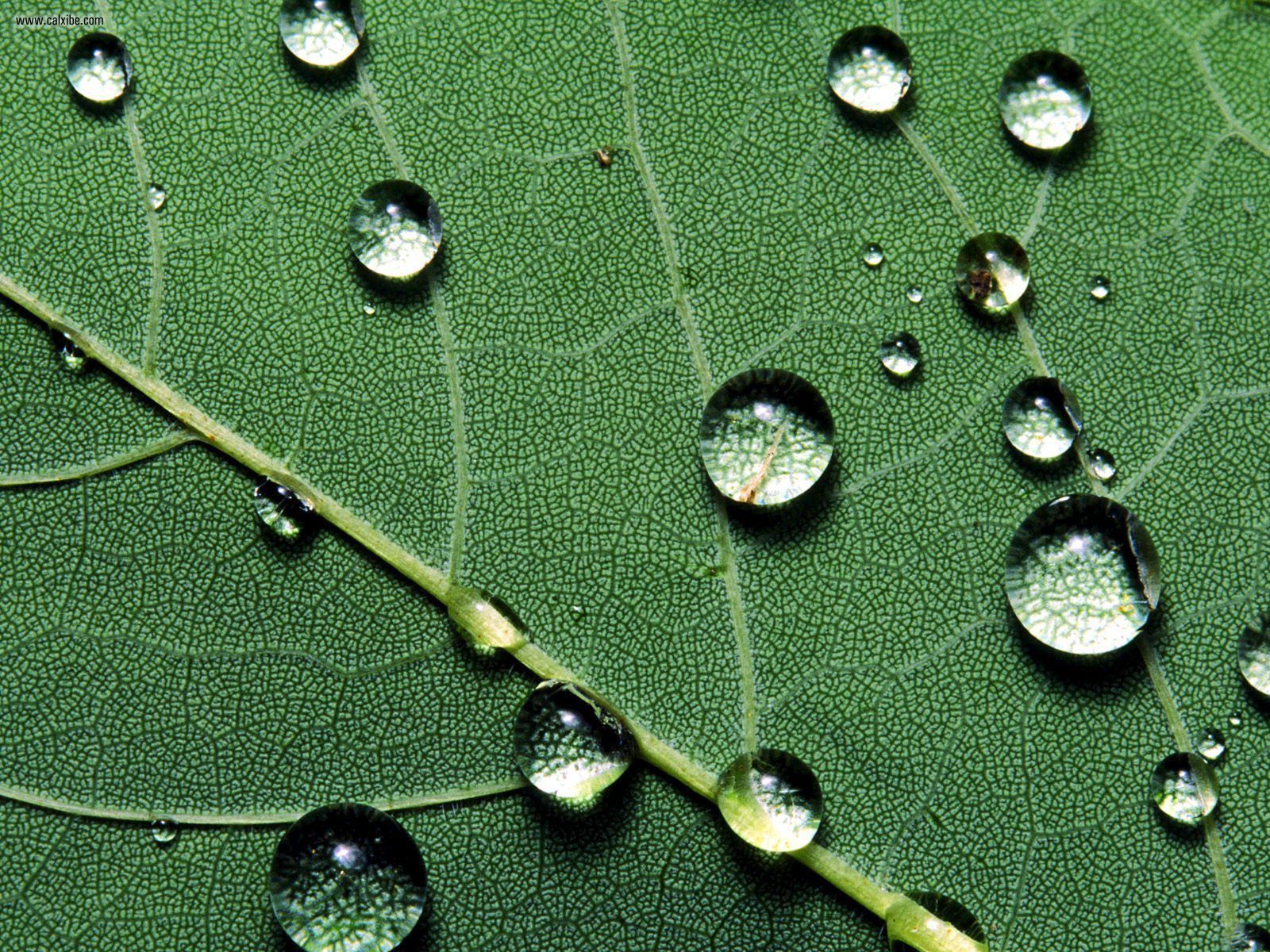
Refer to the picture of water sticking to a leaf; this is occurring because of:

a)

Adhesion

b)

Cohesion

75.
Which of the following elements is required in an organic compound?
a)
nitrogen
b)
oxygen
c)
carbon
d)
sodium
76.
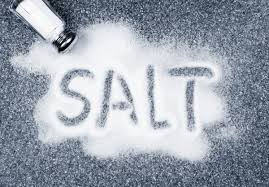
Is NaCl (table salt) a Organic or Inorganic Compound?
a)
Inorganic
b)
Organic
77.
Proteins are made of monomers called ___________
a)
Nucleotides
b)
Monosaccharides
c)
Amino Acids
d)
Glycerol and fatty acids
78.
DNA and RNA are examples of 
a)
Carbohydrates
b)
Lipids
c)
Proteins
d)
Nucleic Acids
79.
Nucleotides are monomers of
a)
Carbohydrates
b)
Lipids
c)
Proteins
d)
Nucleic Acids
80.
Waxes, oils and fats are examples of
a)
Carbohydrates
b)
Lipids
c)
Proteins
d)
Nucleic Acids
81.
Monosaccharides are monomers of
a)
Carbohydrates
b)
Lipids
c)
Proteins
d)
Nucleic Acids
82.
What is the function of nucleic acids?
a)
store genetic information
b)
store energy (long-term)
c)
store energy (short-term)
d)
build skin, hair, nails, muscles
83.
Which of the following organic compounds is the main source of energy for living things?
a)
carbohydrates
b)
lipids
c)
nucleic acids
d)
proteins
84.
Which macromolecule stores energy, insulates us, and makes up the cell membrane?
a)
lipids
b)
proteins
c)
carbohydrates
d)
nucleic acids
85.
All organic compounds contain the element
a)
carbon
b)
nitrogen
c)
phosphorus
d)
sulfur
86.
Enzymes are..
a)
nucleic acids 
b)
carbohydrates 
c)
lipids 
d)
proteins 
87.

Enzymes are an example of

a)

Lipids

b)

Carbohydrate

c)

Protein

d)

Nucleic Acid

88.
What is the purpose  of an enzyme?
a)
give permission for the reaction
b)
raise activation energy
c)
speed up reactions
d)
control how many reactions occur
89.
Any substance that is acted upon by an enzyme is called a(n)?
a)
Coenzyme
b)
Substrate
c)
Vitamin
d)
Polypeptide
90.
What 3 letters do enzymes typically end in?
a)
-ose
b)
-ase
c)
-ese
d)
-tic
91.
After the enzyme and substrate bind together and perform the reaction, what does the substrate become?
a)
a substrate
b)
an enzyme
c)
a product
d)
an active site
92.
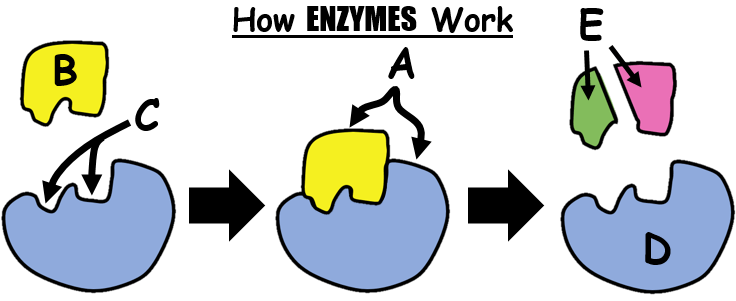
Letter C...
a)
active site
b)
enzymes
c)
substrate
d)
products
93.
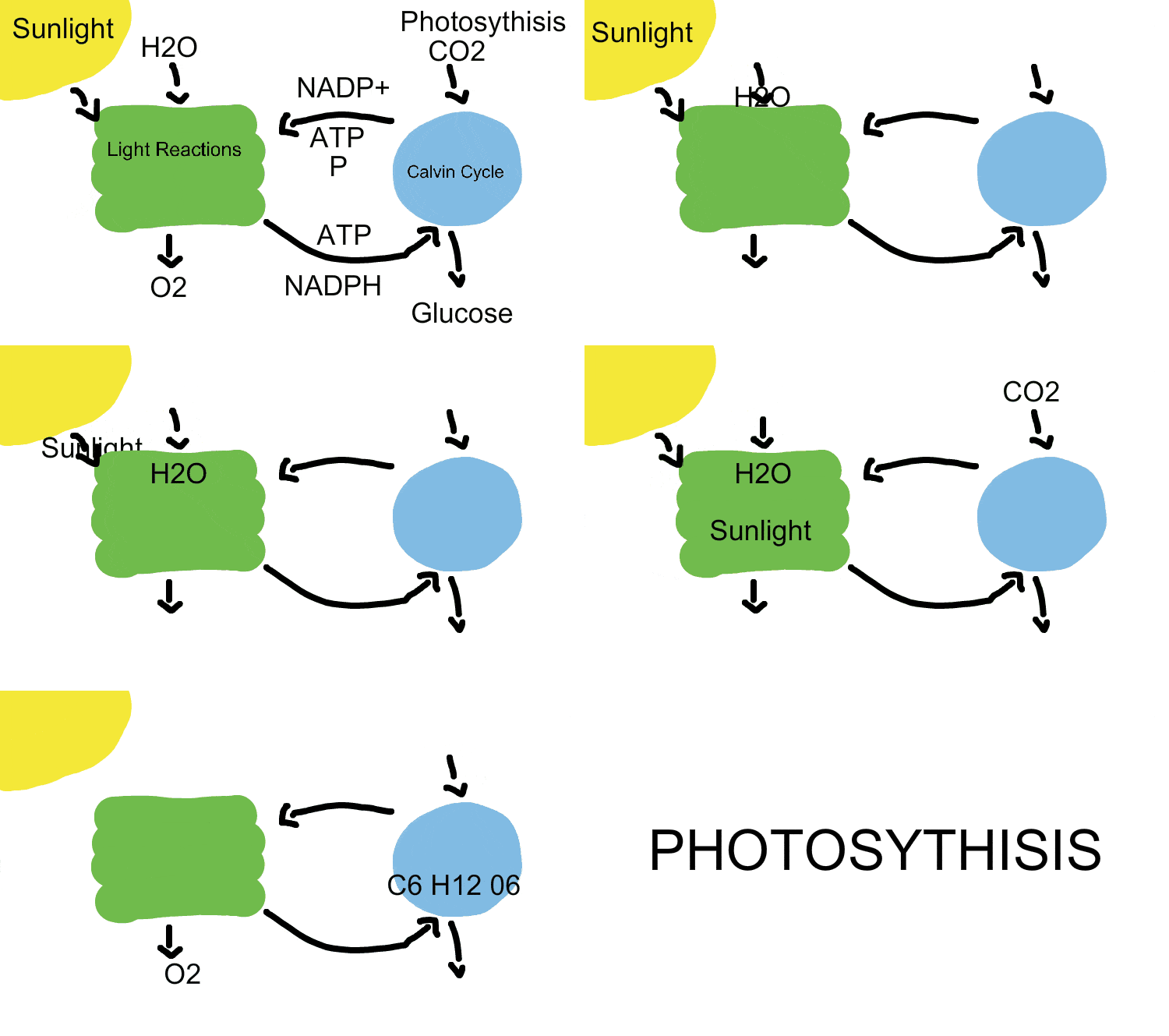
What gas goes into the plant before photosynthesis?
a)
Carbon Dioxide
b)
Carbon Monoxide
c)
Oxygen
d)
Nitrogen
94.
What three things are needed for a plant to do photosynthesis?
a)
Glucose, Oxygen, Sunlight
b)
CO2, Oxygen, Sunlight
c)
CO2, Water, Sunlight
d)
Oxygen, Water, Sunlight
95.
What gas is released by plants during photosynthesis?
a)
sulfur
b)
carbon dioxide
c)
oxygen
d)
hydrogen
96.
What pigment absorbs sunlight for photosynthesis?
a)
chloroplast
b)
thylakoid
c)
grana
d)
chlorophyll
97.
Which of the following is the correct equation for PHOTOSYNTHESIS?
a)
carbon dioxide + water --> oxygen + glucose
b)
carbon dioxide + glucose + water --> oxygen 
c)
oxygen + water --> carbon dioxide + glucose
d)
glucose+ oxygen ---> water + carbon dioxide 
98.
Please select who performs cellular respiration: 
a)
Animals 
b)
Both animals and plants 
c)
plants 
99.
Cellular respiration is...
a)
the process by which cells break down glucose into energy. 
b)
the process by which cells break light down into energy. 
c)
the process by which cells communicate with other cells. 
100.
Cellular respiration occurs in 
a)
chloroplasts 
b)
mitochondria
c)
golgi aparatus 
d)
thylakoid 
101.
In anaerobic respiration...
a)
oxygen is not used.
b)
oxygen is used. 
102.
Which of the following is the correct equation for PHOTOSYNTHESIS?
a)
6CO+ light + 6H2O --> 6O+ C6H12O6
b)
6CO+ C6H12O6 + 6H2O --> 6O+ light
c)
6O+ light + 6H2O --> 6CO+ C6H12O6
d)
6CO+ 6O2 + 6H2O --> Light+ C6H12O6
103.
Which organisms perform Photosynthesis?
a)
Only Autotrophs
b)
Only Heterotrophs
c)
Autotrophs and Heterotrophs
d)
Only Prokaryotes
104.
Chlorophyll ABSORBS a higher percentage of _____ and _______ light.
a)
purple and green
b)
red and blue
c)
black and orange
d)
yellow and green
105.

What takes blood back to the heart?

a)

arteries

b)

veins

c)

capillaries

106.

Which side of the heart has the oxygenated blood?

a)

Left

b)

right

c)

both

d)

top

107.
Freshly oxygenated blood is delivered to the _____________ and then it passes into the  __________ to be pumped to the entire body.
a)
right ventricle; right atrium
b)
left ventricle; left atrium
c)
left atrium; left ventricle
d)
right atrium; right ventricle
108.
The most muscular chamber of the heart is the 
a)
left ventricle
b)
left atrium
c)
right atrium
d)
right ventricle
109.
Which structures are found in every living cell?
a)
cell membrane and cytoplasm
b)
chloroplasts and mitochondria
c)
a cell wall and nucleus
d)
chloroplasts and cell wall
110.
Cell organelles that are responsible for digesting food, worn out organelles and other cellular wastes are called ___________________.
a)
Mitochondria
b)
Vacuoles
c)
Lysosomes
d)
Chlororplasts
111.
All cells need energy to function.  Which cell organelle is responsible for producing energy in the cell?
a)
chloroplasts
b)
mitochondria
c)
nucleus
d)
vacuoles
112.
In what part of the plant cell does the process of photosynthesis take place?
a)
nucleus
b)
mitochondria
c)
chloroplasts
d)
vacuoles
113.
What do vacuoles do? 
a)
They actually do not have an important role
b)
They protect the cell
c)
They are the brain of the cell
d)
storage area for cells; water storage in plants 
114.

During osmosis

a)

water moves from high to low concentration

b)

large or oddly shaped molecules move across a cell membrane

c)

water moves when energy is used

d)

proteins are built

115.
An animal cell placed in a hypertonic (salty) solution will
a)
Shrink
b)
Swell
c)
Stay the same