wayground logo

Free Printable Worksheets

Font size

S
M
L
XL
Worksheets

The Sun-Earth-Moon System

Total questions: 132

Worksheet time: 1hrs 21mins

Name
Class
Date
1.
What happens right after the full moon phase?
a)
The moon becomes new.
b)
The moon goes through its phases in the reverse order.
c)
The moon seems to disappear in the sky.
d)
The moon starts to wax.
2.
What is the correct order of the first five phases of the moon?
a)
full, crescent, quarter, gibbous, new
b)
new, crescent, gibbous, quarter, full
c)
new, crescent, quarter, gibbous, full
d)
full, quarter, gibbous, crescent, new
3.
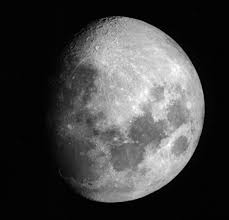
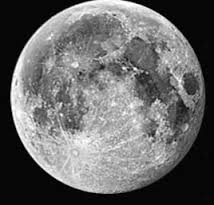
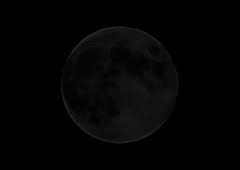
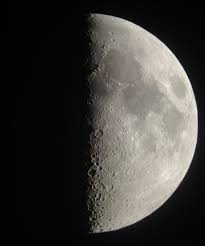
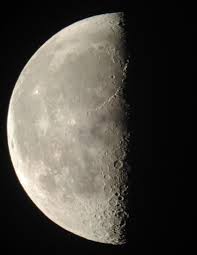
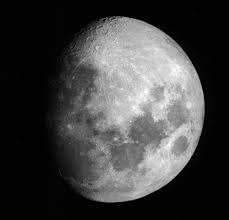
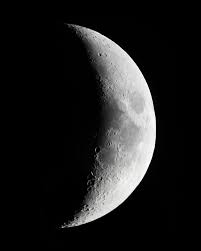
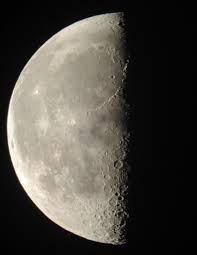
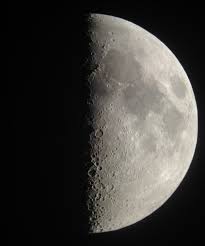
Which phase of the moon is shown in the picture?
a)
New
b)
Cresent
c)
Quarter
d)
Gibbous
4.
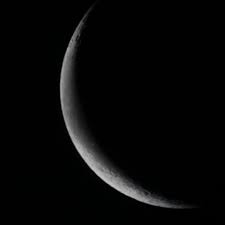
Which phase of the moon is shown in the picture?
a)
New
b)
Cresent
c)
Quarter
d)
Gibbous
5.
Changes in the moon's appearance are
a)
phases
b)
eclipses
c)
stages
d)
cycle
6.
The Moon orbits Earth in a ________________ direction
a)
clockwise
b)
counterclockwise
c)
upwards
d)
downwards
7.
Name this moon phase
a)
Waxing Gibbous
b)
Waxing Crescent
c)
Waning Crescent
d)
Waning Gibbous
8.
Name this moon phase
a)
waning crescent
b)
waxing crescent
c)
waning gibbous
d)
waxing gibbous
9.
Name this moon phase
a)
First Quarter
b)
Last Quarter
c)
New Moon
d)
Full Moon
10.
Name this moon phase
a)
First Quarter
b)
Last Quarter
c)
New Moon
d)
Full Moon
11.
Name this moon phase
a)
First Quarter
b)
Last Quarter
c)
New Moon
d)
Full Moon
12.
Name this moon phase
a)
First Quarter
b)
Last Quarter
c)
New Moon
d)
Full Moon
13.
What are the reasons for the season?
a)
Earth's tilt & rotation
b)
Earth's tilt & revolution
c)
Earth's rotation & revolution
d)
Earth's tilt & resolution
14.
CHOOSE THE CORRECT MOON PHASE
a)
FIRST QUARTER
b)
LAST QUARTER
c)
FULL MOON
d)
NEW MOON
15.
CHOOSE THE CORRECT MOON PHASE
a)
FULL MOON
b)
NEW MOON
c)
WAXING GIBBOUS
d)
WAXING CRESCENT
16.
CHOOSE THE CORRECT MOON PHASE
a)
NEW MOON
b)
FULL MOON
c)
WAXING GIBBOUS
d)
NONE OF THE ABOVE
17.
CHOOSE THE CORRECT MOON PHASE
a)
CRESCENT MOON
b)
NEW MOON
c)
FULL MOON
d)
WANING GIBBOUS
18.
CHOOSE THE CORRECT MOON PHASE
a)
WANING GIBBOUS
b)
WAXING GIBBOUS
c)
FULL MOON
d)
WAXING CRESCENT
19.
CHOOSE THE CORRECT MOON PHASE
a)
WAXING CRESCENT
b)
NEW MOON
c)
HALF MOON
d)
WANING CRESCENT
20.
THE WORD "WAXING" MEANS TO
a)
APPEAR TO GROW
b)
APPEAR TO GET SMALLER
21.
THE WORD "WANING" MEANS TO
a)
APPEAR TO GROW
b)
APPEAR TO GET SMALLER
22.
CHOOSE THE CORRECT MOON PHASE
a)
WANING GIBBOUS
b)
NEW MOON
c)
FULL MOON
d)
WAXING GIBBOUS
23.
Waxing means...
a)
Growing
b)
Dying
c)
Losing light
d)
Moving
24.
How long after a new moon will it take to see another new moon?
a)
12 days
b)
29.5 days
c)
27.3 days
d)
365 days
25.
Name the moon phase
a)
waning crescent
b)
waxing crescent
c)
waning gibbous
d)
waxing gibbous
26.
Name the moon phase
a)
waning crescent
b)
waxing crescent
c)
waning gibbous
d)
waxing gibbous
27.
Name the moon phase
a)
waning crescent
b)
waxing crescent
c)
waning gibbous
d)
waxing gibbous
28.
Name the moon phase
a)
First Quarter
b)
Last Quarter
c)
New Moon
d)
Full Moon
29.
Name the moon phase
a)
First Quarter
b)
Last Quarter
c)
New Moon
d)
Full Moon
30.
Name the moon phase
a)
First Quarter
b)
Last Quarter
c)
New Moon
d)
Full Moon
31.
Name the moon phase that would come AFTER this moon.
a)
waning crescent
b)
waxing crescent
c)
waning gibbous
d)
waxing gibbous
32.
Name the phase of the moon for letter a
a)
First Quarter
b)
Last Quarter
c)
Waxing Gibbous
d)
Waning Gibbous
33.
"Waning" means
a)
Growing
b)
Shrinking
34.
True or False: A gibbous moon means more than half of the moon is lit up?
a)
True
b)
False
35.
The Moon orbits Earth in a ________________ direction
a)
clockwise
b)
counterclockwise
c)
upwards
d)
downwards
36.
Name the moon phase
a)
waning crescent
b)
waxing crescent
c)
last quarter
d)
waxing gibbous
37.
Name the moon phase
a)
full moon
b)
waxing crescent
c)
waning gibbous
d)
waxing gibbous
38.
Name the moon phase
a)
waning crescent
b)
first quarter
c)
waning gibbous
d)
waxing gibbous
39.
Name the moon phase
a)
Waning Crescent
b)
Last Quarter or (third quarter)
c)
New Moon
d)
Full Moon
40.
Name the moon phase
a)
First Quarter
b)
Waxing Crescent
c)
New Moon
d)
Full Moon
41.
How many phases does the moon go through?
a)
4
b)
8
c)
10
d)
16
42.
What is the difference between a gibbous moon and a crescent moon?
a)
The gibbous shows more than half of the bright side of the moon.
b)
The crescent shows more than half of the bright side of the moon.
c)
The gibbous shows less than half of the bright side of the moon. 
d)
There is no difference
43.
The cycle of the moon lasts about a _.
a)
day
b)
year
c)
week
d)
month
44.
The moon ____________ around the Earth.
a)
orbits
b)
rotates
c)
up
d)
down
45.
ROTATE vs REVOLVE
What causes the seasons? 
a)
The Earth spinning or rotating
b)
The Earth revolving around the Sun on its tilted axis.
46.
About how long does it take the moon to make one complete cycle around the earth?
a)
65 days
b)
8 days
c)
365 days
d)
28 days
47.
Phases of the moon in which the moon appears to be getting larger are referred to as _.
a)
waxing
b)
waning
c)
new
d)
eclipse
48.
What Moon phase is this?
a)
Full Moon
b)
Waxing Gibbous
c)
New Moon
d)
Half Moon
49.
What Moon phase is this?
a)
Waxing Crescent
b)
Waning Gibbous
c)
Waning Crescent
d)
Waxing Gibbous
50.
What Moon phase is this?
a)
Last Quarter
b)
New Moon
c)
Third Quarter
d)
First Quarter
51.
What Moon phase is this?
a)
Waxing Gibbous
b)
Waning Crescent
c)
Waning Gibbous
d)
Full Moon
52.
What Moon phase is this?
a)
Old Moon
b)
Far Side of the Moon
c)
New Moon
d)
Waxing Gibbous
53.
What Moon phase is this?
a)
Waning Crescent
b)
Waxing Crescent
c)
Waxing Gibbous
d)
Waning Gibbous
54.
What Moon phase is this?
a)
Waxing Crescent
b)
Waning Gibbous
c)
Waxing Gibbous
d)
Waning Crescent
55.
What phase comes AFTER this one?
a)
Waning Crescent
b)
Waning Gibbous
c)
Waxing Crescent
d)
Third Quarter
56.
What phase comes BEFORE this one?
a)
Waxing Gibbous
b)
Waxing Crescent
c)
Waning Gibbous
d)
Waning Crescent
57.
What phase comes BEFORE this one?
a)
Full Moon
b)
Third Quarter
c)
New Moon
d)
First Quarter
58.
What phase comes BEFORE this one?
a)
New Moon
b)
Third Quarter
c)
Waxing Crescent
d)
Full Moon
59.
What phase comes AFTER this one?
a)
Waxing Crescent
b)
Waning Gibbous
c)
Waxing Gibbous
d)
Third Quarter
60.

What causes the seasons to change?

a)

The Earth's distance from the Sun

b)

The waming and cooling of Earth's core

c)

The Earth's tilt in relation to the Sun

d)

The Earth rotation on its axis.

61.

What happens when it's spring in the Southern Hemisphere?

a)

It's fall in the Northern Hemisphere

b)

It's summer in the Northern Hemisphere

c)

It's winter in the Northern Hemisphere

d)

It's spring in the Northern Hemisphere

62.

What happens when the area in which you live tilts away from the sun?

a)

It's summer in your area

b)

It's spring in your area

c)

It's fall in your area

d)

It's winter in your area

63.

How are winters in the Northern Hemisphere different from winters in the Southern Hemisphere?

a)

Winter days are short in the Northern Hemisphere, and long in the Southern Hemisphere

b)

Northern Hemisphere winters are cold, Southern Hemisphere winters are hot

c)

In the Northern Hemisphere, winter lasts from December to March; In the South, it lasts from June to September

d)

In the Northern Hemisphere winter lasts from June to September. In the South it lasts from December to March.

64.
If you live in the Northern Hemisphere, on which day of the year will your hometown receive the most daylight?
a)
September 21
b)
December 21
c)
March 21
d)
June 21
65.
Imaginary line through the center of the earth (from the north pole to south pole)
a)
axis
b)
orbit
c)
pole
d)
tilt
66.

Where and when would you find almost 24 hours of daylight?

a)

In South America during spring

b)

In the Arctic Circle during summer

c)

In Jamaica during winter

d)

In the Antarctic Cirlce during winter

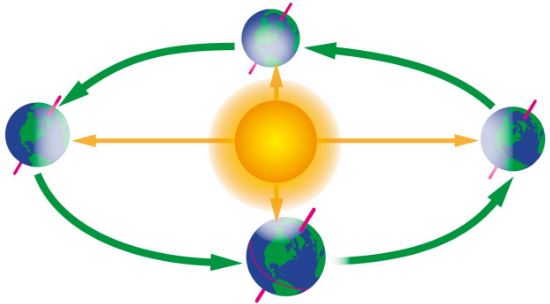
67.
Examine the diagram/picture.  What type of celestial movement does the diagram illustrate?
a)
Earth's orbit
b)
Earth's rotation
c)
Earth's ascension
d)
Earth's revolution
68.
Earth has seasons because…?
a)
The temperature of the sun changes.
b)
Earth rotates on its axis.
c)
Earth's axis is tilted as it moves around the sun.
d)
The distance between Earth and the sun changes.
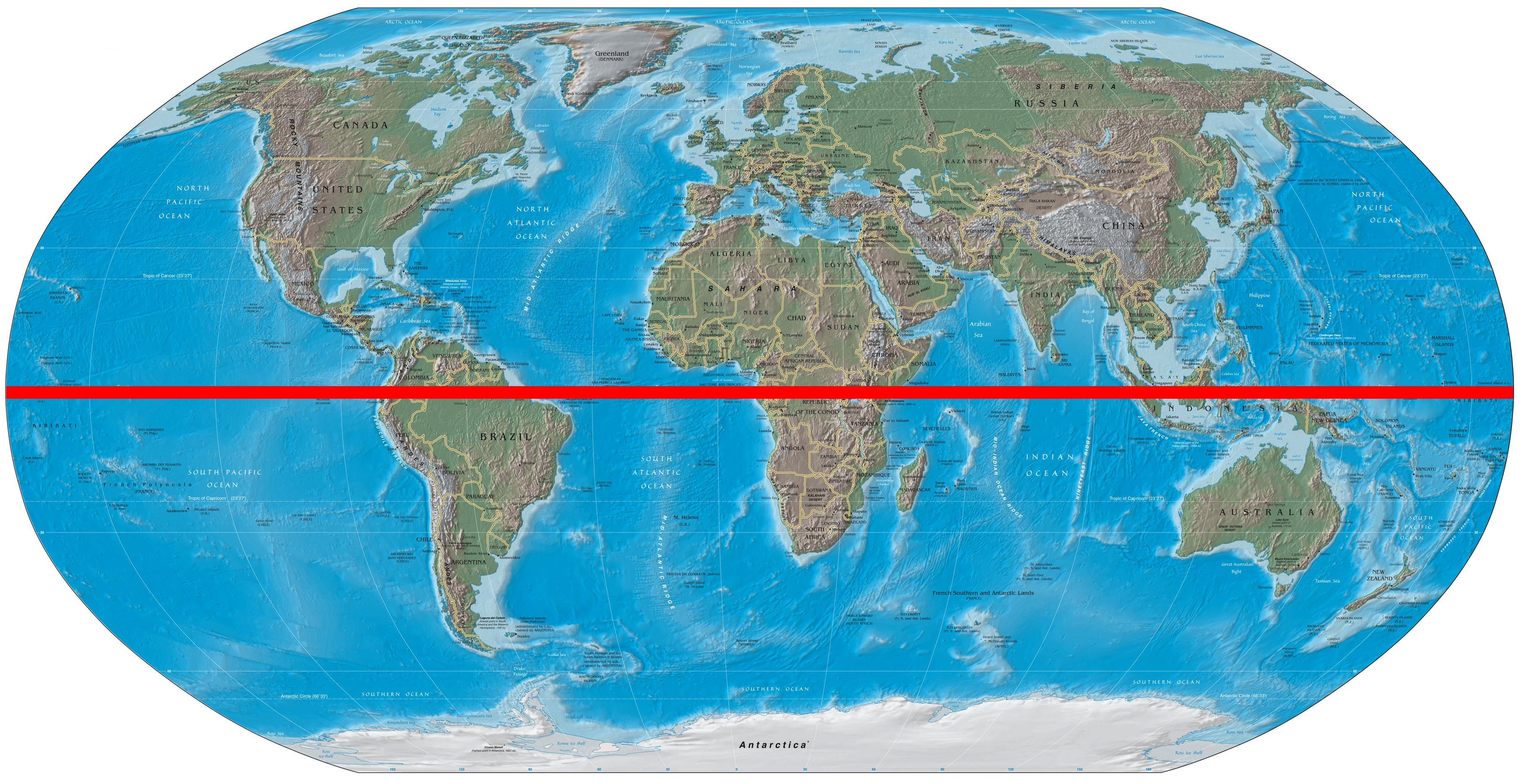
69.
What is the name of this line at 0 degrees latitude?
a)
Prime Meridian
b)
Equator
c)
North Pole
d)
South Pole
70.
All objects are attracted to each other by the force of 
a)
weight 
b)
inertia
c)
mass
d)
gravity
71.
One complete revolution of Earth around the sun takes how long?
a)
1 day
b)
365.25 days
c)
24 hours
d)
29.5 days
72.
In the Northern hemisphere, the summer solstice occurs in 
a)
March
b)
June
c)
September
d)
December
73.
Earth has seasons because
a)
it has an axis
b)
the sun gets closer and farther from the sun
c)
axis is tilted as it moves around the sun
d)
the sun gets hotter
74.
The spinning of an object on its axis is called______
a)
orbit
b)
rotation
c)
revolution
d)
tide
75.
The earth orbits around...
a)
the sun.
b)
the moon
c)
other planets
d)
the Milky Way
76.
The Earth's _______ is an imaginary line that goes from the North Pole to the South Pole.
a)
vernal equinox
b)
axis
c)
solar eclipse
d)
solar flare
77.
How many days does it take the Earth to go around the sun?
a)
300 days
b)
365  days
c)
3000 days
78.
Earth's rotation on its axis is what causes ______________________________.
a)
seasons
b)
moon phases
c)
day and night
d)
weather
79.
Earth's rotation on its axis is what causes ______________________________.
a)
seasons
b)
moon phases
c)
shadows to change throughout the day
d)
weather
80.
Seasons are caused by the ______________ of the Earth
a)
tilt
b)
rotation
c)
revolution 
d)
axis
81.
How long dose it take the moon to revolve around the Earth?
a)
1 day
b)
1 month
c)
1 year
82.

The sun APPEARS to move across the sky, during the day. Which of the following causes shadows to change length throughout the day?

a)

earth's rotation

b)

earth's revolution

c)

sun's revolution

d)

earth's orbit

83.

Which of the following would be the best example to explain Earth's rotation?

a)

funnel

b)

merry-go round

c)

doorknob

d)

swing

84.

What direction does the sun appear to move across the sky?

a)

west to east

b)

north to south

c)

east to west

d)

south to north

85.

Earth rotates on its axis once approximately every-

a)

month

b)

24 hours

c)

year

d)

12 hours

86.

Where does the sun rise?

a)

west

b)

east

c)

north

d)

south

87.
What causes the seasons? 
a)
The Sun going around the Earth
b)
Only temperatures changing
c)
Earth's revolution and tilted axis. 
d)
None of these answers
88.
What causes day and night? 
a)
Sun's rotation
b)
Earth's rotation
c)
Moon's rotation
d)
None of these
89.
What is our planet called? 
a)
Earth
b)
Sun
c)
Moon
d)
Mars
90.
True or False: The Sun revolves around the Earth
a)
True
b)
False
91.
Does the Sun move at all? 
a)
Yes, the Sun goes around the Earth
b)
Yes, the Sun moves all over the Universe
c)
No, the planets revolve around the Sun
d)
Yes, the Sun moves up and down
92.
True or False: It takes Earth 365 days (1 year) to revolve around the Sun. 
a)
True
b)
False
93.
Which term describes the path the Moon travels around Earth?  
a)
rotation
b)
orbit
c)
phase
d)
day
94.
Which of these cycles takes 24 hours?  
a)
Earth rotating on its axis  
b)
Earth revolving around the Sun  
c)
the Moon rotating on its axis  
d)
the Moon revolving around Earth
95.
The phases of the Moon are caused by the
a)
tilt of the Earth
b)
tilt of the Moon
c)
revolution of the Earth around the Sun
d)
revolution of the Moon around the Earth
96.
Andrea is making a computer animation to model the motions of the Sun, Earth, and Moon. Which orbit should happen most often in her model?
a)
the Sun orbiting Earth
b)
the Sun orbiting the Moon
c)
the Moon orbiting Earth  
d)
the Moon orbiting the Sun  
97.
The Moon revolves around Earth about once every
a)
day
b)
week
c)
month
d)
year
98.
It takes 24 hours for Earth to make one full rotation. This 24-hour rotation is directly responsible for causing
a)
seasons
b)
earthquakes
c)
day and night
d)
rain and snow
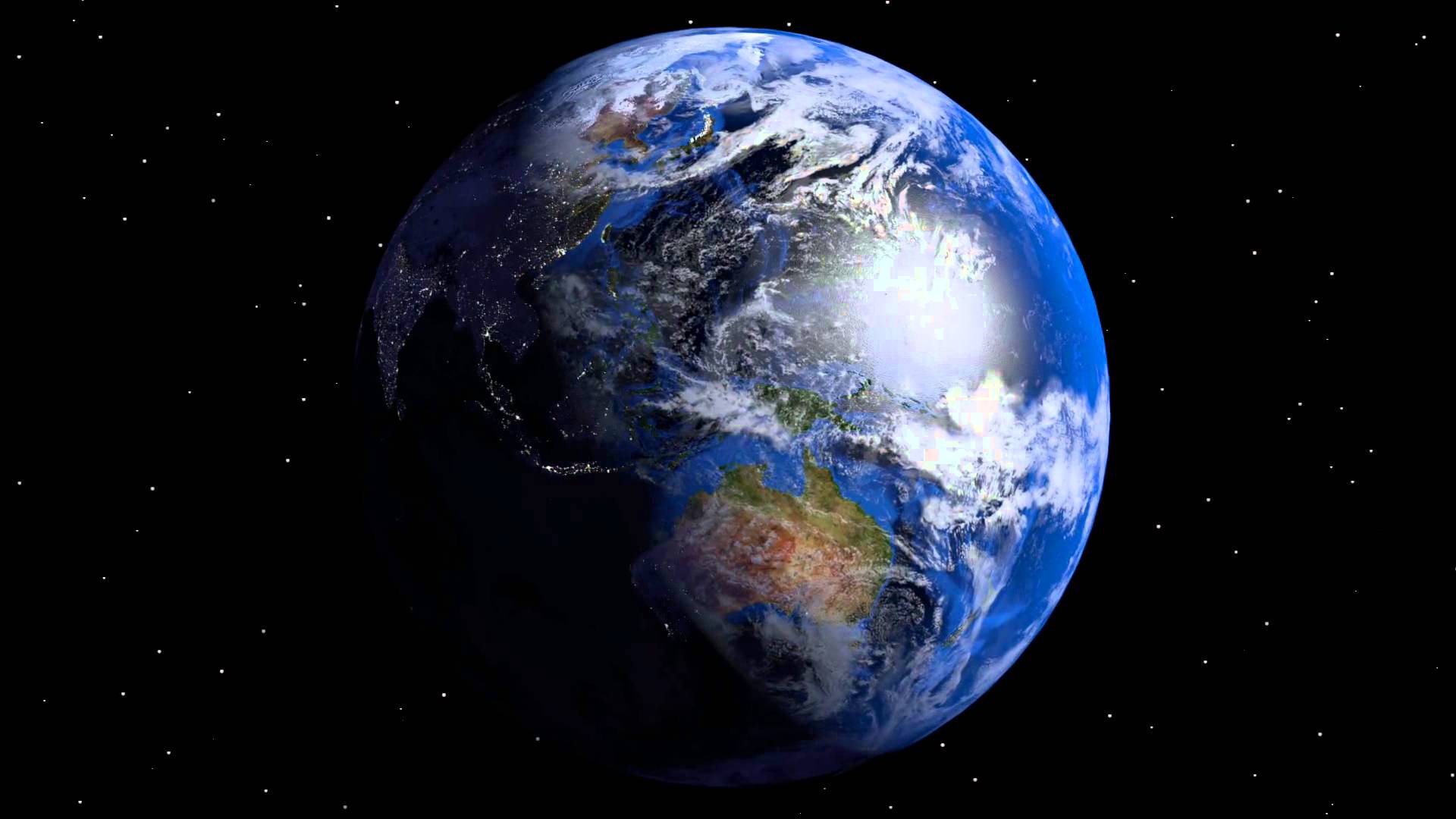
99.
Look at the pictures in order from left to right.
Which best explains what happens at Point X as Earth rotates?
a)
Night becomes day
b)
Fall becomes winter.
c)
A full moon appears.
d)
A solar eclipse occurs.
100.
Which number most likely shows the position of the Sun at noon? The picture shows an event that happens every day.
a)
1
b)
2
c)
3
d)
4
101.
Which season is taking place in the Northern Hemisphere in Position 3?
a)
Winter
b)
Spring
c)
Summer
d)
Fall
102.
Which season is taking place in the Northern Hemisphere in Position 3?
a)
Winter
b)
Spring
c)
Summer
d)
Fall
103.
Which season is taking place in the Northern Hemisphere in Position 4?
a)
Winter
b)
Spring
c)
Summer
d)
Fall
104.
The Earth's axis is tilted _____ degrees.
a)
23.5
b)
25.3
c)
30.2
d)
24
105.
What happens when the area in which you live tilts away from the sun?
a)
It is summer.
b)
It is spring.
c)
It is winter.
d)
It is fall.
106.
At position A, which hemisphere would have summer?
a)
Northern hemisphere
b)
Southern hemisphere
107.
The term equinox means....
a)
equal amount of day light and equal amount of night
b)
Equal amount of winter and summer
c)
Equal amounts of hot dogs for everyone
d)
The longest day of the year
108.
Why is the Equator warmest?
a)
Because it is closest to the sun.
b)
Because it receives the most direct sunlight
c)
Because no clouds form here.
d)
Because it is far from the sun
109.
In spring/summer, the axis of the earth is pointed away or toward the sun?
a)
towards
b)
Neither away or toward
c)
away
110.
Which season is taking place in the Southern Hemisphere in Position 1?
a)
Winter
b)
Spring
c)
Summer
d)
Fall
111.
Which season is taking place in the Northern Hemisphere in Position 1?
a)
Winter
b)
Spring
c)
Summer
d)
Fall
112.
Which season is taking place in the Northern Hemisphere in Position 2?
a)
Winter
b)
Spring
c)
Summer
d)
Fall
113.
Object spinning on its axis. 
a)
revolution
b)
rotation
114.
The hemisphere where you live
a)
northern
b)
southern
115.
What season is depicted in the picture?
a)
summer
b)
winter
c)
fall 
d)
spring
116.
What season is depicted in the picture?
a)
summer
b)
winter
c)
fall 
d)
spring
117.
Approximately how long does it take for the Earth to revolve around the sun?
a)
24 hours
b)
1 month
c)
365 days
d)
365 years
118.
Which of the following means to turn on an axis?
a)
relax
b)
rotate
c)
revolve 
d)
return
119.
Which direction does the sun appear to rise in?
a)
South
b)
North
c)
East
d)
West
120.
When it is day on one side of the Earth, what is it on the other side of the Earth?
a)
Summer
b)
Winter
c)
Night
d)
Day
121.
Spinning of the Earth on its axis is called...
a)
rotation
b)
revolution
c)
orbit
d)
double axis
122.

Using the following diagram, at which position is the Earth located on December 21?

a)

A

b)

B

c)

C

d)

D

123.

At which location are direct sun rays striking the Earth in the following diagram?

a)

A

b)

B

c)

C

d)

D

124.

Which date is represented by the following diagram?

a)

Dec 21

b)

Mar 21

c)

Jun 21

d)

Sep 23

125.

The start of fall and spring is called

a)

The equinox

b)

The solstice

c)

A leap year

d)

day lights savings

126.

In what position will it be winter in the southern hemisphere

a)

1

b)

2

c)

3

d)

4

127.

At what position will it be summer in the Southern hemisphere.

a)

1

b)

2

c)

3

d)

4

128.

At what position will it be spring in the southern hemisphere

a)

1

b)

2

c)

3

d)

4

129.

At what position will it be fall in the souther hemisphere

a)

1

b)

2

c)

3

d)

4

130.
At position A, which hemisphere would have summer?
a)
Northern hemisphere
b)
Southern hemisphere
131.
The hemisphere where you live 
a)
equator
b)
southern
c)
northern
d)
eastern
132.

In winter, which direction does Earth's axis tilt?

a)

Towards

b)

Sideways

c)

Away