
 Worksheets
previous body systems & muscular, endocrine, respiratory
Total questions: 95
Worksheet time: 2hrs 36mins
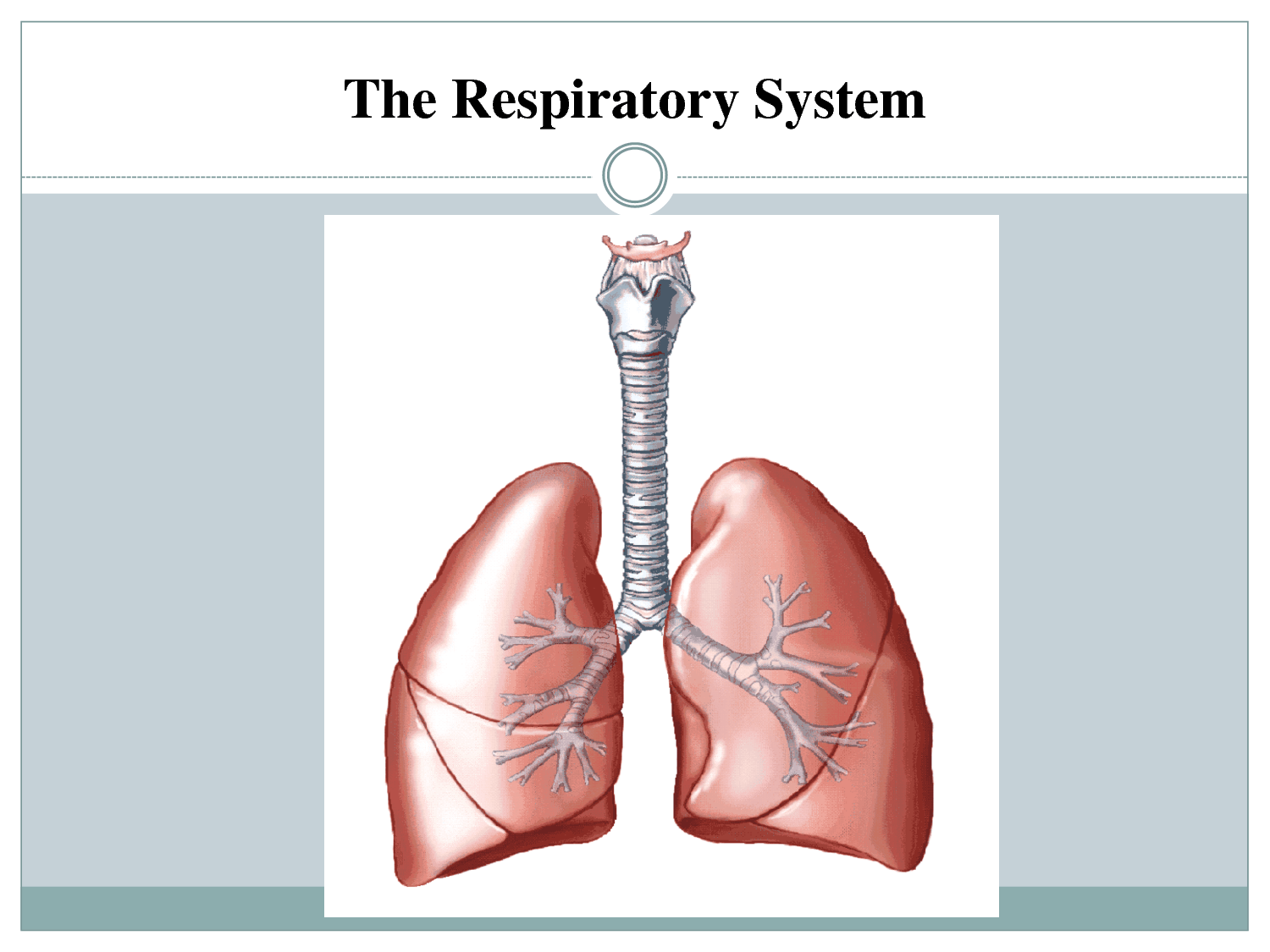
What do we take in when we inhale?
carbon dioxide
oxygen
lungs
What do we let out when we exhale?
oxygen
Carbon dioxide
lungs
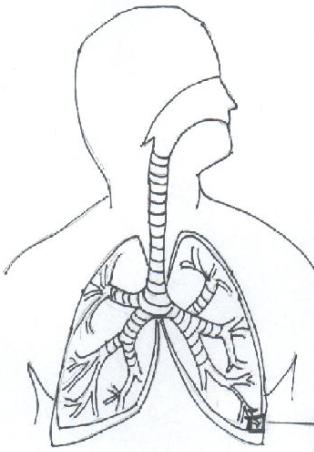

What type of cells carry oxygen in the blood?
red blood cells
white blood cells
The circulatory system works with the ___________ system to provide our body with oxygen and get rid of CO2 (carbon dioxide).
respiratory
digestive
muscular
skeletal

Endocrine glands secrete _
Hormones
Neurotransmitters
A wide range of chemical substances
What is the endocrine system?
A system of vessels that circulates blood around the body.
A group of bones and tissue that provides support and structure for the body.
A group of glands that work together with the nervous system to coordinate all body functions
A group of organs that is responsible for eliminating wastes.
What is the main function of the endocrine system?
It creates chemicals, or hormones, that are sent around the body to maintain homeostasis.
It creates electrical messages that are sent around the body to maintain homeostasis.
It maintains the correct level of oxygen in the body to maintain homeostasis.
It releases waste from the body to maintain homeostasis.
The "master gland" is known as the __________________.
thyroid gland.
adrenal gland.
pancreas.
pituitary gland.
Which of the following are chemicals that travel in the blood and cause changes in different parts of the body?
Hormones
Glands
Parathyroid
Adrenal Gland
The response to stress is called
Stay or Stray Response
Fight or Stay Response
Flee or Stray Response
Fight or Flight Response
Which term refers to the body's use of energy for energy and growth?
Excretion
Metabolism
Digestion
Respiration
Hormone regulation operates under which type of feedback mechanism?
positive feedback
negative feedback
zero feedback
Hormones are not regulated
Produces the hormone insulin and glucagon, which controls the level of glucose in the blood.
Thyroid Gland
Pancreas
Thymus Gland
Pituitary Gland
The inability to produce insulin
cancer
fatigue
diabetes
The purpose of the endocrine system is to
maintain homeostasis by reacting quickly to stimuli
produce substances that protect the body from bacteria
maintain metabolism, growth and development in homeostasis
transport molecules throughout the body
The process by which an organism’s internal environment is kept stable in spite of changes in the external environment.
Positive Feedback
Negative Feedback
Homeostasis
Targeted Cells
What hormone is responsible for the "fight or flight" response?
Testosterone
Cortisol
Adrenaline
Parathyroid Hormone
Insulin causes
a decrease in the concentration of blood glucose
a decrease in the permeability of cell membranes to glucose
an increase in the production of glucose from glycogen
a release of adrenaline into the body


A function of the integumentary system is ____________________.
protects the organs from germs
To prevent water loss
To maintain an internal body temperature and sweat
all of these
One function of the human skeleton is to
transmit impulses
produce blood cells
produce lactic acid
store nitrogenous wastes
In humans, red bone marrow provides
structural support for the body
a source of new blood cells
an attachment site for muscle tissue
a site to trap bacteria
Which two structures are directly involved in locomotion in humans?
visceral muscle and fibrous tendons
smooth muscle and ligaments
skeletal muscle and bones
cardiac muscle and immovable joints
a group of similar cells performing a specific function
tissue
organ
joints
ligaments
composed of several kinds of tissue that work together to perform a specific job
tissue
organ
joints
ligaments
New blood cells are produced in -
cartilage
joints
bone marrow
the brain
The inside of many internal organs are lined with -
Smooth muscle
Cardiac Muscle
Skeletal Muscle
Rough Muscle
Which of the following is an example of VOLUNTARY movement?
Your heart beating
Your blood circulating
|Your bladder filling
Walking
How do the skeletal and muscular systems work together?
They do not work together.
The muscles connect to bones with connective tissue at joints to allow for external movement.
The muscles connect to nerves and send electrical signals to and from the brain.
The connective tissue in bones is pushed by muscle tissue.
The skeletal system helps maintain homeostasis by -
Producing new red blood cells as the old ones die off
Helping you run inside when it's too cold out.
Causing you to sweat when it's too hot.
Increasing your heart rate when you are scared.
The muscular system helps the body maintain homeostasis by -
Shivering which generates heat energy.
Secreting mucus when your nasal passages are very dry or irritated.
Storing calcium and other minerals
Causing you to sweat when your body is too hot.
The part of the stomach that churns and moves your food around is composed of what type of tissue?
Muscle tissue
Nervous tissue
Connective tissue
Epithelial tissue
1. connects, protects,supports internal organs
2. works with muscles for movement
3. makes red blood cells
4. stores fat and calcium
Which of the following is NOT a function of the skeletal system?
providing shape and support
protecting organs
obtaining oxygen
producing blood cells
Like humans, animals including dogs and cats get goose bumps. On a cold day, these goose bumps cause their coats to expand creating a layer of insulation. If the animal is scared, the coat will also expand making the animal look larger to predators. These responses serve as examples of
allergic reactions
learned behaviors
detection and response to stimuli
reproductive and feeding success
Which of the following is an example of positive feedback
the chemical reactions involved in blood clotting, one clot may lead to many.
your blood vessels dilate and you begin to sweat in response to elevated body temperature
your blood vessels constrict and you begin to shiver in response to low body temperature
your coach compliments you on your performance in practice
Homeostasis
allows for a wildly fluctuating internal environment
is impossible in vertebrates
is the maintenance of a stable internal environment and often incorporates a form of feedback regulation
is the maintenance of a relatively stable external environment and often incorporates a form of feedback regulation
Homeostasis in the human body is maintained mostly by a:
neutral feedback loop
solar feedback loop
positive feedback loop
negative feedback loop

Which diagram represents what organ system?
digestive
circulatory
nervous
integumentary
What is the job of the nervous system? (Click all that apply)
Gather information
Transport messages
Use information from inside and outside the body
What is the name for a cell in the nervous system?
Corpus Callosum
Neuron
Node of Ranvier
Red Blood Cell
Why do we need Red blood cells?
they destroy bacteria and viruses
they provide blood clotting
they carry oxygen
they digest the food

Which statement best describes how these substances interact in photosynthesis?

Like humans, animals including dogs and cats get goose bumps. On a cold day, these goose bumps cause their coats to expand creating a layer of insulation. If the animal is scared, the coat will also expand making the animal look larger to predators. These responses serve as examples of
allergic reactions
learned behaviors
detection and response to stimuli
reproductive and feeding success
How do the body systems work together when you accidentally touch a hot pan?
The cardiovascular/circulatory system sends signals to your hand to move it, and your nervous system moves your hand
The nervous system (brain, spinal cord, and nerves) send a signal to your hand to move it, and your muscular system causes your hand to move
The digestive system moves your hand, and the cardiovascular/circulatory system sends signals to your hand
The nervous system causes your hand to move, and the muscular system breaks down nutrients for your muscles to move
When I RUN up the stairs, what four systems am I using?
Circulatory, Skeletal, Muscular, and Respiratory
Excretory/Urinary, Skeletal, Digestive, and Muscular
Muscular, Skeletal, Respiratory and Digestive

