
 Worksheets
3.3 Cell Theory/Cells/ Macromolecules TEST
Total questions: 116
Worksheet time: 2hrs 2mins
What is the idea that life arises from life?
biogenesis
spontaneous generation
evolution
genetics
What is the idea that life can arise form nonliving material?
biogenesis
evolution
spontaneous combustion
spontaneous generation
Plants, like trees, require special tissues to maintain their stiffness/lack of flexibility so they can grow upwards and branch out. The cells of plants also help with specialized cellular structures. Which of the following cell structures is most important in maintaining the stiffness/lack of flexibility of plants?
Cell membrane
Chloroplasts
Cytoplasm
Cell wall
What is a major difference between facilliated diffusion and active transport?
Facillitated diffusion moves molecules through the plasma membrane.
Active transport uses proteins in the process.
Facillitated diffusion needs/demands large amounts of energy.
Active transport moves substances against the concentration gradient

Which of the following best describes a function of structure D in Figure 1 above?
Breaks down damaged cell parts
Produces energy-rich molecules using solar energy
Increases the amount of DNA in the cell
Transports materials from one location to another within the cell
Which of the following best explains why the plant cell above is eukaryotic?
It contains membrane-bound organelles that have particular functions.
It has an outer membrane that helps protect the cell from harsh surrounding conditions.
The ribosomes contain instructions to produce clearly stated/particular enzymes that digest other cells
The cell doesn't have structures that allow it to move from place to place in responsepredators.

A timeline of the history of the Cell Theory is shown below.
Which statement best summarizes the development of the Cell Theory over time?
Advancements or times of moving ahead in cell models proved the cell theory was very close to the truth.
Changes in cell models showed the cell theory was based on opinion.
The discovery of new evidence resulted in changes to the cell theory.
The cell theory was changed with the discovery of every new cell organelles.

A student created the model below to show different stages in the cell cycle.
If Figure 2 is accurate (accurate means very close to the truth or true number), which part of the current Cell Theory does it most likely support?
The cell is the basic structure of life.
All cells come from preexisting cells.
All organisms are made of one or more cells.
The cell only contains a center (of a cell or atom) and membrane.
Which of the following best explains why some cells have more mitochondria than others?
The cells use more energy.
The cells store more (vitamins, minerals, protein, etc.).
The cells destroy more proteins.
The cells divide more often.

What macromolecule represents structure A?
Nucleic acid
Lipids
Proteins
Carbohydrates
Where are you least likely to find water molecules in the structure shown in figure4?
A
B
C
D

.
If Structure E stopped functioning throughout the cell, what would most likely be changed by/affected by this change?
Carbohydrate digestion
Nutrient transport
Protein creation/synthesis
Storage of enzyme material
What is one function of Structure A in Figure 5?
Moving the cell by changing shape
Allowing water molecules to enter and exit the cell
Transport of vitamins, minerals, and proteins to other nearby cells
Produces oxygen gas from the surrounding water

Which best describes the type of barrier that the cell membrane forms?
impermeable, like a brick wall
permeable but selective, like a wall with gates
very permeable, like a fishing net
permeable only to water, like a very fine net

Refer to the figure below, the cell labeled "Cell I" would probably be a(n)
Animal cell.
Plant cell.
Bacteria cell.
Fungus cell.

The table compares the structures and features/ qualities/ traits of two cells.
What conclusion about the cells does the data in the table support?
Cell 1 is from a plant; Cell 2 is from an animal.
Cell 1 is prokaryotic; Cell 2 is from a plant.
Cell 1 is prokaryotic; Cell 2 is from an animal.
Cell 1 is eukaryotic; Cell 2 is prokaryotic.
Which of the following organelles do plant and animals have in common?
Mitochondria, endoplasmic reticulum and chloroplast
Mitochondria, chloroplast, endoplasmic reticulum and nucleus
Golgi apparatus, nucleus, mitochondrion and central vacuole
Mitochondrion, endoplasmic reticulum and Golgi apparatus
The cell membrane consists of a lipid double layer with embedded proteins. What is one reason that proteins are extremely important for the cell membrane to function properly?
Proteins attach the cell membrane to the cell wall.
Proteins prevent the cell membrane from breaking apart in water.
Proteins allow certain substances to pass through the cell membrane.
Proteins prevent gases, including oxygen and carbon dioxide, from passing through the cell membrane.
A scientist is studying a cell from an unidentified organism. Which feature of the cell provides the strongest evidence that the organism is a prokaryotic cell and not a eukaryotic cell?
The cell contains a nucleus and membrane-bound organelles
The cell lacks a nucleus and other membrane-bound organelles.
The cell is surrounded by a cell membrane and a cell wall.
The cell is surrounded by a cell membrane but not a cell wall.
Cell theory was first proposed in 1838. Evidence obtained through additional scientific investigations resulted in the current cell theory. Which statement describes a component of the original cell theory that was removed because of the new scientific knowledge?
All living things are made of cells.
All cells come from other preexisting cells.
Cells form through spontaneous generation.
Cells are the basic structural and functional units of life.
Plants differ from animals in that plants have
An endoplasmic reticulum
A central vacuole
Golgi apparatuses
Organelles
There are some similarities between prokaryotic and eukaryotic cells. Which of the following structures is found in both prokaryotic and eukaryotic cells?
lysosome
mitochondria
nucleus
ribosome
Cells need to bring in molecules to carry out cellular processes. Often, this requires moving the molecules across the cell membrane against the concentration gradient. How do these molecules get into the cell?
passive transport by diffusion
active transport using ATP
passive transport by osmosis
phagocytosis


What are the four groups of macromolecules?
nucleic acids, proteins, carbohydrates, lipids
nucleotides, amino acids, triglycerides, monosaccharides
monomers, polymers, dimers, trimers
glucose, fructose, sucrose, lactose
What is the monomer of a carbohydrate?
nucleotide
triglyceride
monosaccharide
amino acid
What is the monomer of a nucleic acid?
nucleotide
triglyceride
monosaccharide
amino acid
What is the monomer of a protein?
nucleotide
triglyceride
monosaccharide
amino acid

Examine the structure of this monomer. Which macromolecule group does it belong to?
carbohydrates
lipids
nucleic acids
proteins

Examine the structure of this monomer. Which macromolecule group does it belong to?
carbohydrates
lipids
nucleic acids
proteins

Examine the structure of this monomer. Which macromolecule group does it belong to?
carbohydrates
lipids
nucleic acids
proteins

Examine the structure of this monomer. Which macromolecule group does it belong to?
carbohydrates
lipids
nucleic acids
proteins
Which of the following molecular features would best help you identify a carbohydrate by its structure?
rings filled with N
one or two Ns attached to C
a chain of C surrounded by H almost exclusively
a chain or ring of C surrounded by alternating H and OH
Which of the following molecular features would best help you identify a lipid by its structure?
rings filled with N
one or two Ns attached to C
a chain of C surrounded by H almost exclusively
a chain or ring of C surrounded by alternating H and OH
Which function(s) listed below do proteins provide for living things?
short-term energy storage
long-term energy storage
store genetic information
structural support
speed up chemical reactions
Which function(s) listed below do lipids provide for living things?
short-term energy storage
long-term energy storage
store genetic information
build cell walls
build cell membranes
Which function(s) listed below do carbohydrates provide for living things?
short-term energy storage
long-term energy storage
store genetic information
build cell walls
build cell membranes
Which function(s) listed below do nucleic acids provide for living things?
short-term energy storage
long-term energy storage
store genetic information
structural support
speed up chemical reactions
Which group of macromolecules do enzymes belong to?
lipids
nucleic acids
carbohydrates
proteins
What is the function of enzymes?
speeds up reactions
stores genetic information in the nucleus
provides structure for the cell membrane
removes viruses from the lymphatic system
DNA and RNA are polymers of which macromolecule group?
lipids
carbohydrates
proteins
nucleic acids
Sugars and starches can be polymers of which macromolecule group?
lipids
carbohydrates
proteins
nucleic acids

What macromolecule is shown above?
Carbohydrate
Lipid
Protein
Nucleic Acid
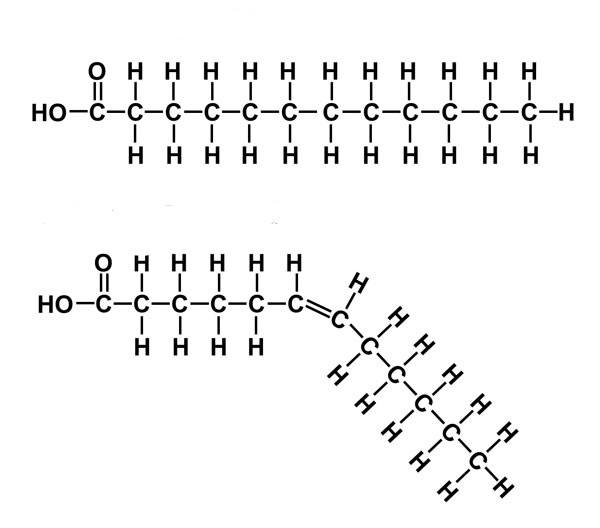
What macromolecule is shown above?
Carbohydrate
Lipid
Protein
Nucleic Acid

What macromolecule is shown above?
Carbohydrate
Lipid
Protein
Nucleic Acid

What macromolecule is shown above?
Carbohydrate
Lipid
Protein
Nucleic Acid
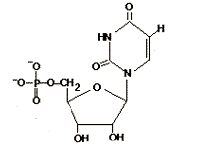
What macromolecule is shown above?
Carbohydrate
Lipid
Protein
Nucleic Acid

What macromolecule is shown above?
Carbohydrate
Lipid
Protein
Nucleic Acid

What macromolecule is shown above?
Carbohydrate
Lipid
Protein
Nucleic Acid
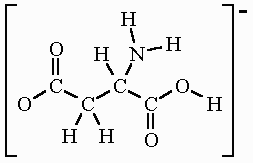
What macromolecule is shown above?
Carbohydrate
Lipid
Protein
Nucleic Acid

What macromolecule is shown above?
Carbohydrate
Lipid
Protein
Nucleic Acid

What macromolecule is shown above?
Carbohydrate
Lipid
Protein
Nucleic Acid

What macromolecule is shown above?
Carbohydrate
Lipid
Protein
Nucleic Acid

What macromolecule is shown above?
Carbohydrate
Lipid
Protein
Nucleic Acid
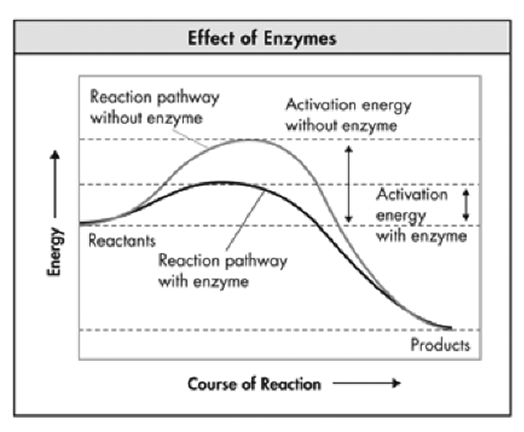
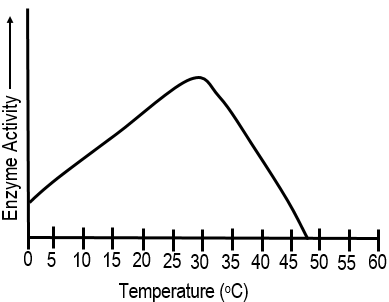
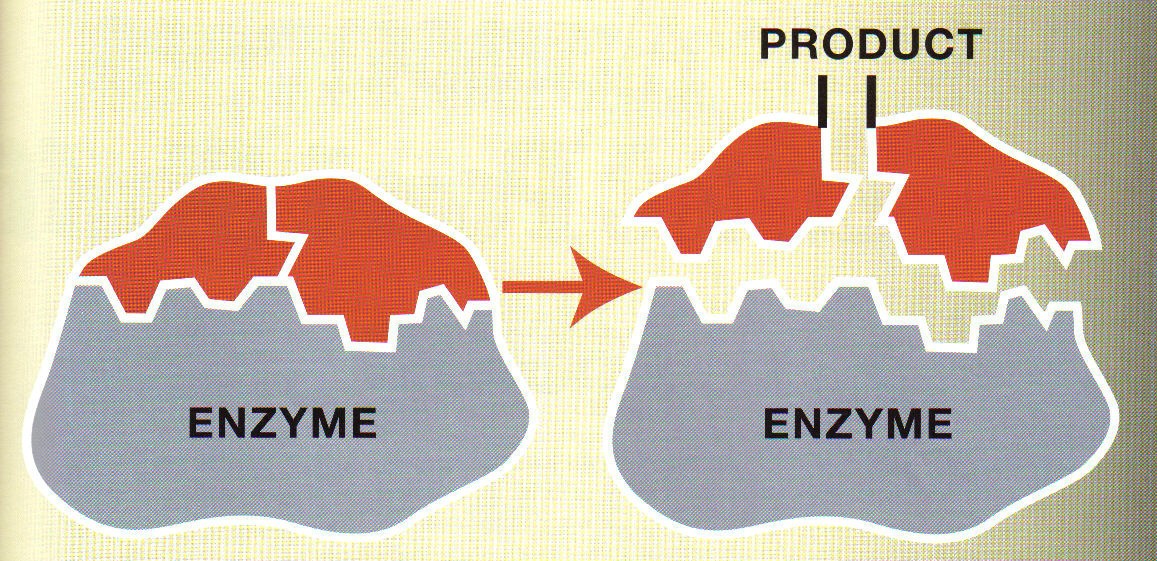
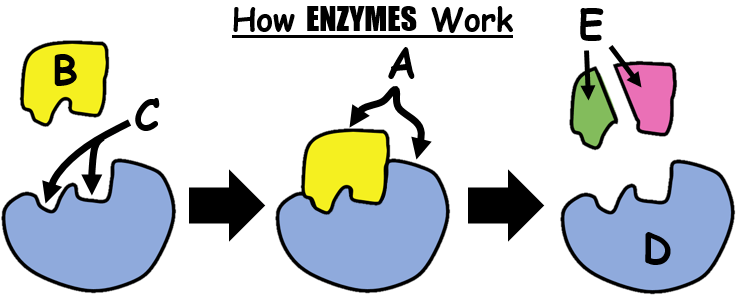
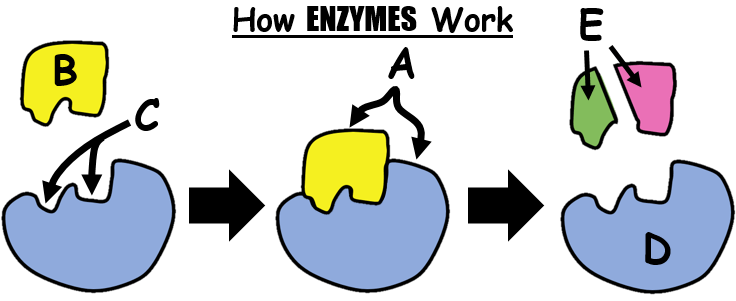
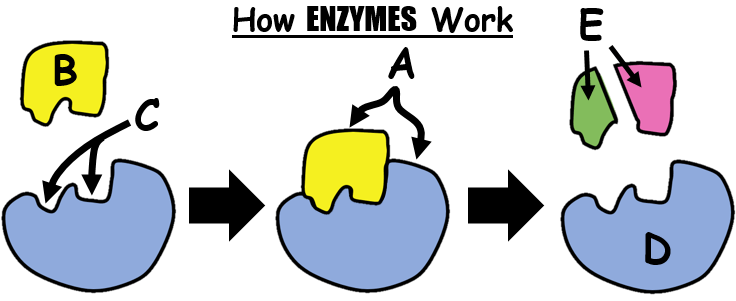
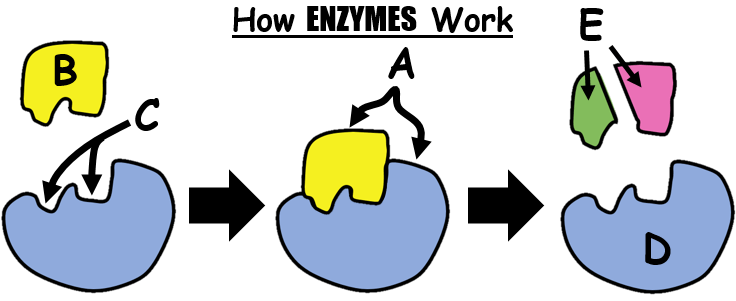
What happens when enzymes are heated to a high temperature?
The enzymes die.
The shapes of the enzyme are altered.
The enzymes' amino acid sequence changes.
The enzymes remain the same
Which type of biological macromolecule is the main component of the plasma membrane?
carbohydrate
lipid
protein
nucleic acid
What does "hydrophobic" mean?
water loving, associates with water
water fearing, does not associate with water
a world war II submarine
an example would be solutes like sugar or salt
What does "hydrophilic" mean?
water loving, associates with water
water fearing, does not associate with water
a world war II submarine
an example would be solutes like oil or fat
Which are example is hydrophobic in nature.
Oil
Sugar
Salt
Water



