wayground logo

Free Printable Worksheets

Font size

S
M
L
XL
Worksheets

Biomolecules

Total questions: 50

Worksheet time: 58mins

Name
Class
Date
1.

Which biomolecule is made of nucleotides and contains your DNA?

a)

Carbohydrate

b)

Lipids

c)

Protein

d)

Nucleic Acid

2.
Which biomolecule has sugars and starches?
a)
Lipids
b)
Proteins
c)
Carbohydrates
d)
Nucleic Acid
3.
Which biomolecule functions include enzymes­ which speeds the rate of chemical reactions, structural components in cells, mechanical functions in muscles and cytoskeleton, cell signaling, and immune response; provides structure and helps with chemical reactions 
a)
Protein
b)
Lipids
c)
Carbohydrate
d)
Nucleic Acid
4.
Which biomolecule is important source of energy for humans; glucose for human cells, tissues, and organs; provides fiber, sugar, and starches; provides structural support, cell wall, and cell membrane maker?
a)
Nucleic Acid
b)
Lipid
c)
Carbohydrate
d)
Protein
5.
Which biomolecule includes fats, such as triglycerides, oils, waxes, and steroids (cholesterol); insoluble in water; provides energy storage, insulation, part of cell membrane, and hormones 
a)
Nucleic Acid
b)
Lipids
c)
Carbohydrate
d)
Protein
6.

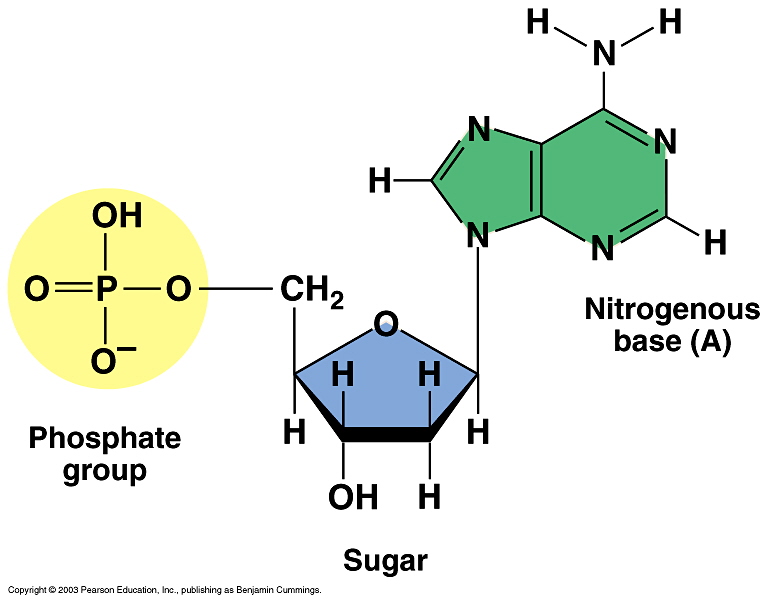
Identify the biomolecule that is built from repeating units of this monomer.

a)

Lipid

b)

Protein

c)

Carbohydrate

d)

Nucleic Acid

7.
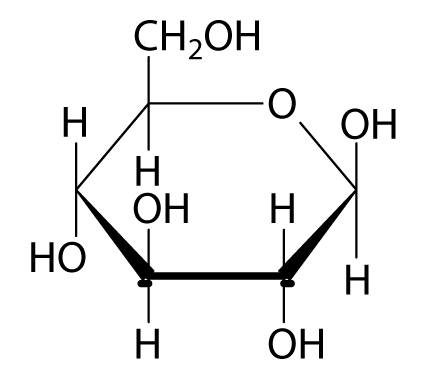
Identify the biomolecule
a)
Carbohydrate
b)
Lipid
c)
Protein
d)
Nucleic Acid
8.
What is the monomer for a protein?
a)
Monosaccharide
b)
Triglyceride
c)
Amino Acid
d)
Nucleotide
9.

This biomolecule would be used for

a)

Building enzymes

b)

Storing energy

c)

Key source of short-term energy

d)

Storing genetic information

10.
What is the monomer of nucleic acids?
a)
Glycerol
b)
Monosaccharides
c)
Amino Acids
d)
Nucleotides
11.

Which biomolecule is built from repeating units of the monomer pictured?

a)

Protein

b)

Nucleic Acid

c)

Lipid

d)

Carbohydrate

12.
The arrangement of which three components is used to distinguish one molecule from another?
a)
carbon, hydrogen, and oxygen
b)
glucose, fructose, and ribose
c)
peptide, fatty acid, and purine
d)
water, carbon dioxide, and notrogen
13.
The waxy, organic substances used by aquatic birds to coat their feathers, when analyzed consists mostly of 
a)
lipids
b)
proteins
c)
carbohydrates
d)
nucleic acids
14.
Which biomolecule is responsible for insulation and energy storage?
a)
Protein
b)
Nucleic Acid
c)
Lipid
d)
Carbohydrate
15.

Which biomolecule helps form muscles?

a)

Nucleic Acid

b)

Carbohydrate

c)

Protein

d)

Lipids

16.
Which biomolecule is your main source of quick energy?
a)
Nucleic Acid
b)
Protein
c)
Lipid
d)
Carbohydrate
17.
Which biomolecule contains fats and oils?
a)
Proteins
b)
Nucleic Acid
c)
Lipids
d)
Carbohydrate
18.
Which biomolecule contain your genetics?
a)
Carbohydrate
b)
Lipid
c)
Nucleic Acid
d)
Protein
19.
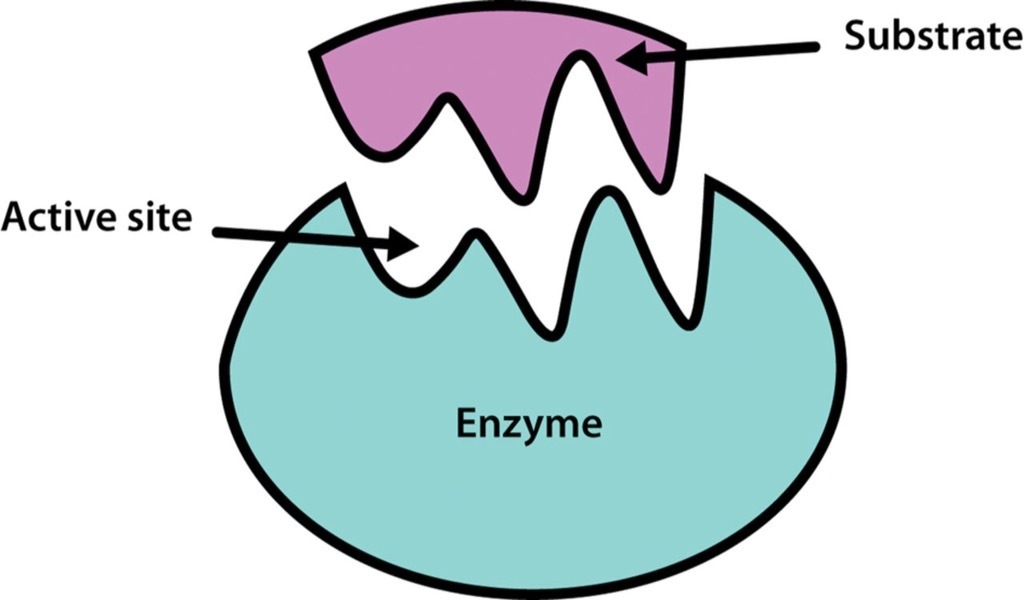
The conditions for an enzyme to work need to be ____________
a)
specific
b)
normal
c)
variable
d)
don't matter
20.
If you want a reaction to speed up you need an _________.
a)
nucleic acid
b)
enzyme
c)
nerve cell
d)
carbohydrate
21.
All polymers are made up of...
a)
monosaccharides
b)
monomers
c)
proteins
d)
None of these
22.
Which biomolecule is responsible for insulation and energy storage?
a)
Protein
b)
Nucleic Acid
c)
Lipid
d)
Carbohydrate
23.
What biomolecule do enzymes belong to? 
a)
Carbohydrate
b)
Lipid
c)
Nucleic Acid
d)
Protein
24.
Which biomolecule is a main source of quick energy?
a)
Nucleic Acid
b)
Protein
c)
Lipid
d)
Carbohydrate
25.
Lipids are made up of which of the following?
a)
glycerol and fatty acids tails
b)
glycerol and monolipids
c)
fatty acids and phosolipids
d)
amino acids and nucleotides
26.

3. Which biomolecules act as energy storage for the cell and also cushions and insulates organs?

a)

Carbohyrdates

b)

Lipids

c)

Proteins

d)

Nucleic Acids

27.
If we think of DNA as a ladder, which parts are the steps of the ladder?
a)
the nitrogenous base pairs
b)
the phosphate-sugar backbone
c)
the genes
d)
the phospholipid bilayer
28.
DNA is a polymer made of:
a)
Nucleotides
b)
Ribosomes
c)
Purines
d)
Pyrimidines
29.
What are the three components of a nucleotide?
a)
sugar, hydrogen, nitrogen base
b)
sugar, oxygen, nitrogen base
c)
sugar, phosphate, nitrogen base
d)
sugar, phosphate, protein
30.
What kind of information does DNA carry?
a)
genetic
b)
nuclear
c)
cell structure
d)
it doesn't carry any info
31.

A substance that initiates or speeds up a chemical reaction and is not permanently changed in the process.

a)

Hydrolysis

b)

Coenzyme

c)

Catalyst

d)

activation energy

32.

Which of the following elements are found in all macromolecules? (Select all that apply).

a)
b)
c)
d)
33.

Match the following

a)
1.

carbohydrate

b)
2.

lipid

c)
3.

protein

34.

Which among the following correctly describes lipids?

a)

it is soluble with water

b)

it is insoluble with water

c)

all forms of lipids are bad for the health

d)

its monomer is amino acid

35.

A student makes a Venn diagram to compare the functions of carbohydrates and lipids.

Which function of carbohydrates and lipids should be placed in the shared section of the Venn diagram?

a)

Hormone production

b)

Structural support of cell walls

c)

Energy storage

d)

Catalyst for chemical reactions

36.

_________ are utilized as a form of fast energy source. ________ provide longer term energy and storage.

a)

carbohydrates, lipids

b)

lipids, carbohydrates

c)

protein, carbohydrates

37.

A major component of the plasma membrane is made of which biomolecule?

a)

Lipid

b)

Nucleic Acid

c)

Protein

d)

Carbohydrate

38.

DNA and RNA are classified as....

a)

Lipids

b)

Carbohydrates

c)

Nucleic Acids

d)

Protein

39.

Many carbohydrates tend to end in......

a)

"ose"

b)

"ase"

c)

"ing"

d)

"ain"

40.

Plant cell walls consist of cellulose, a type of sugar, what is it best classified as.

a)

Carbohydrate

b)

Protein

c)

Nucleic Acid

d)

Lipids

41.

Functions can include providing structure, aiding in muscle movement, and aiding reactions.....

a)

Carbohydrates

b)

Proteins

c)

Nucleic Acid

d)

Lipids

42.

The following image shows a source of.....

a)

Carbohydrates

b)

Proteins

c)

Nucleic Acids

d)

Lipids

43.

The following image shows a source of.....

a)

Carbohydrates

b)

Proteins

c)

Nucleic Acids

d)

Lipids

44.

The following image shows a source of.....

a)

Carbohydrates

b)

Proteins

c)

Nucleic Acids

d)

Lipids

45.

Cholesterol contains fatty chains of C,H,and O. It helps with the fluidity of the cell membrane it would best be classified as a?

a)

Lipid

b)

Nucleic Acid

c)

Protein

d)

Carbohydrate

46.

Monomers are....

a)

the smaller building blocks for biomolecules

b)

the complex components for biomolecules

c)

the finalizing step to building biomolecules

47.
What is the monomer of a lipid?
a)
monosaccharide
b)
nucleic acid
c)
fatty acid
d)
amino acid
48.
In the phospholipid, the polar head is considered what type of structure?
a)
hydrophobic
b)
insoluble
c)
hydrophilic
49.
Lipids do not dissolve in water because they are _______________
a)
polar
b)
water soluble
c)
non-polar
50.
All of the following are lipids except __________
a)
ear wax
b)
saturated fats
c)
cholesterol
d)
starch