Wayground logo

Free Printable Worksheets

Font size

S
M
L
XL
Worksheets

Unit 1 review 2023

Total questions: 77

Worksheet time: 2hrs 9mins
Name
Class
Date
1.
When electrons are shared unequally a/an ___________ bond is formed 
a)
ionic 
b)
hydrogen
c)
polar covalent 
d)
nonpolar covalent
2.
This happens when a hydrogen atom is bonded to an oxygen, nitrogen, or fluorine atom. 
a)
Covalent Bonding
b)
Valence Electrons
c)
Ionic Bonding
d)
Hydrogen Bonding
3.
The attraction of water molecules to one another.
a)
Adhesion
b)
Valence Electron
c)
Cohesion
d)
Hydrogen Bonding
4.
The attraction of water to other polar molecules.
a)
Cohesion
b)
Adhesion
c)
Ionic Bonding
d)
Hydrogen Bonding
5.

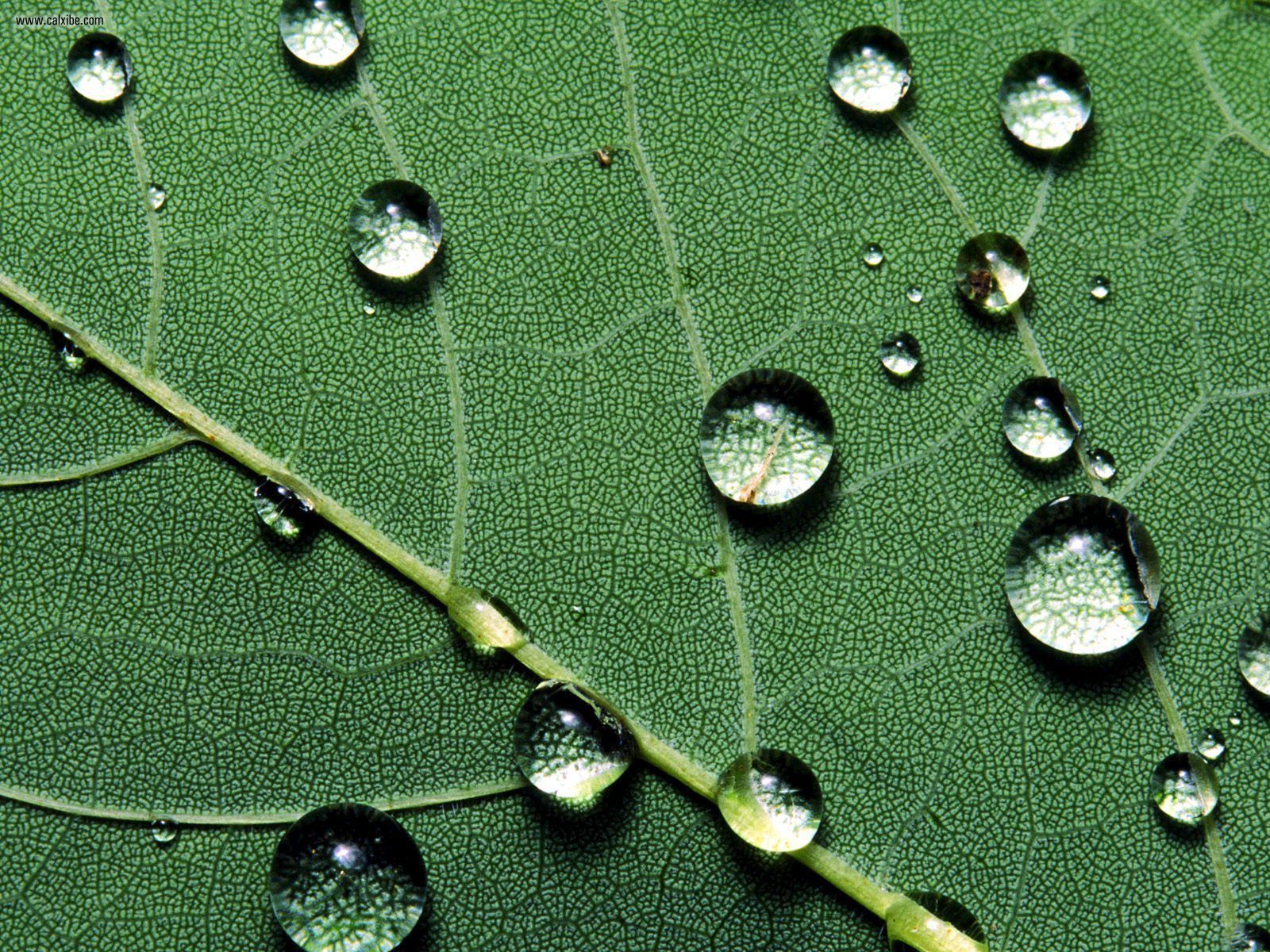
Refer to the picture of water sticking to a leaf; this is occurring because of:

a)

Adhesion

b)

Cohesion

6.

Surface tension is the property of water in which...

a)

water molecules at the surface tend to stick together.

b)

water spills easily.

c)

water tends to be see-through.

7.

Describe COHESION.

a)

Water molecules attracted to other substances.

b)

Water molecules climbing upwards against the force of gravity.

c)

Water molecules dissolving many substances because of its polarity.

d)

Water molecules attracted to other water molecules.

8.
Attractions between water molecules are called
a)
Covalent bonds
b)
Ionic bonds
c)
Polar bonds
d)
Hydrogen bonds
9.

Biology starts at the level of ___________ and moves through the study of biospheres.

a)

atoms

b)

cells

c)

organs

d)

organisms

10.

a major component of genes and proteins

a)

nitrogen

b)

sulfur

c)

iron

d)

oxygen

11.

is an important part of dna molecules

a)

phosphorus

b)

hydrogen

c)

sulfur

d)

iron

12.

abundant in plants and helps the soil break down microbes to make nutrients

a)

hydrogen

b)

phosphorus

c)

calcium

d)

sulfur

13.

the main element in the hard part of bones

a)

nitrogen

b)

hydrogen

c)

oxygen

d)

calcium

14.

essential for metabolic processes in the body like the synthesis of proteins used during electron transport for aerobic cell respiration

a)

iron

b)

calcium

c)

sulfur

d)

phosphorus

15.
What does not produce carbon dioxide?
a)
Photosynthesis
b)
Burning Fossil Fuels
c)
Animal respiration
d)
Plants decaying
16.
Which biomolecule is found in pasta and bread?
a)
Lipid
b)
Protein
c)
Nucleic Acid
d)
Carbohydrate
17.
Which biomolecule is a main source of quick energy?
a)
Nucleic Acid
b)
Protein
c)
Lipid
d)
Carbohydrate
18.
Which biomolecule is found in fats, oils, and waxes and is a source of long-term energy? 
a)
Proteins
b)
Nucleic Acid
c)
Lipids
d)
Carbohydrate
19.
What is the function of a nucleic acid?
a)
Stores genetic information
b)
Stores energy
c)
Quick source of energy
d)
Builds structures
20.
Carbon, Hydrogen, Oxygen and Nitrogen are elements in what biomolecule?
a)
Carbohydrate
b)
Lipid
c)
Protein
d)
Nucleic acid
21.
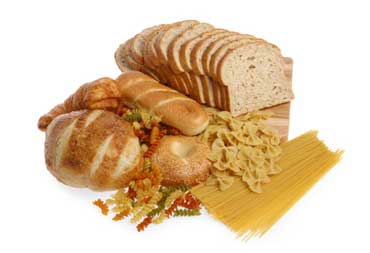
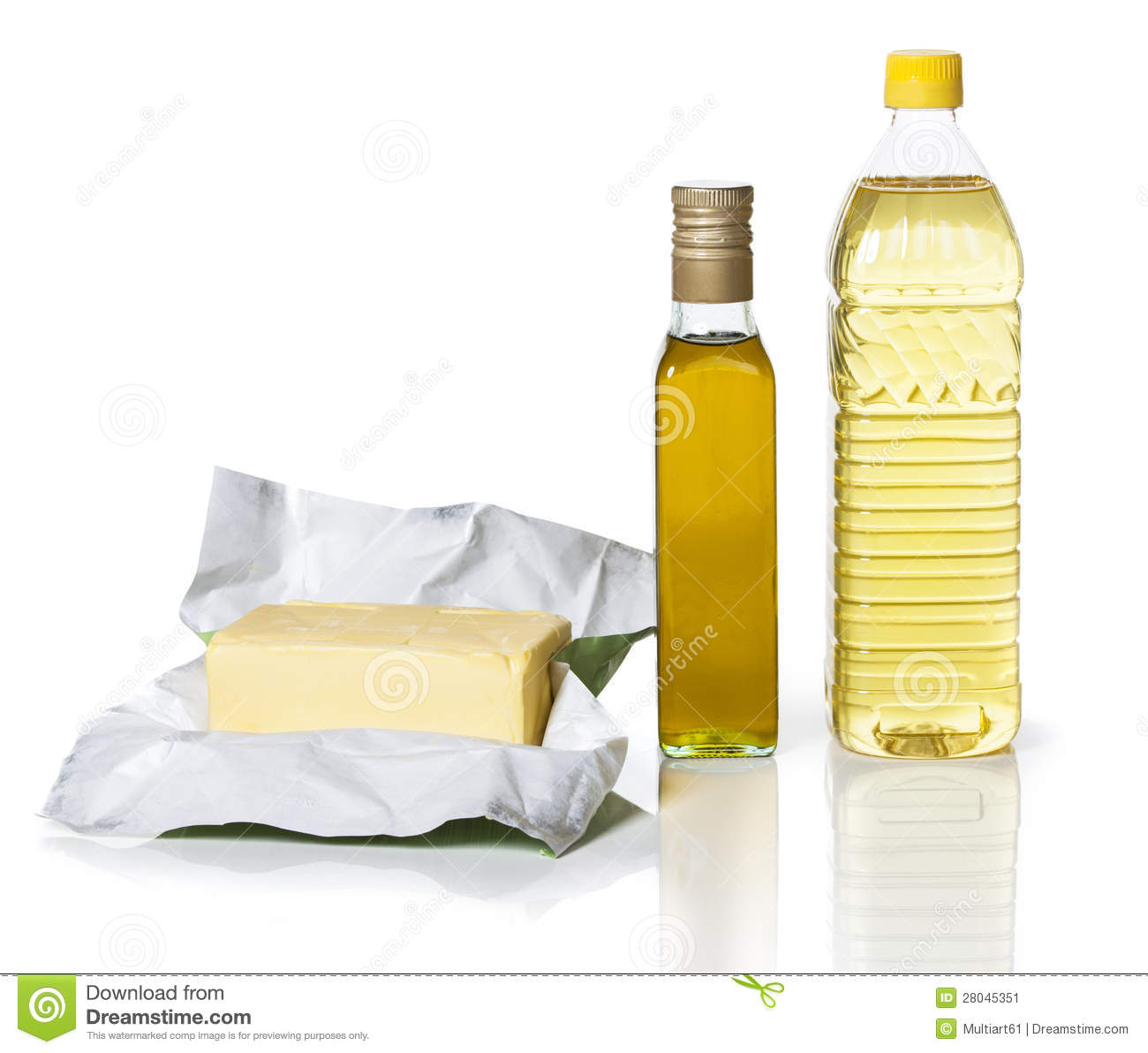
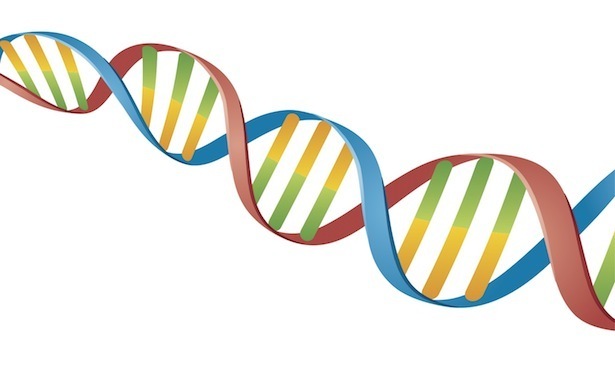
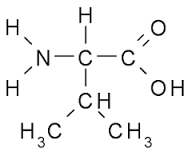
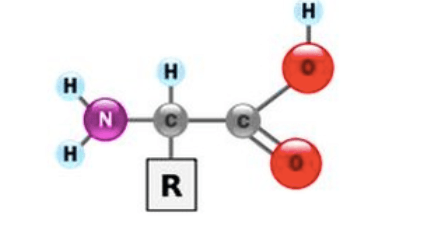
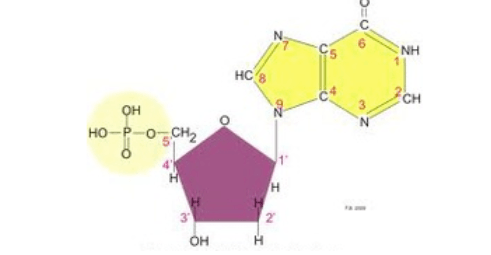
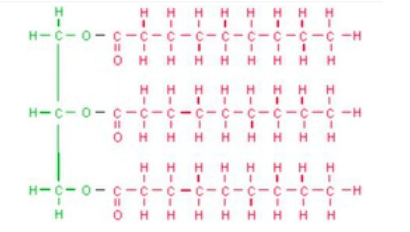
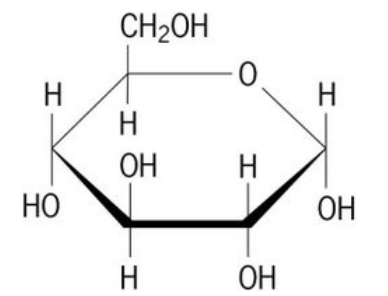
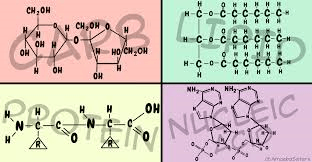
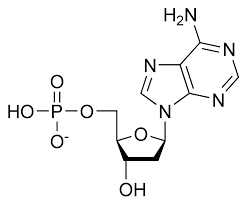
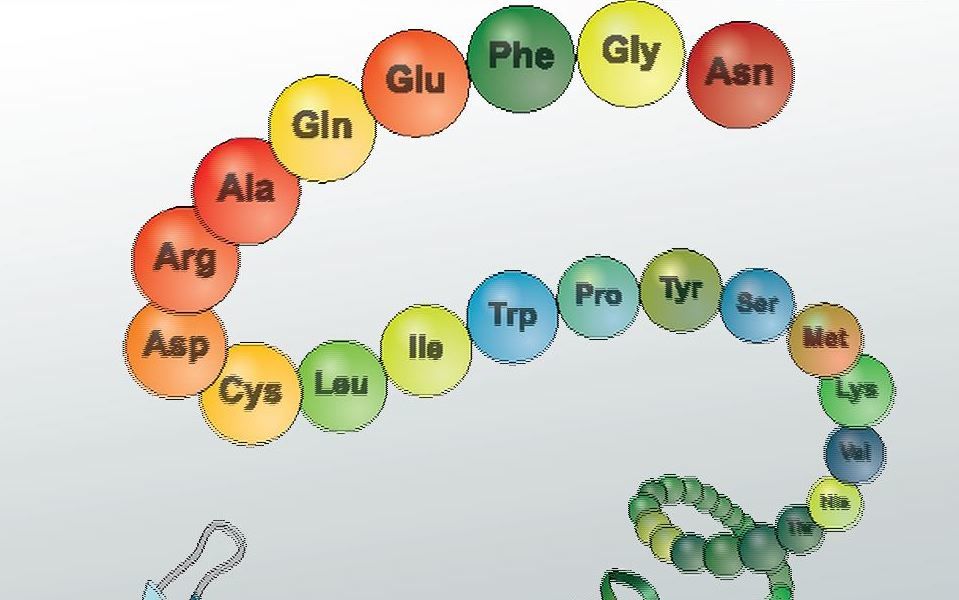
Which biomolecule is this a picture of?
a)
Protein
b)
Nucleic Acid
c)
Lipid
d)
Carbohydrate
22.
Which biomolecule is this a picture of?
a)
Protein
b)
Nucleic Acid
c)
Lipid
d)
Carbohydrate
23.
Which biomolecule is this a picture of?
a)
Protein
b)
Nucleic Acid
c)
Lipid
d)
Carbohydrate
24.
Which biomolecule is this a picture of?
a)
Protein
b)
Nucleic Acid
c)
Lipid
d)
Carbohydrate
25.

Which biomolecule helps form muscles?

a)

Nucleic Acid

b)

Carbohydrate

c)

Protein

d)

Lipids

26.
Which biomolecule is made of nucleotides and contain you DNA?
a)
Carbohydrate
b)
Lipids
c)
Protein
d)
Nucleic Acid
27.
What elements are common to all 4 biomolecules?
a)
Carbon, hydrogen, nitrogen
b)
Carbon, Nitrogen, Phosphorus
c)
Carbon, Hydrogen, Oxygen
d)
Carbon, Hydrogen, Phosphorus
28.
A monomer is ...
a)
a single atom
b)
a building block for polymers
c)
a single element
d)
is an inorganic molecule
29.
Include waxes, oils, steroids (hormones)
a)
Carbohydrates
b)
Lipids
c)
Proteins
d)
Nucleic Acids
30.

Identify the macromolecule associated with this image.

a)

Protein

b)

Carbohydrate

c)

Lipid

d)

Nucleic Acid

31.

Identify the macromolecule associated with this image.

a)

Protein

b)

Carbohydrate

c)

Lipid

d)

Nucleic Acid

32.

The presence of which element in nucleic acids distinguishes them from proteins?

a)

nitrogen

b)

carbon

c)

sulfur

d)

phosphorus

33.

Uses for phosphates include...

a)

ATP

b)

DNA and RNA

c)

Skeletons in vertebrates

d)

All of the above

34.
The process of removing water in order to form a bond between monomers is called....
a)
Dehydration Synthesis
b)
Hydrolysis
35.
The process of adding water in order to break bonds within a polymer....
a)
Dehydration Synthesis
b)
Hydrolysis
36.
The following figure is illustrating
a)
Dehydration Synthesis
b)
Hydrolysis
37.
The following figure is illustrating
a)
Dehydration Synthesis
b)
Hydrolysis
38.
The following figure is illustrating
a)
Dehydration Synthesis
b)
Hydrolysis
39.
DNA and RNA are examples of...
a)
proteins
b)
nucleic acids
c)
carbohydrates
d)
lipids
40.
What is the monomer of nucleic acids?
a)
Glycerol
b)
Monosaccharides
c)
Amino Acids
d)
Nucleotides
41.
Which macromolecule is this?
a)
carbohydrate
b)
lipid
c)
protein
d)
nucleic acid
42.
What are the components of a nucleotide?
a)
nitrogen base, phosphate group, and pentose sugar
b)
pentose sugar, purine, and pyrimidine
c)
nitrogen base and a phosphate group
d)
DNA, phosphate group, monosaccharide
43.
What is the difference between DNA and RNA from the point of view of the nitrogenous bases that are present in their nucleotides?
a)
In DNA, nucleotides can be made up of A, T, C, G. In RNA, nucleotides can also contain A, C or G; however, instead of T, they contain U.
b)
Purine and Pyrimidine
c)
Pyrimidine: Thymine, Cytosine (Urical)
d)
DNA, RNA
44.
RNA contains the sugar...
a)
Deoxyribose
b)
Glucose
c)
Ribose
d)
Lipids
45.
All organic compounds contain the element
a)
carbon
b)
nitrogen
c)
phosphorus
d)
sulfur
46.
Which macromolecule is this?
a)
protein
b)
lipid
c)
nucleic acid
d)
carbohydrate
47.

Which of the following describes the secondary structure of proteins?

a)

The sequence of amino acids

b)

The α-helix and β-pleated sheet folding

c)

The folding of the polypeptide chain due to the 'R' groups

d)

The joining of different protein molecules to make one big molecule
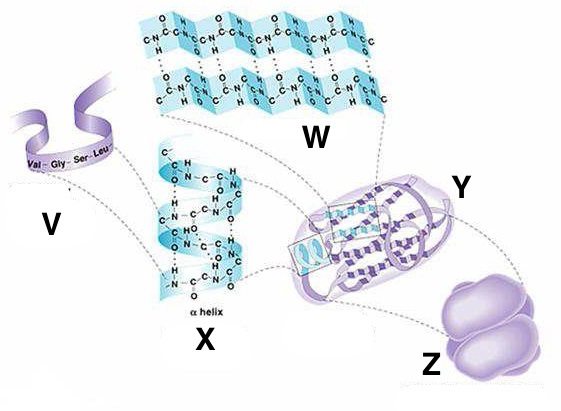
48.

What is one of the functions of a protein?

a)

cell energy

b)

enzymes

c)

long term energy storage

d)

contain genetic information

49.
The name of the initial chain of monomers in a protein is called.....
a)
polypeptide
b)
polysaccharide
c)
polyester
d)
polynucleotide
50.

Why is folding so important in proteins?

a)

It gives them a unique, functional shape

b)

It makes them look tidier

c)

It makes every protein molecule different from the next even if they are the same type

d)

The folding is random so is not that important at all

51.

The main bonding in the secondary structure of a protein is due to.....

a)

covalent bonding

b)

ionic bonding

c)

hydrogen bonding

d)

polar bonding

52.

The tertiary structure folding in proteins is primary due to the interactions of....

a)

the 'R' groups

b)

the 'P' groups

c)

the 'A' groups

d)

the 'S'

53.

How many monomers can a protein molecule contain?

a)

10

b)

100

c)

1,000

d)

10,000+

54.

What gives a protein its unique shape?

a)

the unique sequence of amino acids in its polypeptide chain

b)

the unique folding due to the sequence of amnio acids in the polypeptide chain

c)

hydrogen bonding & unique interactions between the 'R' groups

d)

all of these

55.

which of the following terms refers to the order in which amino acids are linked together in a protein.

a)

Primary

b)

Secondary

c)

Tertiary

d)

Quaternary

56.

The chain of amino acids folds and coils on itself

a)

Primary

b)

Secondary

c)

Tertiary

d)

Quaternary

57.

The entire polypeptide forms a three-dimensional structure

a)

Primary

b)

Secondary

c)

Tertiary

d)

Quaternary

58.
What is a peptide bond?
a)
Bond that holds two amino acids together.
b)
A bond that holds hydrogen and oxygen molecules together.
c)
A bond that holds the phosphate group of one nucleotide and a sugar of a neighboring nucleotide.
d)
A bond that is formed by the sharing of electrons.
59.
How many different amino acids are there?
a)
15
b)
20
c)
25
d)
30
60.
Which elements are found in carbohydrates? 
a)
C, H, O
b)
C, H, O, and N
c)
C, H, O, N, and P
d)
C, H, O, N, and S
61.
Which type of carbohydrate is this?
a)
monsaccharide
b)
disaccharide
c)
polysaccharide
d)
glyceride
62.
Which type of carbohydrate is this?
a)
monosaccharide
b)
disaccharide
c)
polysaccharide
d)
glyceride
63.
This polysaccharide is important to the structure of plant cell walls 
a)
Starch
b)
Glycogen
c)
Cellulose
d)
Chitin
64.
_______is a monosaccharide.
a)
glucose
b)
sucrose
c)
glycogen
d)
cellulose
65.
What type of carbohydrate is this?
a)
polysaccharide
b)
disaccharide
c)
monosaccharide
d)
it isn't a carbohydrate
66.
Which of following are storage polysaccharides?
a)
starch and glucose
b)
chitin and cellulose
c)
starch and glycogen
d)
chitin and glycogen
67.
Which is a function of a carbohydrate?
a)
Pass on genetic traits.
b)
Store energy to be used long term.
c)
Provide quick energy
d)
Relay messages through the body.
68.
Sucrose is made up of 
a)
glucose + fructose
b)
glucose + glucose
c)
glucose + ribose
d)
glucose + galactose
69.

Lipids are composed of which atoms?

a)

Hydrogen, Oxygen, Nitrogen

b)

Hydrogen, Oxygen, Carbon

c)

Oxygen, Nitrogen, Carbon

d)

Oxygen, Nitrogen, Hydrogen

70.

What is the difference between a saturated fat and an unsaturated fat?

a)

Saturated fat is solid at room temperature and unsaturated fat is liquid at room temperature

b)

Saturated fat has a single bond and unsaturated fat has a double bond

c)

Saturated fats are bad for you and unsaturated fats are better for you.

d)

All of the above

71.

What is an example of a saturated fat?

a)

Olive oil

b)

Butter

c)

Corn oil

d)

Steroids

72.

What is an example of an unsaturated fat?

a)

Butter

b)

Coconut Oil

c)

Olive Oil

d)

Steroids

73.

Which diagram is a triglyceride?

a)
b)
c)
d)
74.
In the phospholipid, the polar head is considered what type of structure?
a)
hydrophobic
b)
insoluble
c)
hydrophilic
75.
An example of an unsaturated fat would be ________
a)
butter
b)
bacon fat
c)
vegetable oil
d)
scrapple
76.
Which of the following molecules make up the basic structure of a cell membrane?
a)
waxes
b)
steroids
c)
fatty acids
d)
phospholipids
77.
Which part of this phospholipid is hydrophobic?
a)
fatty lipid tails
b)
head
c)
all of it is hydrophobic
d)
none of it is hydrophobic