Worksheets
Biology Final REVIEW -Covid19
Total questions: 87
Worksheet time: 3hrs 50mins
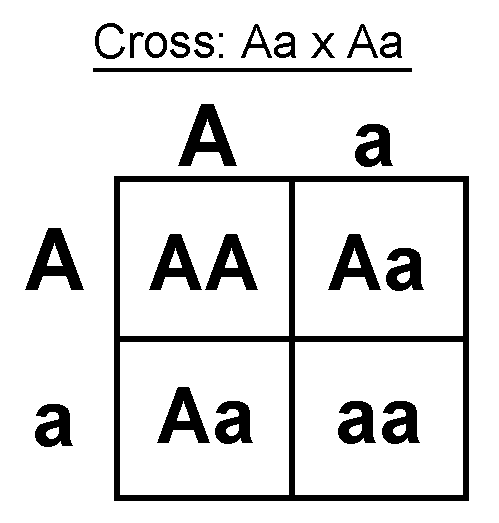
What are the possible phenotype(s) of the offspring? (A-Brown hair; a-blond hair)
50 % Brown Hair and 50% Blond Hair
25 % Brown Hair and 75% Blond Hair
75 % Brown Hair and 25% Blond Hair
0% Brown Hair and 100% Blond Hair
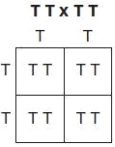
In pea plants: T=tall t=short
What ratio of the offspring could be short?
0 in 4
1 in 4
2 in 4
4 in 4

What are the possible genotypes for this cross?
TT = 25% Tt= 50% tt=25%
all tall
TT= 75% tt = 25%
Tt = 100%
How would you write a homozygous dominant genotype?
AA
Aa
aa
either AA or Aa
Which of the following genotypes is dominant?
AA
Aa
aa
both AA and Aa
Which of the following genotypes are homozygous?
Aa
BB
dd
BB and dd
If tall plants are dominant and short plants are recessive, how would you write the genotype for a homozygous tall plant?
BB
Bb
bb
If black fur is dominant and white fur is recessive, what genotype would an organism with white fur have?
FF
Ff
ff

Two identical alleles for a trait is known as
homozygous
heterozygous
mutation
codominance

A physical appearance is
genotype
heterozygous
phenotype
codominance

A mutation is harmful to an organism if it
changes the phenotype of an organism
changes the DNA segment
reduces the organism's chance of survival
makes the organism better able to avoid predators
What does Pp mean?
two dominant alleles
heterozygous alleles
one dominant allele
two dominant and recessive alleles
Genotype is
stem height
feather color
physical appearance
genetic makeup
What does RR mean
two dominant alleles
heterozygous alleles
at least one dominant allele
one dominant and one recessive allele
The genotype for a yellow plant is...
Predation means:
Living on or in another organism at that organisms expense
consuming another organism
getting a benefit from another organism without harming or helping it
getting a benefit from another organism while helping it
belonging in the same niche with limited resources
Parasitism means:
Living on or in another organism at that organisms expense
consuming another organism
getting a benefit from another organism without harming or helping it
getting a benefit from another organism while helping it
belonging in the same niche with limited resources
Commensalism means:
Living on or in another organism at that organisms expense
consuming another organism
getting a benefit from another organism without harming or helping it
getting a benefit from another organism while helping it
belonging in the same niche with limited resources
mutualism means:
Living on or in another organism at that organisms expense
consuming another organism
getting a benefit from another organism without harming or helping it
getting a benefit from another organism while helping it
belonging in the same niche with limited resources
competition means:
Living on or in another organism at that organisms expense
consuming another organism
getting a benefit from another organism without harming or helping it
getting a benefit from another organism while helping it
belonging in the same niche with limited resources

The clownfish and anemone are mutualistic because:
the clown fish gets protection
the anemone gets food
they live together
both get eaten by other fish

Mosquitoes are parasitic with humans because:
They feed off human blood
The human host is harmed
They are annoying
they spread disease

bromeliads and trees are in a commensal relationship because
the tree provides shelter and an environment for the bromeliad
the tree is harmed from the bromeliad taking food from it
the tree is not harmed or helped by the bromeliad
the tree takes nutrients from the bromeliad

The wasp is a parasite to the caterpillar because
The larvae live in the caterpillar
the larvae eat the caterpillar
the caterpillar takes the eggs away from the parents
the caterpillar eats the flowers the wasps pollinate

The peacocks are in a competitive relationship because:
they occupy the same ecological niche
they both want the attention of the peahen
they need to see who is biggest
they need to see who is prettiest

The anteater is a predator to the termites because:
They eat the termites
the termite population is controlled
termites are a pest
termites eat trees and wooden structures
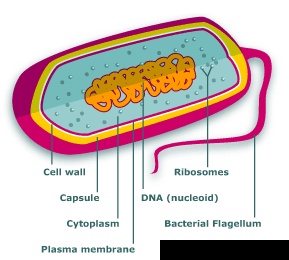
Which of the following is found inside a prokaryote?
cytoplasm
DNA
ribosomes
fleas
The __________ is the basic unit of life.
cell
DNA
Nucleus
Nucleoid
Eukaryotic cells are...
complex
simple
complicated
Prokaryotic cells are
more organized
complex
simple
Examples of Eukaryotic cells ...
plants
bacteria
animals
fungi
Examples of Prokaryotic cells
plants
fungi
bacteria
animals
What is the main function of carbohydrates in the body?
Protect the organs
Keeps you feeling full
Supply energy for cells
Repairs body tissues
What is an example of a simple carbohydrate?
Corn
Beans
Diet Coca Cola
Gummy Bear Candy
What is an example of a complex carbohydrate?
Chicken
Chocolate bar
Potato
2% Milk
Which is NOT a carbohydrate?
Oil
Potatoes
Sugar
Rice

Fats and oils: a major source of food providing long term energy and other functions.
Sugars
Carbohydrates
Lipids
Proteins

Long term energy storage,
help form cell membranes, and provide parts of other biomolecules like hormones.
Functions of Sugars
Functions of Polysaccharides
Functions of Carbohydrates
Functions of Lipids
What are the monomers of proteins?
triglycerides
monosaccharides
nucleotides
amino acids
DNA and RNA are what type of macromolecule?
lipids
nucleic acids
carbohydrates
enzymes


A type of succession where a ecosystem starts with soil, like after a forest fire or farm is called...
primary succession
secondary succession
tertiary succession
variable succession
Low species diversity; more time
primary succession
ecological succession
secondary succession
intermediate
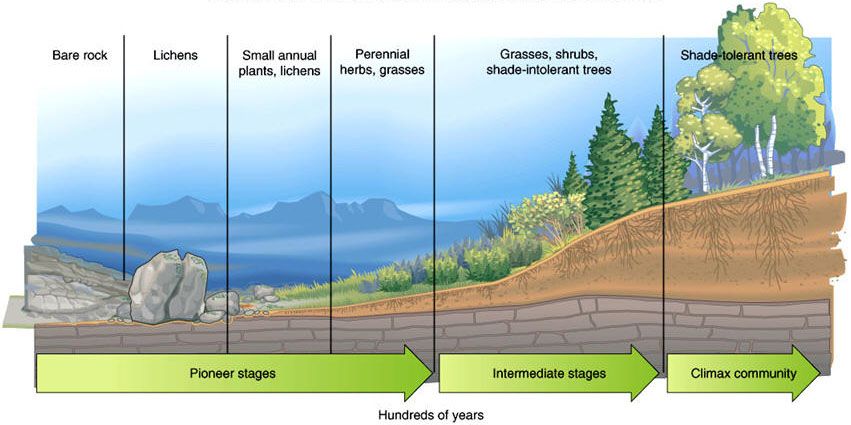
The picture shows what type of succession starting with bare rock?
primary
secondary
tertiary
quadanary
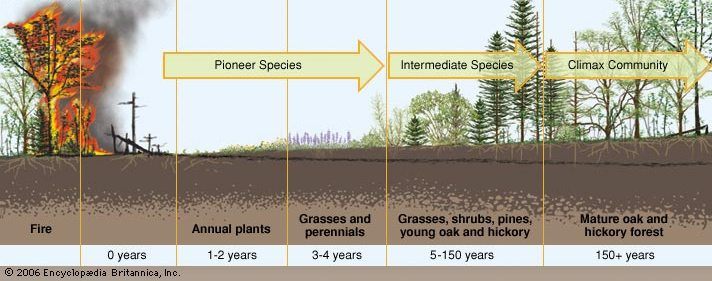
The picture shows what type of succession starting with soil already in place?
primary
secondary
tertiary
quadanary
The process in which nitrogen circulates and is recycled is called
The nitrogen cycle
The carbon cycle
The water cycle
The phosphorus cycle
Organisms that need nitrogen to survive.
only plants
only animals
only bacteria
all living things
How is nitrogen "fixed" into a usable form for plants?
Through action of bacteria only
Through lightning only
Through action of bacteria and lightning
Through photosynthesis
How do animals get the nitrogen they need?
From the air they breathe
From the water they drink
From the food they eat
From the sun
Gas that makes up 78% of our atmosphere.
Oxygen
Nitrogen
Hydrogen
Carbon Dioxide