
 Worksheets
tto 3 | unit 17 18 19 | Organic Chemistry
Total questions: 69
Worksheet time: 44mins
Which of the following is unsaturated hydrocarbon ?
propane
propene
propanol
propanoic acid
A compound consists of carbon and hydrogen elements only. It also contains a carbon-carbon double bond. This compound is known as
saturated organic compound
unsaturated organic compound
saturated hydrocarbon
unsaturated hydrocarbon

Which of the following is the monomer for this polymer ?
ethene
ethane
propane
propene

This is the general formula of
decane
decene
pentanol
butanoic acid


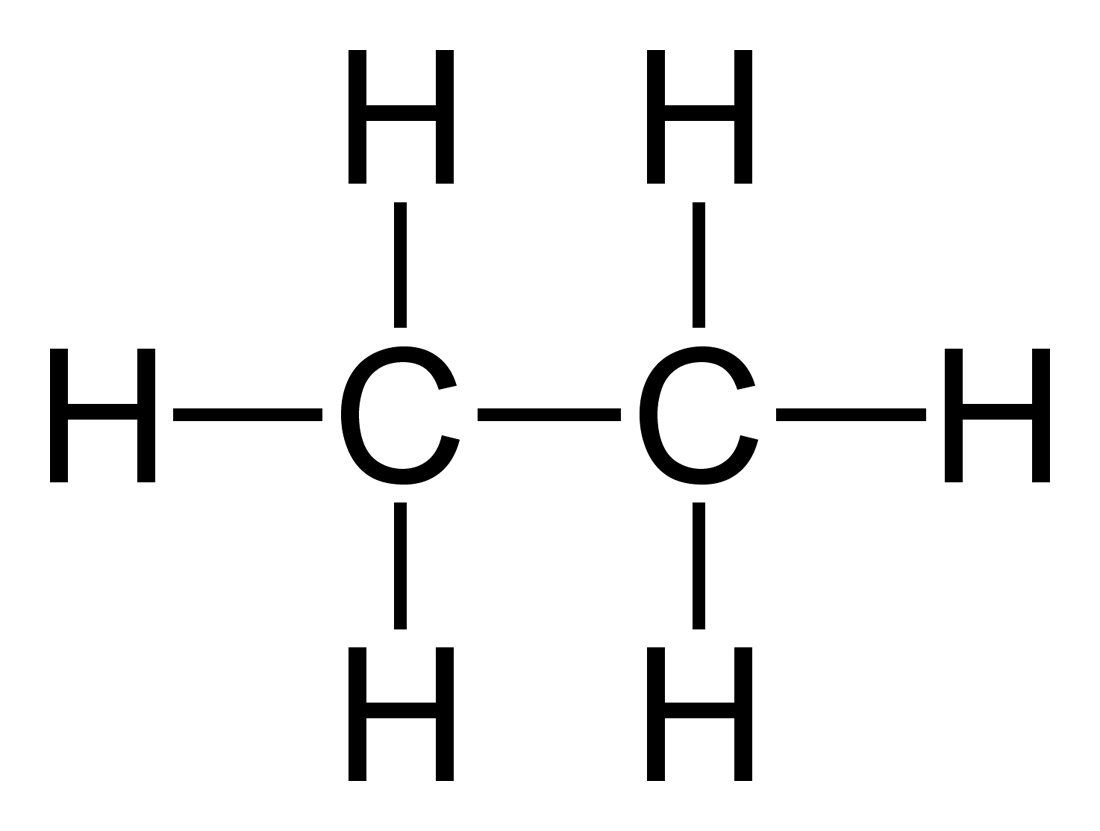
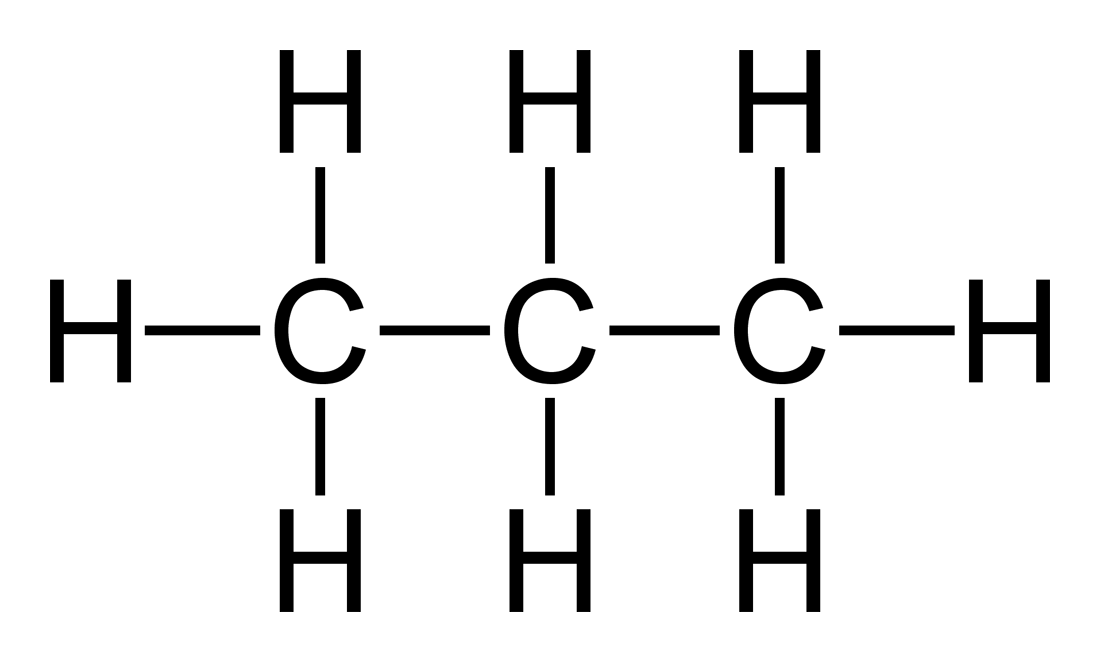
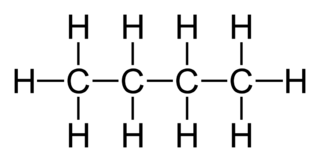


Identify the main characteristics of an organic compound
Low melting point
nonpolar
non-conductor
All of the above

Given the formula representing a compound:
Which formula represents an isomer of this compound?


Which formulas represent compounds that are isomers of each other?


Given a formula representing a compound:Which formula represents an isomer of this compound?


What is fractional distillation?
a process used to separate crude oil
a process used to burn up fuels
a way to make different products
how oil is extracted from the ground
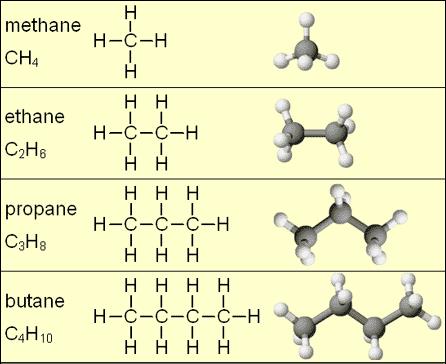
Which of these substances is not a hydrocarbon?
methane
ethane
propane
butane
ammonia
Fractional distillation separates crude oil based on the different __________ of the molecules in the mixture
melting point
boiling point
freezing point
chemical reactivity
A fraction of crude oil is made up of:
Hydrocarbons of similar chain lengths
Numbers
Large hydrocarbons
Alkenes only
Crude oil is made up of:
Ethane
Butane
A mixture of different hydrocarbons
Extremely large hydrocarbons which are broken up once extracted
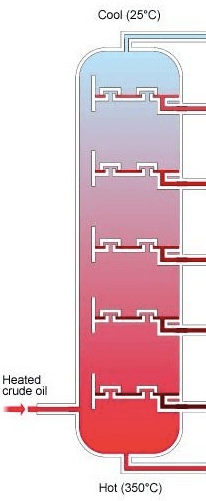
What process happens at each level in the fractionating column?
Evaporation
Condensation
Combustion
What process happens as the crude oil enters the fractionating column?
Evaporation
Condensation
Combustion

Where do short chain hydrocarbons collect?
At the top
In the middle
At the bottom

Where do long chain hydrocarbons collect?
At the top
In the middle
At the bottom
Shorter hydrocarbons have:
Higher boiling points
Lower boiling points
Complete the equation C16H34 ---> __________ + C2H4
C16H34
C2H30
C10H20
C14H30
C10H22 --> C5H12 + C3H6 + ?
C2H4
C3H4
CO2
CH4
When testing for alkenes (unsaturation) bromine water turns from...
orange --> blue/black
colourless --> pink
orange --> colourless
orange --> clear
Cracking large hydrocarbons releases...
alkanes and alkenes
alkanes only
alkenes only
polymers only
Identify the groups of molecules that are arranged in a homologous series.
methane, ethane, propane, butane
ethane, ethene, ethyne
pentane, pentan-1-ol, pentanal, pentanoic acid
heptan-1-ol, heptan-2-ol, heptan-3-ol, heptan-4-ol
methanol, ethanol, propan-1-ol, butan-1-ol
What properties are the same or similar within a homologous series?
Functional group
Reactivity with other chemicals
Boiling point
Carbon chain length
Solubility in water
Which compound will have the highest boiling point?
Methane
Ethane
Propane
Butane

What functional group is found in the following molecule:
halide
hydroxide
carboxyl
amide
Which one of these is a correct description of a monomer
An atom in a polymer
A molecule with only single bonds
A repeat unit in a polymer
An atom use to make polymer
Which statement is incorrect?
Many plastics are biodegradable.
Plastics from crude oil cannot be broken down in the soil or water by micro-organisms.
Plastics can kill wildlife.
Many plastics are non-biodegradable.
Which statement is incorrect?
Plastics are broken down by micro-organisms when put into landfill sites.
Plastics can be burned and the heat can be used for heating and the production of electricity, but poisonous gases are produced in the process.
Some plastics can be recycled by melting them and moulding them into new articles.
Some plastics can be melted, then cracked and then re-polymerised to make new articles.
Name a type of plastic and an object made out of this polymer. This question is always marked as correct. The teacher will take a look at these open ended questions.
There are different models to represent the concept of polymerisation. Name one of these models. This question is always marked as correct. The teacher will take a look at these open ended questions.
Ethanol has many different uses such as desinfectant. Name another use. This question is always marked as correct. The teacher will look at this answer.
Which ways of forming ethanol are correct?
By fermentation from ethene
By fermentation from glucose
By addition of steam to ethene
By addition of steam to glucose
Which factor to increase the speed of reaction is applied when manufacturing ethanol from steam and ethene?
High concentration/pressure
High temperature
Presence of a catalyst
All of the other options
What functional group is typical for an alcohol?
-OH
C-C
C=C
-COOH
Which statement about cracking is incorrect?
The demand for some petroleum fractions is greater than the supply. Thereof cracking comes into good use.
Cracking is used to break long-chained alkanes to shorter-chained alkanes and alkenes.
Cracking is carried out using a high temperature and a catalyst.
None of the other options.
Name a fraction of crude oil and the use of this fraction. This question is always marked as correct. The teacher will take a look at these open ended questions.
Which statement about a good fuel is the least correct.
A good fuel needs to produce as much energy as possible per gram.
A good fuel needs to produce the least pollution possible.
A good fuel needs to be easy to use. Thereof preference is given to liquid and gaseaous fuels.
A good fuel needs to be readily available. It needs to be easy to get it.
A good fuel needs to be cheap. The less we pay, the more we use.
Fill in gas, liquid or solid. Petrol is a (a) fuel.
Fill in gaseous, liquid or solid. Butane is a (a) fuel.

