wayground logo

Free Printable Worksheets

Font size

S
M
L
XL
Worksheets

Environmental Science Final Review

Total questions: 85

Worksheet time: 1hrs 2mins

Name
Class
Date
1.

Which of these is point-source pollution?

a)

Oil spilling from supertanker

b)

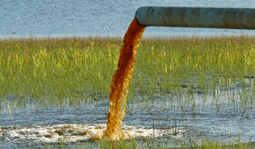
Drainpipe spilling waste into river

c)

Nutrients from farms

d)

Acid rain

2.

Stewardship in ecology is best described by

a)

Protecting the earth's resources

b)

Organization or property.

c)

Supervising or taking care of something

3.

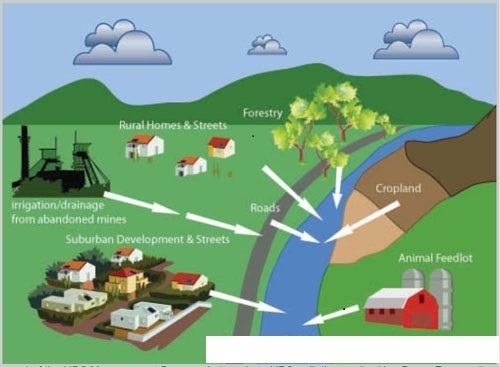
Which of these are Non-Point source Pollution?

a)

Nutrients from farms

b)

Acid rain

c)

Damaged sewer pipe

d)

Salt from roadways

4.
What is algal bloom?
a)
Plants bloom early down stream
b)
Water becomes cloudy
c)
Too much of nutrients
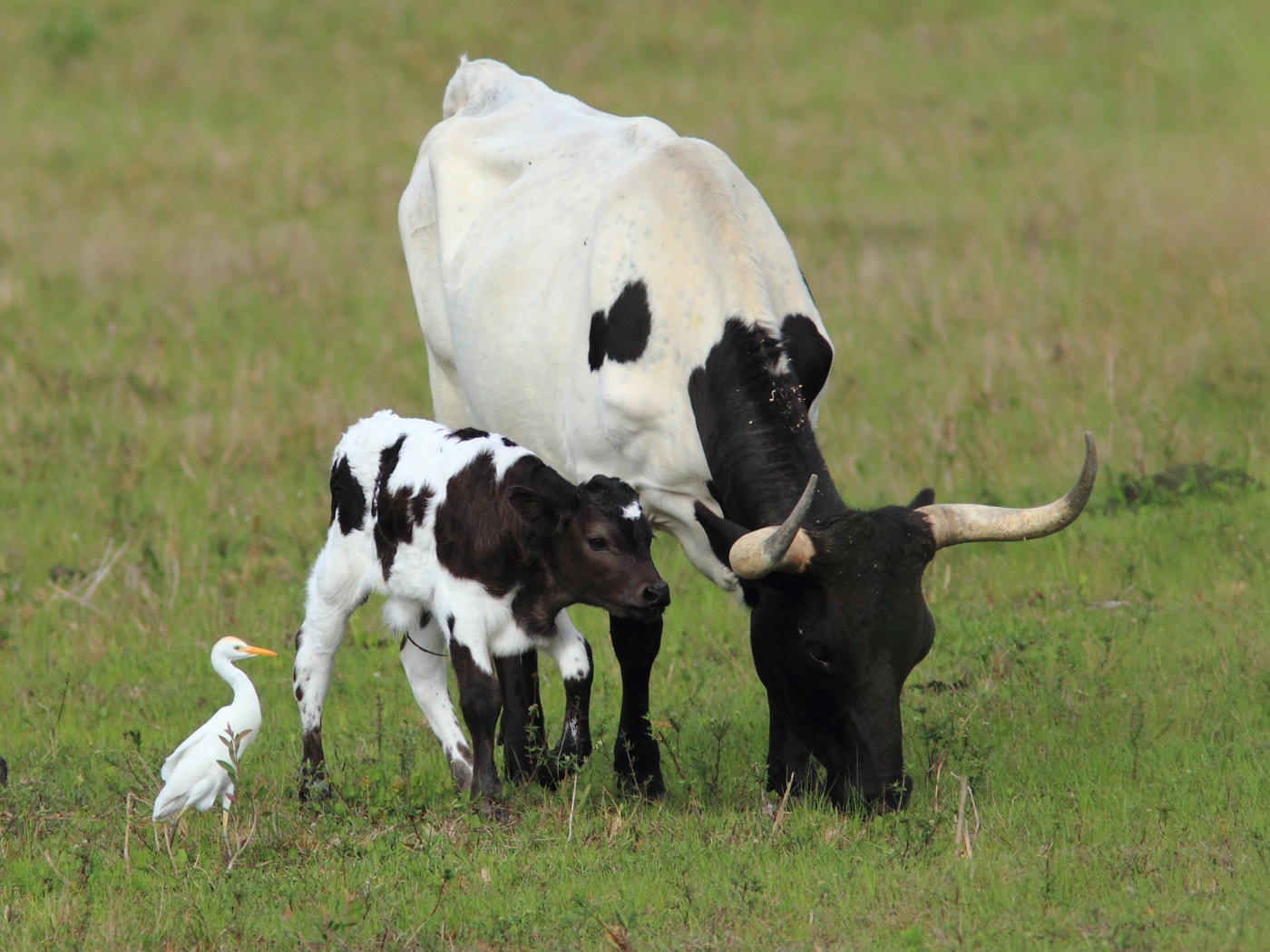
d)
Extremely rapid growth of algea
5.

What is an example of a biologic indicator?

a)

Insect larvae / Macro -invertebrates

b)

Many kinds of trout and mayflies

c)

Monitor the health of the ecosystem

d)

Variety of organisms clean the water

6.

A body of water that has high turbidity would be __________.

a)

Cloudy

b)

Clear

c)

Acidic

d)

Basic

7.
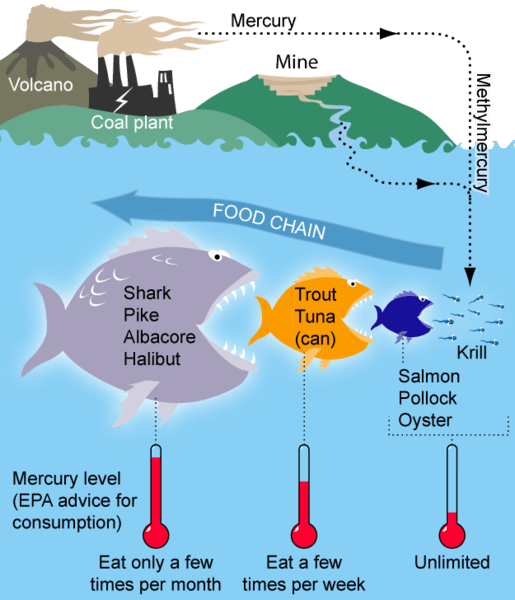
______________________ is the buildup of pollutants at higher levels of the food chain.
a)
porosity
b)
water pollution
c)
wastewater
d)
biomagnification
8.
______________________ is a structure that blocks and controls the flow of water.
a)
potable
b)
dam
c)
wastewater
d)
point source pollution
9.
______________________ is the process of removing the salt from ocean water.
a)
water pollution
b)
point source pollution
c)
desalination
d)
porosity
10.
______________________ is water waste that comes from many different sources.
a)
biomagnification
b)
point source pollution
c)
nonpoint source pollution
d)
wastewater
11.
______________________ is the ability of rock or soil to allow water to flow through it.
a)
porosity
b)
permeability
c)
pathogen
d)
aquifer
12.
______________________ is water waste discharge from a single source.
a)
nonpoint source pollution
b)
wastewater
c)
point source pollution
d)
pathogen
13.
______________________ is water that is safe to drink.
a)
pathogen
b)
porosity
c)
potable
d)
permeability
14.
______________________ is an organism that causes illness or disease.
a)
potable
b)
porosity
c)
pathogen
d)
permeability
15.
______________________ is a flowing network of water.
a)
wastewater
b)
aquifer
c)
river system
d)
dam
16.
______________________ is an artificial lake.
a)
groundwater
b)
reservoir
c)
pathogen
d)
river system
17.
______________________ is the fresh water on the Earth’s surface.
a)
surface water
b)
wastewater
c)
groundwater
d)
water pollution
18.
______________________ is when there is an increase in the overall temperature of a body of water.
a)
artificial eutrophication
b)
biomagnification
c)
wastewater
d)
thermal pollution
19.
______________________ is the introduction of chemical, physical, or biological agents into water that degrade water quality and adversely affect the organisms that depend on the water.
a)
water pollution
b)
desalination
c)
watershed
d)
potable
20.
_________________ is the area of land that is drained by a river.
a)
surface water
b)
watershed
c)
dam
d)
wastewater
21.
______________________ is the water that contains waste from home or industry.
a)
surface water
b)
dam
c)
potable
d)
wastewater
22.

What does a biologic indicator do?

a)

Insect larvae

b)

Many kinds of trout and mayflies

c)

Monitor the health of the ecosystem

d)

Variety of organisms clean the water

23.

Which of the following is a renewable resource?

a)

Oil

b)

Solar

c)

Coal

d)

Natural Gas

24.

Renewable resources ...

a)

are not replaceable

b)

are used more frequently than non renewables

c)

are never going to run out

d)

going to run out

25.

Solar power, wind power, and water power are good because...

a)

they are expensive

b)

they are not powerful

c)

they don't create much pollution

26.
Which natural resource is a renewable energy resource?
a)
coal
b)
oil (petroleum)
c)
natural gas
d)
sun
27.
materials in the environment that are useful to people
a)
nonrenewable energy
b)
conservation
c)
natural resources
d)
solar energy
28.

All the following is classified as a nonrenewable resource, except...

a)

oil

b)

natural gas

c)

water

d)

coal

29.

A resource is renewable because...

a)

it cannot be replaced as fast as people use it.

b)

it can be recycled.

c)

it can easily be replaced as it is used.

d)

it is available in limited supplies.

30.

A resource is nonrenewable because...

a)

it cannot be replaced as fast as people use it.

b)

it can be recycled.

c)

it can easily be replaced as it is used.

d)

it is available in limited supplies.

31.

The following are nonrenewable sources of energy

a)

wind and water

b)

coal and natural gas

c)

sunlight and petroleum

d)

minerals and oil

32.

Our main reasons for using fossil fuels are

a)

Cheap

b)

Expensive

c)

Convenient

d)

Clean

e)

Inconvenient

33.

Secondary succession begins

a)

on bare, exposed rock.

b)

after a disturbance like a wildfire.

34.

What is a keystone species?

a)

A keystone isn't a living thing, it's just a stone

b)

Keys and stones have nothing to do with ecology

c)

A species that lives in or around rocks

d)

A species that helps to hold an ecosystem together

35.

Based on the graph shown, what is the effect of removing a keystone species on an ecosystem?

a)

richness oscillates between extremes

b)

richness stabilizes

c)

richness increases

d)

richness decreases

36.

How do biodiversity and stability work together?

a)

The lower the biodiversity the greater the stability of an ecosystem.

b)

The higher the biodiversity, the less stable the ecosystem

c)

The higher the biodiversity, the greater the stability of the ecosystem.

d)

Biodiversity has nothing to do with ecosystem stability.

37.
High biodiversity is 
a)
having a lot of the same organism.
b)
having a few of the same organism.
c)
having a lot of variety of different organisms.
d)
only having one of each organism. 
38.
Which habitat exhibits the greatest biodiversity?
a)
A habitat with 15 different species with about 300 individuals each
b)
A habitat with 10 different species with about 75 individuals each
c)
A habitat with 4 different species with about 150 individuals each
d)
A habitat with only one species with about 2000 individual
39.

What is the definition of ecological footprint?

a)

is the footprint of ecologist

b)

is a measure of the impact living things have on the environment.

c)

is a kind of plant that grows in the rainforrest.

d)

a measure of the amount of land needed to support one person in a particular country.

40.
Select the best definition for the term sustainable.
a)
able to meet the current demand for a resource without depleting the future supply
b)
the amount of a product or service offered for sale at a given price
c)
the amount of a product or service people will buy at a given price if free to do so
d)
upsetting the ecological balance by depleting natural resources
41.
Which of these is not an example of a commons?
a)

National forests

b)
The ocean
c)
Privately owned farms
d)
Highways
42.
Conflict between short-term interests of individuals and long-term welfare of society
a)
Developed nation
b)
Supply and demand
c)
"Tragedy of the Commons"
d)
Ecology
43.

Something that helps an organism survive in its environment is an . . .

a)

Adaptation

b)

Tool

c)

Evolution

d)

Sour Patch Kid

44.
Where the better adapted organisms survive to pass traits along to offspring.
a)
Evolution
b)
Natural Selection
c)
Extinction
d)
Artifical Selection
45.
What does it mean when an animal is endangered?
a)
Something once lived but no longer exists.
b)
Animals that is at risk of extinction.
c)
Place that protects animals at risk.
46.
An endangered species is
a)
One whose numbers are so small that it is at risk of extinction
b)
One whose not been spotted after many years.
c)
One whose numbers are abundant.
47.

Why do endangered species matter?

a)

Because they are cute

b)

Biodiversity

c)

Because if they die we cannot have them as pets

d)

Because they cannot be in the zoo

48.
These are interactions where organisms struggle to get the resources they need.
a)
grocery shopping
b)
hunger
c)
competition
49.
What controls the growth or survival of a population?
a)
extinct
b)
bugs
c)
limiting factors
50.
Cattle egrets forage (feed) in fields among cattle. The egret gets easy access to flying insects stirred up by the cattle, and the cattle don't care if they are there or not.
a)
mutualism
b)
commensalism
c)
competition
d)
parasitism
51.
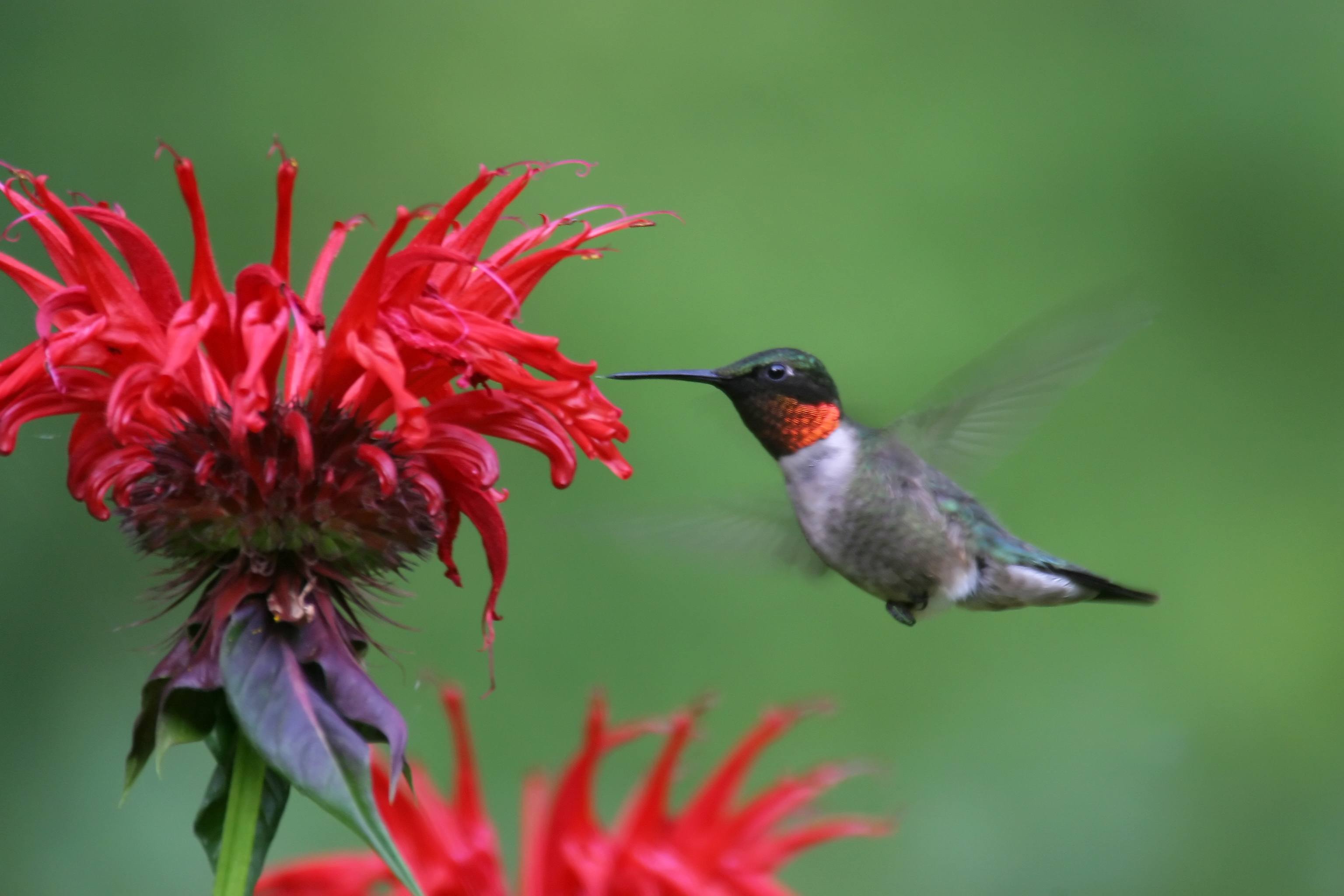
What type of symbiosis?  Hummingbirds feed on nectar from flowers.  The flowers are pollinated by hummingbirds as they move from flower to flower.
a)
commensalism
b)
mutualism
c)
parasitism
d)
predation
52.
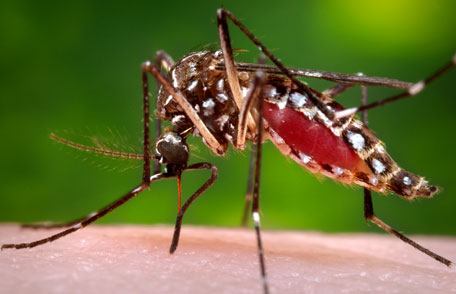
When a mosquito bites you, you are the __________ and the mosquito is the  ____________.
a)
host, hostess
b)
parasite, host
c)
host, parasite
d)
prey, predator
53.
Silverfish live and hunt with army ants. They share the prey.  They neither help nor harm the ants. 
a)
Mutualism 
b)
Parasitism 
c)
Commensalism 
54.
What is a producer? 
a)
an organism that consumes other organisms
b)
an organism that uses the suns energy to make its own food
c)
an organism that breaks down other organisms 
55.
What is photosynthesis?
a)
how fungi obtain energy
b)
The process in which green plants use oxygen to make carbon dioxide 
c)
the process in which green plants use carbon dioxide to make oxygen
d)
the process of absorbing energy by touching things 
56.
What is the source of all energy? 
a)
producers
b)
sun
c)
consumers
d)
decomposers
57.
Which of the following is a biotic factor in a desert ecosystem 
a)
sun
b)
cacti
c)
water
d)
sand
58.

Which of the following is the best example of a decomposer?

a)

vulture

b)

bacteria

c)

algae

d)

rat

59.
Hetetrotroph is another word (a synonym) for
a)
scavenger
b)
producer
c)
autotroph
d)
consumer
60.
These organisms break down decaying biotic wastes and then return the materials to the ecosystem.
a)
decomposers
b)
scavengers
c)
carnivores
d)
producers
61.

In the food web above, what organism is missing from this food chain:

Grass --> Slug --> ________ --> Hawk

a)

Vole

b)

Frog

c)

Insect

d)

Thrush

62.

In the energy pyramid, what is the bottom level composed of?

a)

Producers

b)

First-Level Consumers

c)

Second-Level Consumers

d)

Third-Level Consumers

63.
Aother word (a synonym) for a producer
a)
scavenger
b)
consumer
c)
autotroph
d)
heterotroph
64.

How much energy is passed from one organism to the next in a food chain or food web?

a)

20%

b)

15%

c)

90%

d)

10%

65.

______: Nonliving things in an ecosystem (air, soil, water, sunlight)

a)

Abiotic Factors

b)

Biotic Factors

66.

______: The largest number of individuals that an environment can support.

a)

Carrying Capacity

b)

Biodiversity

c)

Limiting Factors

67.

______: Resources that restrict the size of a population.

a)

Limiting Factors

b)

Biodiversity

c)

Carrying Capacity

68.

The _______ includes all living organisms on Earth along with the spheres they interact with (lithosphere, hydrosphere, and atmosphere).

a)

Biosphere

b)

Biome

c)

Community

d)

Ecosystem

69.

A _____ is a large ecological area with similar climatic conditions, and it can have multiple ecosystems within it.

a)

Biome

b)

Biosphere

c)

Ecosystem

d)

Community

70.

_______: a collection of all the organisms living in a particular place together with their abiotic components, such as water and air.

a)

Biosphere

b)

Biome

c)

Ecosystem

d)

Community

71.

A _____ is the populations of two or more species within the same geographical area and time period.

a)

Biome

b)

Ecosystem

c)

Community

d)

Population

72.

A _____ is a group of individuals within the same species, within the same area, and that are capable of reproducing with one another.

a)

Population

b)

Community

c)

Ecosystem

d)

Biome

73.

In eutrophication, what directly causes the death of fish?

a)

The plants use up oxygen in respiration

b)

The fish are poisoned by high CO2 levels

c)

Bacteria use up oxygen in respiration

d)

The fish use up oxygen in respiration

74.

What do you mean by weather?

a)

Envelope of air surrounding the earth

b)

State of the atmosphere at any point of time

c)

Generalized monthly atmospheric conditions

d)

None of these

75.
What is the difference between climate and weather?
a)
 Climate averages the weather conditions in a specific place over a long period of time, while weather describes the state of the atmosphere at a specific moment in time.
b)
 Weather averages the weather conditions in a specific place over a long period of time, while Climate describes the state of the atmosphere at a specific moment in time.
c)
Climate describes the weather conditions at night, while weather describes the conditions during the daytime.
d)
 There is not a difference between climate and weather.
76.

Which graph depict exponential growth in a population?

a)

Graph A

b)

Graph B

c)

Graph C

d)

Graph D

77.

Which factor would influence an ecosystem’s carrying capacity?

a)

Drought

b)

Death rates

c)

Symbiosis

d)

Birth rates

78.

European Mouflon sheep were introduced in Tasmania in year 1813. According to this graph, around which year did the population of European Mouflon sheep reach their carrying capacity?

a)

1894

b)

1874

c)

1854

d)

1844

79.

What is a quadrat?

a)

A type of vehicle

b)

A tool to sample strength

c)

A tool to sample quantity

d)

A type of clothing

80.

Which of the following accurately describes the difference between mark recapture and quadrat sampling?

a)

Quadrat sampling is used for mobile populations and mark recapture is used for stationary populations

b)

Quadrat sampling is used for stationary populations and mark recapture is used for mobile populations

c)

Quadrat sampling can only be used for small populations

d)

Mark recapture sampling can only be used for small populations

81.
The parts of the experiment that must be kept the same.
a)
Constants
b)

Independent variable

c)

Dependent variable

d)

Conclusion

82.

The type of variable that responds to the experiment and is what you measure or count to determine if your hypothesis is true.

a)
Independent
b)
Dependent
c)
Control
83.

Thomas tests different types of liquids to see which will grow his plants the most. He has water, soda, milk, and no liquid at all. What is the control group?

a)

the one with water

b)

the one with soda

c)

the one with milk

d)

the one with no liquid

84.
What is the factor that an experimenter changes on purpose?
a)
Dependent Variable
b)
Independent Variable
c)
Constant
d)
Control
85.

Using the picture, identify the control group.

a)

Trial 1

b)

Trial 2

c)

Trial 3