
 Worksheets
Chemical Rxns
Total questions: 42
Worksheet time: 30mins
Substances to the left of the arrow in an equation
(a)
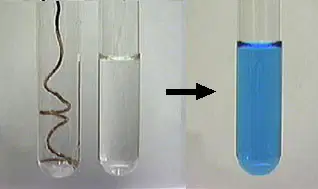
This is evidence of a chemical reaction
(a)
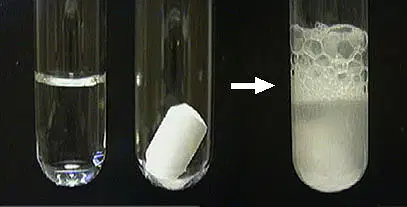
This is evidence of a chemical reaction
(a)
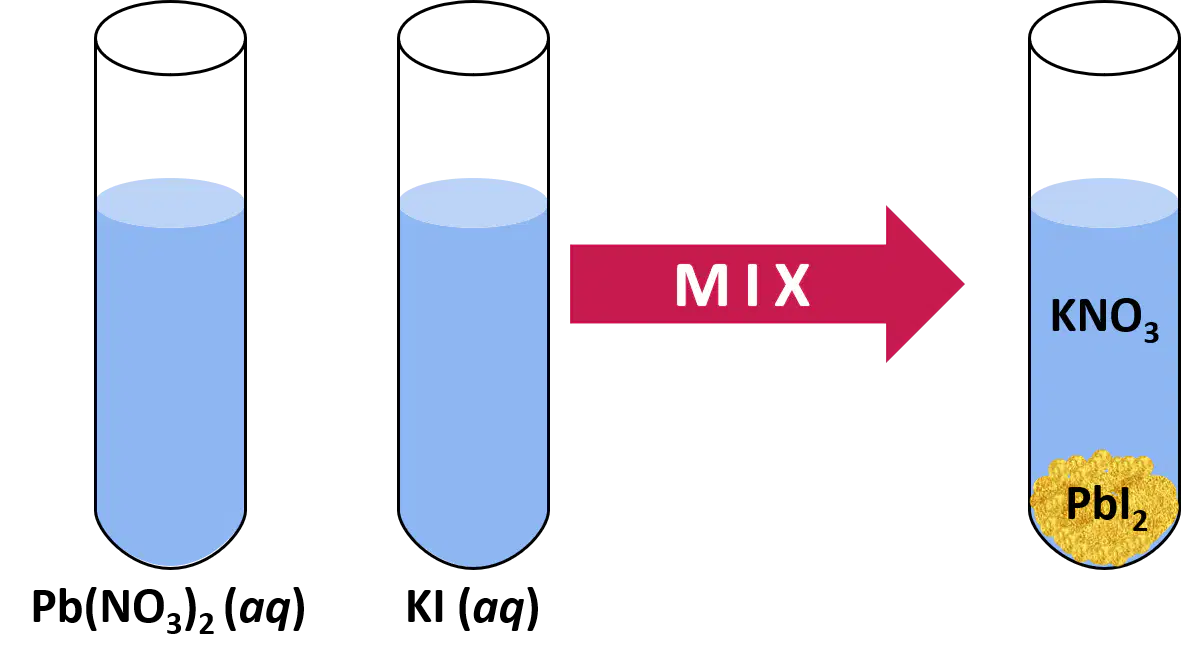
This is evidence of a chemical reaction
(a)
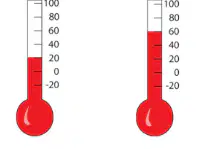
This is evidence of a chemical reaction
(a)
Substances to the right of the arrow in an equation
(a)
In 3H2O, 3 is a
reactant
product
coefficient
subscript
In 3H2O, 2 is a
reactant
product
coefficient
subscript
What is the correct name for water?
hydrogen oxide
hydrogen monoxide
dihydrogen monoxide
hydrogen dioxide
The formula for sodium chloride dissolved in water is
NaCl(l)
NaCl(aq)
NaCl(g)
NaCl(s)
Write the word equation for the products of: LiNO3(aq) + KCl(aq) −> LiCl(s) + KNO3(aq)
aqueous potassium nitrate and solid lithium chloride
aqueous potassium chloride and aqueous lithium nitrate
What is the physical state of lithium chloride? LiNO3(aq) + KCl(aq) −> LiCl(s) + KNO3(aq)
(a)
How would you classify LiNO3(aq) + KCl(aq) −> LiCl(s) + KNO3(aq)
synthesis
decomposition
single replacement
double replacement
combustion

How would you classify this reaction?
synthesis
decomposition
single replacement
double replacement
combustion
If 18g of iron reacted with oxygen to form 37g of iron (III) oxide, how many grams of oxygen reacted?
(a)
Classify C2H6O(l) + 3O2(g) −> 2CO2(g) + 3H2O(l)
synthesis
decomposition
single replacement
double replacement
combustion
What is the ratio of oxygen to carbon dioxide? C2H6O(l) + 3O2(g) −> 2CO2(g) + 3H2O(l)
1:3
3:1
3:2
2:3

What is the catalyst in the reaction?
CO
H2
CH4
Ni

Is this reaction endothermic or exothermic?
endothermic
exothermic

Is this reaction endothermic or exothermic?
endothermic
exothermic
When heat is added in a reaction or the temperature decreases
endothermic
exothermic
When heat is produced in a reaction or the temperature increases
endothermic
exothermic

All of the _ are gaseous
(a)

What kind of reaction is this?
synthesis
decomposition
single replacement
double replacement
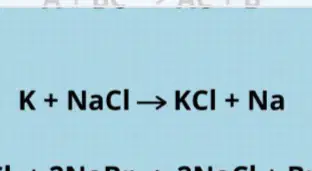
What type of reaction is this?
synthesis
decomposition
single replacement
double replacement
(s)
(a)
(l)
(a)
(g)
(a)
(aq)
(a)
→
(a)
Δ
(a)
In an exothermic reaction, the temperature _, such as in the decomposition of hydrogen peroxide
(a)
In an endothermic reaction, the temperature _, such as in the formation of ammonia (smelling salts)
(a)
In a balanced chemical equation, the reactants are (a) the products
a substance that prevents further reactions from happening is called
a catalyst
an inhibitor
a precipitate
a coefficient
a substance that speeds up a reaction without being changed
a catalyst
an inhibitor
a precipitate
a coefficient
an insoluble solid that forms in a reaction
a catalyst
an inhibitor
a precipitate
a coefficient
the number in front of a formula that tells how many units of that substance exist
a catalyst
an inhibitor
a precipitate
a coefficient
if heat is a reactant, or added to the reaction, or the temperature decreases, then the reaction is said to be
endothermic
exothermic
Lemon juice brushed on fruit prevents it from darkening- this is the work of a(an)
inhibitor
catalyst
precipitate
Protein is used by the body to speed up chemical processes- this is use of a(an)
inhibitor
catalyst
precipitate
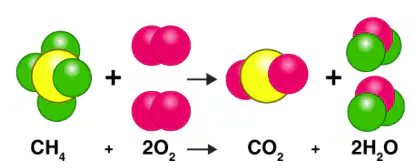
If 5g of CH4 react with oxygen to form 4g of carbon dioxide and 13g of water, then how much oxygen reacted?
12g
4g
2g
14g

