
 Worksheets
Unit 2: Biochemistry
Total questions: 114
Worksheet time: 2hrs 8mins
Carbon compounds that come from living organisms are called _____ compounds.
biological
homogeneous
water
organic
Which is NOT an organic compound?
carbohydrates
water
nucleic acids
proteins
Which of the following is NOT paired correctly?
glucose- carbohydrate
fat- lipid
starch-nucleic acid
enzyme-protein
The main function of carbohydrates is
to provide quick energy
to store backup energy
to store genetic information
to speed up chemical reactions
Which of the following macromolecules store energy, provide insulation, and assist in buoyancy?
nucleic acids
proteins
lipids
carbohydrates

A lipid molecule is best represented by which diagram.
A
B
C
D

Which diagram represents a macromolecule that is responsible for genetic coding?
A
B
C
D

Which diagram represents a molecule found in fats, oils, and waxes?
A
B
C
D

Which diagram represents a macromolecule that is found in fish, meat, and eggs?
A
B
C
D

Which diagram represents a molecule that is found in sugar, starches, and grains?
A
B
C
D
Enzymes affect the reactions in living cells by changing the
products of the reaction
pH of the reaction
temperature of the reaction
speed of the reaction

Use the diagram to identify the enzyme, substrate, active site and products (in that order)
c,d,a,b
d,a,b,c
b,c,a,d
c,a,b,d

Why can’t a denatured enzyme do it’s job?
it’s shape has been altered
it’s a polypeptide
too many reactants involved
to many products created
Which of the following roles of water is not paired with a correct example of that property of water?
adhesion- water causing a curve up the side of a graduated cylinder
almost universal solvent- removal of baked on food from a pan sitting in water
changes density when frozen- ice sinks
high specific heat capacity- fish not boiling in the lake on a hot summer day
Which atom/element likes to and easily bonds to itself as well as many different atoms?
hydrogen
oxygen
carbon
nitrogen

What is the name of this molecule?
dextrose
maltose
starch
glucose


What are the parts of a nucleotide?
nitrogen base and phosphate group
Nitrogen base
5 carbon sugar and nitrogen base
nitrogen base, 5 carbon sugar, and phosphate group
what are fats made of ?
lipid with 3 fatty acids
lipids
lipid with 2 fatty acids
none of the above
what is it called when water molecules split?
dehydration
hydrolysis
denature
magic
diffrent for each amino acid
enzyme
r group
protein function
s group
DNA is...
single stranded
doesn't exist
double stranded
is RNA but in disguise
amino acids are monomers to...
carbohydrates
lipids
proteins
amino acids
what are the functions of proteins ?
transport, hormone and enzymes
transport, enzymes, and structural support
transport, enzyme,structual support and hormone
hormone,enzyme,transport, structural support, and regulation
saturated fat is ...
liquid, no hydrogens
liquid , saturated with hydrogens
solid, saturated with hydrogens
solid, no hydrogens


How do atoms become more stable?
They bond with other atoms in order to have a full outer shell of electrons.
They change their state of matter.
The energy moves from potential to kinetic.
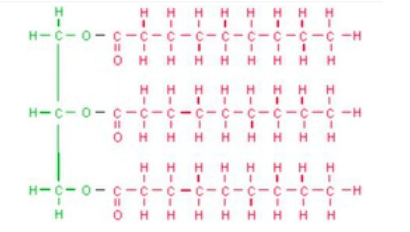

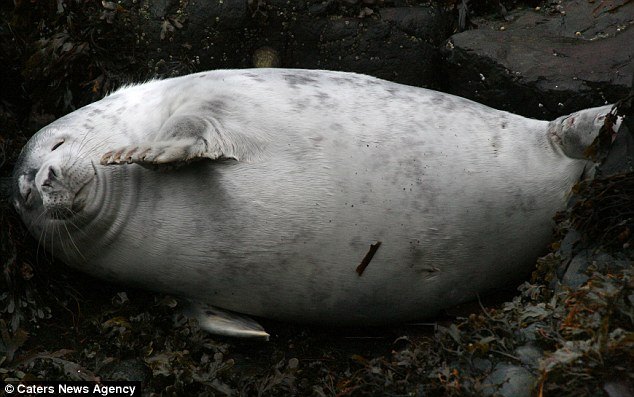
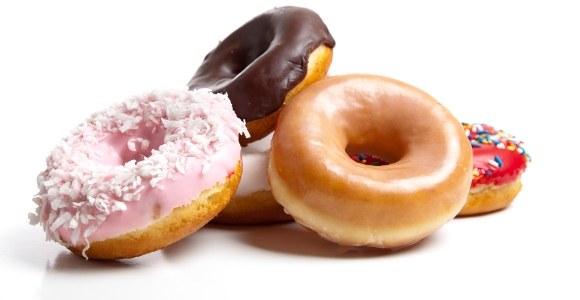


Polymer's split apart to form ________, by __________.
monomers, hydrolysis
monomers, dehydration synthesis
amino acids, hydrolysis
amino acids, dehydration synthesis

In the graph, the energy level needs to increase before it goes back down. The increase is called the:
enzyme energy
substrate
activation energy
active site

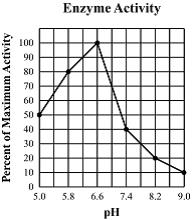
What is shown?
Increasing the temperature does not affect the rate of the reaction.
Increasing the temperature increases the rate of reaction until too high a temperature is reached.
Increasing the reaction rate will cause a change in the temperature.

In the figure, why doesn't the reaction rate continue to increase as the temperature increases?
It does.
It reaches the saturation point where no active site is bonded to the activation energy.
At too high of a temperature, the protein changes shape and can no longer function.
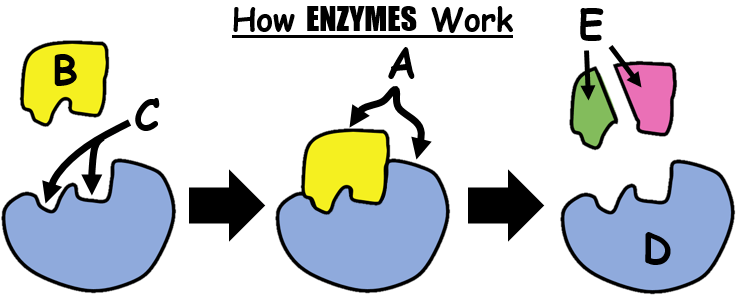
Letter D...
active site
enzyme
substrate
products

Letter C...
active site
enzyme
substrate
products
The prefix "poly" means...
One
Two
Many
Want a cracker
The prefix "mono" means...
Two
One
Many
Few


Double bond between Carbon and Hydrogen chains.
Tends to be liquid at room temperature like oils.
Polysaccharides
Lipids
Saturated Fats
Unsaturated Fats

Single bond between Carbon and Hydrogen chains.
Tends to be solid at room temperature like butter.
Saturated Fats
Unsaturated Fats
Carbohydrates
Proteins
Which is NOT a characteristic of all living things?
Universal genetic code (DNA)
Ability to move
Made of cells
Obtain materials and use energy
None of the above
What are the three subatomic particles of an atom?
protons, electrons, neutrons
protons, photons, neutrons
electrons, neutrons, photons
photons, lightrons, introns
Which subatomic particles are found in the nucleus of an atom?
protons, electrons, and neutrons
electrons and protons
protons and neutrons
neutrons and electrons

What is the atomic number of chlorine
17
35
52
18
How many electrons does chlorine contain?
17
35
52
18
If chlorine has 17 protons, how many neutrons would it have?
17
35
52
18
This is a type of bond in which atoms share electrons
ionic
hydrogen
polar
covalent
This is a type of bond in which one atom gains an electron while the other atom loses an electron
ionic
hydrogen
polar
covalent
An ionic bond is formed when sodium (Na) loses an electron to chlorine (Cl). In this case the Na ion would carry what type of charge
-1
-2
+1
+2
Carbon has four valence electrons, how many bonds can it form?
1
2
4
8

