Worksheets
Biology-Ecology Final Review
Total questions: 158
Worksheet time: 4hrs 41mins
Organism that has an unusually large effect on its ecosystem.
top predator
tertiary consumer
producer
keystone species
Examples of biotic factors include all the following EXCEPT
parasitism
disease
predation
temperature
A thin layer around Earth, extends several kilometers above and below Earth's surface, that includes all parts of the Earth where life exists.
Population
Biological Community
Ecosystem
Biome
Biosphere
An area where an organism lives.
Habitat
Niche
Competition
Predation
The role or position that an organism has in its environment.
Habitat
Niche
Competition
Predation
Occurs when more than one organism uses a resource at the same time.
Habitat
Niche
Competition
Predation
Relationship in which one organism hunts and eventually eats another.
Habitat
Niche
Competition
Predation
Organism that eats the prey.
Predation
Prey
Predator
Detrivore
Organism that is being eaten by the predator.
Predation
Prey
Predator
Detrivore
Type of symbiosis in which both organisms benefit form the relationship.
Symbiosis
Mutualism
Commensalism
Parasitism
Type of symbiosis in which one organism benefits and the other is unharmed.
Symbiosis
Mutualism
Commensalism
Parasitism
Type of symbiosis in which the parasite benefits at the expense of the host.
Symbiosis
Mutualism
Commensalism
Parasitism
Organism that collects energy from sunlight or inorganic substances to produce food.
Heterotroph
Autotroph
Detrivores
Decomposers
Organism that gets its energy requirements by consuming other organisms.
Heterotroph
Autotroph
Detrivores
Decomposers
Organisms that consume fragments of dead matter in an ecosystem, and return nutrients to the soil, air and water where the nutrients can be resused by organisms.
Heterotroph
Autotroph
Detrivores
Decomposers
Each step in a food chain or food web.
Trophic level
Food Web
Food chain
Energy

The rabbit would be a
Producer
Primary consumer
Secondary consumer
Tertiary consumer
Decomposer
The caterpiller would be a
Producer
Primary consumer
Secondary consumer
Tertiary consumer
Decomposer
The thrush would be a
Producer
Primary consumer
Secondary consumer
Tertiary consumer
Decomposer
The grass would be a
Producer
Primary consumer
Secondary consumer
Tertiary consumer
Decomposer
The shrubs would be a
Producer
Primary consumer
Secondary consumer
Tertiary consumer
Decomposer
The weasel would be a
Producer
Primary consumer
Secondary consumer
Tertiary consumer
Decomposer
The mouse would be a
Producer
Primary consumer
Secondary consumer
Tertiary consumer
Decomposer

If there are 45,670kcal of energy available at the level of the grass, how much energy would be gained by the hawk?
45,670kcal
456.7kcal
45.67kcal
4.567kcal
4,567kcal
If there are 45,670kcal of energy available at the level of the grass, how much energy would be gained by the snake?
45,670kcal
456.7kcal
45.67kcal
4.567kcal
4,567kcal
If there are 45,670kcal of energy available at the level of the grass, how much energy would be gained by the grasshopper?
45,670kcal
456.7kcal
45.67kcal
4.567kcal
4,567kcal
If there are 45,670kcal of energy available at the level of the grass, how much energy would be lost by the grasshopper?
41,103kcal
456.7kcal
4,110.3kcal
4.567kcal
4,567kcal
If there are 45,670kcal of energy available at the level of the grass, how much energy would be lost by the frog?
41,103kcal
456.7kcal
4,110.3kcal
411.03kcal
4,567kcal
The direction of the arrow in a food chain/web points in the direction of _____ flow.
energy
trophic
sun
symbiotic
As energy flows through a food chain/web, _____% of energy is ______.
10, gained
90, lost
90, gained
10, lost
50, lost

Barnacles create home sites by attaching themselves to whales. As the barnacle is a filter-feeder, it also gets access to more water (and more food) due to the relationship. The whale is unaffected by the relationship.
This is an example of _____________.
commensalism
parasitism
detrivorism
mutualism

A cuckoo lays its eggs in the nest of the warbler. The cuckoo's eggs hatch first and the young kick the warbler eggs out of the nest. The warbler raises the cuckoo babies and the warbler babies aren't hatched.
This is an example of _____________.
commensalism
parasitism
detrivorism
mutualism

Remoras attach themselves to a shark's body. They travel with the shark and feed on the left over food scraps after the shark has finished its meal. The shark is unaffected as it's done eating anyway
This is an example of _____________.
commensalism
parasitism
detrivorism
mutualism

Ostriches and gazelles feed next to each other. They both watch for predators. Because the visual abilities of the two species are different, they can each identify threats that the other animal may not see as readily.
This is an example of _____________.
commensalism
parasitism
detrivorism
mutualism

Mistletoe extracts water and nutrients from the spruce tree to the detriment (ill effect) of the spruce.
This is an example of _____________.
commensalism
parasitism
detrivorism
mutualism

Silverfish live and hunt with army ants and share the prey. The silverfish neither help nor harm the ants
This is an example of _____________.
commensalism
parasitism
detrivorism
mutualism

Oxpeckers feed on the ticks found on a rhinoceros. The oxpecker eats the tick as food and the rhino is freed from a parasite.
The relationship between the oxpecker and the rhino is an example of _____________.
commensalism
parasitism
detrivorism
mutualism

A flea feeds on a mouse's blood to the mouse's detriment
This relationship is an example of _____________.
commensalism
parasitism
detrivorism
mutualism

Honey guide birds alert and direct badgers to bee hives. The badgers then expose the hives and feed on the honey first. Next the honey guide birds eat.
This relationship is an example of _____________.
commensalism
parasitism
detrivorism
mutualism

As bison walk through grass, insects become active and are seen and eaten by cowbirds.
This relationship is an example of _____________.
commensalism
parasitism
detrivorism
mutualism

Yucca flowers are pollinated by yucca moths. The moths lay their eggs in the flowers where the larvae hatch and eat some of the developing seeds.
This relationship is an example of _____________.
commensalism
parasitism
detrivorism
mutualism

Clown fish live among anemones acting as a lure for the sea anemone's prey. The clownfish gets protection and shelter from the anemone.
This relationship is an example of _____________.
commensalism
parasitism
detrivorism
mutualism

Ants offer protection for the aphids who (have no protective features of their own) would otherwise would be food for all sorts of organisms. The aphids "repay" the ants by providing honeydew (a liquid they secrete) for the ants to use as food.
This relationship is an example of _____________.
commensalism
parasitism
detrivorism
mutualism

Epiphytes are a class of plants that grow in the crooks of tree branches. They simply use the tree branches as a way to be higher—closer to the sunlight needed for photosynthesis. The trees aren't affected by this relationship.
This relationship is an example of _____________.
commensalism
parasitism
detrivorism
mutualism
Identify the 5 levels of Ecology in the correct order.
organisms, communities, ecosystems, populations, and biospheres
organisms, communities, biospheres, ecosystems, and populations
organisms, ecosystems, populations, communities, and biospheres
organisms, populations, communities, ecosystems, and biospheres


An organisms role in the environment
Community
Biome
Niche
adaptation


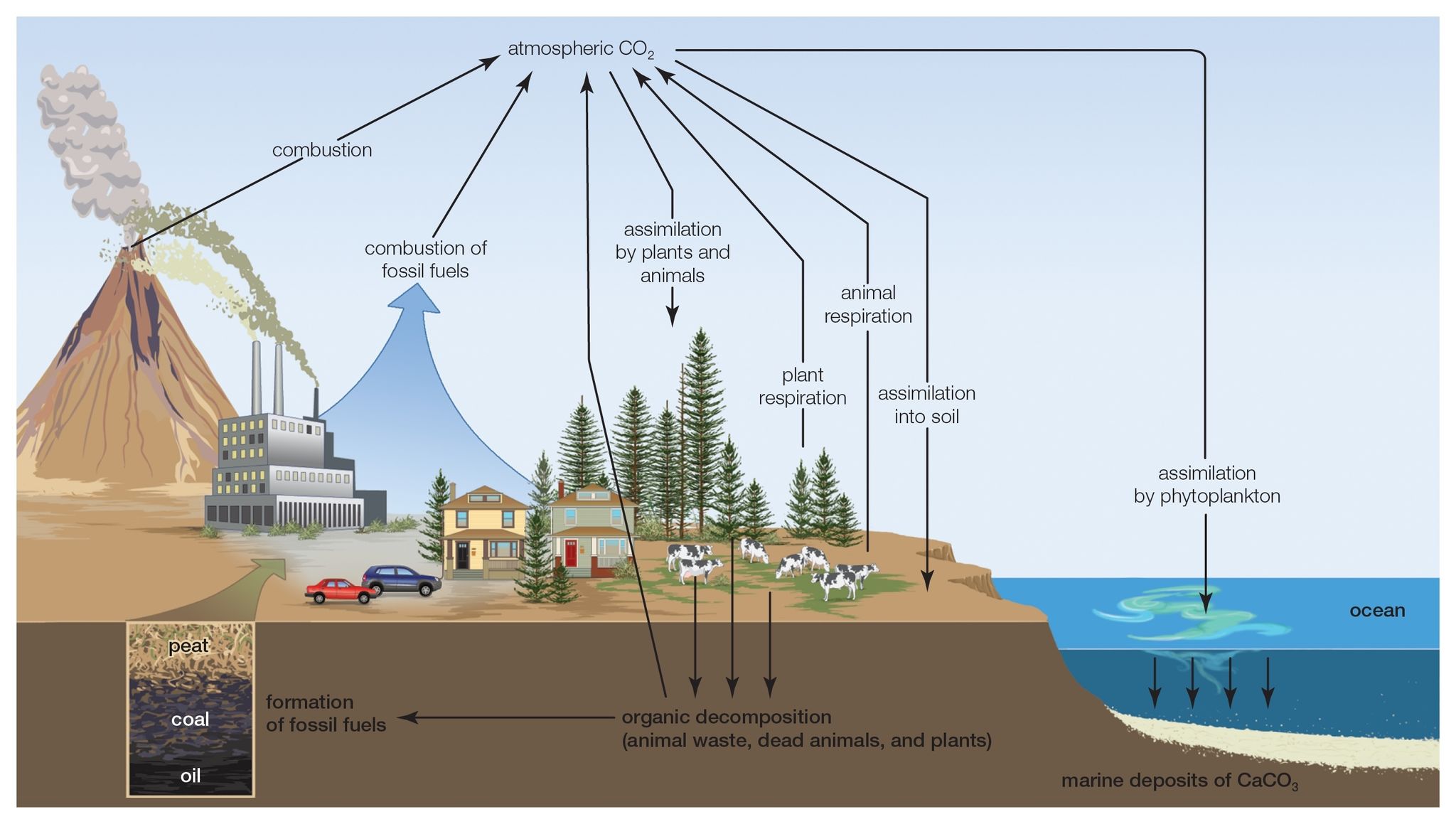
Which of the following absorb carbon dioxide from the atmosphere?
Plants
The ocean
Sedimentary rocks
all of these

Which one of these does not add CO2 to the atmosphere?
cooking with gas
planting trees
burning wood
riding in a bus

What is the process of rain, snow, or hail falling from the sky?
evaporation
condensation
precipitation
runoff
Which cycle DOESN'T have an atmosphere component (part)?
carbon
nitrogen
phosphorus
water

Organisms that need nitrogen to survive.
only plants
only animals
only bacteria
all living things


Plants use ____________________ to make their own food.
Carbon Dioxide
Oxygen
Materials
Gravity
This is the extinction of a species one by one, not a sudden loss of many species
background extinction
mass extinction
fragmentation
biotic potential
Forest clearing, farming, and road building are all examples of
Biodiversity
Population distribution
Habitat loss
Climate Change
All of the following describe habitat fragmentation, EXCEPT:
Gaps form within a habitat
Patches of suitable habitat are surrounded by unsuitable habitat
Often a result of habitat loss
Increases the number of species
The greatest cause of biodiversity loss today is
Pollution
Habitat loss and change
Climate Change
Invasive species
All of the following affect biodiversity only in certain locations and times, EXCEPT:
Pollution
Invasive Species
Climate Change
Overharvesting
Any natural resource available in limited amounts or replaced extremely slowly by natural processes is called:
Nonrenewable Resources
Renewable Resources
Endemic Resources
Natural Resources
'' The differences between living organisms within a species.''
This statement refers to which type of diversity?
Genetic diversity
Ecosystem diversity
Interaction diversity
Species diversity
''Variety of species or richness in the number of species in an ecosystem throughout the entire biosphere.''
This statement refers to which type of diversity?
Genetic diversity
Ecosystem diversity
Interaction diversity
Species diversity
''Variety of habitats, biotic communities & ecological process & tremendous diversity within ecosystem.''
This statement refers to which type of diversity?
Genetic diversity
Ecosystem diversity
Interaction diversity
Species diversity

The species that plays a critical role in maintaining the ecosystem structure is?
Flagship species
Umbrella species
Keystone Species
Leading species

Ecological issue shown in the diagram.
Biological Magnification
Acid precipitation
Eutrophication
Invasive (introduced) species
Pollution
Resources that are found on Earth in limited amounts or those that are replaced by natural processes over extremely long periods of time.
Sustainable use
Natural Resources
Renewable resources
Non-renewable resources
Resources that are replaced by natural processes faster than they are consumed.
Sustainable use
Natural Resources
Renewable resources
Non-renewable resources
Using resources at a rate in which they can be replaced
or recycled while preserving the long-term environmental health of the biosphere.
Sustainable use
Natural Resources
Renewable resources
Non-renewable resources
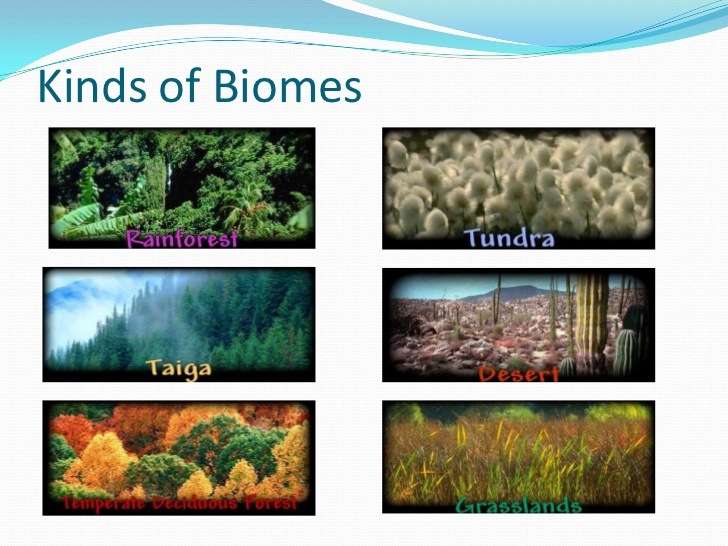
Which biome has the greatest diversity of living things?
tundra
taiga
tropical forest
deciduous forest
The desert receives about as much rainfall as the
tundra
tropical forest
grassland
taiga
Most of the world’s rain forests are found close to the
Arctic circle
equator
Antarctic
desert
Which of the following terrestrial biomes receives the largest amount of rainfall per year?
desert
prarie
savanna
deciduous forest
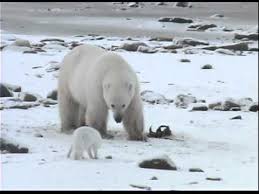
Two arctic fox are fighting with a polar bear for a sea lion carcass. One fox distracts the bear while the other eats. What type of limiting factor is the polar bear?
Predator-Prey Relationships
Competition
Herbivory Effect
Weather

A group of elephants gets stuck in mud at the edge of the river from a recent mud slide. A lion waits for an elephant to get tired before it attacks. What is the limiting factor to the elephant population?
Predator-Prey Relationships
Natural Disaster
Herbivory Effect
Competition

A duck population is breeding at exponential rates. The snakes that hunted them have been collected by fur collectors. They make boots from python snake skin. What is the limiting factor to the snakes?
Ducks
Predator-Prey
Exponential Growth
Humans

One of the wolf populations begins to compete with a new bear population for the same herbivores. Over time, bushes, trees and rivers improve in numbers. There is an effect on the producer populations. What is the limiting factor to the herbivore?
Predator-Prey Relationships
Herbivory Effect
Competition
Wolves and Bears


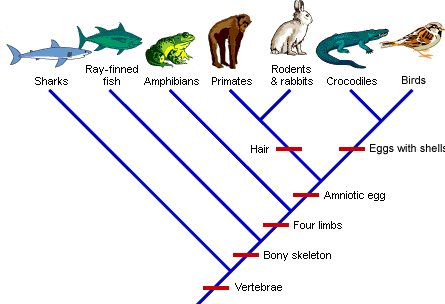
Which characteristics would a taxonomist use to classify organisms as Archaebacteria or as Eubacteria?

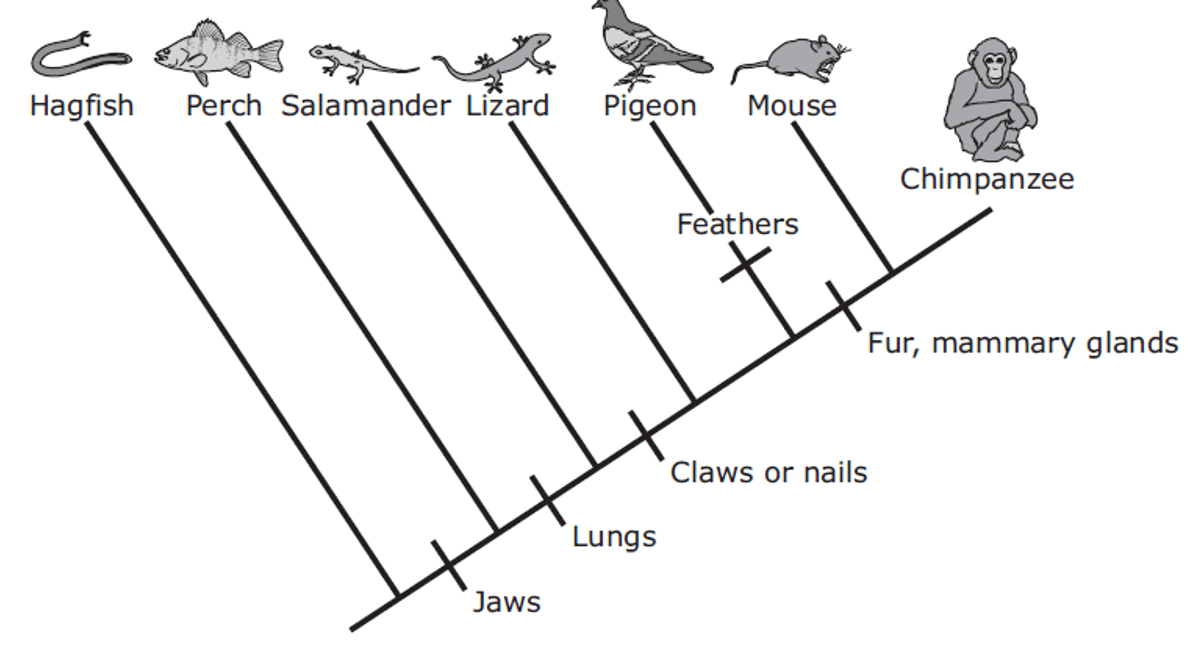
Which two organisms are most closely related?
List the names of classification in order (Most Broad to Most Specific)
D K P C F O G S
K D F O C G S
D K P C O F G S
S G F O C P K D
The proper writing of a scientific name includes ___.
Genus Capitalized
Species Lowercase
Underline or Italics
All of the above
(Taxonomy) How many scientific names does an organism have?
1
2
3
many
(Taxonomy) How many common names does an organism have?
1
2
3
many
(Domain) Which domain(s) include only prokaryotic cells? (without nucleus)
Eukarya & Bacteria
Archaeabacteria
Bacteria & Archeabacteria
Bacteria
(Kingdoms) Moss is multicellular, autotrophic (photosynthetic), and has cell walls. Which kingdom does moss belong to?
Protista
Fungi
Plantae
Animalia
(Kingdoms) Organisms in ____________ kingdom are unicellular, heterotrophs or autotrophs, most are aquatic and can be animal-like, plant-like, or fungus-like.
Fungi
Animalia
Protista
Plantae
(Kingdoms) This kingdom is the largest, organisms are multicellular, heterotrophs, most can move, aquatic or terrestrial, warm or cold blooded.
Protista
Animalia
Plantae
Fungi
(Kingdoms) Which kingdom contains organisms that are mostly multicellular, have cell walls, and can be decomposers or heterotrophs?
Fungi
Plantae
Animalia
Protista
(Taxonomy) The method of naming organisms by two names is known as...
dichotomous naming
binomial nomenclature
the scientific method
(Taxonomy) How many kingdoms are there?
2
4
6
8
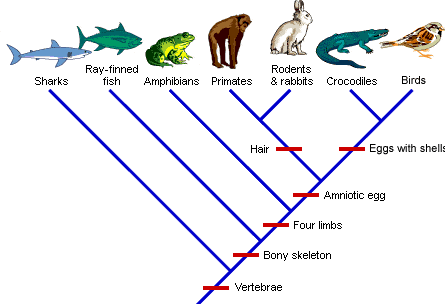

Which letter represents the most recent common ancestor of sponges and mushrooms?
A
B
C
D
E