Wayground logo

Free Printable Worksheets

Font size

S
M
L
XL
Worksheets

Human Body Systems Unit 1

Total questions: 65

Worksheet time: 34mins

Name
Class
Date
1.
Which types of muscle tissue are voluntary
a)
Cardiac Muscle
b)
Smooth Muscle
c)
Skeletal Muscle
d)
Skeletal Muscle and Smooth Muscle
2.
What are the THREE types of Muscles?
a)
cold, hot, and warm
b)
Smooth, Rough, and Skeletal
c)
Skeletal, Smooth, and Cardiac
3.
fingers and toes
a)
phalanges
b)
metacarpals
c)
metatarsals
d)
fibula
4.
The Five regions of the spine are:
a)
Vetebrae,Lumbar,
Thoracic
Sacrum,
Coccygeal
b)
Fascicle, Lumbar, Sacrum, Thoracic
c)
Cervical, Thoracic, Lumbar, Sacrum, Coccyx
d)
Cervical, Thoracic, Lumbar, Sacrum, 
5.
My nose is ______________ to my shoulders
a)
inferior
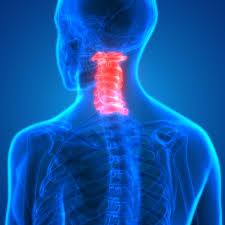
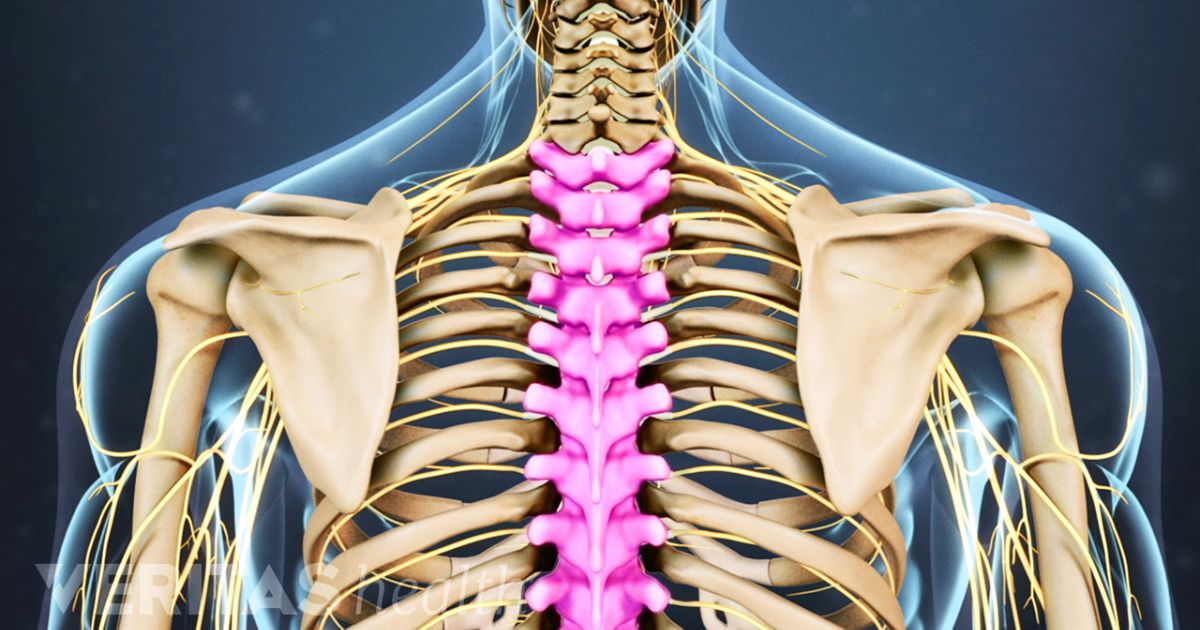
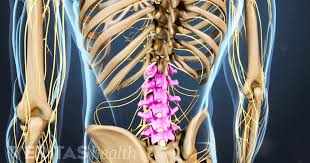
b)
superior
6.
What term means AWAY from the midline of the body?
a)
Medial
b)
Lateral
c)
Contralateral
d)
Ipsilateral
7.
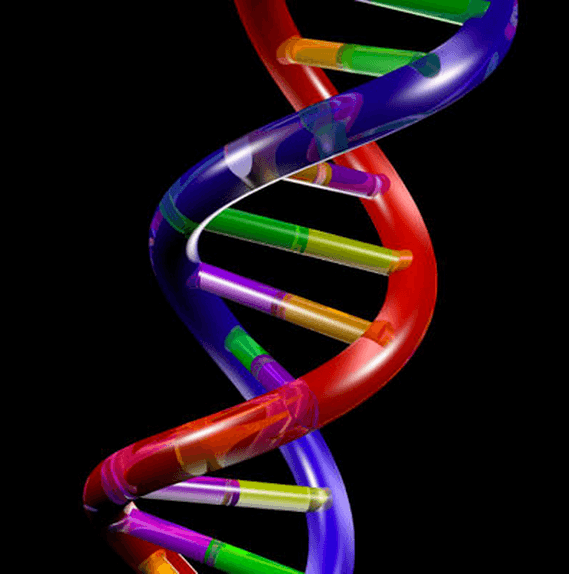
A nucleotide includes...?
a)
pentose sugar
b)
nitrogenous base
c)
phosphate group
d)
all of the above
8.
What does DNA stand for?
a)
Deoxyribonucleic acid
b)
Denitrogenous acid
c)
Deribonucleic acid
d)
Diribonucleic acid
9.
Which of the following is NOT a function of the skeleton?
a)
Production of blood cells
b)
Gives the body form
c)
Protects internal organs
d)
Creates Movement
10.
Fingerprint scan, vein recognition, and facial recognition are just a few examples of
a)
biometrics
b)
forensic anthroplogy
c)
bioinformatics
d)
epigenetics
11.
How do restriction enzymes cut DNA?
a)
making random cuts
b)
following programmed instructions
c)
recognize sequences
d)
making cuts at every 12 base pairs
12.
Tissue that is used to transmit messages throughout the body is _____ tissue.
a)
muscle
b)
nervous
c)
connective
d)
adipose
13.

The sternum is ______ to the humerus.

a)

medial

b)

lateral

c)

superior

d)

inferior

14.

Blood, bone, and fat are all examples of _____ tissue.

a)

transport

b)

support

c)

connective

d)

epithelial

15.

If you fracture your ulna, you have broken a bone in your

a)

arm

b)

leg

c)

foot

d)

hand

16.

A restriction enzyme

a)

cuts DNA in a defined pattern, such as every 5th BP

b)

Can Cut DNA randomly

c)

recognizes a specific sequence and cuts DNA

d)

all of the above

17.

This pelvis most likely belongs to a

a)

male

b)

female

18.
Which type of muscle tissue would line the intestines?
a)
Smooth
b)
Cardiac
c)
Skeletal
d)
Transitional
19.
What type of Connective tissue is found at the ends of bones to reduce friction?
a)
Cartilage
b)
Dense connective tissue
c)
Adipose Tissue
d)
Loose connective tissue
20.
What type of muscle tissue is VOLUNTARILY controlled
a)
Skeletal Only
b)
Skeletal and Cardiac
c)
Smooth and Cardiac
d)
Cardiac Only
21.
What determines the code, or information, of a DNA molecule?
a)
the shape (structure) of the nitrogen bases
b)
the order (sequence) of the nitrogen bases
c)
the color of the nitrogen bases
d)
the frequency (number) of nitrogen bases
22.

Gel electrophoresis is used to separate DNA fragments on the basis of which property?

a)

size

b)

color

c)

functions

d)

chromosomes

23.

Which suspect should be charged with the crime?

a)

Suspect 1

b)

Suspect 2

c)

Suspect 3

d)

None of these suspects

24.

The pieces of DNA left after a Restriction enzyme digests the DNA are called

a)

amplicons

b)

short term nucleotides

c)

restriction fragment length polymorphisms

d)

nucleodigests

25.

The bones highlighted in red are called the

a)

tibia

b)

fibula

c)

ulna

d)

femur

26.
The body region that contains the bellybutton is the:
a)
carpal region
b)
umbilical region
c)
inguinal region
d)
orbital region
27.
What term means "toward the MIDLINE of the body?
a)
Medial 
b)
Lateral
c)
Intermediate
d)
Ipsilateral
28.
What region is this?
a)
Antecubital
b)
Buccal
c)
Brachial
d)
Femoral
29.
Which region is this?
a)
Axillary
b)
Antecubital
c)
Brachial
d)
Pelvic
30.
What region is this?
a)
Carpal
b)
Cervical
c)
Brachial
d)
Orbital
31.
What region is this?
a)
Pelvic
b)
Patellar
c)
Femoral
d)
Fibular
32.
If something is lower on your arm or leg it is _______
a)
Distal
b)
Proximal
c)
Supine
d)
Prone
33.
If something is higher up on your arm or leg it is ______
a)
Proximal
b)
Distal
c)
Superficial
d)
Deep
34.
The heart is ________ to the ribs.
a)
medial
b)
lateral
c)
superior
d)
deep
35.
Muscles are __________ to bones.
a)
deep
b)
superior
c)
medial
d)
superficial
36.

What muscle allows you to kiss?

a)

orbicularis oris

b)

orbicularis oculi

c)

frontalis

d)

triangular

37.

What muscle allows you to wink or squint?

a)

Orbicularis oculi

b)

Orbicularis oris

c)

Frontalis

d)

Traingularis

38.

Where on the skull do you find the occipital bone?

a)

Above the jaw

b)

The back of the skull

c)

Beside the ear

d)

The forehead

39.
Where is the smallest bone in your body?
a)
hand
b)
spine
c)
ear
d)
pinky toe
40.

What is the bone highlighted in red?

a)

Sternum

b)

Clavicle

c)

Femur

d)

Cranium

41.

The section of the leg in this picture highlighted in green is the what?

a)

Zygomatic

b)

Patella

c)

Cranium

d)

Phalanges

42.

In this picture, what is represented in multi-colors?

a)

Carpals

b)

Tarsals

c)

Phalanges

d)

Radius

43.

What is the section of the hand highlighted in red?

a)

Phalanges

b)

Meta-Tarsals

c)

Meta-Carpals

d)

Cranium

44.

It makes up you lower jaw, what is the bone colored green in this picture?

a)

Patella

b)

Cranium

c)

Zygomatic

d)

Mandible

45.
The arm and leg bones can be used to determine forensic height
a)
true
b)
false
46.
The pelvis of a female is _____ as compared to a male.
a)
wide and circular
b)
wide and heart-shaped
c)
narrow and circular
d)
narrow and heart-shaped
47.
Which is the most reliable bone to determine the sex of a skeleton? 
a)
Femur
b)
Skull
c)
Pelvic bone
d)
Collarbone
48.
Formulas for height change depending on age, race and gender
a)
True
b)
False
49.
Using the photos on the screen, which Pelvis belongs to a male?
a)
1
b)
2
50.

_____ are made up of _____.

a)

Cells/tissues

b)

Tissues/cells

c)

DNA/cells

d)

Cells/DNA

51.

You have a small amount of DNA extracted from skeletal remains, but it's not enough to analyze. What can you do?

a)

Make a lot of copies of the DNA using PCR

b)

Nothing, you have to work with the DNA you have

c)

Analyze it using only one restriction enzyme instead of many

d)

Search for more skeletal remains

52.

Which of the following separates and filters DNA fragments according to size?

a)

Gel electrophoresis

b)

Restriction enzymes

c)

Agarose

d)

Polymerase chain reaction

53.

If one side of a DNA double helix reads CGA ATC, what will the opposite side read?

a)

CGA ATC

b)

CTA AGC

c)

GCU UAG

d)

GCT TAG

54.

After electrophoresis, the DNA pieces found closest to the positive electrode will be...

a)

the largest pieces.

b)

the smallest pieces.

c)

the most charged pieces.

d)

the least charged pieces.

55.

Which of the following is NOT a current real-world biometrics application?

a)

Facial recognition to identify terrorists at airports

b)

Fingerprint scans to pay for food

c)

Retinal scans to access military bases

d)

DNA scans (via blood draws) to gain access to buildings

56.

Which of the following would NOT be the same for identical twins?

a)

Retinal scan

b)

DNA profile

c)

Facial recognition

d)

Blood type

57.

Which of the following may defeat facial recognition?

a)

Exposure to pool chemicals

b)

A mold made of gelatine

c)

Sudden weight loss or weight gain

d)

A tape recording of your voice

58.

One of the main concerns with any form of biometric identification is...

a)

safety.

b)

possibility of losing your information.

c)

privacy.

d)

accuracy.

59.

Which section of the vertebrae is highlighted

a)

thoracic

b)

cervical

c)

lumbar

d)

sacral

60.

Which section of the vertebral column is highlighted

a)

cervical

b)

lumbar

c)

thoracic

d)

coccyx

61.

Which section of the vertebral column is shown?

a)

cervical

b)

lumbar

c)

thoracic

d)

sacral

62.

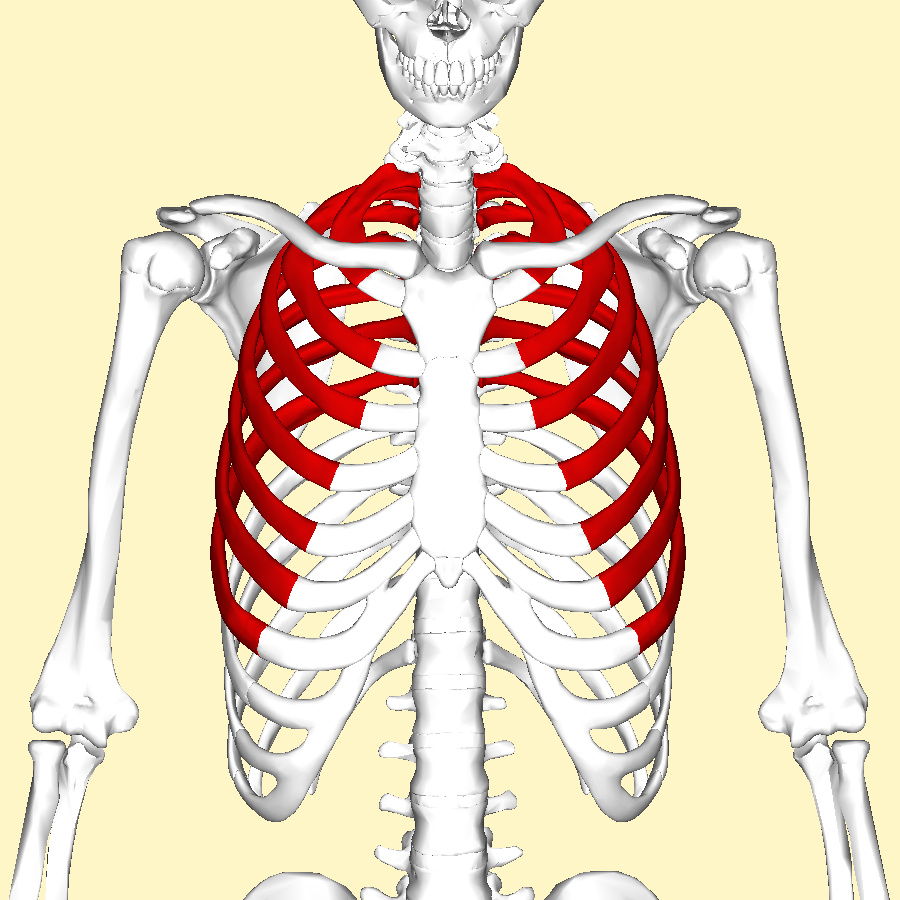
Which ribs are highlighted

a)

true ribs

b)

false ribs

c)

floating ribs

63.

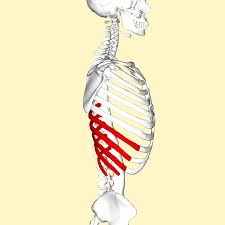
Which ribs are highlighted

a)

true ribs

b)

false ribs

c)

floating ribs

64.

This image represents the __________ skeleton.

a)

appendicular skeleton

b)

axial skeleton

65.

This image represents the __________ skeleton.

a)

appendicular skeleton

b)

axial skeleton