
Font size
 Worksheets
Earth & Environmental Science Final Review
Total questions: 100
Worksheet time: 2hrs 23mins
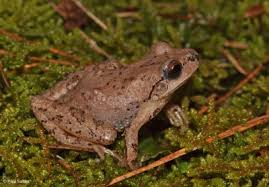

Factors like predation can have a positive benefit to the population of prey organisms because predators tend to keep prey populations below their ___________.
carrying capacity
sustainibility number
exponential growth point
competition level
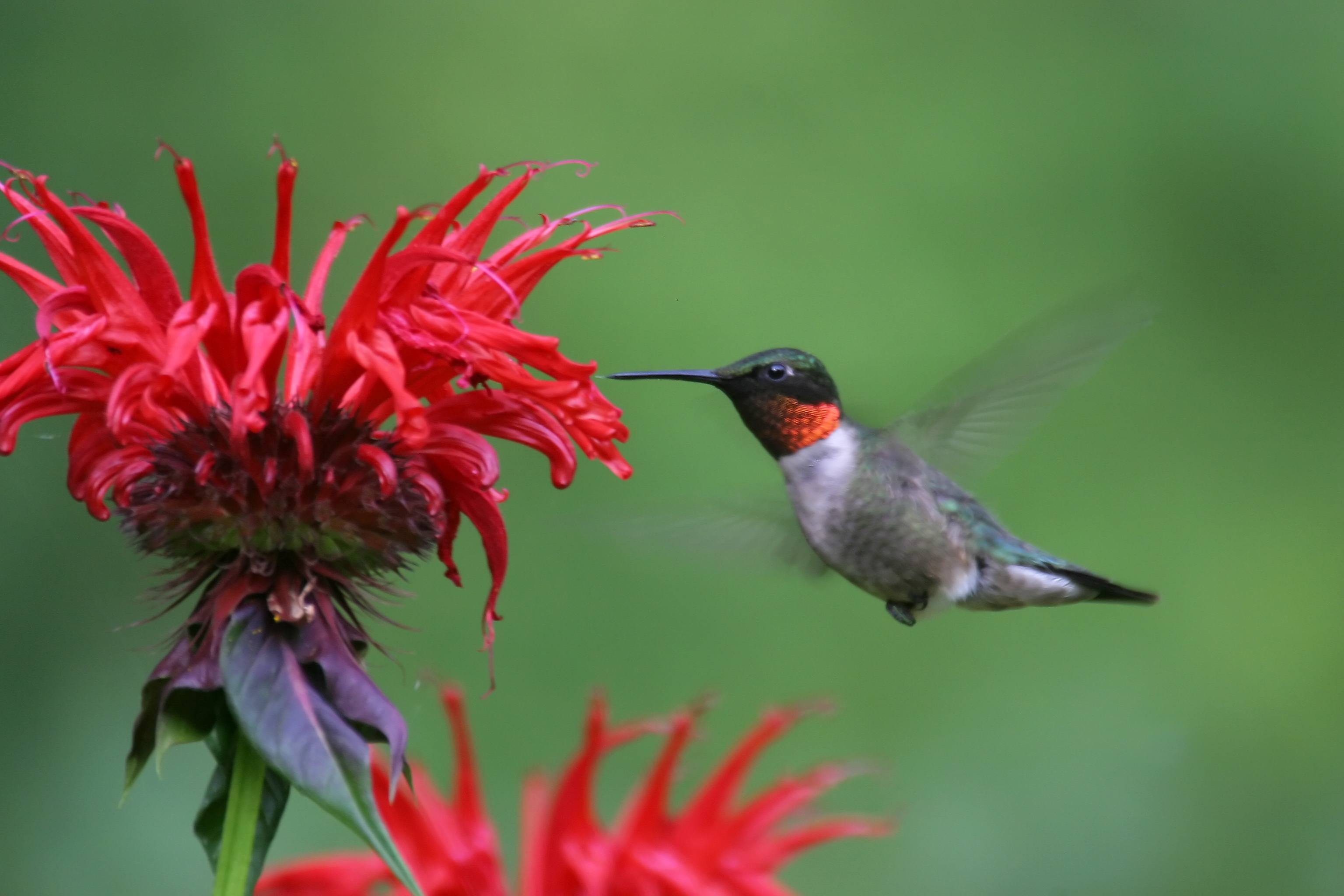
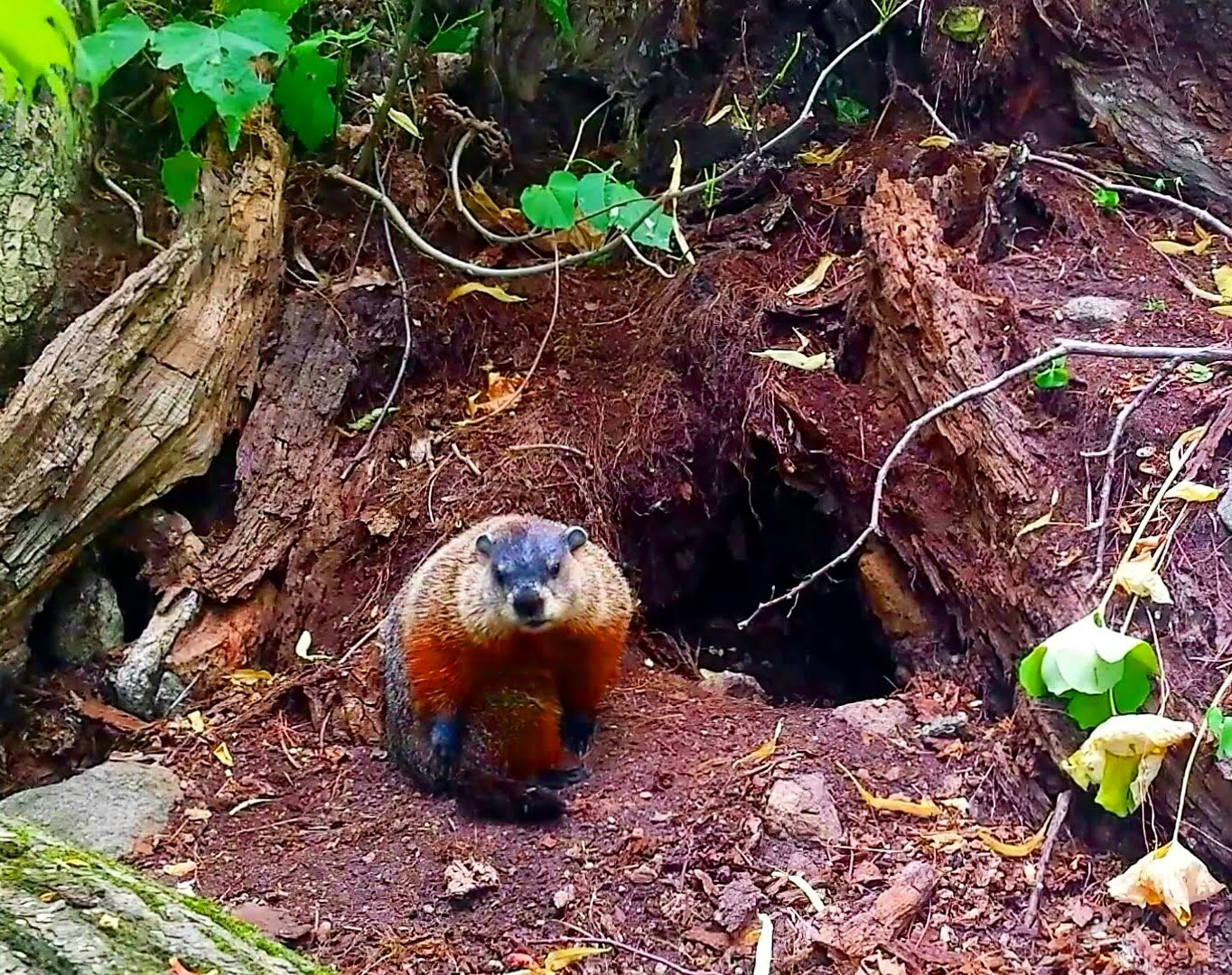

Invasive species alter the ecosystem by __________in number quickly,this leads to _____ food for the native species.
increasing, less
declining,more


How does land use cause a reduction in biodiversity?

Which organism in the food web would
contain the highest concentration of chemical pollutants?
producers
primary consumers
secondary consumers
tertiary consumers
The accumulation of heavy metals or other pollutants causes
a decline in the population of predatory birds because –
heavy metals make it difficult for the birds to hunt
pesticides diminish the amount of available food
the pollutants interfere with bird reproduction
Chemical pesticides tend to be used in terrestrial ecosystems, but they are commonly found in the tissues of aquatic organisms. Because of this, birds and other animals with a diet high in fish commonly suffer the effects of biological magnification. How do these pesticides end up in these aquatic ecosystems?
Pesticides evaporate and are delivered to water sources by rainfall
Land animals containing pollutants die and decompose in waterways
Pesticides are carried to water sources by freshwater runoff.



Why has the human population been able to grow exponentially in a relatively short period of time?
Doctors have developed easier and safer ways to have babies
People needed more help to work their farms so they had more children
Because people stayed in one place and only moved when crowded out
Because of medical care, clean water and better access to nutritious food

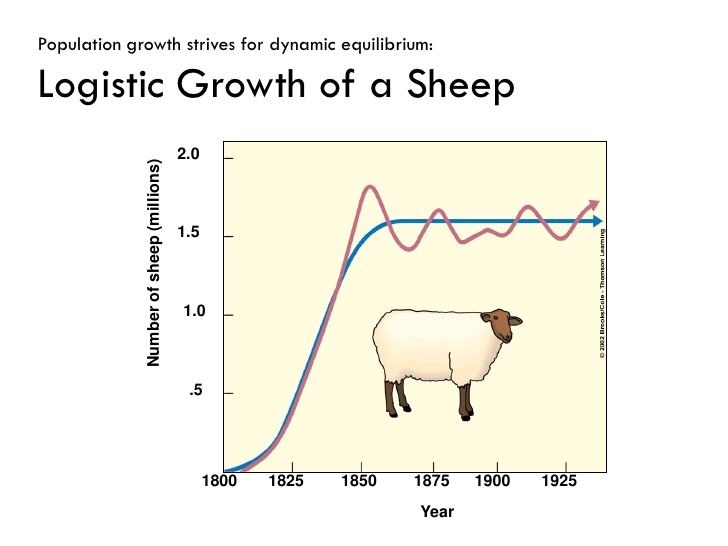
Both graphs represent different population growth models. In graph 1, there are no external factors acting on a population, What is the MOST likely factor causing the change in graph 2.
maximum rate of a population
elimination of genetic diversity
the limitation of an available resource

Water, sunlight, shelter, and space are resources that are often........
abiotic limiting factors
biotic limiting factors
non-limiting factors
exponetial factors

Predator population lags behind prey population because......
Increase in predators leads to decrease in prey
Increase in predators leads to increase in prey
Increase in predators leads to decrease in producers
Increase in producers leads to increase in prey

According to the graph, what is causing the deer population to decrease
They got sick
The wolf population is decreasing
The wolf population increased
They ran out of food
Label the organisms with their correct tropic level

Producer

Primary Consumer

Secondary Consumer

Tertiary Consumer

APEX Predator

Label the factors from the ecosystem as biotic or abiotic
bacteria
insects
kangaroo
sunlight
water
atmosphere
soil

What is the decomposer's role in the biogeochemical cycle?

In an energy pyramid, the (a) consumers have the lowest access to energy.

Organisms at the lower trophic levels have the (a) amount of energy while energy (b) at (c) trophic levels
Match the following
Eats only producers
Herbivore
Eats only meat
Carnivore
Eats plants and animals
Omnivore
Eats dead organisms or feces
Detritivore
Breaks down dead material and returns nutrients to soil
Decomposer
Classify the organism as heterotroph or autotroph


Keystone species help (a) biodiversity and directly affect the (b) that they live in. When they are removed biodiversity (c)
Biotic and abiotic factors can (a) one another and they both play important roles in the (b) of the (c)
How could the introduction of a nonnative species of plant affect an ecosystem in North Carolina?
It could pollinate the native plant species, producing a disease-resistant species.
It could reduce the competition for space and light with native plant species.
It could take over the habitats of the native plant species.
It could cause some insect species to destroy native plant species.

The introduction of a non-native, or (a) species, like the Zebra mussel, is problematic because these species may (b) with native species and reduce (c) .
A new species of fish has been introduced into Lake Hiawatha. This fish eats minnows, a smaller fish that already live in the lake. What is most likely to happen to the population of minnows in Lake Hiawatha? (a) What is most likely to happen to the population of the new species of fish in Lake Hiawatha? (b)

Match the following terms with the best description.
Some abiotic factors in an ecosystem
Rock, water, sun, wind
Some biotic factors in an ecosystem
Plants, animals, microbes
Breaks down waste and dead organisms
decomposers
Every food chain begins with this
sun
Makes their own food
producer
Which factors are abiotic in this image?
Click all the hotspots that are biotic
What is the source of energy for the cricket?
Which organism would have the LEAST amount of total energy available?
Label the Energy Pyramid
460,000 J
46,000 J
4,600 J
460 J

Label each energy level of the pyramid to its level of organisms.
1000 Kcal
producers
100 Kcal
primary consumers
10 Kcal
secondary consumers
1 Kcal
tertiary consumers
Label the food chain
Click on all the primary consumers.

Based on this information, which ecosystem is likely to be the most stable?
A
B
C
D

The solid line shows the human population over time and the dotted line shows the number of extinctions. What relationship do these two lines have?
As the human population increases, the number of extinctions decreases.
As the human population decreases, the number of extinctions increases.
As the human population increases, the number of extinctions increases.
There is no relationship between these two lines.

This graph shows the population of sockeye salmon (the blue line) after an oil spill (the red line.) What effect did the spill have on the salmon?
It caused the population to decrease
It caused the population to increase
It had no strong effect on the population

This graph shows the population of Chinook salmon (in blue) before and after an oil spill (the red line.) What effect did the oil spill have on salmon populations?
It caused the population to decrease for a short time
It caused the population to increase
It caused the population to decrease for a long time
There was no strong effect

This graph shows the population size of cod. Cod is a popular fish for humans to eat. What do you think is happening to the cod population?
Decrease, because of overfishing
Decrease, because fewer cod are being born
Increase, because there are fewer predators
Staying the same, because of human activity

If hawks were removed from this ecosystem, what is the most likely effect?
Grass would increase because rabbits would decrease.
Snake populations would decrease.
Rabbit and mouse populations would decrease because more of them would be eaten by snakes.
Grass and wildflowers would decrease because there would be an increase in rabbit and mouse populations.
Biodiversity
The variety of organisms in a given area
Niche
The role an organism plays in its environment
Keystone Species
Species that are very important to the functioning of an ecosystem.
Habitat
The location where an organism lives
Population
A group of individuals of the same species living in a particular place.
Match the following statements with the correct words.
Biodiversity
The variety of life found on Earth.
Ecological Diversity
This type of diversity refers to the ways that species interact with each other & their environment
Genetic Diversity
This type of diversity is the variation in genes within a species.
Species Diversity
This type of diversity refers to the number of species & abundance of species in a particular place
Which of the following would most likely increase the biodiversity of a local ecosystem?
Removing all decomposers from the area
Introducing a variety of native plant species
Reducing the amount of available water
Increasing the use of chemical pesticides
Which factor is most likely to limit the population growth of a species in an ecosystem?
Decrease in predator population
Increase in genetic diversity
Migration of other species
Availability of food resources
What is the primary effect of introducing an invasive species into a balanced ecosystem?
It always improves ecosystem stability
It increases the genetic diversity of native species
It has no impact on the ecosystem
It can disrupt food webs and reduce native species populations
Which of the following numbers represent a population?
Select the area in the graph showing when population growth seems to reach the carrying capacity
Looking at the population growth curve graph, where does the population size stop increasing and level off? This point shows the carrying capacity (maximum population size the environment can support).
In many parts of the world, plants are used as a source of medicine. Many of these plants are in danger of becoming extinct. It is therefore important for researchers to
Collect and dry all the medicinal plants to preserve them for future use
Search for other plant species that could be used as a new source of that medicine
Use the plants now while we still have them
Apply fertilizer to reduce the numbers of the plant that grow in the wild
Click on the section that represents pioneer species.
Label the diagram with the correct terms
Pioneer Organisms
Climax Community
Label the Model of the Rock Cycle (Drag and Drop)
Click on the part of the rock cycle that represents a SEDIMENTARY ROCK.
Label the three main types of rocks correctly
Deposition
Weathering
Sediment
Granite
Metamorphic
Igneous
Sedimentary
Obsidian
What is the difference between oceanic and continental crust?
Continental is less dense than oceanic crust
Continental is more dense than oceanic crust
Oceanic crust is the same as continental crust
Oceanic crust causes subduction zones and oceanic does not
When another plate is pulled under another, and begins to melt this is called
subduction
sublimation
convergence
convection current
Which type of boundary produces volcanoes as the crust splits apart?
divergent
convergent
transform
What type of boundaries produce earthquakes only and nothing else?
transform
convergent
divergent
What are the three types of boundaries? (Choose 3)
convergent
divergent
transform
earthquake
volcano
What type of boundary produces mountains?
continent-continent
ocean-ocean
continent-ocean
Which type(s) of boundaries produce volcanoes? (Check all that apply)
convergent
divergent
transform
Why do tectonic plates move?
convection currents
plate tectonics
continental drift
ocean currents
What is Pangaea?
the supercontinent made of all the current continents together
how plate tectonics works
the convections currents that cause continental drift
it describes how the continents on Earth currently look

Identify different parts of Earth's structure:
Continental Crust
Asthenosphere
Lithosphere

Match the following layers of the Earth
Crust and upper mantle - brittle & rigid
Plastic-like layer below the lithosphere
Crust
Outermost layer of the Earth
Mantle
Thickest layer
Outer Core
Layer beneath the mantle
What was Wegener’s continental drift idea?
The continents have moved slowly apart to their current locations.
The continents have always been located at their current locations.
The continents are moving slowly together from their current locations.
None of these
Which is NOT evidence Wegener used to support the theory of Continental Drift?
Fossils of organisms
Glaciers that used to exist
Currently living animals and plants
Patterns of rock layers
Wegner used the following as pieces of evidence...
fit/shape of continents
geologic and fossil
climate
all of the above
Which one is an example of Atmosphere and Geosphere?
A volcano erupts adding Carbon Dioxide to the air.
Air temperature impacts the evaporation of lakes and streams.
Plants use essential elements such as water, carbon and nitrogen from the soil.
Which of these are an example of Atmosphere and Biosphere interacting:
The survival organisms is impacted by the air temperature.
Wind can carry seeds to new places,, so more plants can grow.
Bacteria and algae convert Nitrogen from the air into a form that is usable by plants and animals.
all the above


