wayground logo

Free Printable Worksheets

NEW

Font size

S
M
L
XL
Worksheets

Anatomical Terms: Planes and Movements

Total questions: 64

Worksheet time: 44mins
Name
Class
Date
1.
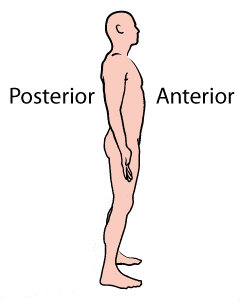
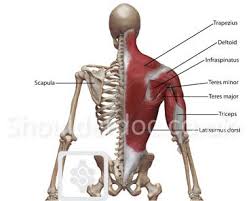
The scapula is on the anterior/posterior side of the body?
a)
deep
b)
posterior
c)
medial
d)
anterior
2.
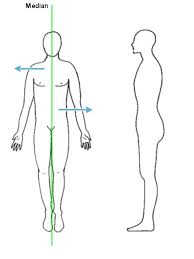
Towards the Front. 
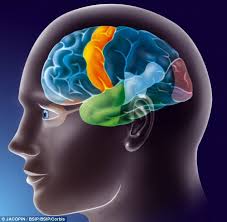
[The eyes are _______ to the brain].
a)
Inferior
b)
Deep
c)
Lateral
d)
Anterior
3.
Away from midline
a)
Lateral
b)
Distal
c)
Superior
d)
Transverse
4.
Divides body into top and bottom portions (superior-head; inferior-feat)
a)
Medial Plane
b)
Sagittal
c)
Proximal 
d)
Transverse Plane
5.
A body part is above another part, or is closer to the head
a)
Superficial
b)
Lateral
c)
Superior
d)
Deep
6.
Toward the back; opposite of Anterior
a)
Superior
b)
Posterior
c)
Inferior
d)
Lateral
7.
Away from the origin or trunk
a)
Deep
b)
Distal
c)
Proximal
d)
Posterior
8.
Closer to midline in relation to another part
a)
Deep
b)
Distal
c)
Medial
d)
Proximal
9.
The head is ______ to the chest.
a)
superior
b)
dorsal
c)
inferior
d)
ventral
10.
The bone is _____ to the skin.
a)
inferior
b)
superficial
c)
deep
d)
posterior
11.
The right shoulder is ______ to the sternum.
a)
medial
b)
proximal
c)
distal
d)
lateral
12.
The rib cage is _____ to the heart.
a)
proximal
b)
medial
c)
superficial
d)
distal
13.
In the anatomical position, the palms are facing-
a)
forward
b)
backward
14.
Which part is superior to the lungs?
a)
none of them are correct
b)
cranium
c)
hips
d)
rib cage
15.
My nose is ______________ to my shoulders
a)
inferior
b)
superior
16.
My toes are _________________ to my femur
a)
proximal
b)
distal
17.
My elbow is ______________ to my fingers
a)
proximal
b)
distal
18.
A __________________ plane divides the body into upper and lower.
a)
sagital
b)
frontal
c)
transverse
d)
oblique
19.
A __________________ plane divides the body into equal right and left
a)
midsagital
b)
frontal
c)
transverse
d)
oblique
20.
My ear is more _____________ than my nose
a)
Medial 
b)
lateral
21.
My heart is ______________ to my spinal cord.
a)
Posterior
b)
Anterior
c)
inferior
d)
superior
22.
My lungs are ______________ to my small intestine.
a)
Posterior
b)
Anterior
c)
inferior
d)
superior
23.
My shoulder blade is on the ________ side of the body
a)
Posterior
b)
Anterior
c)
Deep
d)
Superficial
24.
The skin is ____ to the muscles
a)
deep 
b)
superficial
c)
medial
d)
anterior
25.
The heart is ________ to the ribs.
a)
medial
b)
lateral
c)
superior
d)
deep
26.
The head is ______ to the chest.
a)
superior
b)
dorsal
c)
inferior
d)
ventral
27.
The knee is _______ to the ankle.
a)
proximal
b)
lateral
c)
distal
d)
medial
28.
Away from midline
a)
Lateral
b)
Distal
c)
Superior
d)
Transverse
29.
A body part is above another part, or is closer to the head
a)
Superficial
b)
Lateral
c)
Superior
d)
Deep
30.
The bone is _____ to the skin.
a)
inferior
b)
superficial
c)
deep
d)
posterior
31.
Which of the following planes divides the body into left and right halves?
a)
frontal
b)
transverse
c)
horizontal
d)
sagittal
32.
George has a cramp in the posterior part of his leg.  Where is the cramp?
a)
ankle
b)
knee
c)
shin
d)
calf
33.
Vertical plane that divides the body into ANTERIOR and POSTERIOR parts
a)
Sagittal
b)
Frontal
c)
Transverse
d)
Oblique
34.
Standing erect with palms and feet facing forward.
a)
Anatomical Position
b)
Anatomical Planes
c)
Anatomical Directions
d)
Anatomical Movements
35.
The front is my ____________ side
a)
posterior 
b)
anterior
c)
dorsal
d)
sagital
36.
Away from the origin or trunk
a)
Deep
b)
Distal
c)
Proximal
d)
Posterior
37.
Closer to midline in relation to another part
a)
Deep
b)
Distal
c)
Medial
d)
Proximal
38.
Another name for the plane that divides the body into upper and lower sections is?
a)
frontal
b)
mid-sagittal
c)
sagittal
d)
transverse
39.

Vertical plane that divides the body into RIGHT and LEFT parts

a)

Sagittal

b)

Frontal

c)

Transverse

d)

Oblique

40.
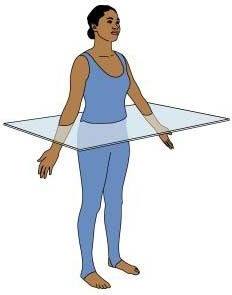
Towards the front
[The eyes are _______ to the brain].
a)
Inferior
b)
Deep
c)
Lateral
d)
Anterior
41.
Refers to a structure being more in front than another structure in the body
a)
Anterior
b)
Posterior
c)
Superior
d)
Inferior
42.
The knee is _______ to the ankle.
a)
proximal
b)
lateral
c)
distal
d)
medial
43.
This term is used only on the limbs (arms and legs)
a)
Proximal
b)
Deep
c)
Anterior
d)
Posterior
44.
If you were using anatomical terms to describe a location on the femur (thigh bone), you should use 
a)
Cranial and caudal
b)
Proximal and distal
c)
Inferior and superior
45.
Body is standing straight, facing forward, upper limbs at side and palms facing forward. 
*right and left refer to "right" and "left" of the body in position.
a)
Sagittal
b)
Anatomical Position
c)
Anterior Position
d)
Anatomical Plane
46.

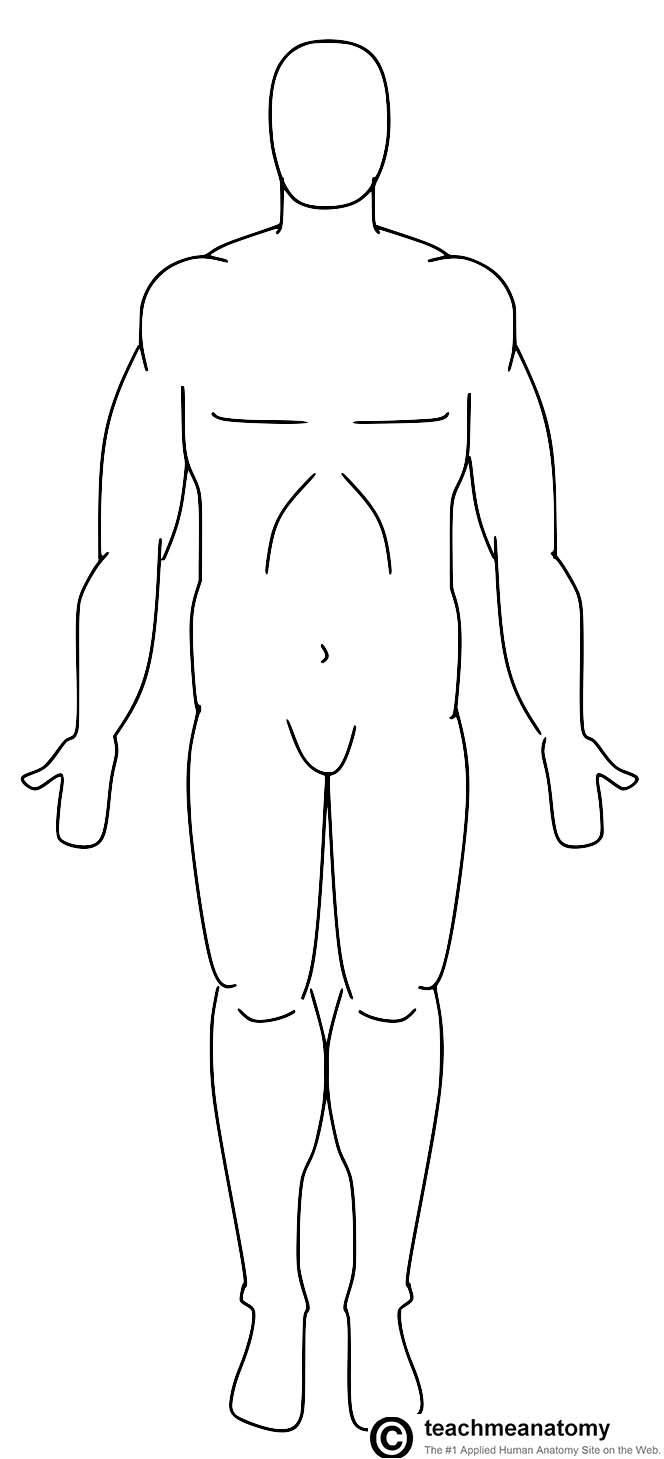
Which side is facing you?

a)

Ventral

b)

Dorsal

c)

Lateral

d)

Medial

47.

Which side is facing you?

a)

Anterior

b)

Posterior

c)

Lateral

d)

Medial

48.

Which side is facing you?

a)

Anterior

b)

Posterior

c)

Lateral

d)

Medial

49.

Your elbows are proximal to your

a)

shoulder

b)

wrist

c)

humerus

d)

ears

50.

The knee is _________ to the ankle

a)

lateral

b)

medial

c)

proximal

d)

distal

51.

The navel is ___________ to the spine.

a)

posterior

b)

lateral

c)

anterior

d)

medial

52.

Your toes are ____________ to your ankle

a)

proximal

b)

distal

c)

lateral

d)

medial

53.

Your sternum (breastplate) is __________ to your shoulder.

a)

medial

b)

lateral

c)

proximal

d)

distal

54.

This tissue connects bone to bone.

a)

muscle

b)

tendon

c)

ligament

d)

bursa

55.

What connects a muscle to a bone and allows for movement since it crosses the joint?

a)

muscle

b)

ligament

c)

bursa

d)

tendon

56.

This tissue causes movement when it contracts.

a)

ligaments

b)

tendons

c)

fascia

d)

muscle

57.

Angle joint is decreasing

a)

extension

b)

flexion

c)

abduction

d)

adduction

58.

Movement away from the midline is called:

a)

flexion

b)

extension

c)

abduction

d)

adduction

59.

An arm or leg is rotating away from the midline of the body.

a)

plantarflexion

b)

dorsiflexion

c)

external rotation

d)

internal rotation

60.

Moving a hand into a palm up position

a)

pronation

b)

supination

c)

inversion

d)

eversion

61.

Turning the bottom of the foot away from the midline of the body

a)

eversion

b)

inversion

c)

plantarflexion

d)

dorsiflexion

62.

The end of a limb is moving in a circular motion

a)

adduction

b)

abduction

c)

circumduction

d)

circularextension

63.

Pointing your toes

a)

iversion

b)

eversion

c)

dorsiflexion

d)

plantarflexion

64.

Movement during active range of motion causes pain. What is the likely injured tissue?

a)

ligament

b)

muscle

c)

fascia

d)

bursa