
 Worksheets
Nervous System
Total questions: 85
Worksheet time: 1hrs 25mins
What are the 3 mains parts of the Nervous System
Brain, heart, blood vessels
Blood Vessels, spinal cord, blood
Brain, Spinal Cord, Neurons
Heart, blood vessels, and blood
What is considered the command center of the nervous system?
Neurons
Heart
Spinal Cord
Brain
What are the senses that the nervous system receives messages from? (mark all that apply)
Vision
Hearing
Smell
Taste
Touch
What kind of cells make up the nervous system?
Plasma
Neurons
Blood Vessels
Spinal Cord
What makes up the Central Nervous System?
Blood and Heart
Spinal Cord
Nerves
Brain and Spinal Cord
List all that the brain controls. (mark all that apply)
Thoughts
Speech
Memory
Muscles Movement
None of the above
What does the cerebrum control?
Memory, language, and thoughts.
Heartbeat, swallowing, and blinking.
Coughing and sneezing
Standing, running, waving, and speaking.
What does the cerebellum control?
involuntary muscle movement
voluntary muscle movement
thoughts, speech, memory
none of the above.
The spinal cord is.....
The command center of the nervous system
The body's message and control center
A long bundle of neurons that sends messages to and from the brain and all parts of the body.
All of the above.
What is the Peripheral Nervous System consist of?
The brain
The spinal Cord
The nerves that connect the CNS to all parts of the body.
All of the above.
And injury to the spinal cord can lead to paralysis.
True
False
What is paralysis?
Loss of feeling or unable to move some body parts
Able to jump around
Able to run
None of the above.
How can you keep the nervous system healthy?
Make healthful food choices
Drink plenty of water
Get plenty of sleep
All of the above

What is this? It coordinates muscle movements.
Cerebrum
Cerebellum
Brain Stem
Diencephalon
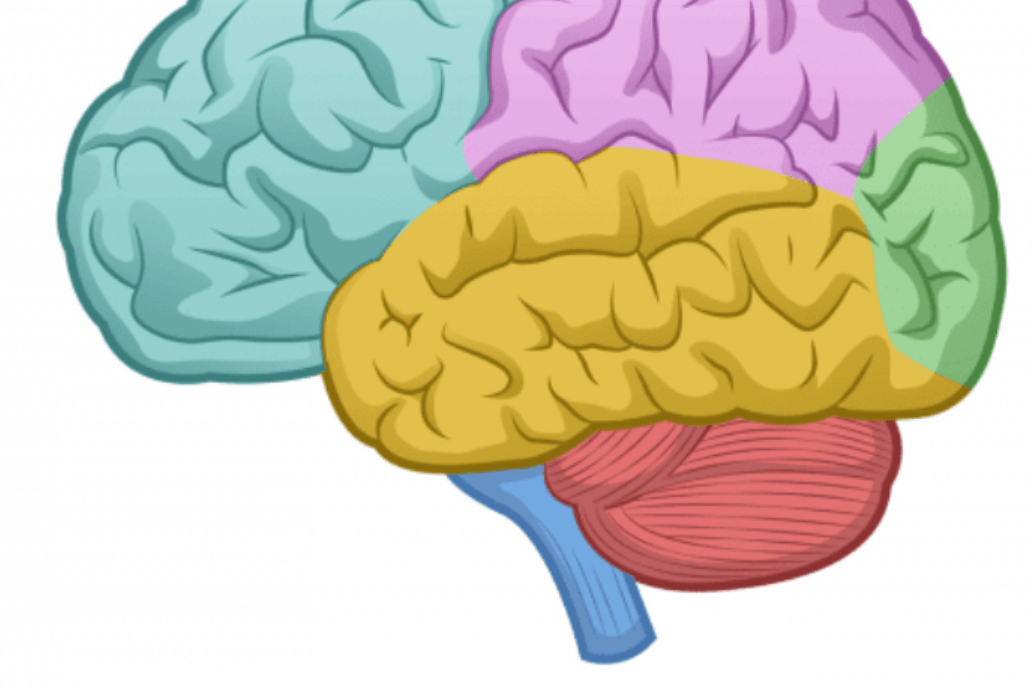
What structure is bright blue and located at bottom of the brain and controls the information sent between brain and rest of the body?
Cerebrum
Cerebellum
Brain Stem
What is the gap between two neurons called?
Impulse
Synapse
CNS
Inter neuron
Select the VOLUNTARY action.


Select the INVOLUNTARY action.


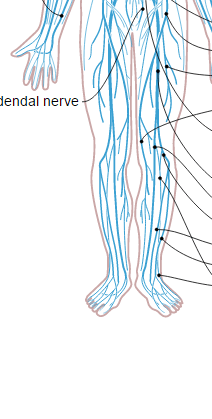

Our ______ receive messages and send them to the brain. The brain sends messages to our body on how to respond.
heart
lungs
nerves
What part of the brain deals with the thalamus and hypothalamus?
Brain Stem
Cerebellum
diencephalan
cerebrum
The human brain is made of 100 billion neurons. Each neuron has a nucleus that contains genes. Many neurons bind together to form a nerve.
tissue
system
organ
cell
Which cell relays messages from one tissue to another?
Red Blood Cell-RBC
White Blood Cell-WBC
Neuron
Tissue
Humans feel hungry when their empty stomachs contract and glucose levels in their body drop. Both of the situations stimulate neurons that send messages to the brain which are interpreted as hunger. What body systems are involved in this process as described?
digestive, muscular, integumentary, and respiratory
digestive, excretory, integumentary, and skeletal
circulatory, excretory, nervous, and skeletal
circulatory, digestive, muscular, and nervous
The urinary bladder is a muscular organ of the excretory system that collects urine excreted by the kidney. How does the nervous system help the urinary system in excretion?
it signals the urinary bladder to absorb more water from the urine.
It signals the urinary system to collect waste from the different parts of the body.
It signals the urinary bladder to hold and release urine at appropriate times.
It signals the urinary bladder to allow more urine to flow from the ureters.
Which 2 body systems interact and initiate movement?
muscular and nervous system
skeletal and muscular system
respiratory and nervous system
circulatory and nervous system

Which part of the brain controls your blood pressure and heart rate?
brain stem
cerebrum
cerebellum
adrenal gland


The brain is covered in a membrane called:
choroid plexus.
meninges.
ventricles.
cerebral aqueduct.
What is the inner most meningeal layer of the brain?
Arachnoid
Dura mater
Pia mater
Ventricles
When the spinal cord is severed and brain damage occurs, what substance could leak into tissues?
Choroid plexus
Cerebral aqueduct
Cerebrospinal fluid
Corpus callosum
What type of paralysis would a patient have if they sustained a spinal cord injury at the T10 level?
paraplegia
quadraplegia
hemiplegia
paresthesia
What part of the brain deals with appetite and temperature control?
Cerebellum
Cerebrum
Hypothalamus
Brain stem
How is bacterial meningitis treated?
Viatmins
Nothing
Oxygen
Antibiotics
Someone with a spinal cord injury might experience:
inability to move and respiratory distress
hairloss
increased appetite
none of the above
Someone experiencing serve headache, nausea and vomiting might be suffering from what disorder?
Epilepsy
Hydrocephalus
Meningitis
Cerebral palsy
A rare disease in the US that leads to paralysis is known as:
West Nile Virus
Enephalitis
Poliomyelitis
Multiple sclerosis
An elderly woman have tremors and shuffling of her gait might be developing:
cerebral palsy.
Alzheimer's disease.
Parkinson's disease.
multiple sclerosis.
Reflex actions are controlled by which part of the nervous system?
Brain
Cerebellum
Spinal Cord
None of these
While thinking which part of the brain we are using?
Cerebellum
Medulla
Cerebrum
Spinal cord
Our breathing system is control and coordinated by this part of the brain.
Spinal cord
Cerebellum
Medulla
Cerebrum
What will happen if all the sensory nerves stop working in any human's body?
Messages will not reach to the brain or spinal cord.
Brain is not able to process the received information.
Nothing will happen as motor nerves will perform the functions.
Which of these conditions, influence by symphatetic nerves (more than one answer)
speeds heart
slows heart
decrease intestinal activity
dilates pupil
Neurological disorder that usually attack in old people with the symptoms of loss memory...
Parkinsons
Alzheimer
Stroke
Amnesia
There are _____ pairs of cranial nerves, and _____ pairs of spinal nerves
12, 24
31, 12
12, 31
10, 12
A collection of spinal nerves that join together after leaving the spinal cord is called a
ganglion
nucleus
projection nerve
plexus


cause of a response. (happens 1st) Thing or event that evokes a reaction.
stimulus
response
The meninges consist of
the brain and spinal cord.
nerve tracts that run up and down the spinal cord.
the membranes that delineate all of the major brain parts.
the pia mater, arachnoid mater, and dura mater.

