Wayground logo

Free Printable Worksheets

Font size

S
M
L
XL
Worksheets

Benchmark 1 review 20-21

Total questions: 100

Worksheet time: 5hrs 44mins

Name
Class
Date
1.

Which is newtons first law states

a)

An object at rest will remain at rest unless a force is applied

b)

An object is moving

c)

An object has stopped

d)

An moving object will keep going when a force is applied to it

2.

Which is newtons 3rd law

a)

for every thing there is reaction

b)

for every reaction there is a unusual action

c)

For every reaction there is an equal and opposite reaction

d)

for every reaction there is an good action

3.

Which type of force(s) will cause a change in an object's motion?

a)

gravity

b)

balanced forces

c)

unbalanced force

d)

net force

4.

Newton's third law states that any action will have a(n) _______ and ______ reaction

a)

equal and same

b)

equal and opposite

c)

equal and equal to

5.

The tendency of objects to resist a change in motion is called:

a)

Friction

b)

Inertia

c)

Gravity

d)

Velocity

6.
What law is best described by inertia?
a)
1st
b)
2nd
c)
3rd
d)
law of conservation of mass
7.
A person not paying attention while skateboarding hits a rock. The skateboard stops...they don't.
a)
The Law of Inertia (1st law)
b)
The Law of Acceleration (2nd law)
c)
The Law of Conservation of Momentum
d)
Action Reaction Law (3rd law)
8.
What Unit do we Measure Force in? 
a)
Newtons
b)
Joules
c)
Force
d)
Kilograms
9.
With unbalanced forces, the object will move in the direction that the _______ force is being applied.
a)
larger 
b)
smaller 
c)
equal 
d)
less
10.
Which type of force(s) will cause a change in an object's motion?
a)
gravity
b)
zero net force
c)
balanced forces
d)
unbalanced forces
11.
A 20 kg bike accelerates at 10 m/s2.  what was the force
a)
25 Newtons
b)
20 Newtons
c)
200 Newtons
d)
10 Newtons
12.
8 N to the left , and 4 N to the right. Find the net force. Is this balanced 
a)
12 N Right  No
b)
4 N Left  No
c)
12 N Right  Yes
d)
4 N Left  Yes
13.
What is the acceleration of an object traveling at a constant velocity?
a)
10 m/s2
b)
0 m/s2
c)
250 m/s2
d)
20 m/s2
14.
A net force of 15 N is exerted on an encyclopedia to cause it to accelerate at a rate of 5 m/s2. Determine the mass of the encyclopedia?
a)
 m = 3.0 kg
b)
m = 4.0 kg 
c)
m = 3.0 ml 
d)
m = 30.0 g
15.
Determine the accelerations that result when a 12-N net force is applied to a 3-kg object. 
a)
3 m/s
b)
4 ft/s 
c)
13 m/s
d)
4 m/s 
16.
If a 10 kilogram object accelerates suddenly at 15 m/s^2, how much force was applied to the object?
a)
150 Newtons
b)
15 Newtons
c)
150 kilograms
d)
100 kilograms
17.
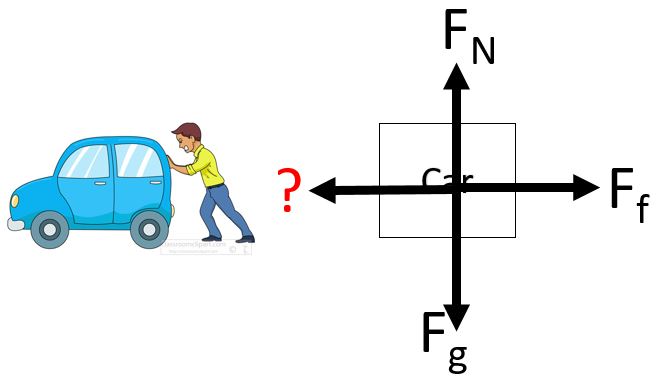
Name the missing force....
a)
weight force
b)
normal force
c)
frictional force
d)
tension force
18.
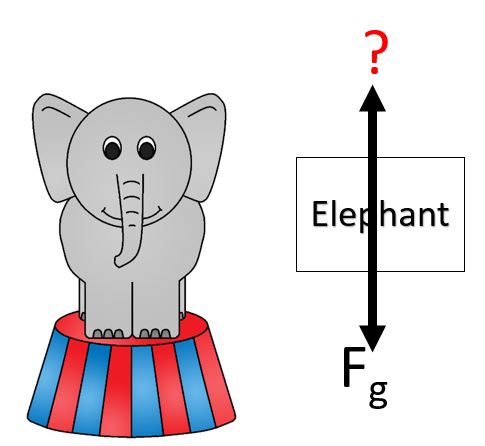
Name the missing force...
a)
frictional force
b)
weight force
c)
thrust
d)
buoyant force
19.
Name the missing force...
a)
applied force
b)
weight force
c)
tension force
d)
drag
20.
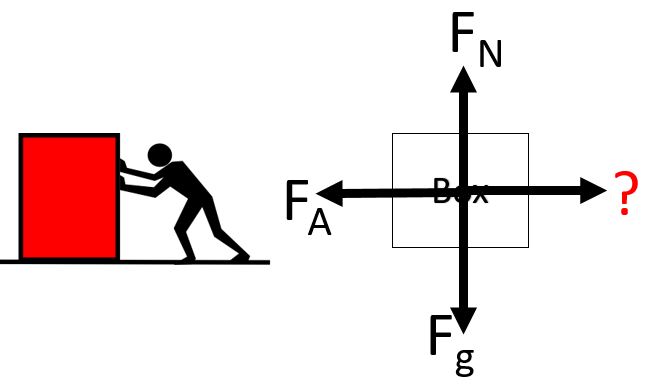
Name the missing force...
a)
weight force
b)
normal force
c)
applied force
d)
frictional force
21.

Whenever an object is moving, there is always this force opposing the motion:

a)

inertia

b)

momentum

c)

friction

d)

applied force

22.

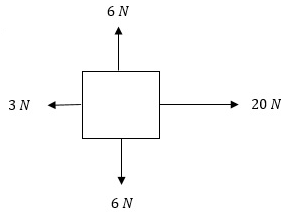
What is the NET FORCE of this diagram?

a)

17 N, right

b)

17 N, left

c)

23 N, right

d)

12 N, up

23.

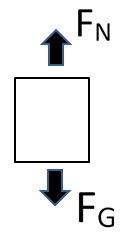
Which of the following is true about this free-body diagram?

a)

the forces are are balanced

b)

the object is free-falling

c)

the object is moving upward

d)

the forces are unbalanced

24.
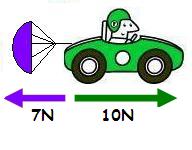
What is the net force?
a)
17 N Right
b)
3 N Right
c)
3 N Left
d)
17 N Left
25.

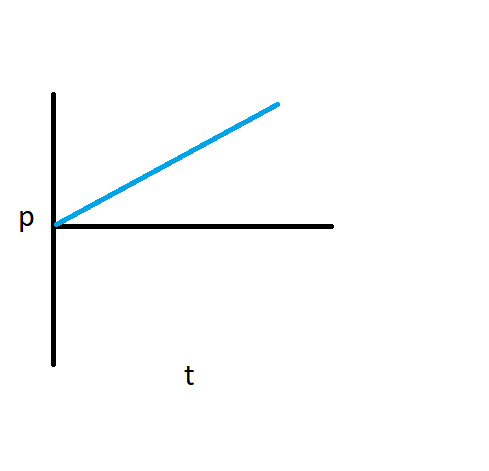
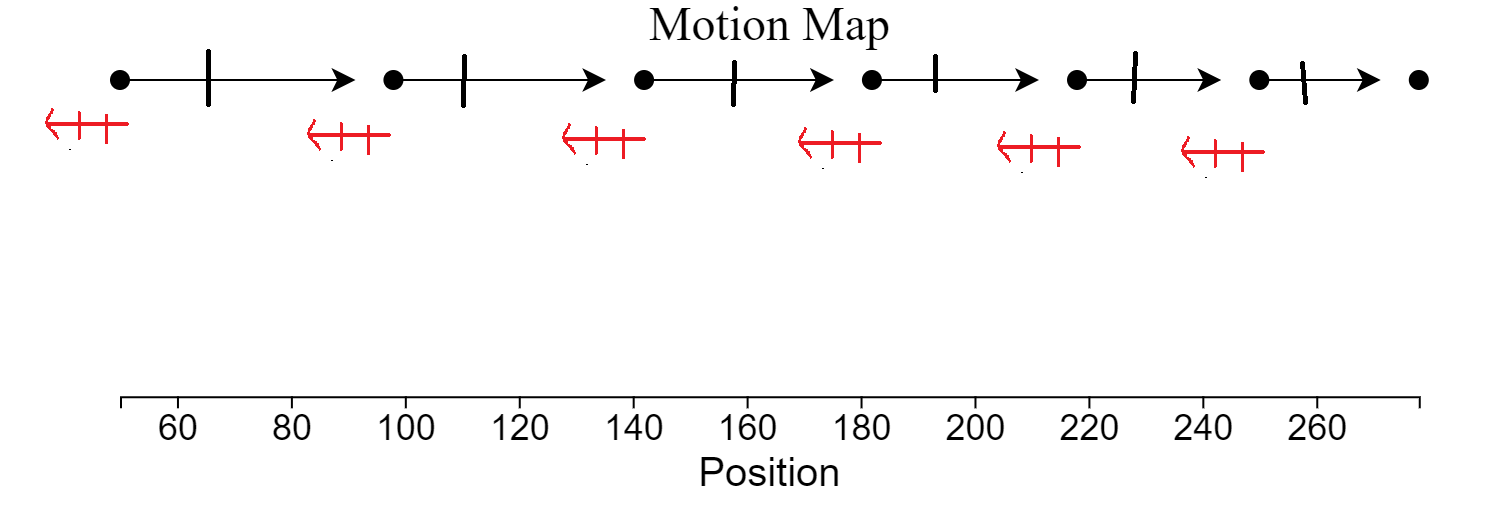
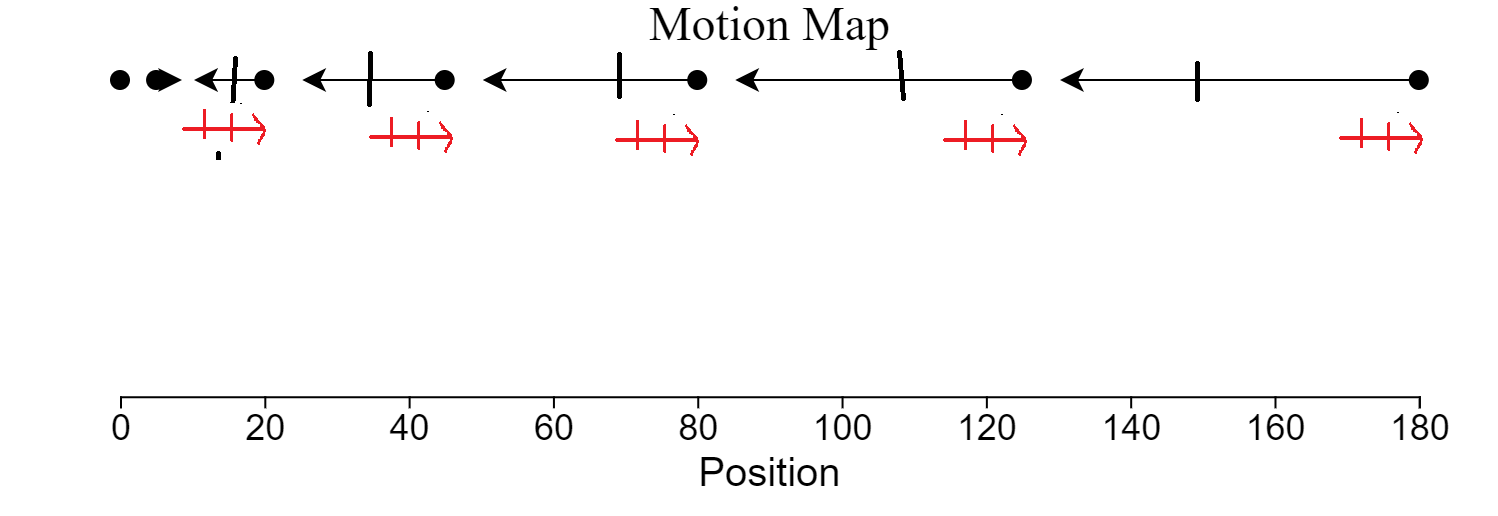
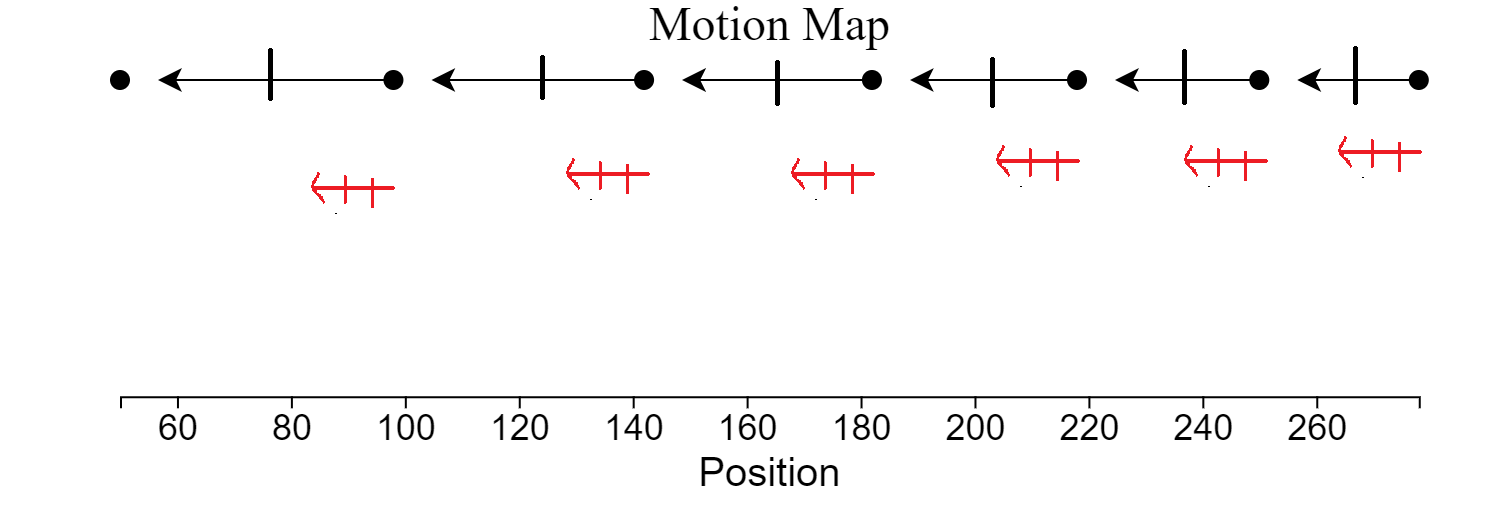
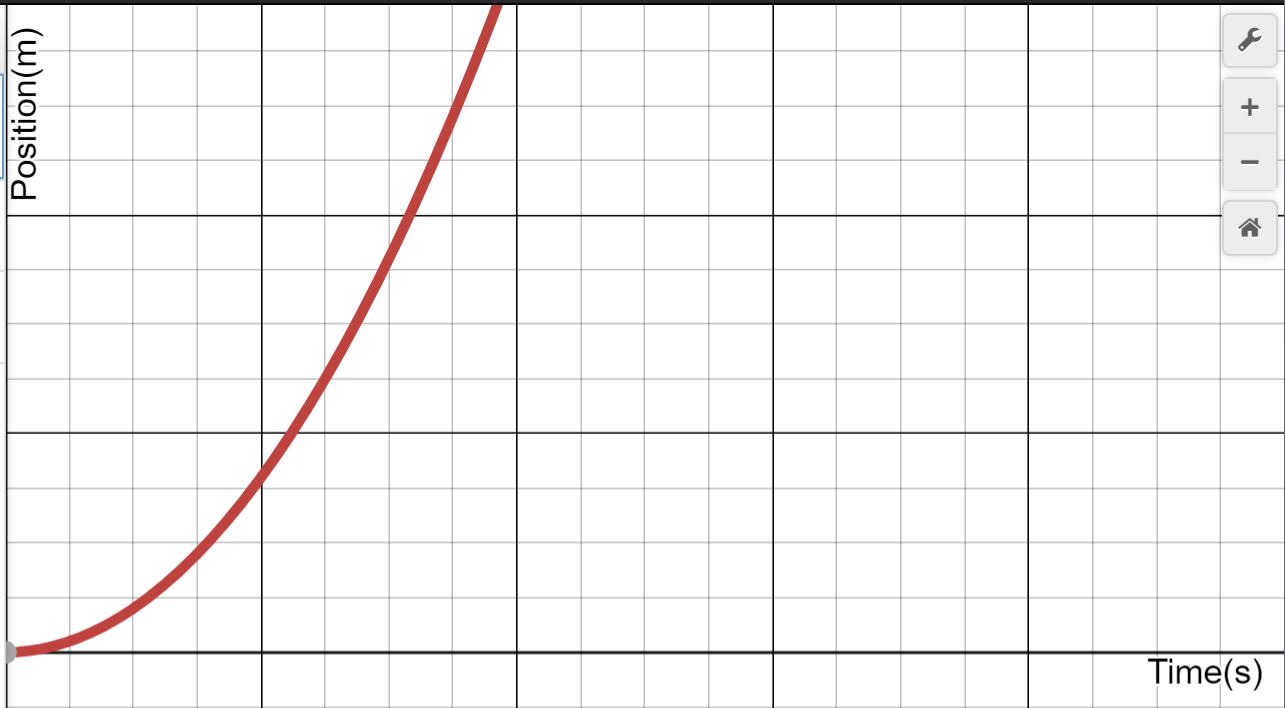
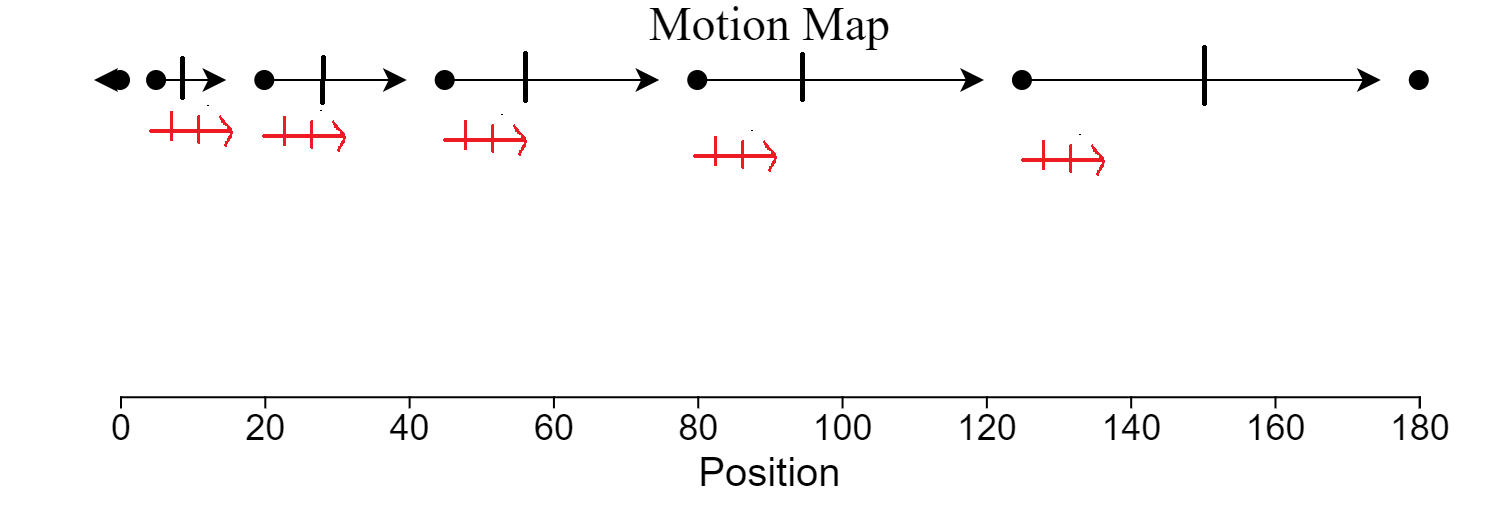
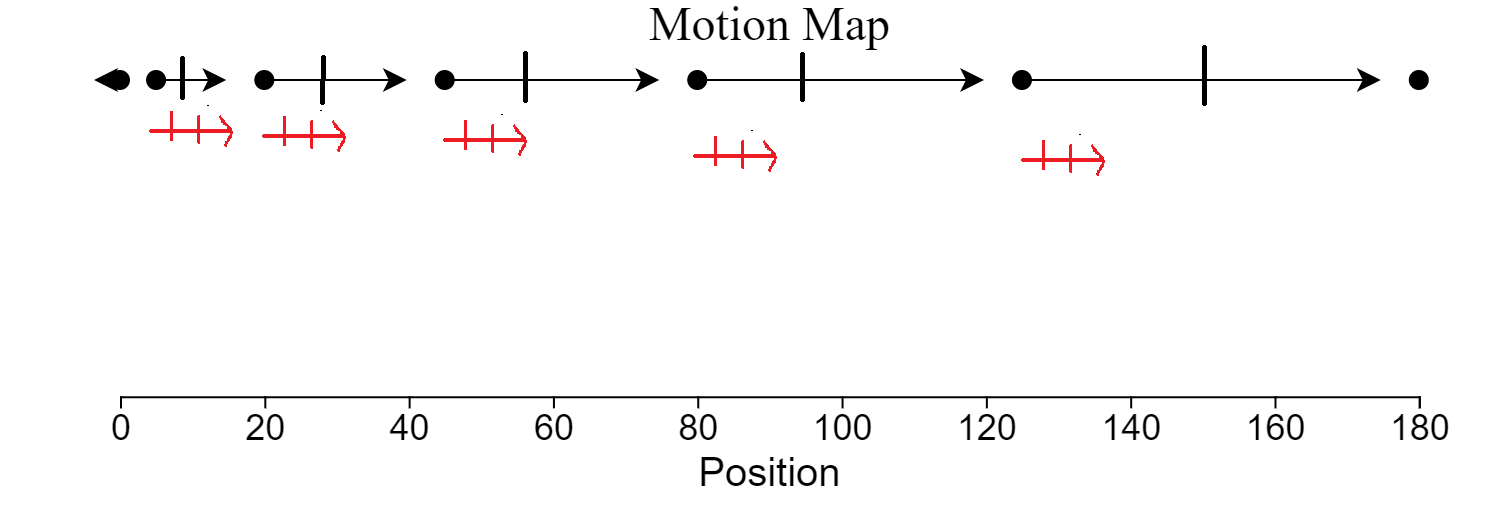
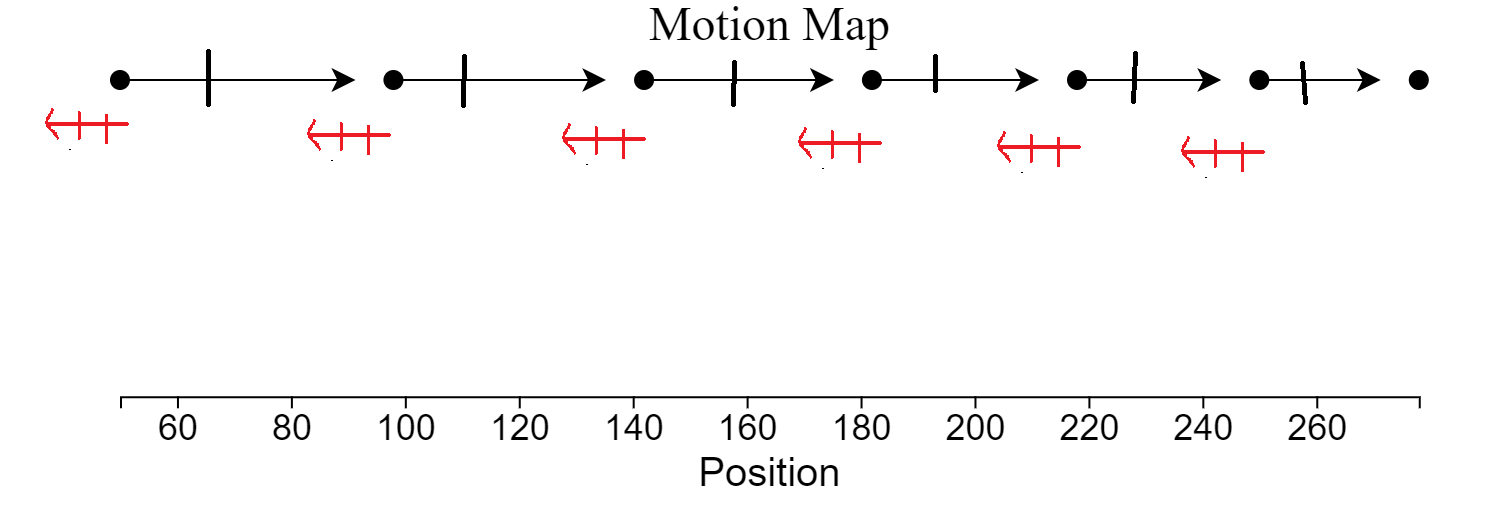
Which of the following motion maps matches this graph
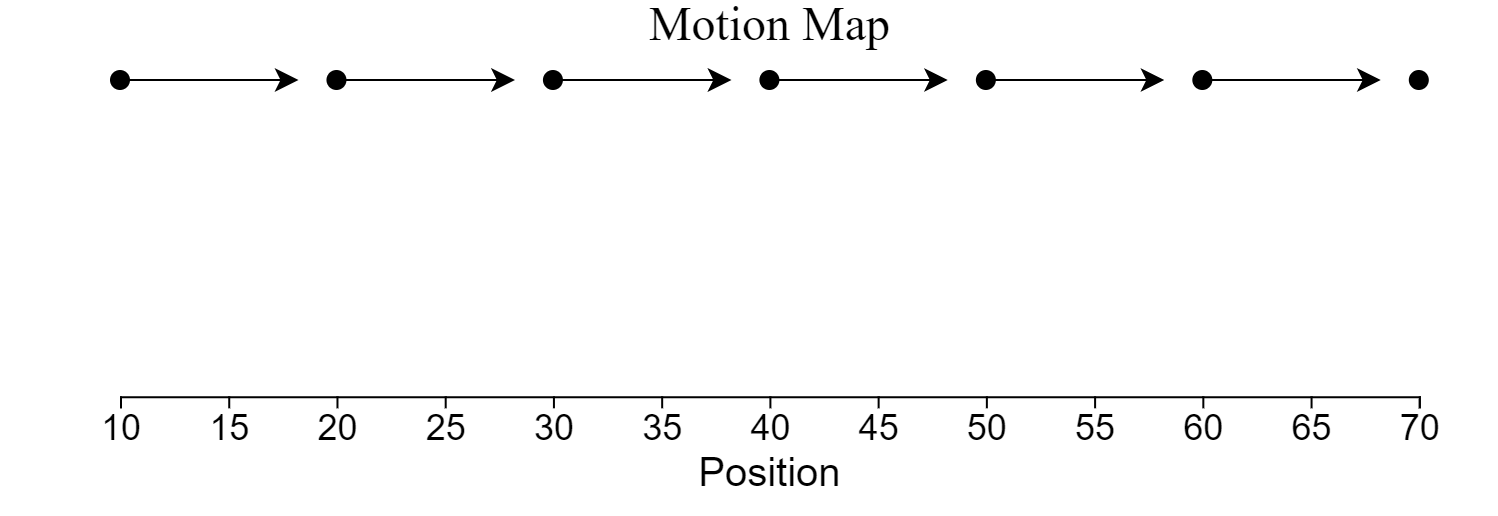
a)
b)
c)
d)
26.

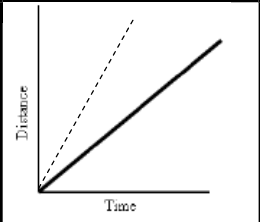
Which of the following motion maps matches this graph?
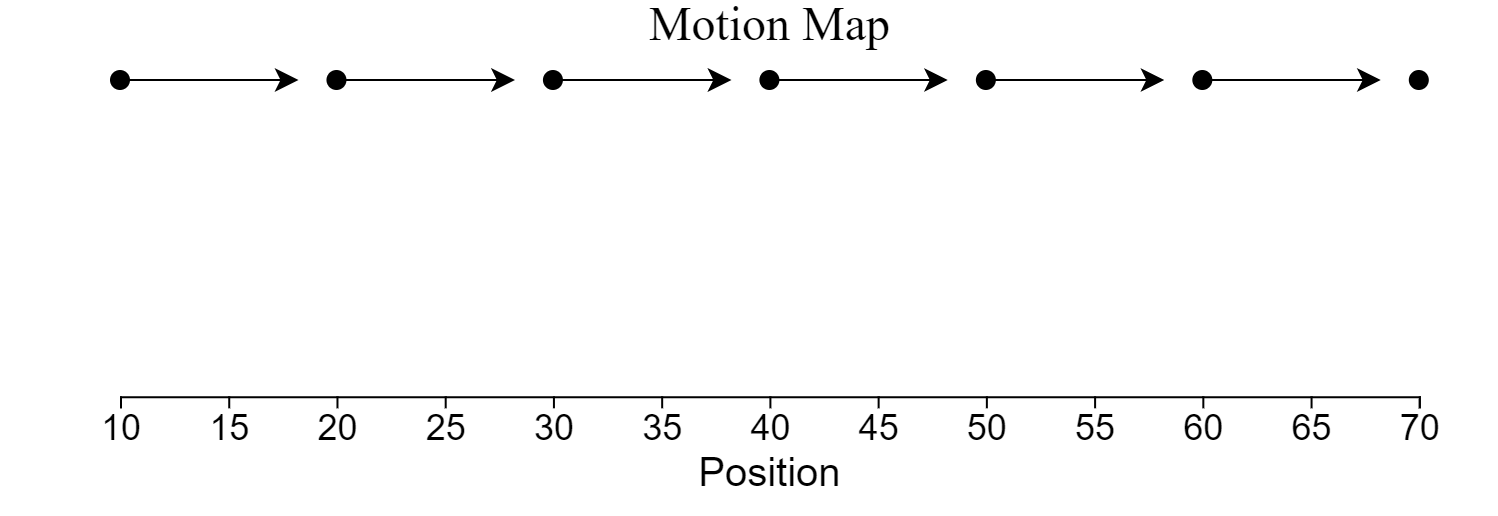
a)
b)
c)
d)
27.
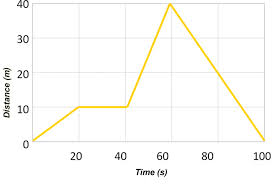
Determine the speed at 20 seconds based on the information shown in the graph.  Speed = distance/time
a)
2 m/s
b)
10 m/s
c)
20 m/s
d)
.5 m/s
28.
At 60 seconds, how far had this object traveled? 
a)
0 m
b)
10 m
c)
20 m
d)
40 m
29.
How many times does this object STOP moving?
a)
None
b)
Once
c)
Twice
d)
Three times
30.
What does this graph represent?
a)
Constant Speed
b)
Acceleration
c)
Not moving
31.
How long did it take this object to travel back to its reference/starting point?
a)
20 s
b)
30 s
c)
60 s
d)
100 s
32.
What is happening in this graph from point B to C?
a)
The object is going down a hill.
b)
The object is returning to its starting location.
c)
The object is slowing down.
d)
The object is staying still.
33.
According to the data in the graph, what was the average speed of the bicycle?
a)
1 meter/second
b)
4 meters/second
c)
5 meters/second
d)
20 meters/second
34.
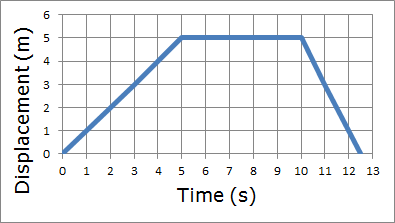
What is the average speed of the person during the first 5 seconds?
a)
0 m/s
b)
1 m/s 
c)
3 m/s
d)
6 m/s 
35.
What is the person doing from 5 seconds to 10 seconds?
a)
Walking at a constant speed
b)
Running at a constant speed
c)
Standing Still 
d)
Walking Fast
36.

During what times is the object not moving?

a)

B to C

b)

C to D

c)

F to G

d)

A to B

e)

D to E

37.
Which part of the trip was the FASTEST?
a)
B to C
b)
D to E
c)
F to G
d)
C to D
38.
Which runner had a head start?
a)
A
b)
B
c)
C
d)
None of them
39.
Which runner won the race?
a)
A
b)
B
c)
C
d)
It was a tie
40.
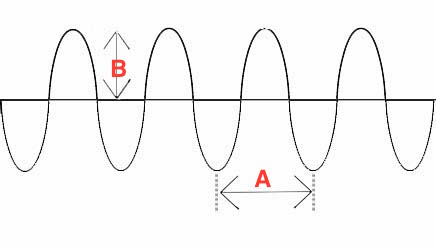
What property of the wave is represented by the letter "B"?
a)
amplitude
b)
crest
c)
trough
d)
wavelength
41.
The highest point on a wave is:
a)
the crest
b)
the trough
c)
the top
d)
the coast 
42.
The lowest point on a wave is the:
a)
Amplitude
b)
Crest
c)
Trough
d)
Wavelength
43.
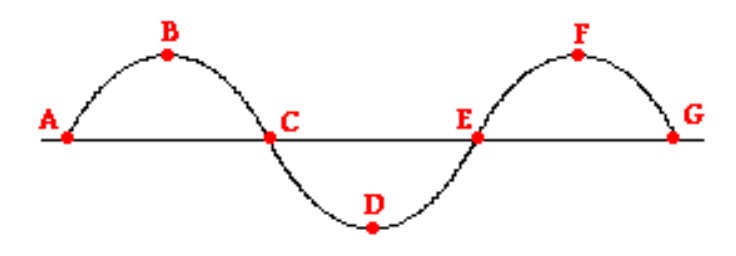
Which vocabulary term is used to identify the distance between points C & G?
a)
Amplitude
b)
Crest
c)
Frequency
d)
Wavelength
44.
Which letter(s) represent the trough of the wave?
a)
A
b)
B & D
c)
D
d)
C & G
45.

Amplitude is the distance between

a)

the crest and the trough

b)

each wave

c)

the middle point of a wave and the clouds

d)

the crest or trough and the middle point of the wave

46.

The trough is the

a)

highest point in a wave

b)

the wavelength

c)

lowest part of a wave

d)

the distance between each crest

47.
Waves move ___ through vibrations
a)
Energy
b)
Matter
c)
Mass
d)
Weight
48.
What kind of wave is pictured below?
a)
compressional wave
b)
transverse wave
c)
sound wave
d)
mechanical wave
49.

You can't hear sounds in outer space because there is no

a)

medium

b)

light

c)

energy

d)

heat

50.
Any material that a wave travels through is called a ____________________.
a)
vibration
b)
compression
c)
medium
d)
crest
51.
In longitudinal waves, the parts where the coils are spread apart are called what?
a)
rarefactions
b)
compressions
c)
mechanicals
d)
longitudes
52.
In what type of wave does the medium move perpendicular to the movement of the wave?
a)
Transverse
b)
Longitudinal
c)
Electromagnetic
d)
Radio
53.
In a longitudinal wave, the parts where the coils are close together are called what?
a)
longitudes
b)
rarefactions
c)
compressions
d)
contractions
54.
Which type of wave does sound travel in?
a)
Transverse
b)
Longitudinal
55.
What kind of wave is pictured?
a)
Transverse
b)
Longitudinal
c)
surface
d)
none of the above
56.

A wave that can travel through matter and empty space is a:

a)

electromagnetic wave

b)

longitudinal wavy

c)

transverse wave

57.
When light hits the shirt in the picture, which color will bounce off?
a)
Blue
b)
Indigo
c)
Orange
d)
Violet
58.
When light hits a black object, like the one in the picture, what will happen to the different colors?
a)
All colors of light will bounce off
b)
All colors of light pass through it
c)
All colors of light will be absorbed
d)
None of the above
59.
What is the longest wavelength on the EMS (electromagnetic spectrum)?
a)
Radio Waves
b)
Micro Waves
c)
Gamma Rays
d)
X-Rays
60.

Which of the following colors have the longest wavelength?

a)

Red

b)

Yellow

c)

Blue

d)

Green

61.

When light passes through a prism, why do you see different colors?

a)

Each color has a different wavelength, so they all bend at different angles

b)

Because Stone Cold said so

c)

Because the prism is magical and allows you see the colors

d)
62.
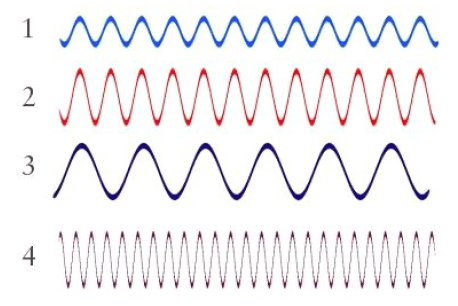
Which wave in the diagram has the greatest wavelength?
a)
1
b)
2
c)
3
d)
4
63.
Sound is an example of which type of wave?
a)
Transverse
b)
Longitudinal
c)
Both
d)
Neither
64.
What happens to frequency when the energy increases?
a)
it increases
b)
it decreases
c)
it stays the same
65.
Which part of the wave is shown at letter D?
a)
trough
b)
resting point
c)
wavelength
d)
frequency
66.
When wavelength increases, what happens to the frequency?
a)
it increases
b)
it decreases
c)
it stays the same
67.
Which wave has a greater frequency?
a)
wave B
b)
wave C
68.
Which wave has the most energy?
a)
top wave
b)
bottom wave
69.

The strongest parts of the magnet are ...

a)

fronts

b)

backs

c)

poles

d)

middle

70.

What would happen is a north pole of a magnet came close to a north pole of another magnet?

a)

they would be attracted to each other

b)

they would be repelled from each other

71.

The area around a magnet is called the .....

a)

attraction zone

b)

work area

c)

magnetic field

d)

hot zone

72.
A north pole and a south pole will attract.
a)
True
b)
False
73.
True or False: All metals stick to magnets.
a)
True
b)
False
74.

Why does the compass needle move at different locations?

a)

Because the needle is attracted to the magnetic field produced by the magnet

b)

Because north is up

c)

Because it is being attracted to the Magnetic North Pole

d)

Because north is down

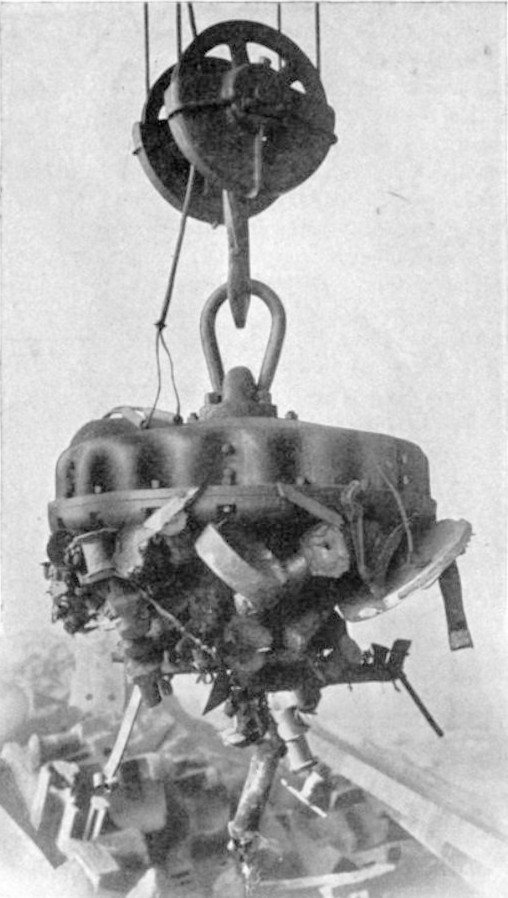
75.
The picture is an example of an:
a)
Electric circuit
b)
Electromagnet
c)
Electric nail
d)
Electric power cell
76.

To make this electromagnet stronger you could:

a)

use less wire

b)

have fewer wire coils around the nail

c)

have more wire coils around the nail

d)

use a plastic core

77.
What is true about electricity and magnetic fields?
a)
Electricity is needed to create any magnet.
b)
Electricity always creates a magnetic field.
c)
Electricity is stronger than a magnetic field.
d)
Electricity prevents magnetic fields from occurring.
78.
Electric current flowing through a wire produces
a)
static electricity
b)
an open circuit
c)
a permanent magnet
d)
a magnetic field
79.

Which one represents the magnetic field lines of magnets attracting?

a)

A

b)

B

80.
What is true about electricity and magnetic fields?
a)
Electricity is needed to create any magnet.
b)
Electricity always creates a magnetic field.
c)
Electricity is stronger than a magnetic field.
d)
Electricity prevents magnetic fields from occurring.
81.
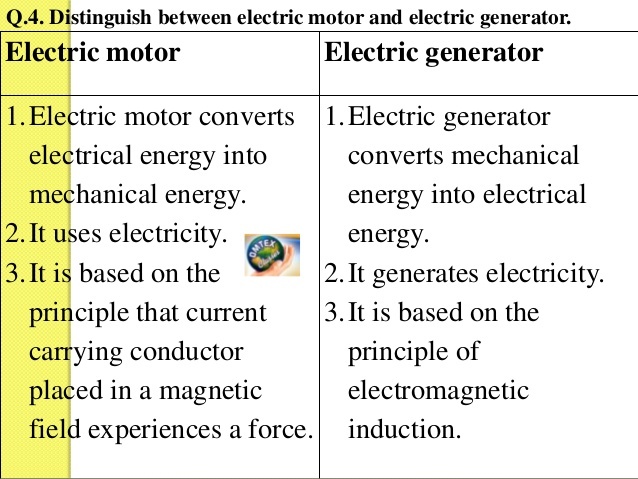
What two forces are required for generators and electric motors to work? 
a)
magnetism and thermal 
b)
electricity and thermal 
c)
electricity and magnetism 
d)
magnetism and radiant 
82.
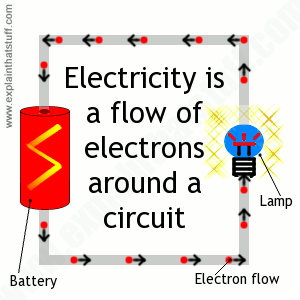
Electricity is the flow of _________.
a)
Protons
b)
Neutrons
c)
Electrons
83.
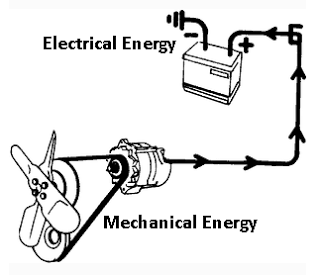
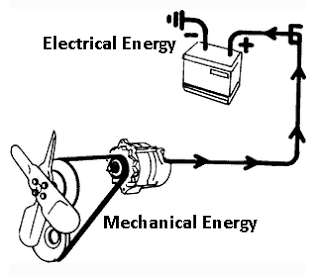
Generators are devices that convert _____ energy into _____ energy.
a)
chemical; mechanical
b)
mechanical; electrical
c)
electrical; mechanical
d)
potential; kinetic
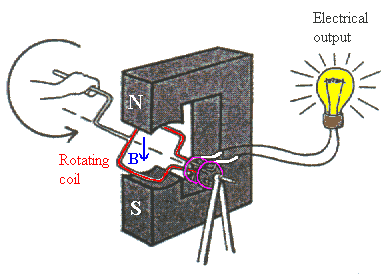
84.

In a _______ a spinning turbine moves magnets which generates an electric current.

a)

Motor

b)

Generator

85.
How are electromagnets different from magnets?
a)
magnets can be turned on/off
b)
you can turn an electromagnet on/off
c)
magnets are more powerful
d)
magnets have a North and South pole
86.
What type of energy comes OUT of a generator?
a)
Mechanical
b)
Electrical
c)
Thermal
d)
Potential
87.

What is the transfer of energy in when you plug in a motor and it spins?

a)

chemical to mechanical

b)

electrical to mechanical

c)

mechanical to electrical

d)

physical to potential

88.
In an electric motor, the energy transformation begins as  ----
a)
electrical and becomes chemical
b)
mechanical and becomes electrical
c)
electrical and becomes mechanical
d)
mechanical and becomes chemical
89.
Iron, Nickel and cobalt are all __________________ materials
a)
Shiny
b)
poles
c)
magnetic
d)
cold
90.
_______ waves carry the greatest amount of energy. 
a)
x-rays
b)
gamma rays
c)
infrared rays
d)
visible light
91.
A wave with a large wavelength will have a ______ frequency and _____ energy
a)
high, low
b)
high, high
c)
low, high
d)
low, low
92.
What is orbiting Earth that receive radio, television, and telephone signals and then transmit them around the world?
a)
GPS
b)
Communication Satellite 
c)
Transmitter
d)
Cell Phone Tower
93.
In AM waves what remains constant? 
a)
Frequency 
b)
Amplitude 
c)
Wavelength 
d)
Crests
94.
What waves carry information to your TV and radio ?
a)
Radio
b)
Microwaves
c)
Gamma
d)
AM
95.
What types of waves do cell phones use?
a)
Radio waves
b)
Gamma Rays
c)
Microwaves 
d)
Ultraviolet Rays
96.
What is the correct way a cell phone call goes out? 
a)
The phone call goes out, transmits through microwaves, then moves to the central hub. Then the signals go to the nearest tower to the receiver of the call
b)
The phone call goes out, transmits through  radio waves, then moves to the central hub. Then the signals go to the nearest tower to the receiver of the call
c)
The phone call goes out, transmits through microwaves, then moves to the tower. Then the signals go to the nearest hub to the receiver of the call
d)
The phone call just magically gets to the other phone
97.

What does the FM stand for in FM radio?

a)

Amplitude modulation

b)

Frequency modulation

c)

Frequency medium

d)

Fiber-optic modulation

98.

Which of the following answer choices explains what digital means?

a)

Data expressed as single digits, usually 0 and 1

b)

Smooth and continuous data

c)

Electrical

d)

computerized

99.
_____is the highness or lowness of a sound (but not how quiet or loud the sound is).
a)
Volume
b)
Frequency
c)
Pitch
100.

What is the spreading out of waves called?

a)

Reflection

b)

Refraction

c)

Deflection

d)

Diffraction

e)

Dispersion