Wayground logo

Free Printable Worksheets

Font size

S
M
L
XL
Worksheets

Central Nervous System and the Brain

Total questions: 100

Worksheet time: 5hrs 50mins

Name
Class
Date
1.

During ____________you will start to produce egg and sperm.

a)

your mid twenties,

b)

puberty

c)

18th year of life,

2.
The nervous system_________
a)
receives information about what is going on in your body as well as what is going on around you. 
b)
tells your body how to react to the information it receives. 
c)
helps your body maintain homeostasis. 
d)
all of the above.
3.
The nervous system lets your body know what is going on around you and______________
a)
changes what is bad for your body.
b)
maintains the conditions inside your body such as your temperature. 
4.
What is "stimuli"?
a)
A major organ in the brain that is a part of the nervous system. 
b)
What your body does to a change or a signal. 
c)
A change or a signal your body receives. 
5.
Name the two major parts of the central nervous system.
a)
The brain and the skull. 
b)
The brain and the body.
c)
The spinal cord and the brain.
d)
The spinal cord and the body. 
6.
A_______is what your body does in reaction to a stimuli. 
a)
reaction
b)
response
c)
change
7.
What is "homeostasis"?
a)
The body's ability to react to a stimuli. 
b)
The body's ability to keep everything inside it in balance. 
8.
What are the two divisions of the nervous system?
a)
The brain and spinal cord. 
b)
The central nervous system and the skeletal system. 
c)
The central and peripheral nervous systems. 
9.
the central nervous system______________
a)
is the control center of the body. 
b)
the main body system. 
10.
A bundle of nerve tissue that links the brain to the nerves in peripheral nerve system is called the________________
a)
brain stem. 
b)
central nervous system. 
c)
spinal cord. 
11.
The frontal, parietal, occipital, and temporal lobes make up the_______
a)
brain stem.
b)
cerebrum.
c)
cerebellum. 
12.
Which part of the brain controls all involuntary actions?
a)
brain stem
b)
cerebrum
c)
cerebellum
13.
Which part of the brain coordinates the actions of muscles and helps you maintain balance?
a)
brain stem
b)
cerebrum
c)
cerebellum
14.
which part of the brain carries out mental processes such as learning and remembering?
a)
brain stem
b)
cerebrum
c)
cerebellum
15.
Which is the stimuli and which is the response?
Sweating
Heat from the sun
a)
Sweating is the stimuli, heat is the response
b)
Heat is the stimuli, sweating is the response
16.
What would your body's response be to having the flame of a candle getting too close to your hand?
a)
To sweat
b)
To yell
c)
To pull your hand away
17.
What is an example of homeostasis?
a)
Your feet pulling away when being tickled. 
b)
Your stomach growling when your body needs nutrients. 
c)
Your hair growing really long in the summer. 
18.
A soccer ball comes flying toward you. You throw up your hands to be avoid being hit in the face. Which is the stimuli?
a)
The ball coming towards you.
b)
Throwing up your hands to stop the ball.
19.

The part of the brain that controls involuntary processes

a)

medulla

b)

cerebrum

c)

cerebellum

d)

spinal cord

20.

Specialized structures which carry information between your body and the central nervous system

a)

nerves

b)

neuron

c)

brain

d)

vertebrae

21.

A nerve cell that is specialized to transfer messages in the form of fast moving electrical energy

a)

neuron

b)

brain

c)

medulla

d)

cerebellum

22.

Actions which are NOT under your control

a)

voluntary

b)

involuntary

c)

vertebrae

d)

brain

23.

Actions which are under your control

a)

involuntary

b)

voluntary

c)

brain

d)

vertebrae

24.

Select all of the organs of the nervous system:

a)

Brain

b)

Heart

c)

Spinal Cord

d)

Nerves

e)

Stomach

25.

Which of the following is the nervous system?

a)
b)
c)
d)
26.

The basic unit of structure and function in the nervous system is a nerve cell. Nerve cells are also called-

a)

Osteocytes

b)

Dendrites

c)

Neurons

d)

Spinal Cords

27.

What is the function of a nerve?

a)

To transport needed food around the body

b)

To control body movement for reflexes.

c)

To carry messages (impulses) to and form the Central Nervous System

d)

All of the above

28.

The more you take the more you leave behind what am I

a)

footsteps

b)

water

c)

memories

d)

paper

29.

What goes around the world but stays in a corner

a)

robots

b)

a jar of peanut butter

c)

stamps

d)

Elmo

30.

The more there is of me the less you see of other things. What am I?

a)

clouds

b)

darkness

c)

greediness

d)

magic is always the answer

31.
How many letters are in alphabet?
a)
20
b)
26
c)
8
d)
14
32.

There are questions in this quiz are riddles and they caused you to think to answer them, what lobe did you use?

a)

parietal

b)

temporal

c)

frontal

33.
The cerebrum is part of the nervous system.
a)
True
b)
False
34.
The trachea is part of the nervous system.
a)
True
b)
False
35.
Brain cells are called
a)
hemoglobin
b)
neurons
c)
brainpoppers
d)
alveoli
36.
At birth, your brain was almost the same size as an adult brain and contained most of the brain cells for your whole life.
a)
True
b)
False
37.
 The cerebral cortex grows thicker as you learn to use it.
a)
True
b)
False
38.
Your brain’s storage capacity is considered virtually unlimited.
a)
True
b)
False
c)
Unknown
39.

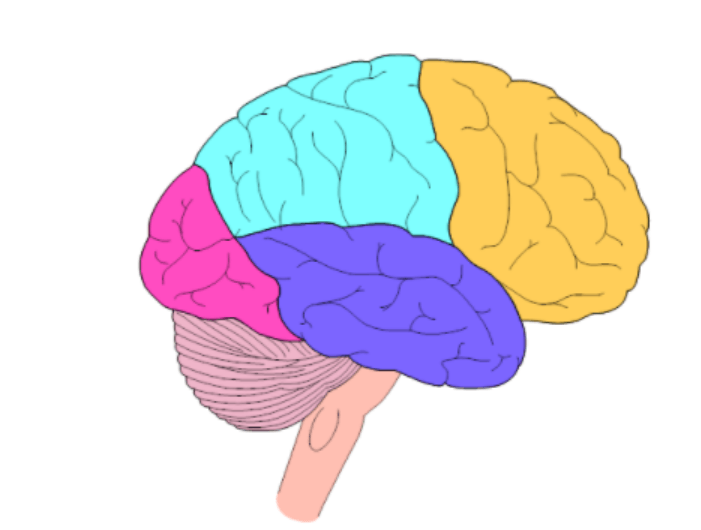
What lobe is orange in this picture?

a)

Frontal

b)

Parietal

c)

Temporal

d)

Occipital

40.

What lobe is bright pink in this picture?

a)

Frontal

b)

Parietal

c)

Temporal

d)

Occipital

41.

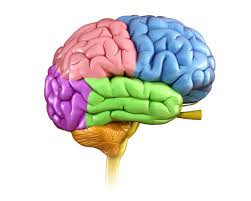
What lobe is green in this picture?

a)

Frontal

b)

Parietal

c)

Temporal

d)

Occipital

42.

What lobe is pink in this picture?

a)

Frontal

b)

Parietal

c)

Temporal

d)

Occipital

43.

What does the blue lobe do?

a)

Processes your hearing

b)

Processes your vision

c)

Contains your personality

d)

Processes your sense of touch

44.

What does the yellow lobe do?

a)

Processes your hearing

b)

Processes your vision

c)

Contains your personality

d)

Processes your sense of touch

45.

What does the pink lobe do?

a)

Processes your hearing

b)

Processes your vision

c)

Contains your personality

d)

Processes your sense of touch

46.

Which part of the brain controls your blood pressure and heart rate?

a)

brain stem

b)

occipital lobe

c)

cerebellum

d)

frontal lobe

47.

Which part of the brain controls your balance and coordination?

a)

brain stem

b)

occipital lobe

c)

cerebellum

d)

frontal lobe

48.

Who has a bigger frontal lobe?

a)
b)
49.

Who has bigger olfactory bulbs?

a)
b)
50.
a)
Frontal Lobe
b)
Brain Stem
c)
Cerebellum
d)
Occipital Lobe
51.
a)
Amygdala
b)
Corpus Callosum
c)
Thalamus
d)
Hippocampus
52.
a)
Hypothalamus
b)
Cerebellum
c)
Hippocampus
d)
Thalamus
53.
a)
Hippocampus
b)
Hypothalamus
c)
Amygdala
d)
Thalamus
54.

The function of the thalamus is

a)

a balance center

b)

a thermostat

c)

a relay station to other brain parts

d)

to regulate sleep

55.

Logical decision making is processed here.

a)

occipital lobe

b)

visual cortex

c)

frontal lobe

d)

thalamus

56.

Very important in sustaining life.

a)

medulla

b)

cerebellum

c)

hippocampus

d)

frontal cortex

57.
Which letter on the illustration represents the temporal lobe? 
a)
A
b)
B
c)
C
d)
D
58.
Which letter on the illustration represents the parietal lobe? 
a)
A
b)
B
c)
C
d)
D
59.
Which letter on the illustration represents the occipital lobe? 
a)
A
b)
B
c)
C
d)
D
60.
Receives sensory information and relays it to the proper part of brain for further processing
a)
Hypothalamus
b)
Reticular Formation
c)
Cerebellum
d)
Thalamus
61.
Receives sensory input for touch and body position
a)
Parietal Lobe
b)
Frontal Lobe
c)
Occipital Lobe
d)
Temporal Lobe
62.
Controls hearing, speaking coherently, and comprehension
a)
Frontal Lobe
b)
Temporal Lobe
c)
Occipital Lobe
d)
Parietal Lobe
63.

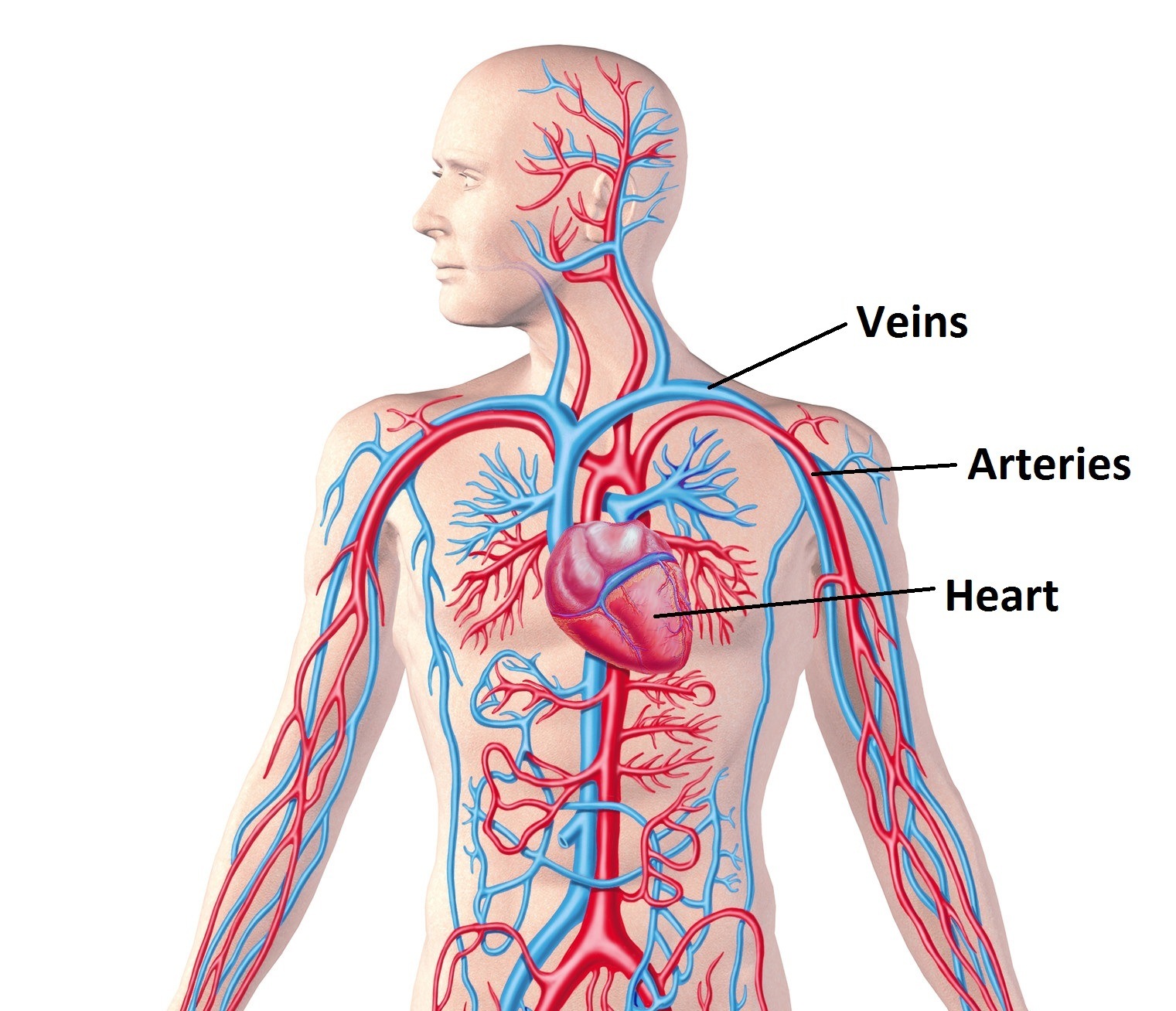
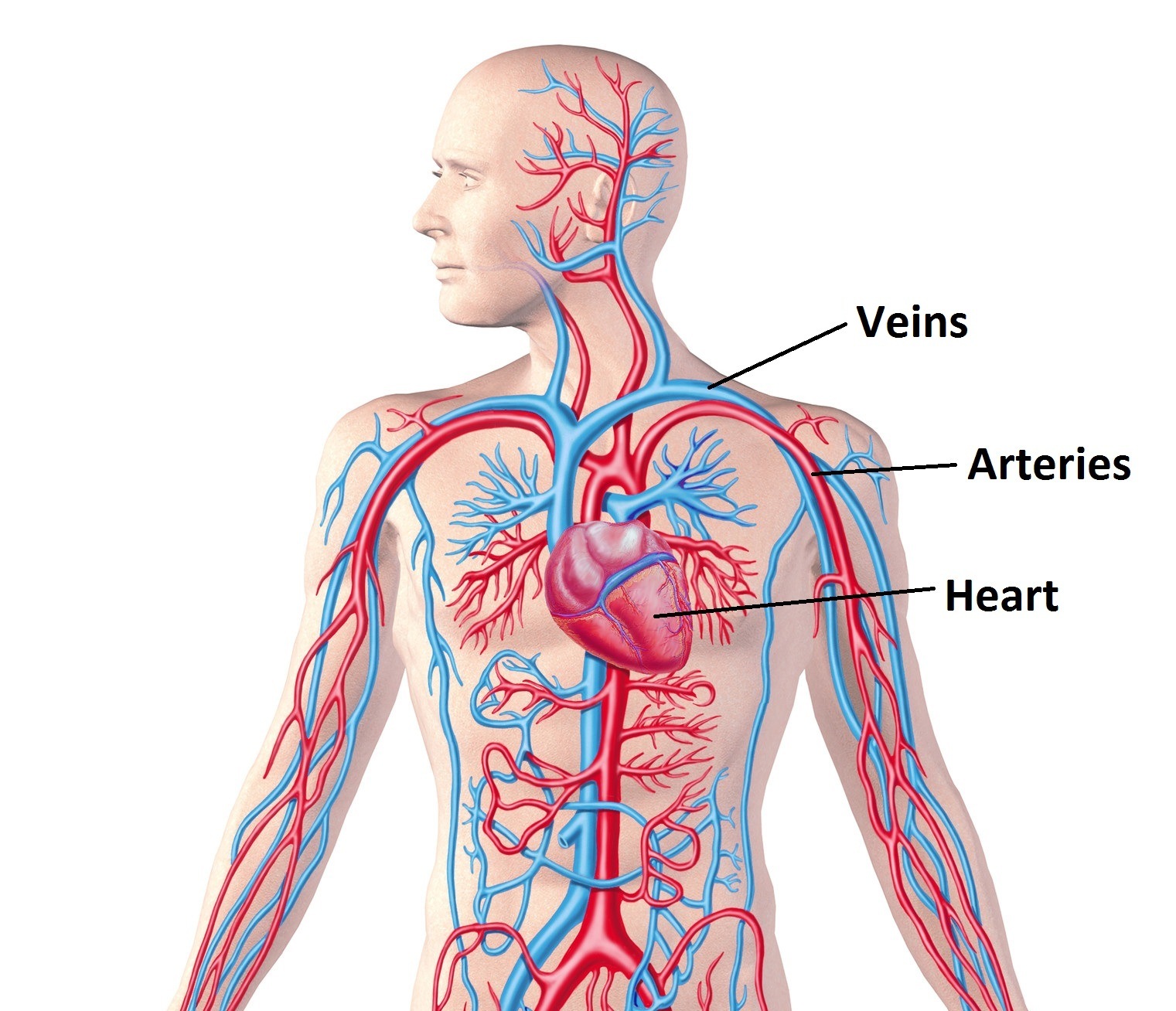
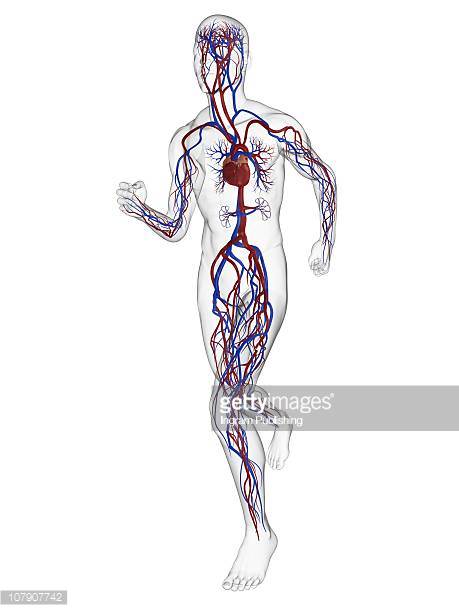
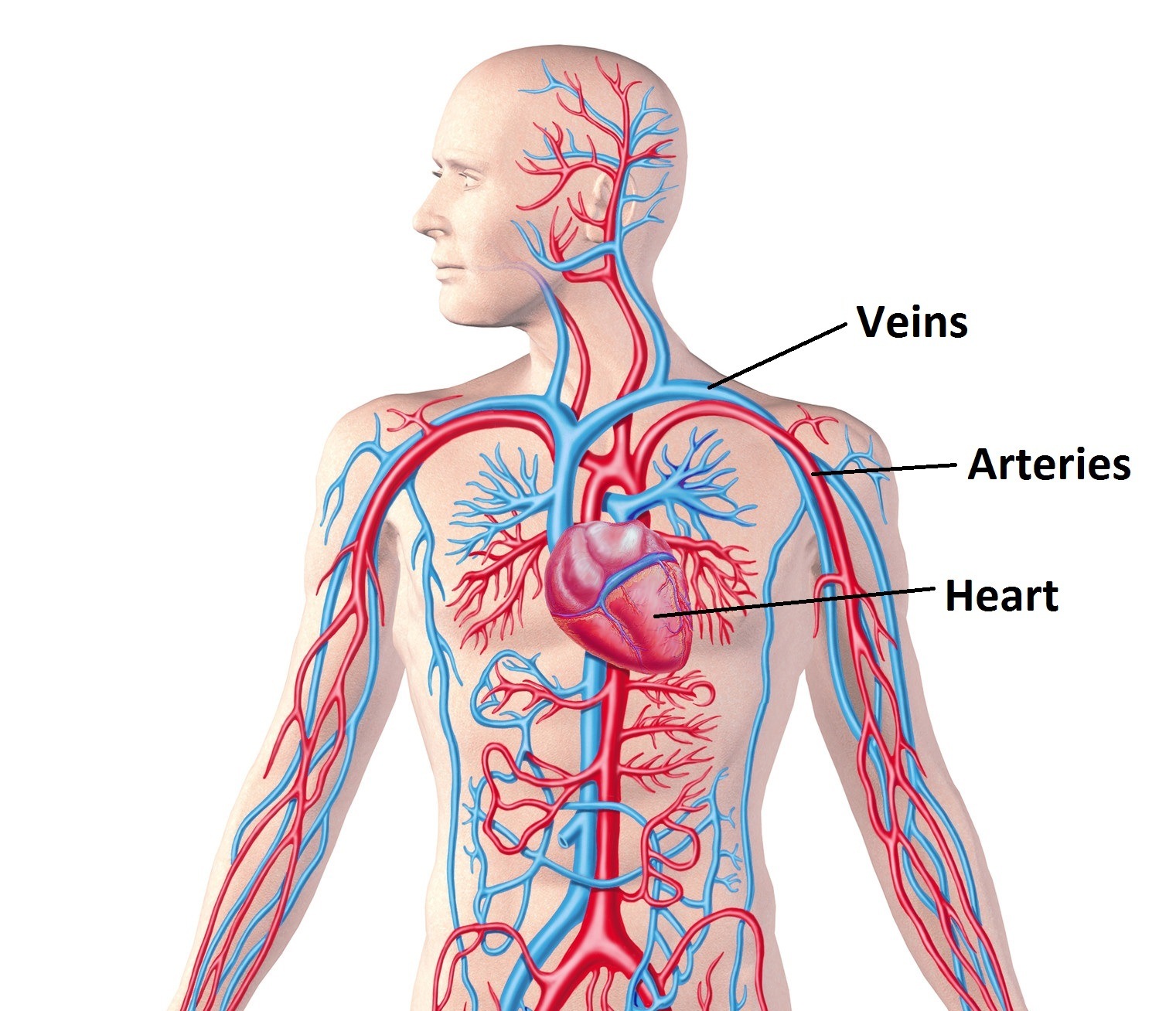
Which system allows blood to circulate throughout the body to transport oxygen and nutrients to all the cells and tissues?

a)

Nervous

b)

Respiratory

c)

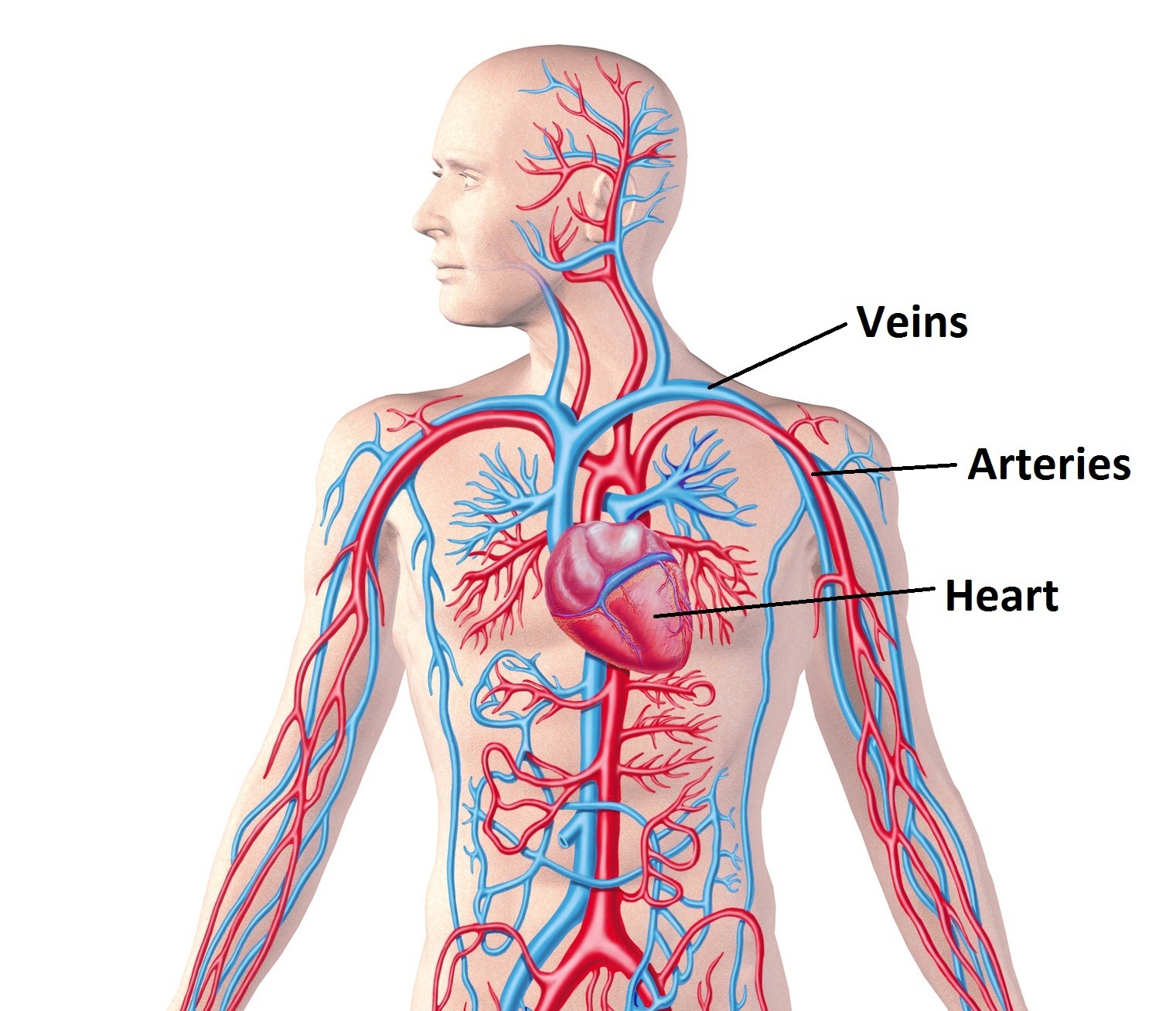
Circulatory

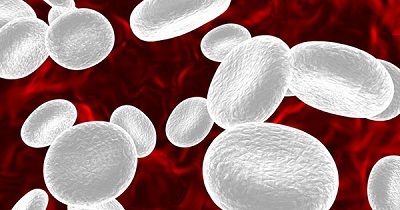
64.

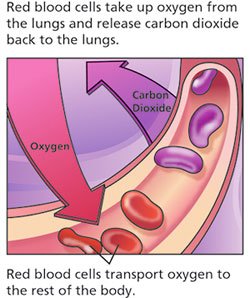
These cells, in the blood, carry oxygen and give the blood its color.

a)

white blood cells

b)

plasma

c)

platelets

d)

red blood cells

65.

The cells in the blood that help fight germs like bacteria and viruses

a)

red blood cells

b)

platelets

c)

white blood cells

66.

The circulatory system works with the __________ system to obtain energy from nutrients that we eat.

a)

respiratory

b)

digestive

c)

skeletal

d)

nervous

67.

What is the main organ of the circulatory system?

a)

small intestine

b)

bone

c)

lungs

d)

heart

68.

The circulatory system works with the ___________ system to provide our body with oxygen.

a)

respiratory

b)

digestive

c)

muscular

69.

What is the circulatory system made up of?

a)

Lungs, blood, blood vessels

b)

Liver, kidneys, and stomach

c)

Heart, Blood Vessels, and Blood

70.

Your heart is an involuntary muscle that is always working.

a)

True

b)

False

71.

The heart is made of which of the following types of muscles?

a)

Cardiac muscle

b)

Striated muscle

c)

Smooth muscle

d)

None of the above

72.

Which of the following are chambers of the heart?

a)

Valves

b)

Atrium and ventricle

c)

Arteries and veins

d)

Sinoatrial nerve

73.

Blood clots can cause a heart attack

a)

True

b)

False

74.

Which of the following is true about your heart?

a)

Your heart may stop beating from time to time.

b)

You have to think in order to keep your heart beating.

c)

Your heart pushes blood through your body.

d)

All of the above

75.

What can happen sometimes when you stand up to quickly?

a)

You become light-headed.

b)

Your blood stays down at your legs and feet.

c)

Your blood does not get to your head fast enough.

d)

All of the above.

76.

The pulmonary artery is the artery that carries the blood to your heart from your lungs.

a)

True

b)

False

77.

How are arteries and veins different?

a)

One is bigger than the other.

b)

The arteries carry more blood than the veins.

c)

The arteries carry blood away from the heart while veins carry blood to the heart.

d)

The veins carry blood away from the heart while arteries carry blood to the heart.

78.

What is the arrow pointing to?

a)

right atrium

b)

left atrium

c)

right ventricle

d)

left ventricle

79.

What is the arrow pointing to?

a)

right atrium

b)

left atrium

c)

right ventricle

d)

left ventricle

80.

What is the arrow pointing to?

a)

right atrium

b)

left atrium

c)

right ventricle

d)

left ventricle

81.

What is the arrow pointing to?

a)

right atrium

b)

left atrium

c)

right ventricle

d)

left ventricle

82.

What is the arrow pointing to?

a)

vena cava

b)

mitral valve

c)

tricuspid valve

d)

aorta

83.

What is the arrow pointing to?

a)

vena cava

b)

mitral valve

c)

tricuspid valve

d)

aorta

84.

What is the arrow pointing to?

a)

vena cava

b)

mitral valve

c)

tricuspid valve

d)

aorta

85.

What is the arrow pointing to?

a)

vena cava

b)

mitral valve

c)

tricuspid valve

d)

aorta

86.

What is the arrow pointing to?

a)

pulmonary artery

b)

myocardium

c)

pulmonary vein

d)

aorta

87.

What is the arrow pointing to?

a)

pulmonary artery

b)

myocardium

c)

pulmonary vein

d)

aorta

88.
Which number is the vena cava?
a)
1
b)
2
c)
3
d)
8
89.
Where is the blood in 3 coming from?
a)
All over the body
b)
The upper half of the body, head and arms
c)
The lower half of the body, legs and abdomen
d)
The lungs
90.
What does letter B represent?
a)
aorta
b)
superior vena cava
c)
inferior vena cava
d)
right pulmonary artery
91.
Which valve is letter X?
a)
aortic
b)
bicuspid
c)
tricuspid
d)
pulmonary
92.
What carries the oxygenated blood from the lungs to the left atrium of the heart?
a)
vena cava 
b)
aorta
c)
pulmonary vein
d)
pulmonary artery
93.
Freshly oxygenated blood is delivered to the _____________ and then it passes into the  __________ to be pumped to the entire body.
a)
right ventricle; right atrium
b)
left ventricle; left atrium
c)
left atrium; left ventricle
d)
right atrium; right ventricle
94.
The most muscular chamber of the heart is the 
a)
left ventricle
b)
left atrium
c)
right atrium
d)
right ventricle
95.
As the right ventricle contracts, the blood flows into the 
a)
Heart
b)
Pulmonary arteries 
c)
Atrium
d)
Ventricle 
96.
Which letters carry deoxygenated blood?
a)
A, B, D
b)
G, A
c)
A, D
d)
B, C, D
97.

Which is the Superior Vena Cava?

a)

A

b)

B

c)

O

d)

P

98.

Which is the Inferior Vena Cava?

a)

A

b)

B

c)

O

d)

P

99.

Which is the Descending Aorta?

a)

A

b)

B

c)

O

d)

P

100.

Which is the Right Ventricle?

a)

C

b)

E

c)

K

d)

M