
 Worksheets
Topic 7: Thermal Energy Review
Total questions: 81
Worksheet time: 50mins

________________is the type of energy an object has because of its motion; many of the forms of energy fall under this type of energy, such as mechanical energy, thermal energy, and radiant energy.
Kinetic Energy
Potential Energy
Chemical Energy
Electrical Energy

___________________ is the type of energy that is stored in an object.
Kinetic Energy
Electrical Energy
Solar Energy
Potential Energy

________________ is the energy released when the nucleus of an atom is split apart (during fission) or combined with another nucleus (during fusion).
Solar Energy
Thermal Energy
Mechanical Energy
Nuclear Energy

_____________________ is the energy that is stored in the bonds between atoms. (Examples: food, batteries)
Chemical Energy
Nuclear Energy
Potential Energy
Electrical Energy

___________________ is energy in the form of heat
Radiant Energy
Mechanical Energy
Thermal Energy
Potential Energy

__________________ is energy stored due to position in a gravitational field; commonly due to Earth's gravity (Example: a marble sitting at the top of a hill)
Thermal Energy
Chemical Energy
Gravitational Potential Energy
Kinetic Energy

_________________________ is energy that does not need matter to travel; light.
Potential Energy
Thermal Energy
Nuclear Energy
Radiant Energy

______________________ is a form of kinetic energy that an object has because of its motion or its position; Movement energy (Example: wind makes a windmill’s arm turn and creates electricity).
Nuclear Energy
Mechanical Energy
Radiant Energy
Solar Energy

___________________ is the ability to do work by movement of electric charge (electricity)
Chemical Energy
Potential Energy
Thermal Energy
Electrical Energy


A girl turned the light off and went to bed. She remembered she had accidentally left her glass of ice water on the counter. When she got up the next morning, the ice had melted. What form of energy caused the ice to melt?
Sound energy
Light energy
Thermal energy
Mechanical energy

Which form of energy is produced when a guitar string vibrates?
Sound energy
Electrical energy
Chemical energy
Light energy

Which form of energy is produced when a lamp is switched on?
Sound energy
Electrical energy
Chemical energy
Light energy

What energy transformation occurs as bioluminescent algae glow in the ocean?
Radiant --> Chemical
Thermal --> Radiant
Chemical --> Radiant
Thermal --> Chemical

What energy transformation occurs in the chameleon as it quickly launches its tongue to catch an insect?
Radiant --> Chemical
Thermal --> Chemical
Chemical --> Mechanical
Mechanical --> Chemical
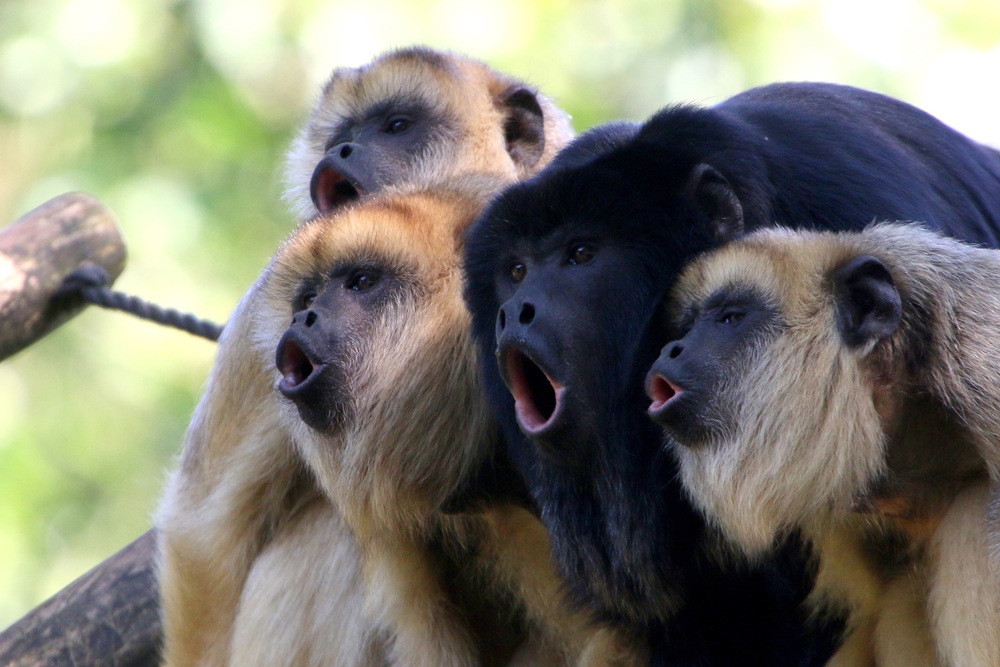
What energy transformation occurs as howler monkeys loudly call to each other in the forest?
Chemical --> Mechanical --> Sound
Chemical --> Sound --> Thermal
Sound --> Chemical --> Radiant
Mechanical --> Chemical --> Sound

What energy transformation occurs as as an elephant walks through the savanna?
Thermal --> Chemical + Mechanical
Mechanical --> Chemical + Thermal
Radiant --> Chemical + Mechanical
Chemical --> Mechanical + Thermal

What energy transformation occurs during photosynthesis?
Chemical --> Radiant
Thermal --> Chemical
Radiant --> Chemical
Mechanical --> Thermal

What energy transformation occurs as a mouse produces body heat?
Chemical --> Thermal
Thermal --> Chemical
Electrical --> Thermal
Thermal --> Mechanical

What energy transformation occurs as an electric eel shocks its prey?
Electrical --> Mechanical
Thermal --> Electrical
Chemical --> Electrical
Radiant --> Electrical

What energy transformation occurs as bacteria and fungi decompose dead plant material?
Thermal --> Chemical
Chemical --> Thermal
Radiant --> Thermal
Radiant --> Chemical

What happens to chemical energy as it is used by cells to perform various functions?
It is often broken into smaller pieces
It is usually converted into other types of energy
It is typically released as a waste product in the form of a gas
It disappears as it is crushed and destroyed
What do sound energy, radiant energy, and thermal energy all have in common?
They're all forms of kinetic energy
They're all made of similar atoms and molecules
They're all made by plants during photosynthesis
All of these choices
If you quickly rub your hands together, they will start to warm up. This is an example of _______________.
a chemical reaction
friction
absorption
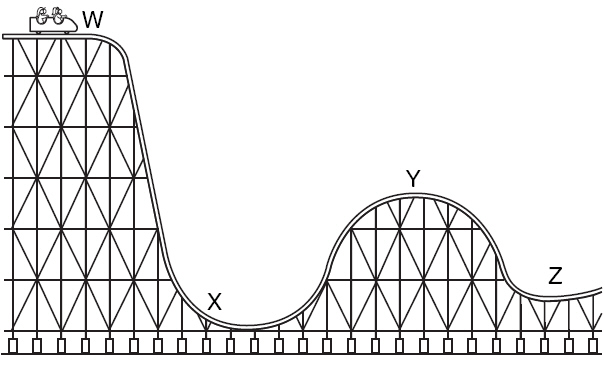
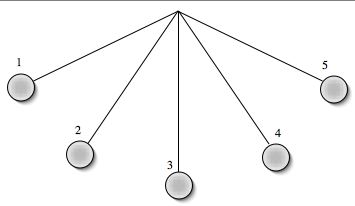
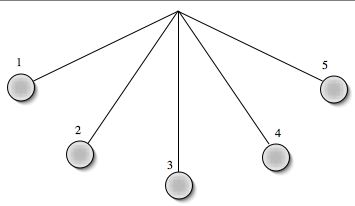

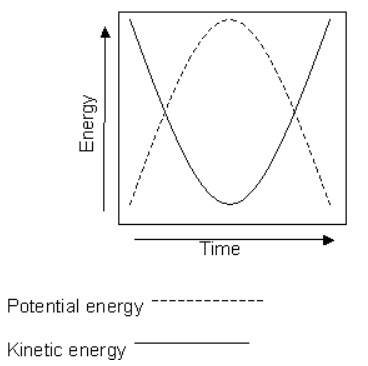
According to this graph, as kinetic energy decreases, potential energy must?
Increase
Decrease
Stay the same
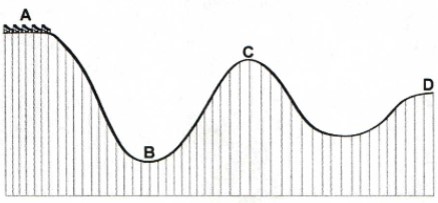
Based on the diagram of a roller coaster car on a roller coaster track, what statement is true?
The car at point A has more kinetic energy than the car at point C
The car at point C has less kinetic energy than the car at point B.
The car at point C has more kinetic energy than the car at point B.
The car at point D has less potential energy than the car at point B.

How can we increase the gravitational potential energy of the car?
Strap a boulder to the car so that it weighs more.
Keep the length of the hill at 50 m but only 5 m tall.
Take the interior out of the car so that the car has less mass.
Keep the hill at 10 m tall but increase the length of the hill so that the car has farther to roll.
What is energy?
Something that takes up space.
The ability to make something move or change.
Anything that has mass.

What is a system?
A computer program that helps us understand something.
Two or more interacting parts that form a complex whole.
A moving object.
What is kinetic energy?
The energy an object has due to its motion.
The energy an object has due its chemical composition.
The energy an object has due to its atomic structure.
Select all of the objects that have potential energy. (You may click more than one answer!)


What is heat?
a form of light
is the the total movement of all the molecules of a substance
a measure of how hot or cold something is
What is temperature?
a form of heat
a form of energy
is the average movement or kinetic energy of the molecules in a substance.
something to measure how hot or cold an object is
Which is NOT a heat source?
the Sun
iron
oven
pot
What happens when something gains heat?
it becomes hotter
it becomes colder
What happens when something loses heat?
it becomes hotter
it becomes colder
Which of the following shows heat gain?
water turning into ice
shivering in a cold room
ice cream melting under the sun
hot bowl of soup became room temperature
Which of the following shows heat loss?
boiling water
eggs cooking on a pan
ice cream melting under the sun
hot bowl of soup becoming room temperature

Which container has hot water in it?
Container A
Container B

Which container has more heat?
Container G
Container H

Which container will cool down to room temperature faster?
Container G
Container H
John has a fever. His mother puts a cold towel on his forehead. Which of the following is correct?
Heat flows from John's forehead to the towel.
Heat flows from the towel to John's forehead.
Temperature flows from John's forehead to the towel.
Temperature flows from the towel to John's forehead.
Heat is...
the movement of thermal energy from an area of higher temperature to an area of lower
the movement of thermal energy from an area of lower temperature to an area of higher
the movement of thermal energy from an area of higher temperature to an area of higher
the movement of thermal energy from an area of lower temperature to an area of lower
thermal energy is
all the kinetic energy and potential energy of the atoms and molecules in an object
all the kinetic energy of the atoms and molecules in an object
all the potential energy of the atoms and molecules in an object
none of the energy of an object
Temperature
the average number of molecules of flatus inside the intestinal tract of a New York City cab driver
the amount of hydrogen sulfide in the intestinal tract of an equine
the amount of potential energy of the atoms and molecules in an object
the amount of kinetic energy of the atoms and molecules in an object
Sean ordered a cup of hot chocolate at a coffee shop. As he began to take a sip he realized that it was too hot to drink but he does not want to wait to drink it. What should Sean do to lower the temperature of the hot chocolate?
He can pour it in to a bigger cup.
He can remove heat by adding ice.
He can add more hot chocolate to the cup.
He can remove some of the hot chocolate from the cup.

The heat from a lamp allows a lizard to remain warm. This is an example of which type of heat transfer?
radiation
conduction
convection
insulation

Which will most likely occur when raw egg is placed on black pavement on a hot, summer day?
The pavement will conduct the heat and cook the egg.
The egg will reflect the heat and make the pavement hotter underneath.
The egg will absorb the heat and leave the pavement hotter underneath.
The pavement will absorb the heat from the egg, and the egg will stay raw.

Jordan places a hot spoon into a container of ice cream. How does this help him scoop out the ice cream?
The coolness from the ice cream is conducted to the spoon making it easier to scoop out.
The coolness from the ice cream is radiated to the spoon making it easier to scoop out.
The warmth of the spoon is conducted to the ice cream making it easier to scoop out.
The warmth of the spoon is radiated to the ice cream making it easier to scoop out.

Which describes what can happen as a result of radiation?
A piece of wood burns in a fire.
A shirt is hot after having been ironed.
A can of soup is heated in a pot on a stove.
A car’s inside temperature rises to over 100 degrees on a sunny day.

John put a heat pack on his cold feet. What will most likely be the result?
The cold from John’s feet will be radiated into the heat pack.
The warmth of the heat pack will be radiated onto John’s feet.
The cold from John’s feet will be conducted into the heat pack.
The warmth of the heat pack will be conducted onto John’s feet.

Which best describes the process of convection?
Convection is the primary way heat travels through rays.
Convection is the primary way heat travels through metals.
Convection is the primary way heat travels through appliances.
Convection is the primary way heat travels through liquids and gasses.

Tom puts a metallic cover over his car’s windshield after parking. How does this control the sun’s rays during a sunny day?
It prevents heat energy from leaving the car.
It controls the temperature by providing shade.
It reflects the sun’s rays away from the windshield.
It absorbs heat in the windshield protector and cools the car.

How is heat transferred when boiling a pot of water on the stove?
conduction
convection
combustion
radiation

Which is an example of heat being transferred by conduction?
a furnace heating the air in a school
an ice cube melting in a person’s hand
a pot of water on a stove boiling
the sun heating water in a swimming pool

Which best explains how bacon is fried on a stove burner?
The bacon creates a convection current, the heat rises to the pan, and then rises to the stove burner.
The bacon transfers heat directly to the pan, and the pan transfers heat directly to the stove burner.
The stove burner radiates heat to the pan, and the pan radiates heat to the bacon.
The stove burner transfers heat directly to the pan, and the pan directly transfers heat to the bacon.
If the atoms of an object are moving or vibrating fast, the temperature would be...
Hot
Cold
Unknown
If the atoms of an object are moving or vibrating slow, the object would feel...
Cold
Hot
Unknown
Temperature is related to the average kinetic energy of the particles in an object due to their random motions through space.
True
False
An increase in the volume of a material due to a temperature increase in the material.
Thermal contraction
Thermal expansion
Thermal heat
Thermal expansion occurs when particles of matter move farther apart as temperature increase.
True
False
The instrument used for measuring temperature
barometer
thermometer
calorimeter

What is happening to the fluid inside the thermometer in this image?
thermal expansion
thermal contraction
vaporization
boiling
When temperature increases, distance between molecules ______________.
decreases
increases
stays the same

When temperature decreases, distance between molecules ____________.
increases
decreases
stays the same

These are examples of
Insulators
Conductors
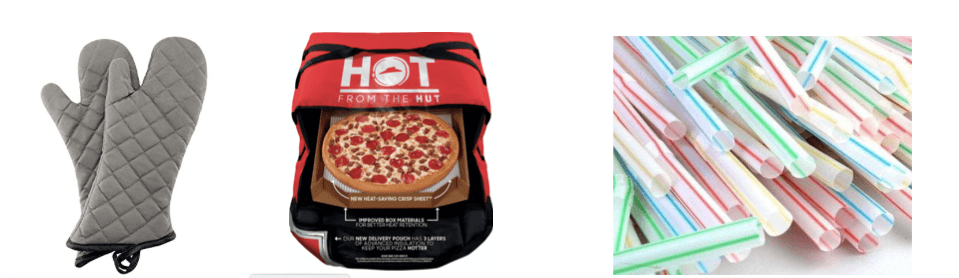
These are examples of
Conductors
Insulators
___________________ are materials that ALLOW heat and electricity to move easily through them.
Conductors
Insulators
______________ are materials that RESIST the flow of heat or thermal energy.
Conductors
Insulators

