
 Worksheets
Anatomy & Physiology Final
Total questions: 90
Worksheet time: 3hrs 0mins
Measuring an organ's size would relate more closely to the science of ...
anatomy
physiology
Both anatomy and physiology
neither anatomy or physiology
Measuring the acid content of the stomach would relate more closely to the science of ...
anatomy
physiology
Both anatomy and physiology
neither anatomy or physiology
Which is in the correct order form smallest to biggest
organism, organ system, tissue, cell, organ
cell, tissue, organ system, organ, organism
cell, organ, tissue, organ system, organism
cell, tissue, organ, organ system, organism.
Which two body systems work together to allow you to move?
Digestive System
Excretory System
Muscular System
Skeletal System
Major organs of the digestive system
Kidneys, bladder, urethra
Stomach, intestines, esophagus
Heart, blood vessels, blood
Liver, kidneys, heart
Which organs belong to the endocrine system?
pancreas
small intestine
gluteus maximus
spinal cord
Pituitary Gland
Why do we need proper atmospheric pressure?
the atmospheric pressure can directly affect oxygen intake
the atmospheric pressure can affect directly body temperature
the atmospheric pressure can directly affect the urinary system
the atmospheric pressure can directly affect reproduction of offspring
Which of the following is not a necessary life function?
oxygen
movement
reproduction
maintaining boundaries
excretion
Maintaining proper body temperature is an example of a:
negative feedback loop
positive feedback loop
both positive and negative
neither positive or negative
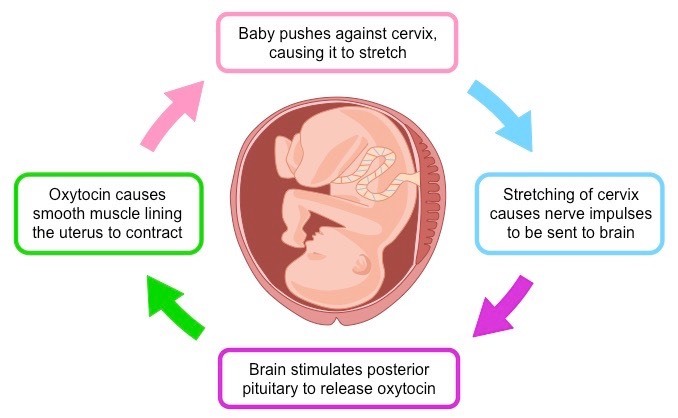
What type of feedback loop is shown?
negative
neutral
positive

Which anatomical plane is the ONLY horizontal plane?
sagittal
transverse
frontal
median
midsagittal

Which anatomical plane divides the body into front and back
frontal/coronal
transverse/horizontal
sagittal plane
none of the above

Your left foot is (a) to your left knee.
The head is _____ to the shoulders.
proximal
caudal
superior
inferior
The eyes are _________ to the ears
medial
lateral
anterior
posterior
The nose is on the _________side of the body
superior
anterior (ventral)
posterior (dorsal)
proximal
The thumb is (a) to the fingers
The sternum is (a) to the spine

Armpit is known as the (a) region.
Standing erect with palms and feet facing forward.
Standard Anatomical Position
Standard Anatomical Planes
Standard Anatomical Directions
Standard Anatomical Movements
This term refers to the shoulder region (a)

The heart is contained within this cavity (most specific)
mediastinum
pericardial
pleural
thoracic
abdominopelvic

The lungs are located within this cavity
pleural
mediastinum
brachial
pelvic
cranial
Forehead area
Mental
Otic
Buccal
Frontal
Nasal
Hip
Coxal
Pelvic
Pubic
Lumbar
Pelvic
Upper arm area
Antebrachial
Brachial
Antecubital
Cubital
Deltoid
A neurosurgeon orders a spinal tap for a patient. Into what body cavity will the needle be inserted?
Ventral
Thoracic
Cranial
Pelvic
Dorsal
If the brain is cut so that there are anterior and posterior sections, then the cut is along the ____________ plane.
midsagittal
anterior
frontal
transverse
The skeleton is (a) to the skin
The arms are (a) to the chest

What organelle is called the "powerhouse" of a cell?
mitochondria
nucleus
cell wall
cell membrane

The arrow is showing the fluid inside the cell that surrounds the cell organelles. What is the arrow pointing to in the cell?
cytoplasm
mitochondria
ribosomes
nucleus
cell membrane

I make proteins for the cell. What am I?
ribosome
cell membrane
nucleus
chloroplast
golgi apparatus

I am a protein packaging and shipping machine! Who am I?
vacuole
ribosome
endoplasmic reticulum
Golgi apparatus
nucleus
What makes the endoplasmic reticulum rough?
Vessicles
Vacuoles
Ribosomes
Chromosomes
Cytoskeleton
This type of muscle tissue is responsible for the involuntary movements of the body's internal organs.
Striated
Skeletal
Cardiac
Smooth
Connective tissue is
The tissue that protects, supports, binds together, stores fat, produces blood cells
Tissue that is the lining, covering, and glandular tissue of the body
Tissue that contracts and shortens to produce movement
Tissue that conducts electrochemical impulses from one part of the body to another.
What are the basic shapes of Epithelial Cells?
Cuboidal
Columnar
Simple
Squamous
Stratified
Which of the following is not one of the four tissue categories?
Blood
Connective
Epithelial
Nervous
Muscular
Where is epithelial tissue found?
glands
covering body surfaces
lines organs
lines ducts
all of the above
(a) tissue is found everywhere in the body and is the most abundant and widely distributed of the tissue categories.

One of the unique things about the stratum basale layer of the epidermis is
mitosis occurs here
meiosis occurs here
it's the bottom layer of the dermis
It is heavily vascularized
nerve endings are found here

What layer is represented by letter B?
Stratum Corneum
Dermis
Stratum Lucidum
Epidermis
Hypodermis
What causes goose bumps?
hair follicles
sebaceous glands
arrector pili muscle
hot weather
Multiple Choice
A needle would pierce the skin of the sole of your foot in which order? (1) stratum basale (2) stratum granulosum (3) stratum spinosum (4) stratum corneum (5) stratum lucidum
1,3,2,5,4
4,5,2,3,1
1,3,2,4
4,2,3,1
4,2,5,1,3
When assessing the extent of burns on the body using the rule of nines, the anterior and posterior trunk or torso represent about what percentage of the body? (a) % Please write your answer with digits ie 42 not forty-two
Which of the following is NOT a TYPICAL ingredient in sweat?
fatty acids and proteins
Vitamin D
Water
Uric acid
Urea
skull, vertebral column, and ribs
axial skeleton
appendicular skeleton
thoracic skeleton
cranial skeleton
Which of the following is NOT a function of the skeleton?
Production of blood cells
Gives the body form
Protects internal organs
Generates heat
stores minerals

Mature bone cells that live in tiny cavities within the bone are called?
osteocytes
osteoblasts
osteoclasts
osteons
lacunae
The outside layer of connective tissue that is present on long bones is:
endosteum
periosteum
medullary cavity
articular cartilage
epiphyseal line

What bone is shown for #3?
(a)

Bones highlighted here (a)

What part of the femur is shown in image "B"? (Be specific)
________________ __________________(two words only please)
(a)
_________________________ joint.
Which of the following is a hinge joint?
hip
elbow
shoulder
thumb
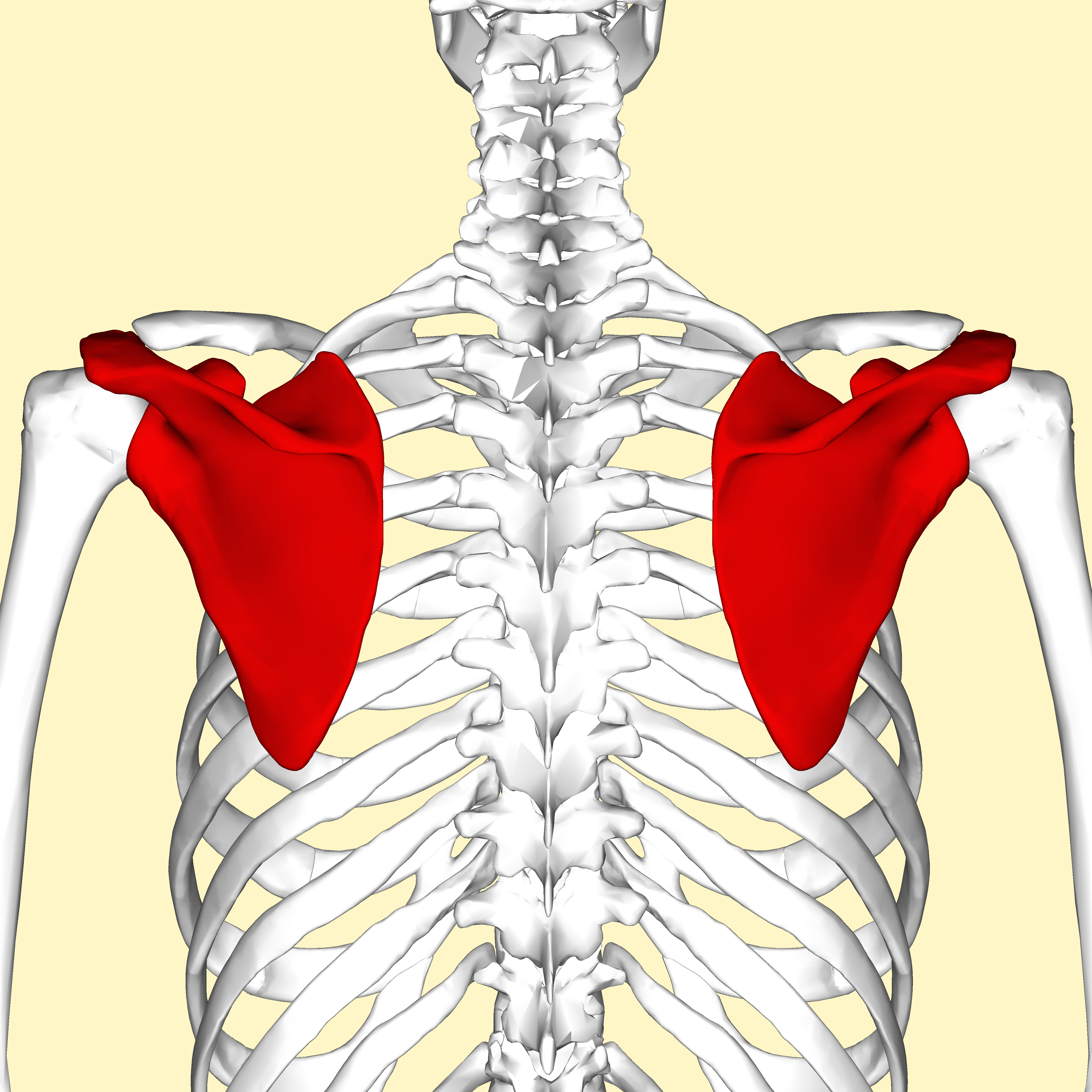
What bones are represented in this picture?
Clavicle
Scapula
Sternum
Carpals
Patella

Which bone is this? (a)
What type of fracture is unique to young children?
dislocation
compound
greenstick
simple
spiral
What bone disorder is more common in older women?
osteoporosis
osteomalacia
rickets
osteoarthritis
What causes rheumatoid arthritis?
working out
popping your knuckles
unhealthy eating, like too much fried food
the body's immune system attacking the joints

What muscles are highlighted?
Deltoid
Trapezius
Tricep
Pectoralis
Latissimus dorsi

What muscle is highlighted?
Hamstrings
Quads
Gastrocnemius
Gluteus

What muscle group is highlighted here? (a)

Sartorius
Sternomastoid
Obliques
Hamstrings
Platysma

A is pointing to?
Sarcomere
Z disk
A band
I band

C is pointing to?
(a)
the gap between the motor neuron and the muscle fiber it supplies at the neuromuscular junction
H
Z
synaptic cleft
sarcomere
How do first-degree burns differ from second-degree burns?
First-degree burns only affect the epidermis; second-degree burns can extend into the dermis
First degree-burns are painless; second-degree burns hurt a lot
First degree-burns can extend into the dermis; second-degree burns only affect the epidermis
First degree-burns hurt a lot; second-degree burns are painless

On a scale of 1-10, 1 meaning 'don't worry about it' and 10 being 'go see a dermatologist immediately', how would you classify this image?
1
3
7
10
5
Metastasis is
the spread of cancer from one part of the body to another.
the growth of tumors in the lungs
cancer of the blood cells
cancer that is found in connective tissues
an easily treatable form of cancer

the name of this spine disorder is...
kyphosis
lordosis
scoliosis
fractures
All humans have the same relative amount of melanocytes. Individual and genetic differences in skin coloring reflect the kind and amount of melanin made.
True
False
Which of the following pigments are in moles and freckles?
carotene
hemoglobin
betacarotene
melanin
Fungal infection that can often be found living on floors of gyms or locker rooms, thrives in moist and warm environments.
ringworm
Tinea Pedis
impetigo
psoriasis
Noncontagious skin disease, may be hereditary, thick red area covered with white or silver scales
Eczema
Impetigo
Dermatitis
Psoriasis
Boils and Carbuncles
What gland is responsible for keeping our hair soft and is a barrier for bacteria and fungi?
Sudoriferous
Sebaceous
Melanin
Apocrine
Eccrine
Produce sticky, cloudy secretions of fatty acids and protein (milky or yellowish color)
Sebaceous Gland
Apocrine Gland
Eccrine Gland
Endocrine Gland

