
 Worksheets
Anatomy Final Review
Total questions: 128
Worksheet time: 32hrs 0mins
The wrist is (a) to the hand.
The breastbone is (a) to the spine.
The brain is (a) to the spinal cord.
The brain is (a) to the spinal cord.
The thumb is (a) to the fingers.
The heart is located (a) to the diaphragm.
The elbow is (a) to the shoulder.
The gluteal region is located on the (a) surface of the body.
Consider the following levels: 1. Chemical 2. Tissue 3. Organ 4. Cellular 5. Organismal 6. Systematic. Which of the following choices has the levels listed in order of increasing complexity?
1, 2, 3, 4, 5, 6
1, 4, 2, 5, 3, 6
3, 1, 2, 4, 6, 5
1, 4, 2, 3, 6, 5
4, 1, 3, 2, 6, 5
Which of the following are involved in maintaining homeostasis? (select all that apply)
Effector
Control Center
Receptor
Feedback
Lack of Change
Anatomical terms that apply to the backside of the body in the anatomical position include:
Ventral and anterior
Back and rear
Posterior and dorsal
Head and Lateral
A neurosurgeon orders a spinal tap for a patient. Into what body cavity will the needle be inserted?
Ventral
Thoracic
Dorsal
Cranial
Pelvic

Which type of cellular junction forms a "seal" that won't leak between cells?
Tight junctions
Desmosomes
Gap Junctions

This junction are anchoring junctions that use protein filaments to buttonlike thickenings of adjacent membranes.
Desmosomes
Tight Junctions
Gap Junctions
Plasmodesmata

Which type of membrane junctions allow for transfer of nutrients or waste and communication between cells?
Tight junctions
Desmosomes
Gap junctions


Blood is an example of what type of tissue?
muscle
epithelial
nervous
connective
This type of tissue relays messages
epithelial
connective
muscular
nervous
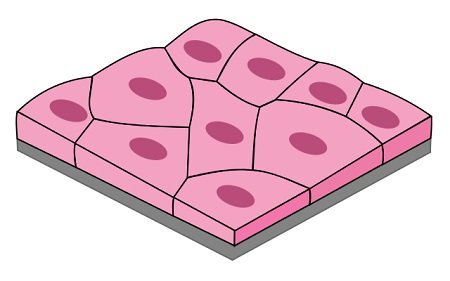
Name the type of epithelium
simple cuboidal
simple squamous
simple columnar
stratified squamous


Identify:
Columnar
Cuboidal
Transitional
Simple Squamous


What type of muscle tissue is this?
cardiac
skeletal
smooth

What type of muscle tissue is this?
cardiac
skeletal
smooth


What is melanin?
A protein pigment that absorbs light
A protein that is waterproof and tough
A cell found in the epidermis
A vitamin that helps you sleep

What is the number of bones that compose the adult skeleton?
205
206
208
200
Which of the following is NOT a bone area associated with the axial skeleton?
pelvic girdles
the skull
rib cage
vertebral column

Fat stored in the internal cavities of bones:
red marrow
osseous tissue
yellow marrow
spongy bone

The scientific name of the collar bone is the ____________.
Scapula
Clavicle

The forearm bone closest to the thumb is the __________.
Ulna
Radius

The bone that spans from the shoulder to the elbow is known as the ___________________.
Humerus
Ulna
Femur
Tibia

The shoulder and hip are ball and socket joints.
True
False
Bone forming cells:
osteocytes
osteoblasts
osteoclasts
osteomasts
Bone destroying cells:
osteocytes
osteoblasts
osteomasts
osteoclasts

Occurs when the bones of inactive people tend to lose mass:
osteoporosis
ossification
shingles
osteoarthritis

What muscle is the arrow pointing toward?
biceps
traps
pecs
triceps

What muscle is the arrow pointing to?
Pectoralis (Pecs)
Biceps
Triceps
Lats

What muscle is the arrow pointing to?
Biceps
Triceps
Lats
Quads


What are the two filaments in the muscles?
Myosin
Motor Neuron
Actin
Bison
ATP
Where does the digestive system start?
The liver
The throat
The stomach
The mouth

Which is the esophagus?
A
B
C
D
E

What is this organ?
Liver
Kidney
Pancreas
Stomach

What is this organ (the one in red)?
Pancreas
Kidney
Liver
Stomach
What does the small intestine do?
Reabsorbs the water
Absorbs nutrients and minerals
Keeps the stomach in balance
Breaks food into smaller pieces

What are these structures call that are found on the lining of the small intestine?
Gallbladder
Villi
Sphincter
Duodenum
What does the large intestine do?
digest the food
makes a pathway for food
reabsorbs water
absorbs nutrients

What are the filtering units of the kidneys?
nephrons
ureters
nuerons
alveloi


The basic structural unit of the nervous system:
nerve
neuron
brain
spinal cord

Which is the following is represented by the letter B?
cell body
nucleus
dendrite
axon

Which of the following is represented by letter C?
Cell body
nucleus
axon
dendrite

Which is represented by the letter G?
axon
myelin sheath
schwan cell
terminal branches
Type of neuron that carries messages from the body to the brain/spinal cord:
sensory
motor
Type of neuron that carries messages from the brain/spinal cord to the body
Sensory
Motor
Sweating
Heat from the sun
What part of the peripheral nervous system controls involuntary functions such as heart rate and smooth muscle ?
peripheral nervous system
central nervous system
Choroid Plexus
Autonomic Nervous System
In a reflex action, the __________ bypasses the ___________
Motor neuron, brain
Sensory neuron, brain
Sensory neuron, spinal cord
Motor neuron, spinal cord
Which type of receptor is NOT found in your skin?
temperature
pain
pressure
light
Receptors found in your mouth are
mechanical receptors
chemical receptors
sound receptors
photoreceptors

What part is #3?
Pinna
Ear Canal
Tympanic membrane (Ear Drum)
Oval Window
What part is #7?
Semicircular Canals
Eustachian Tube
Cochlea
Oval Window
Photoreceptors are found in your
eyes
ears
nose
mouth
skin


What is letter G?
Sclera
Retina
Lens
Vitreous humor
Pupil
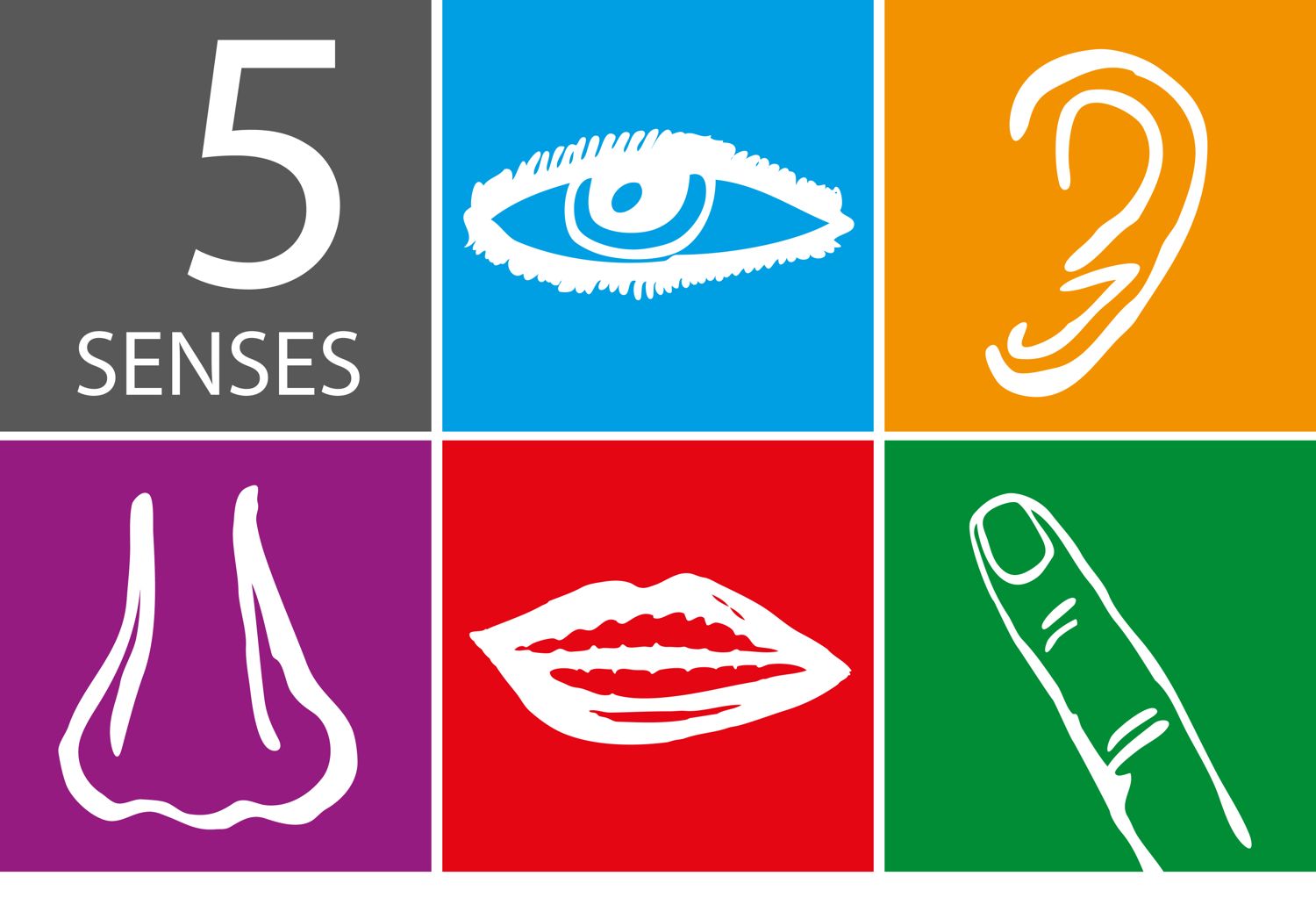
Which of the following senses are most closely related:
touch and smell
smell and taste
taste and hearing
hearing and smell
Oxygen rich blood leaves the heart through the
right atrium
left atrium
right ventricle
left ventricle
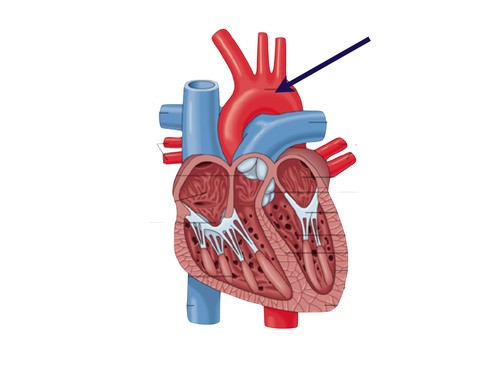
Identify
Pulmonary veins
Pulmonary artery
Aorta
Vena cava
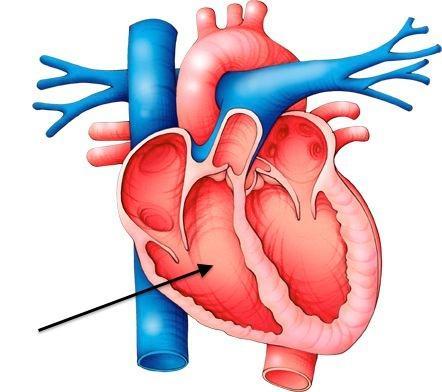
Identify
Left atrium
Right atrium
Left ventricle
Right ventricle
Which of the following is NOT a function of the lymphatic system?
removes excess fluid from around organs
removes pathogens
circulates blood
produces white blood cells

The tiny, oval shaped lymph structures located throughout the body are known as?
Lymph nodes
Spleen
Lymph fluid
Lymph vessels

A lymphatic structure located in the upper left quadrant of the abdomen is called ?
Lymph nodes
Lymph fluid
Spleen
Thymus

The lymphatic structure that closely parallell veins are called?
Capillaries
Lymph nodes
Lymph Vessels
Thymus
1. larynx
2. nasal cavity
3. pharynx
4. trachea
Which of the following is the correct order that air would flow during inhalation.
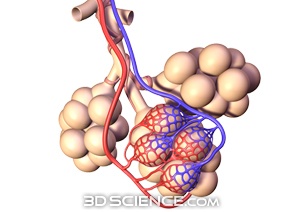
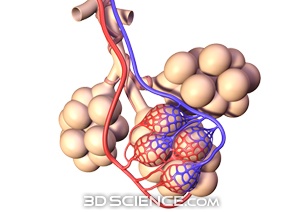
Which sequence correctly indicates the branching pattern of the human respiratory system?
trachea -> bronchi -> bronchioles -> alveoli
trachea -> bronchioles -> bronchi -> alveoli
alveoli -> trachea -> bronchioles -> bronchi
alveoli -> bronchioles -> trachea -> bronchi
What is the main function of the endocrine system?
It creates chemicals, or hormones, that are sent around the body to maintain homeostasis.
It creates electrical messages that are sent around the body to maintain homeostasis.
It maintains the correct level of oxygen in the body to maintain homeostasis.
It releases waste from the body to maintain homeostasis.

Number 1 is pointing to
Thyroid
Pancreas
Pituitary
Ovary
Number 2 is pointing to
Thyroid
Pancreas
Pituitary
Ovary

What structure(s) shown in the picture are on top of the kidneys?
Thyroids
Adrenal glands
Testes
Parathyroids
The reproductive organs that produce sperm and testosterone
prostate gland
testes
semen
urethra
Sperm + fluids from seminal vesicle and prostate gland
semen
testes or testicles
scrotum

Which part of the sperm cell contains the mitochondria necessary to power its trip through the reproductive system?
A
B
C
all of the above

The placenta is labeled
A
B
C
D
The umbilical cord is labeled
A
B
C
D

What do we call an 8 week old embryo?
Zygote
Blastocyst
Fetus
Shrimp

