wayground logo

Free Printable Worksheets

Font size

S
M
L
XL
Worksheets

Honors Bio - Ecology Set 1

Total questions: 59

Worksheet time: 43mins

Name
Class
Date
1.

Which of the following are biotic?

a)

Squirrel

b)

Water

c)

Oak tree

d)

Fly

2.

Which of the following are abiotic?

a)

Pebbles

b)

Moss

c)

Temperature

d)

Mud

3.

What in this diagram would be a producer?

(a)  

4.

What in this diagram would be an example of a primary consumer?

(a)  

5.

What in this diagram would be an example of a secondary consumer?

(a)  

6.

What in this diagram would be an example of a tertiary consumer?

(a)  

7.

What in this diagram would be an example of a Quaternary consumer?

(a)  

8.
What does biotic mean?
a)
Living
b)
Non living
c)
Man made
9.
Which of the following is biotic?
a)
Building
b)
Apple
c)
Rock
d)
Sun
10.
The study of how living things interact in an environment is called
a)
Ecosystem
b)
Biology
c)
Ecology
11.
What does abiotic mean?
a)
Living
b)
Non-living
c)
Man made
12.
Which of the following is biotic?
a)
Fire
b)
Bacteria
c)
Planet
d)
Soil
13.

Mark ALL the abiotic factors listed.

a)

Waterfall

b)

Flowers

c)

Grass

d)

Clouds

14.
All of the living and nonliving things in an area that interact with each other are called a/an ______.
a)
community
b)
habitat
c)
population
d)
ecosystem
15.
The study of how living things interact with one another and with their environment.
a)
Biology
b)
Lithology
c)
Ecology
d)
Farmacology
16.

What is the correct order for this food chain?

a)

Owl, Mouse, Grasshopper, Grass

b)

Grass, Mouse, Owl, Grasshopper

c)

Grass, Owl, Grasshopper, Mouse

d)

Grass, Grasshopper, Mouse, Owl

17.

Which of these organisms is the secondary consumer?

a)

Owl

b)

Mouse

c)

Grass

d)

Grasshopper

18.

Which of these organisms is the producer?

a)

Owl

b)

Mouse

c)

Grasshopper

d)

Grass

19.

What do herbivores eat?

a)

Animals

b)

Plants and Animals

c)

Plants

d)

Dead Animals

20.

What do omnivores eat?

a)

Animals

b)

Plants and Animals

c)

Plants

d)

Dead Animals

21.

What is the hawk in the food web?

a)

Producer

b)

Primary consumer

c)

Secondary consumer

d)

Tertiary consumer

22.

How much energy is transferred between trophic levels?

a)

25%

b)

20%

c)

10%

d)

90%

23.

Which of these is an autotroph?

a)

Consumer

b)

Producer

c)

Decomposer

24.
Which one is NOT an example of a decomposer?
a)
mushroom
b)
leaves
c)
mold
d)
worm
25.
Examples of a producer
a)
frog
b)
algae
c)
worm
d)
mouse
26.
Example of a decomposer
a)
fungus
b)
mouse
c)
plants
d)
frogs
27.
A tree is a ....
a)
composer
b)
decomposer
c)
producer
28.
What is a carnivore?
a)
an animal that gets energy by eating other animals
b)
An animal that gets energy by eating only plants
c)
an animal that gets energy by eating both plants and animals
d)
an animal that makes its own energy through photosynthesis
29.
An animal that gets energy from eating both plants and animals is a 
a)
herbivore
b)
carnivore
c)
omnivore
d)
autotroph
30.
The shrew provides energy for the _______?
a)
cricket
b)
grasshopper
c)
frog
d)
snake
31.
Which of the following is a herbivore?
a)
cricket
b)
frog
c)
hawk
d)
shrew
32.
What is this called?
a)
Food Web
b)
Food Chain
c)
Abiotic Factors
33.
What is this called?
a)
Food Web
b)
Food Chain
c)
Abiotic Factors
34.
All food chains begin with a ____________.
a)
primary consumer
b)
secondary consumer
c)
producers
d)
scavengers
35.
Which best describes what a food chain shows you?
a)
Energy flow through an ecosystem
b)
Food flowing through an ecosystem
c)
Consumers going into other consumers
d)
Who eats who
36.
An illustration that uses arrows to show the MANY possible directions in which matter and energy can pass through the organisms in an ecosystem.
a)
Food chain
b)
Food web
c)
Energy Pyramid
d)
Succession Map
37.
A graphic illustration that shows each trophic level and the amount of useable energy contained within.
a)
Food chain
b)
Food web
c)
Energy Pyramid
d)
All of these
38.
A collection of organisms that make up a community as well as all of the nonliving aspects of the environment.
a)
Population
b)
Community
c)
Habitat
d)
Ecosystem
39.
As you move upward, from level to level, in an energy pyramid, energy _____.
a)
increases
b)
decreases
c)
stays the same
d)
increases exponentially
40.
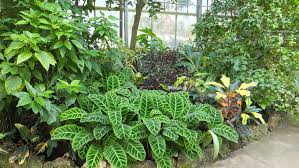
What are the Abiotic factors in this image? 
a)
water, sunlight, dirt, air
b)
birds and plants
c)
birds, water, dirt
d)
plants, water
41.
Cattle egrets forage (feed) in fields among cattle. The egret gets easy access to flying insects stirred up by the cattle, and the cattle don't care if they are there or not.
a)
mutualism
b)
commensalism
c)
competition
d)
parasitism
42.
A relationship between two organisms in which one organism benefits and the other is unharmed...
a)
Mutualism 
b)
Competition
c)
Parasitsm 
d)
Commensalism 
43.

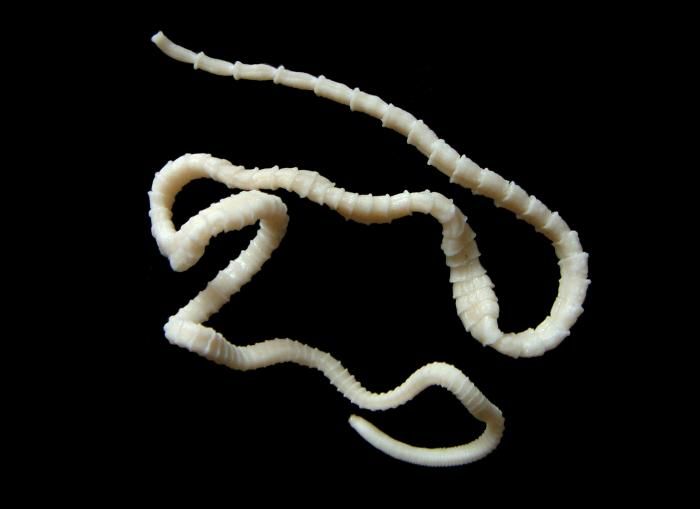
A tapeworm lives in the intestine of a cat absorbing nutrients through its skin. A tapeworm and a cat have this type of relationship.

a)

mutualism

b)

parasitism

c)

commensalism

d)

competition

44.
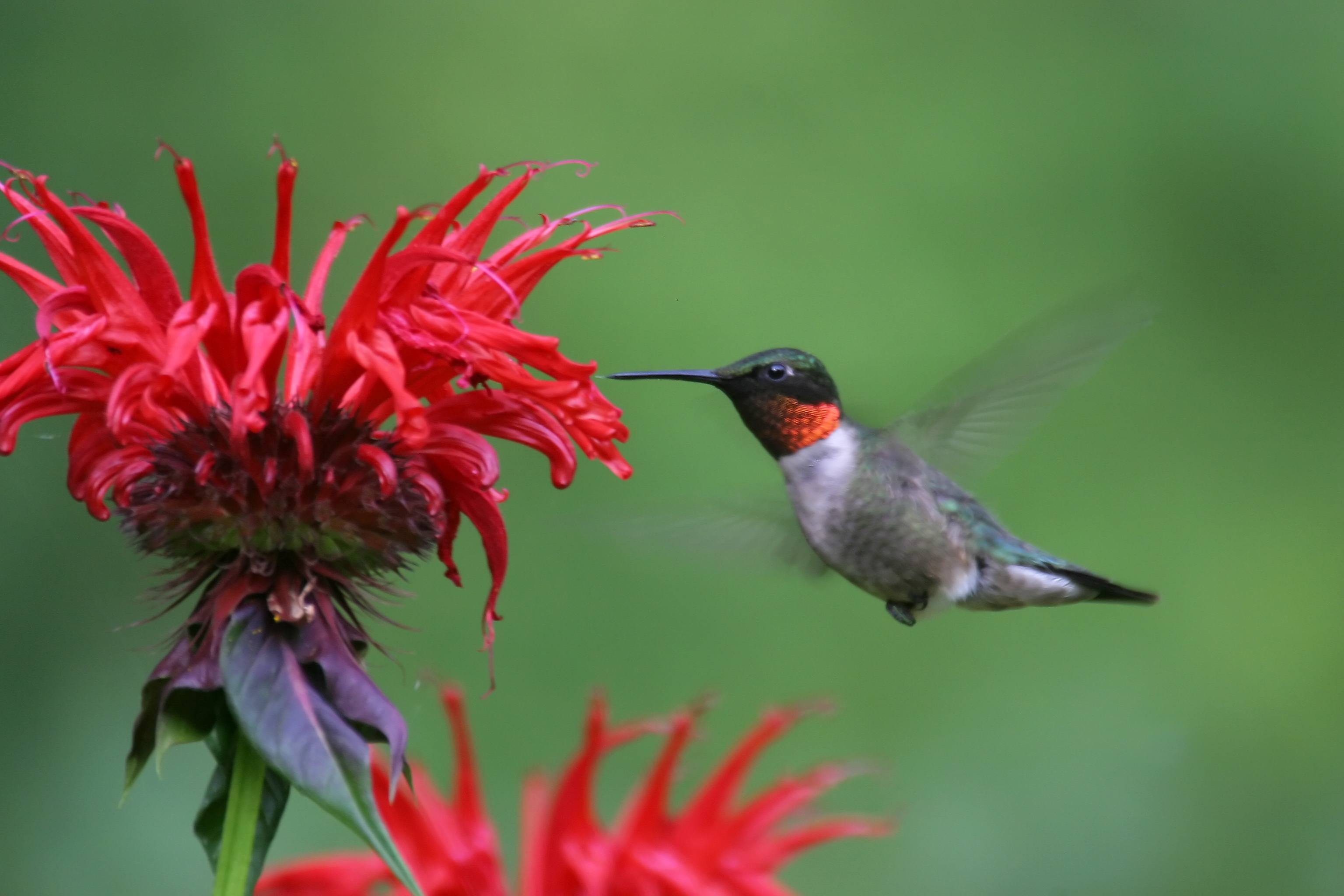
What type of symbiosis?  Hummingbirds feed on nectar from flowers.  The flowers are pollinated by hummingbirds as they move from flower to flower.
a)
commensalism
b)
mutualism
c)
parasitism
d)
predation
45.
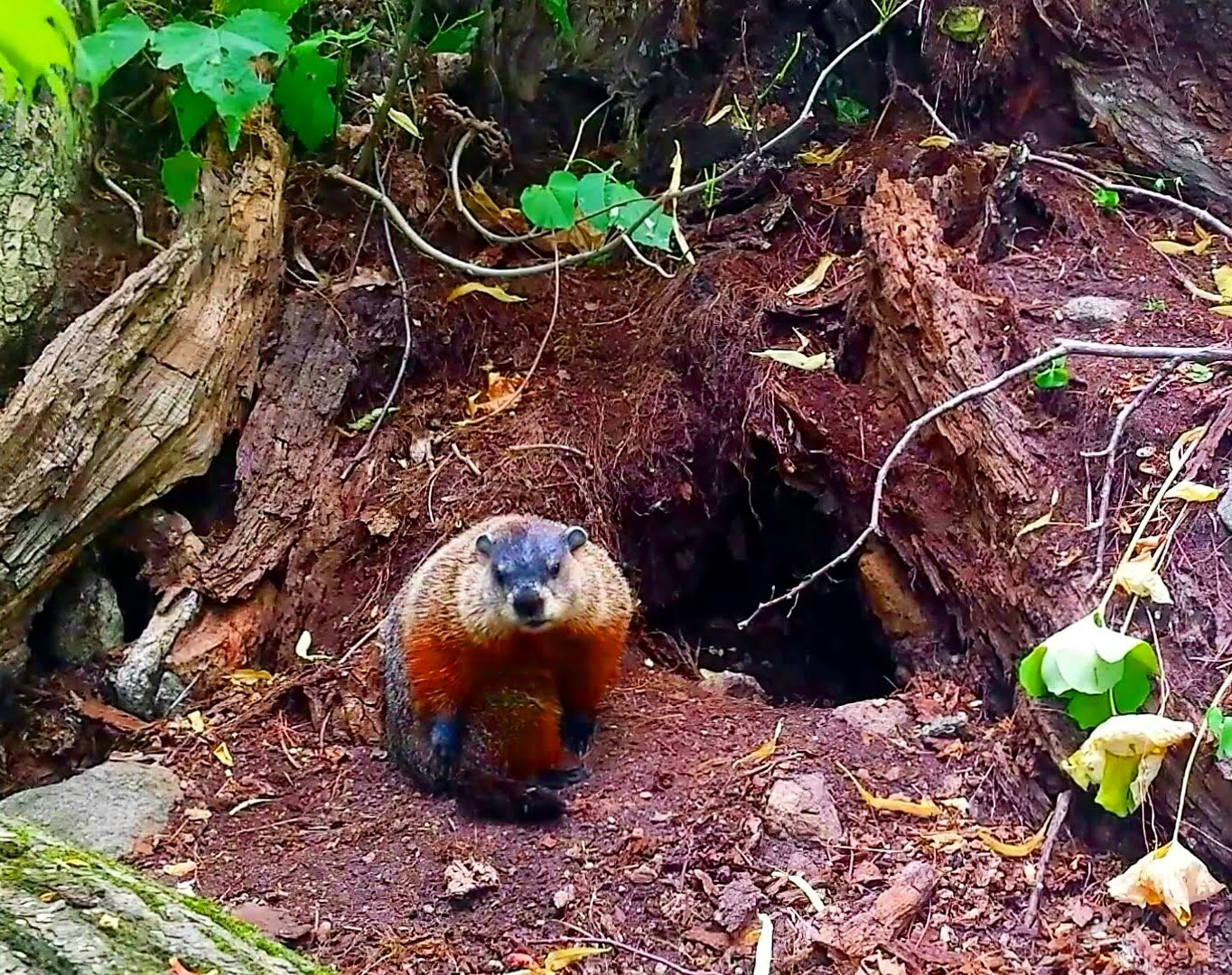
What type of symbiosis?  Skunks often live in burrows that have been dug and abandoned by woodchucks.  
a)
commensalism
b)
mutualism
c)
parasitism
d)
predation
46.
Which symbols best describe parasitism?
a)
+,+
b)
+,-
c)
+,0
d)
-,0
47.
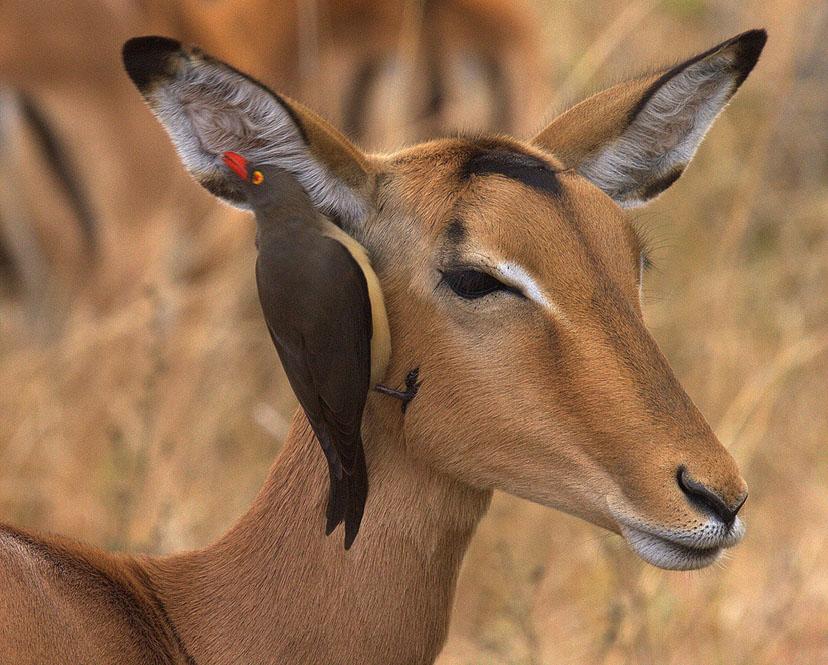
Red-billed oxpeckers are birds that often feed on parasites that infest impala.  This is an example of _______.
a)
commensalism
b)
mutualism
c)
neutralism
d)
competition
48.
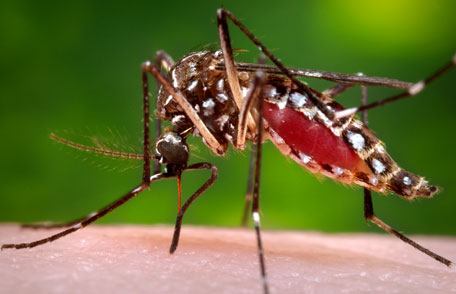
When a mosquito bites you, you are the __________ and the mosquito is the  ____________.
a)
host, hostess
b)
parasite, host
c)
host, parasite
d)
prey, predator
49.

Aphids are tiny insects that live on and eat the leaves of plants, removing vital nutrients from the plants.

a)

Predation

b)

Parasitism

c)

Commensalism

d)

Mutualism

50.

Mockingbirds will push the eggs out of a blue bird's nest and use the nest for it's own babies illustrating...

a)

commensalism

b)

parasitism

c)

mutualism

d)

predation

51.

Clown fish live among anemones, acting as a lure for the sea anemone's prey. The clown fish get protection and shelter from the anemone. This is an example of which type of symbiosis?

a)

Commensalism

b)

Mutualism

c)

Parasitism

52.

Lichens are close associations of fungi and algae. The fungi hold the water supply and the algae perform photosynthesis to manufacture carbohydrates for both organisms.

a)

mutualism

b)

commensalism

c)

parasitism

53.

In the jungles of South America lives a thorn tree call an acacia. A species of ant eats secretions of the acacia, drinks its sap, and raises its young in the hollow thorns. The ants also keep competing vines from growing near the acacia tree and they help repel any insects that would damage the acacia tree.

a)

mutualism

b)

commensalism

c)

parasitism

54.

If the amount of food or resources available increases, the carrying capacity for an animal.....

a)

Stays the same

b)

Increases

c)

Decreases

d)

Fluctuates

55.
If there is more food than usual in an ecosystem, then the population will mostly likely...
a)
stay the same
b)
decrease
c)
increase
d)
reach carrying capacity
56.

In a forest ecosystem, which of the following is the best example of a limiting factor for a rabbit population?

a)

The squirrel population

b)

The amount of sunlight

c)

Amount of grass available

d)

Rabbits have no limiting factors

57.

Water, sunlight, shelter, and space are resources that are often........

a)

abiotic limiting factors

b)

biotic limiting factors

c)

non-limiting factors

d)

exponetial factors

58.

According to the graph, what is causing the deer population to decrease

a)

They got sick

b)

The wolf population is decreasing

c)

The wolf population increased

d)

They ran out of food

59.

Predator population lags behind prey population because......

a)

Increase in predators leads to decrease in prey

b)

Increase in predators leads to increase in prey

c)

Increase in predators leads to decrease in producers

d)

Increase in producers leads to increase in prey