
 Worksheets
Biotic and Abiotic factors
Total questions: 90
Worksheet time: 6hrs 21mins
Abiotic can be defined as?
An organism that is alive
Non-living parts of the environment
Living Parts of the environment
A new kind of Pokemon that lives with Pikachu
Biotic can be defined as
the living parts of an environment
non-living parts of an environment
rocks and water
snakes and water
Temperature is a _________factor
Biotic
Abiotic
living
cool
Soil is an example of a
Biotic factor
Abiotic factor
competition
herbivorous

All living things or organisms in an ecosystem are
None
biotic factors
abiotic factors
Which of the following is NOT a biotic factor?
Coyote
air
elephant
Which of the following is NOT a biotic factor?
Coyote
air
elephant

Is a deer an abiotic or biotic factor?
abiotic
biotic
Is a deer an abiotic or biotic factor?
abiotic
biotic

Is a rain an abiotic or biotic factor?
abiotic
biotic
What is the difference between the biotic and abiotic factors?
Biotic factors are living things and abiotic factors are nonliving things.
Biotic factors are nonliving things and abiotic factors are living things.
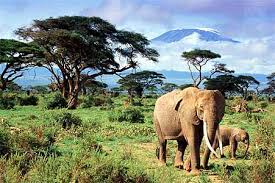
Which of the following is a biotic factor?
sun
temperature
soil
grass

Termites are tiny insects that can cause severe damage to homes and other structures that consist of wood. Termites are an example of what type of factor.
Biotic
Abiotic

Brandon and his dad cut a tree that fell in a storm into smaller sections. Then they split the wood to use for firewood. Firewood is an example of which type of factor.
Biotic
Abiotic

An arctic blast pushed its way through several of the Northern state in the United State. The temperatures dropped below freezing for several days. Temperature is an example of which type of factor?
Biotic
Abiotic

Great Danes are large dogs that were originally referred to as boar hounds because they were bred to hunt boars. They are one of the tallest dog breeds and can weigh up to 200 pounds. Great Danes are an example o which type of factor?
Biotic
Abiotic

John takes the subway to work every morning. He enjoys drinking his coffee and talking to people that sit near him. The other people on the subway are an example of what type of factor?
Abiotic
Biotic

Is wind a biotic or abiotic factor?
biotic
abiotic

Is soil a biotic or abiotic factor?
biotic
abiotic

Are rocks biotic or abiotic factors?
biotic
abiotic

Is water a biotic or abiotic factor?
biotic
abiotic

Is temperature a biotic or abiotic factor?
biotic
abiotic

Is pH a biotic or abiotic factor?
biotic
abiotic

Is precipitation a biotic or abiotic factor?
biotic
abiotic

Is symbiosis a biotic or abiotic factor?
biotic
abiotic

Is competition within a species a biotic or abiotic factor?
biotic
abiotic

Is predation a biotic or abiotic factor?
biotic
abiotic

Is disease a biotic or abiotic factor?
biotic
abiotic

Are producers biotic or abiotic factors?
biotic
abiotic

Are consumers biotic or abiotic factors?
biotic
abiotic

Are decomposers biotic or abiotic factors?
biotic
abiotic

Is sunlight a biotic or abiotic factor?
biotic
abiotic
Abiotic factors are ___________.
non-living parts of an ecosystem
living parts of an ecosystem
things that once were alive, but now are dead
not important parts of ecosystems.
Biotic factors are ___________.
non-living parts of an ecosystem
living parts of an ecosystem
things that once were alive, but now are dead
not important parts of ecosystems.
Biotic factors are ___________.
non-living parts of an ecosystem
living parts of an ecosystem
things that once were alive, but now are dead
not important parts of ecosystems.
An ecosystem is made up of __________.
living things only
non-living things only
both living and non-living things
T/F: Abiotic factors are an unimportant part of ecosystems.
true
false
What does the word root 'bio-' mean?
living
dead
science
study
Abiotic means
living
nonliving
What is the difference between the biotic and abiotic factors?
Biotic factors are living things and abiotic factors are nonliving things.
Biotic factors are nonliving things and abiotic factors are living things.
What is a example of a abiotic factor?
Panda
Bacteria
Butterfly
Weather
Temperature is an example of what kind of factor?
biotic
abiotic
dead
living
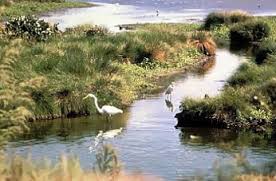
What are the abiotic factors in this image?
water, sunlight, dirt, air
birds, trees, and sunlight
water, trees, and birds
Which of the following is a biotic factor?
sun
temperature
soil
grass
What is an example of a biotic factor?
bear
rocks
soil
water
An organisms in an environment is a
abiotic factor
biotic factor
Lizards and cacti are biotic factors in a desert ecosystem that would rely on which abiotic factors?
insects and sun
water and insects
snakes and temperature
water and soil
Nonliving elements in an ecosystem are called _______________.
biotic factor
abiotic factor
limiting factor
fear factor
Which is an example of an abiotic factor in a pond environment?
The water
A frog
A grasshopper
A snake
Which is an example of a biotic factor in the environment?
The climate in the region
Carnivores that consume other animals
Amount of helium gas in the air
Flow of water in a river
Which of the following shows an abiotic factor interacting with a biotic factor in the environment?
Lamprey eels survive by attaching themselves to trout.
Water temperature affects its oxygen level.
Low light intensity affects the growth of forest pine trees.
Gypsy moth caterpillars eat the leaves of apple tree.
Which of the following is an abioitic factor that could affect biotic factors?
Population of rabbits.
Length of daylight.
Presence of harmful bacteria.
Number of herbivores.
Which is an example of a seasonal change to a biotic factor?
Temperatures get cooler in the fall.
Hours of sunlight increase the summer.
Birds fly south for the winter.
Rainfall increases in the spring.
A hollow, sealed glass sphere contains sand, water, air, algae, and tiny brine shrimp. The sphere is a model ecosystem. Which of these is a biotic factor of this ecosystem?
air
algae
sand
water

Refer to the diagram. Which list includes abiotic factors only?
Items A, C, D
Items B, C, E
Items A, D
Items A, B, C, D, E
Which of these is a biotic factor in a river ecosystem?
the types of microorganisms that live in the river water
the amount of soil and other particles carried by the river
the speed at which the river water flows toward the ocean
the amount of rain that flows off the land and into the river
In many desert ecosystems, days are hot and nights are cold. Water is scarce, so animals seek water wherever possible. The spines of a cactus are actually leaves adapted to conserve water. The cactus plants have also adapted to live in thin, sandy soil. Which of the following is a biotic component of a desert ecosystem?
the thin, sandy soil
the wide temperature range
the scarcity of water
the spiny cactus leaves
Which of the following is a biotic factor in an ocean ecosystem?
the salt content of the water
the temperature of the water
the fish in the water
the oxygen in the water
Which of the following MOST completely describes the components of a pond ecosystem?
the soil and water that make up the pond
the organisms and non-living environment in and around the pond
the plants and animals that live in and around the pond
the fish and other aquatic animals in the pond
Drought, erosion, flood, and prolonged heat spells are examples of —
communities
biotic factors within an ecosystem which affect abiotic components
populations
abiotic changes within an ecosystem which can affect biotic factors
An abiotic component of an ecosystem is represented by the —
bats under a bridge in Austin, Texas
population of deer on a deer lease in Central Texas
attack on a wheat field by fungus
monthly average rainfall in Texas

What terms should replace X and Y in the table?
elements; compounds
abiotic; biotic
microscopic; macroscopic
natural; man-made
What terms should replace X and Y in the table?
elements; compounds
abiotic; biotic
microscopic; macroscopic
natural; man-made
Which statement below refers only to biotic components in an ecosystem?
Evaporation, transpiration, and precipitation are complex processes that cycle water between the atmosphere and the Earth's surface.
Photosynthesis and respiration are not considered atmospheric processes.
Vegetation is an indicator of several environmental factors, including precipitation, temperature, soil, geology, and wind.
In Yellowstone Park, shrubs have expanded their range into large areas formerly populated by short grasses, due to overgrazing and trampling by livestock.
An abiotic factor is:
Living
Non-living
Neither
An biotic factor is:
Living
Non-living
Neither

What type of factor is this?
Biotic
Abiotic

What type of factor is this?
Biotic
Abiotic

What type of factor is this?
Biotic
Abiotic

What type of factor is this?
Biotic
Abiotic

What type of factor is this?
Biotic
Abiotic

What type of factor is this?
Biotic
Abiotic

What type of factor is this?
Biotic
Abiotic

What type of factor is this?
Biotic
Abiotic

What type of factor is this?
Biotic
Abiotic

What type of factor is this?
Biotic
Abiotic

What type of factor is this?
Biotic
Abiotic

What type of factor is this?
Biotic
Abiotic

What type of factor is this?
Biotic
Abiotic

What type of factor is this?
Biotic
Abiotic
Which would be a biotic factor for salmon in a river?
Water temperature
Bacteria in the water
Water pH
Water Salt Concentration
Which would be a biotic factor for salmon in a river?
Water temperature
Bacteria in the water
Water pH
Water Salt Concentration

Which abiotic factor would be the main reason a polar bear not live in the desert?
Salt concentration
Temperature
pH
Light

