Wayground logo

Free Printable Worksheets

Font size

S
M
L
XL
Worksheets

Biology Check In #1

Total questions: 85

Worksheet time: 2hrs 32mins

Name
Class
Date
1.

What is a biotic factor?

a)

Geographic Features 

b)

Living things

c)

Hydrologic Cycle

d)

Non-living things

2.

What is an abiotic factor?

a)

Hydrologic Cycle

b)

Living Things

c)

Non-living Things

d)

Geographic Features 

3.

All the nonliving parts of an ecosystem are referred to as:

a)

the community

b)

biomes

c)

biotic factors  

d)

abiotic factors

4.

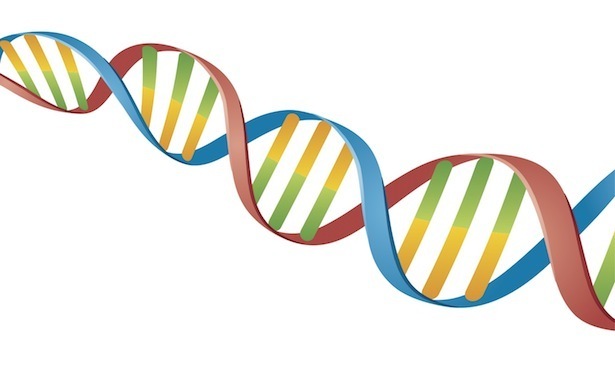
Which of the following would be a biotic factor in an ecosystem?

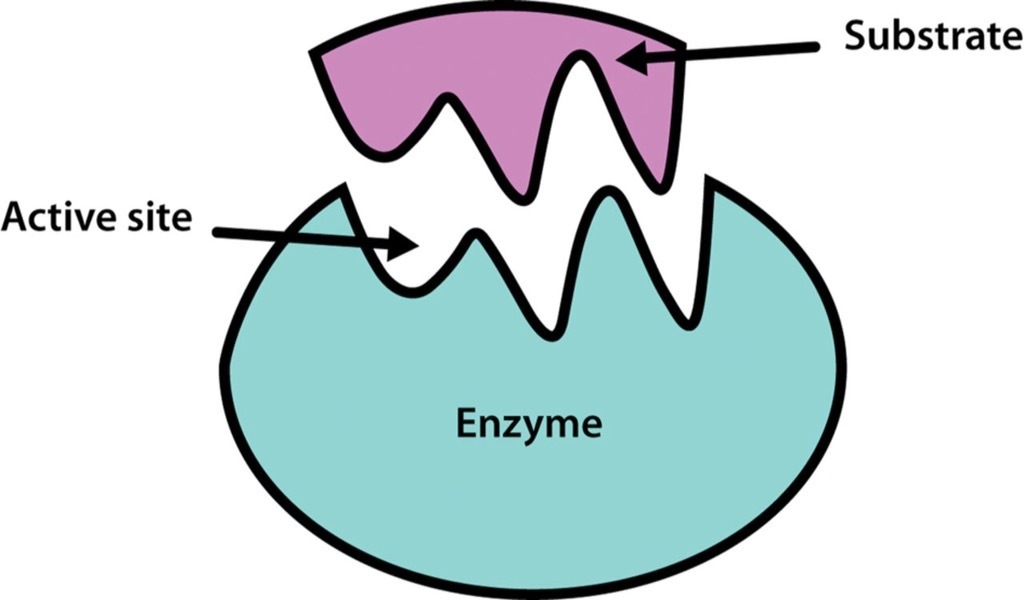
a)

soil  

b)

bacteria

c)

rainfall

d)

temperature

5.

What provides energy for an entire ecosystem?

a)

Sun

b)

Air

c)

Water

d)

Fish

6.

What is a population?

a)

1 organism 

b)

Groups of individuals of the same species living in a particular area

c)

All life, biotic and abiotic in an area

d)

Groups of non-related/multiple species living in the same area

7.

What is a community?

a)

1 species living in a given location

b)

Biotic and Abiotic Factors

c)

Many populations living in the same location 

d)

1 organism 

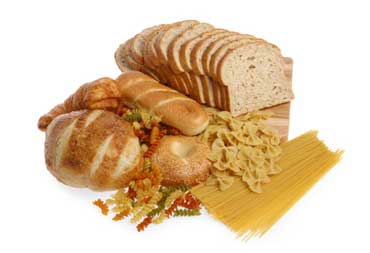
8.

Observations or data deal with numbers

a)

Quantitative

b)

Opinions

c)

Qualitative

d)

Numerical

9.

The step of the Scientific Method in which the scientist makes a testable prediction about their observation.

a)

Troubleshooting

b)

Experimentation

c)

Forming a Hypothesis

d)

Exploration

10.

What is the purpose of the Control Group?

a)

To control the results

b)

To make the experiment official

c)

To test the constants

d)

To be compared to the Experimental Group

11.

In an good experiment, we are measuring what?

a)

The Dependent Variable

b)

The Independent Variable

c)

The Hypotenuse

d)

The Control

12.

On a line graph, which variable is displayed on the bottom axis?

a)

Independent

b)

Dependent

c)

Codependent

d)

Non-dependent

13.

What are the "X" shaped things in the drawing.

a)

PMATs

b)

Chromosomes

c)

Ribosomes

d)

Telophase

14.

What is the image above:

a)

Chromosome

b)

Chromotid

c)

Centromere

d)

Centriole

15.

A chromosome is packaged

a)

DNA

b)

Protein

c)

Carbohydrates

d)

Lipids

16.

What stage of mitosis is depicted here

a)

Prophase

b)

Anaphase

c)

Telophase

d)

Metaphase

17.

What stage of mitosis is depicted here

a)

Prophase

b)

Metaphase

c)

Anaphase

d)

Telophase

18.

What stage of mitosis is depicted here

a)

Prophase

b)

Metaphase

c)

Anaphase

d)

Telophase

19.

What stage of mitosis is depicted here

a)

Prophase

b)

Metaphase

c)

Anaphase

d)

Telophase

20.

The picture above represents what happens after mitosis which is

a)

Interphase

b)

Cytokinesis

c)

Metaphase

d)

G1

21.

During what phase of Mitosis do the chromosomes line up in the Middle

a)

Metaphase

b)

Prophase

c)

Telophase

d)

Anaphase

22.

The process which completes cell division and directly follows mitosis is called?

a)

S phase

b)

M phase

c)

prophase

d)

cytokinesis

23.

What phase of mitosis do chromosomes pull away from each other?

a)

prophase

b)

metaphase

c)

anaphase

d)

telophase

24.

During which phase of mitosis do the chromosomes line up along the middle of the dividing cell?

a)

prophase

b)

metaphase

c)

anaphase

d)

telophase

25.

What part of mitosis is this?

a)

prophase

b)

metaphase

c)

anaphase

d)

telophase

e)

cytokinesis

26.

What are the two main parts of the cell cycle?

a)

mitosis and cytokinesis

b)

interphase and M phase

c)

cellular respiration and photosynthesis

d)

prophase and metaphase

27.

Which of the following does NOT belong to the cell theory?

a)

all living organisms have the same type of cell

b)

All living organisms are composed of one or more cells

c)

All cells come pre-existing cells

d)

Cells are the basic unit of life

28.

All bacteria cells are...

a)

Prokaryotic Cells

b)

Eukaryotic Cells

29.

In a eukaryotic cell, where is the DNA located?

a)

In the cell membrane

b)

There is no DNA

c)

In the nucleus

d)

In the cell wall

30.

In a prokaryotic cell, where is the DNA located?

a)

In the cell wall

b)

In the nucleus

c)

In the cell membrane

d)

It has no specific location

31.

What type of cells do animals have?

a)

prokaryotic cells

b)

bacteria cells

c)

eukaryotic cells

d)

none of the above

32.

What do you see?

a)

a prokaryotic cell

b)

the bottom of the ocean

c)

a white blood cell

d)

an eukaryotic cell

33.

What do you see?

a)

a white blood cell

b)

an eukaryotic cell

c)

DNA

d)

a prokaryotic cell

34.
Which of the following is found inside a prokaryote?
a)
cytoplasm
b)
DNA
c)
ribosomes
d)
all of these
35.
The _________ holds the dna for the cell
a)
vacuole
b)
smooth ER
c)
rough ER
d)
nucleus
36.
Jelly-like material that makes up most of the cell
a)
cytoskeleton
b)
cytoplasm
c)
cyclops
d)
cytoliquid
37.
This organelle is stores food, water and waste.
a)
Ribosome
b)
Cytoplasm
c)
Vacuole
d)
Mitochondria
38.
What gives instructions to the cells?
a)
DNA
b)
PNA
c)
MBA
d)
NBA
39.
What is the nucleus?
a)
a thin layer that encloses the cell
b)
controls all life processes; "brains"
c)
holds cell together
d)
gatekeeper for cell
40.
Ribosomes make....
a)
coffee
b)
lunch
c)
protein
d)
other cells
41.
Animal cells have chloroplasts for photosynthesis
a)
True
b)
False
42.
Which type of cell has a true membrane-bound nucleus?
a)
eukaryotic
b)
prokaryotic
43.

which cell is more complex

a)

Eukaryotic

b)

Prokaryotic

44.
Which major macromolecule is being represented in this image? 
a)
carbohydrate
b)
lipid
c)
protein
d)
nucleic acid
45.
Which of the following contains the genetic code for protein synthesis?
a)
carbohydrate
b)
lipid
c)
protein
d)
nucleic acid
46.
Which of the following decreases the activation energy necessary to initiate the chemical change within the body?
a)
nucleotides
b)
enzymes
c)
amino acids
d)
fatty acids
47.
What are the building blocks of proteins?
a)
amino acid
b)
fatty acid
c)
nucleotide
d)
lipid
48.
What are the single sugars that are the building blocks of carbohydrates?
a)
monosaccharides
b)
disaccharides
c)
polysaccharides
d)
amino acid
49.
Why are lipids insoluble in water?  
a)
lipids are polar
b)
lipids are non-polar
c)
lipids have a negative charge
d)
lipids are building blocks of protiens
50.
REVIEW: Which of the following represents a formula for a chemical compound?
a)
H2O
b)
P2
c)
C6
d)
H
51.
Which of the four major biological macromolecules can be easily identified by the nitrogen base and phosphate found in its structure?
a)
carbohydrate
b)
lipid
c)
protein
d)
nucleic acid
52.
Waxes, oils and fats are examples of
a)
Carbohydrates
b)
Lipids
c)
Proteins
d)
Nucleic Acids
53.

Which macromolecule is used as our main source of quick energy?

a)

Lipids/Fats

b)

Nucleic Acids

c)

Proteins

d)

Carbohydrates

54.

Which of the following is not one of the four major classes of macromolecules?

a)

Lipids

b)

Carbon

c)

Protein

d)

Carbohydrates

e)

Nucleic Acid

55.

This macromolecule breaks down into sugars such as glucose.

a)

Lipids/Fats

b)

Nucleic Acids

c)

Protein

d)

Carbohydrates

56.

Storing energy is the primary function of two macromolecules. What macromolecule is represented by the structure below?

a)

Carbohydrates

b)

Proteins

c)

Lipids

d)

Nucleic Acids

57.
Proteins are made of monomers called ___________
a)
Nucleotides
b)
Monosaccharides
c)
Amino Acids
d)
Glycerol and fatty acids
58.
What is the primary function of carbohydrates in your body?
a)
Speed up chemical reactions.
b)
Give immediate energy.
c)
Help to store energy.
d)
Build cell walls in plants.
59.
What type of macromolecule is being represented in this image? 
a)
carbohydrate
b)
lipid
c)
protein
d)
nucleic acid
60.
Nucleotides are monomers of
a)
Carbohydrates
b)
Lipids
c)
Proteins
d)
Nucleic Acids
61.
What is the function of nucleic acids?
a)
store genetic information
b)
store energy (long-term)
c)
store energy (short-term)
d)
build skin, hair, nails, muscles
62.

Which macromolecule stores long term energy, insulates us, and makes up the cell membrane?

a)
lipids
b)
proteins
c)
carbohydrates
d)
nucleic acids
63.
Enzymes are..
a)
nucleic acids 
b)
carbohydrates 
c)
lipids 
d)
proteins 
64.
Proteins are made of monomers called ___________
a)
Nucleotides
b)
Monosaccharides
c)
Amino Acids
d)
Glycerol and fatty acids
65.
DNA and RNA are examples of 
a)
Carbohydrates
b)
Lipids
c)
Proteins
d)
Nucleic Acids
66.
Monosaccharides are monomers of
a)
Carbohydrates
b)
Lipids
c)
Proteins
d)
Nucleic Acids
67.
Waxes, oils and fats are examples of
a)
Carbohydrates
b)
Lipids
c)
Proteins
d)
Nucleic Acids
68.
Which of the following organic compounds is the main source of energy for living things?
a)
carbohydrates
b)
lipids
c)
nucleic acids
d)
proteins
69.
Which macromolecule stores energy, insulates us, and makes up the cell membrane?
a)
lipids
b)
proteins
c)
carbohydrates
d)
nucleic acids
70.
All polymers are made up of...
a)
monosaccharides
b)
monomers
c)
proteins
d)
None of these
71.
All organic compounds contain the element
a)
carbon
b)
nitrogen
c)
phosphorus
d)
sulfur
72.
Building blocks of the body, hair , muscles etc.
a)
protein
b)
nucleic acid
c)
lipids
d)
carbohydrates
73.
How many sugar units make up polysaccharides?
a)
one
b)
two
c)
more than two
d)
zero
74.

What is the cell's outer barrier that regulates what enters and leaves the cell?

a)

cell wall

b)

cytoskeleton

c)

cytosol

d)

cell membrane

75.

What is the outer layer of a plant cell which is made up of cellulose polysaccharides?

a)

cell wall

b)

carbohydrates

c)

cell membrane

d)

cytoskeleton

76.

Which membrane-bound organelle converts energy from the sun into chemical energy during photosynthesis?

a)

ribosomes

b)

cytosol

c)

chloroplast

d)

nucleolus

77.

When reading the nutrition facts on food packaging total fats is a measure of...

a)

Carbohydrate

b)

Lipids

c)

Water

d)

Protein

78.

When reading the ingredients on a nutrition facts label carbohydrates are written as a type of

a)

food additive

b)

enzyme

c)

sugar

d)

protein

79.

Example(s) of proteins are...

a)

Sugar

b)

Nuts

c)

Beans

d)

Fish

80.
Which major macromolecule is being represented in this image? 
a)
carbohydrate
b)
lipid
c)
protein
d)
nucleic acid
81.
Carbohydrates are made of... 
a)
C H O
b)
C H O N
c)
C H O N P
d)
C H O N S
82.
Lipids are made of... 
a)
C H O
b)
C H O N
c)
C H O N P
d)
C H O N S
83.
What biomolecule do enzymes belong to? 
a)
Carbohydrate
b)
Lipid
c)
Nucleic Acid
d)
Protein
84.
Which biomolecule is found in pasta and bread?
a)
Lipid
b)
Protein
c)
Nucleic Acid
d)
Carbohydrate
85.
What is the function of a nucleic acid?
a)
Stores genetic information
b)
Stores energy
c)
Quick source of energy
d)
Builds structures