
 Worksheets
SNC1P1 Exam Review #1 - Ecology
Total questions: 87
Worksheet time: 2hrs 47mins
Name
Class
Date
1.
This sphere contains all life on Earth
a)
Geosphere
b)
Hydrosphere
c)
Atmosphere
d)
Biosphere
2.
This sphere contains all Earth's water in the ground, on the surface and the air
a)
Geosphere
b)
Hydrosphere
c)
Atmosphere
d)
Biosphere
3.

The Four Spheres of Earth
a)
are all connected
b)
have nothing to do with one another
c)
exist on Venus and Mars
d)
don't affect human life
4.
Animals, forests, grasslands, and trees all belong to which sphere?
a)
Atmosphere
b)
Biosphere
c)
Lithosphere
d)
Hydrosphere
5.

Body of air surrounding our planet.
a)
Hydrosphere
b)
Biosphere
c)
Atmosphere
d)
Geosphere
6.
Bio =
a)
Earth
b)
Sphere
c)
Life
d)
Water
7.
Geo =
a)
Earth
b)
Sphere
c)
Life
d)
Water
8.
This system is associated with solid portions of the Earth. It includes rocks, sediments and soils, surface landforms and the processes that shape the surface.
a)
Atmosphere
b)
Biosphere
c)
Lithosphere
d)
Hydrosphere
9.
Each Sphere is independent and not affected by things that happen in other spheres.
a)
True
b)
False
10.
Water
a)
Biotic
b)
Abiotic
11.
Bacteria
a)
Biotic
b)
Abiotic
12.
Organisms within an ecosystem are ___________________ factors in that ecosystem.
a)
Important
b)
Abiotic
c)
Biotic
d)
Growth
13.
Biotic factors in coral reefs depend on abiotic factors like temperature and pH.
a)
True
b)
False
14.
An ecosystem is made up of all the ________________ and _________________ factors in an area.
a)
species and organisms
b)
abiotic and species
c)
biotic and species
d)
abiotic and biotic
15.

A group of the same type of organisms living in the same place at the same time.
a)
threatened species
b)
populations
c)
community
d)
limiting factor
16.

waste
a)
biotic
b)
abiotic
17.
A collection of organisms that belong to different populations but all live in the same area and interact with one another.
a)
Population
b)
Ecosystem
c)
Community
d)
Ecosphere
18.
A collection of organisms that make up a community as well as all of the nonliving aspects of the environment.
a)
Population
b)
Community
c)
Habitat
d)
Ecosystem
19.
The place an organism lives is called its
a)
Habitat
b)
Population
c)
Ecosystem
d)
Community
20.

A bird's nest.
a)
Abiotic factor
b)
Biotic factor
21.
Which of the following sources of energy is non-renewable?
a)
sun
b)
wind
c)
water
d)
fuel
22.
Which of the following sources of energy is renewable?
a)
coal
b)
wind
c)
gas
d)
fuel
23.
What term refers to living in a manner that ensures that populations can survive and thrive in an environment using the available resources around them for many generation to come?
a)
Marine
b)
Biotic
c)
Ecological Sustainability
d)
Ecological Niche
24.

What is the source of energy for photosynthesis?
a)
carbohydrates-chemical
b)
sunlight-radiant
c)
heat-thermal
d)
television-electrical
25.
What are the reactants (what's needed) for photosynthesis?
a)
glucose and oxygen
b)
light, water, and carbon dioxide
26.
What gas is released by plants during photosynthesis?
a)
sulfur
b)
carbon dioxide
c)
oxygen
d)
hydrogen
27.
What is the purpose of photosynthesis?
a)
make glucose
b)
make ATP
c)
make light
d)
release carbon dioxide
28.
What are the products (what's made) during photosynthesis?
a)
glucose and oxygen
b)
water, light, and carbon dioxide
29.

In which organelle (part of the cell) does photosynthesis take place?
a)
mitochondria
b)
chloroplast
c)
nucleus
d)
cell membrane
30.
What is the gas we breath out that plants use for photosynthesis?
a)
sulfur
b)
carbon dioxide
c)
oxygen
d)
hydrogen
31.
What is another name for glucose?
a)
Chlorophyll
b)
Chloroplasts
c)
Stomata
d)
Sugar
32.
Cellular respiration takes place in the
a)
nucleus
b)
cytoplasm
c)
ribosomes
d)
mitochondria
33.
What are organisms that use other organisms for food in order to gain energy?
a)
decomposers
b)
producers
c)
herbivores
d)
consumers
34.

What type of organism makes its own food?
a)
consumer
b)
carnivore
c)
producer
d)
animal
35.
Where do producers get their energy?
a)
the ground
b)
other animals
c)
decomposers
d)
The Sun
36.
Where does all of the energy in a food web originally come from?
a)
Soil
b)
Producers
c)
Air
d)
Sun
37.

__________ is an organism that only eats plants for energy.
a)
Carnivore
b)
Herbivore
c)
Omnivore
d)
Terivore
38.

Bears eat fish, insects, plants, seeds, nuts and young elk. They are called __________.
a)
Franivore
b)
Carnivore
c)
Herbivore
d)
Omnivore
39.
What does a Primary Consumer eat?
a)
Tertiary Consumers
b)
Secondary Consumers
c)
Producers
40.

An organism that lives by breaking apart dead organic matter into simpler parts is...
a)
scavenger
b)
consumer
c)
decomposer
d)
carnivore
41.
In a food web, arrows point at:
a)
who gets energy.
b)
who gets eaten.
42.
How much energy is available to be passed on to the next trophic level in an ecosystem?
a)
100%
b)
10%
c)
50%
d)
75%
43.
An organism that eats dead plants or animals is a/an
a)
consumer
b)
scavenger
c)
decomposer
d)
predator
44.

What is is called when water turns into a vapor?
a)
EVAPORATION
b)
PRECIPITATION
c)
TRANSPIRATION
45.
The water cycle has no start or end
a)
true
b)
false
46.
Any type of liquid or solid water that falls to earth's surface
a)
evaporation
b)
condensation
c)
precipitation
d)
runoff
47.
Combustion is another word for _______________.
a)
a train
b)
a bus
c)
a dog
d)
burning
48.
What does not produce carbon dioxide?
a)
Photosynthesis
b)
Burning Fossil Fuels
c)
Animal respiration
d)
Plants decaying
49.
Petroleum and natural gas are produced from buried ___.
a)
marine plants, algae and animals
b)
atmospheric carbon dioxide
c)
atmospheric methane
d)
water and oxygen
50.
How does carbon affect global warming?
a)
Speeds up the effects of global warming
b)
Slows down the effects of global warming
c)
Does nothing to the speed of global warming
d)
Global warming is FAKE
51.
If the plant population decreased, the amount of carbon would ______.
a)
Stay the same
b)
Increase
c)
Decrease
52.
If the animal population decreased, the amount of carbon would _____.
a)
Stay the same
b)
Increase
c)
Decrease
53.

The number of individuals a habitat can sustain with the resources it has available
a)
Carrying capacity
b)
Limiting factors
c)
Resources
d)
Population
54.

Which of the following is an example of competition?
a)
Two vultures fight over a dead rabbit
b)
A bear eats a fish
c)
Birds migrate south
d)
Pet dog keeps a man company
55.
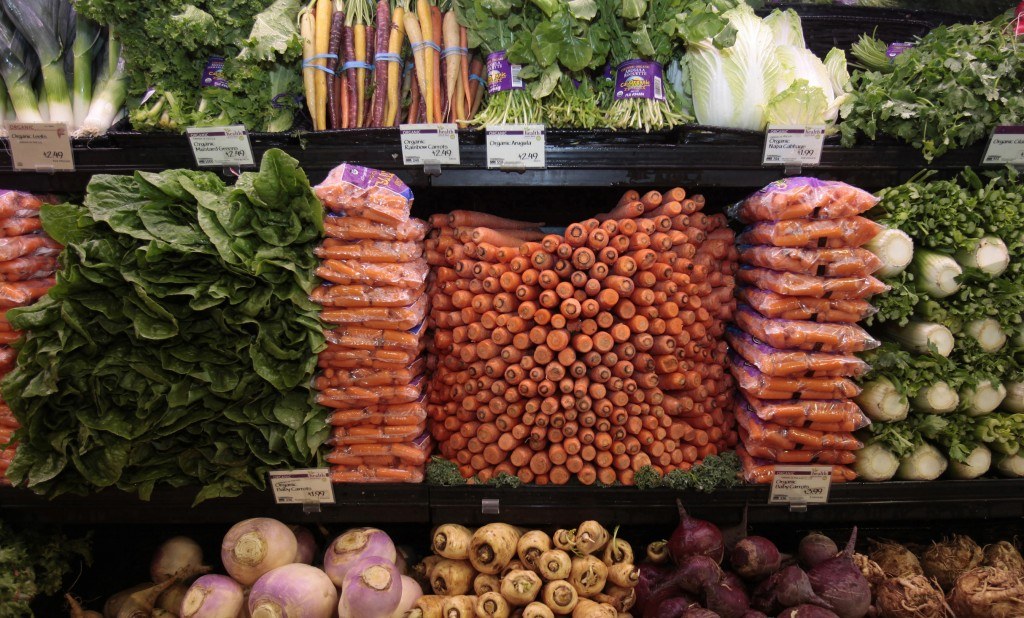
Which of the following would INCREASE the carrying capacity of an ecosystem?
a)
increase in predators
b)
disease
c)
increase in available food
d)
drought
56.

A relationship between two species where one benefits while the other is harmed.
a)
Mutualism
b)
Commensalism
c)
Parasitism
d)
Naturalism
57.

Red-billed oxpeckers feed on parasites found on an Impala. The impala gets rid of parasites and the red-billed oxpeckers get yummy dinner. This is an example of _______.
a)
commensalism
b)
mutualism
c)
neutralism
d)
competition
58.

A tree blocks the light from the grass below. This is an example of _________.
a)
mutualism
b)
commensalism
c)
competition
d)
parasitism
59.

A relationship between two organisms in which one organism benefits and the other is unharmed
a)
Mutualism
b)
Competition
c)
Parasitsm
d)
Commensalism
60.
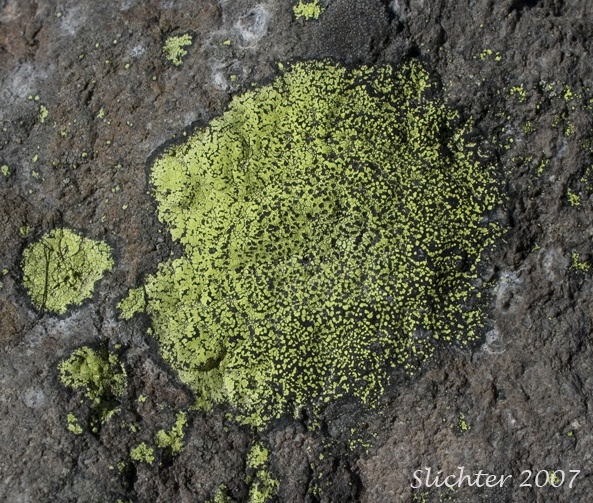
What is the name given to lichen or algae after a primary succession?
a)
pioneer species
b)
volunteer species
c)
founder species
d)
conqueror species
61.

the process by which a new community forms where no community lived before
a)
resource
b)
invasive (non- native) species
c)
primary succession
d)
competition
62.
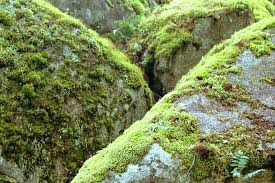
What are examples of pioneer species in a primary succession?
a)
Bushes and Shrubs
b)
Oak trees
c)
Mossess and Lichens
d)
A rose Bush
63.
Reaches a climax community quicker because soil is already present
a)
primary succession
b)
secondary succession
c)
both types of succession
64.

What is the most important function of pioneer species?
a)
To create rocks
b)
To create soil and add nutrients to the environment
c)
To look nice
d)
Food for animals
65.
Which catastrophic event will most likely cause an ecosystem to begin primary succession?
a)
A tornado
b)
A volcanic eruption
c)
A flood
66.
True or False: Climate change can have global, not just local, impacts on biodiversity.
a)
true
b)
false
67.
Where are many biodiversity hotspots located?
a)
deserts
b)
tropical rain forests
c)
polar ice regions
d)
rocks
68.

What is THE most major cause of extinction today?
a)
habitat destruction by humans
b)
poaching
c)
disease
d)
hunting
69.
Which area would have less biodiversity?
a)
desert
b)
forest
c)
ocean
d)
lake
70.

Some species are so important to the functioning of an ecosystem that they are called
a)
keystone species
b)
cornerstone species
c)
essential species
d)
exotic species
71.

If an organism is classified as _______________, then it no longer exists in the wild in a specific area.
a)
threatened
b)
extinct
c)
extirpated
d)
endangered
72.
Any species in which every last member has died.
a)
Invasive
b)
Pest
c)
Extinct
d)
Weeds
73.
How do invasive plants damage the environment?
a)
Compete with native species
b)
Change plant community
c)
Alter diversity
d)
All of these
74.
Does every species have the means to become invasive?
a)
Depends on the abiotic factors
b)
es, if the food web can support another organism
c)
Yes, if they are determined enough
d)
No, only species that pose a threat to ecosystem
75.
This invasive species came over in boats from Europe in the 1980's. They harm native fish, clog pipes and ruin beaches.
a)
Sea Lamprey
b)
Zebra Mussel
c)
Asian Carp
d)
Feral Swine
76.
Why do the populations of invasive species grow so quickly?
a)
Invasive Species are native to an area.
b)
Invasive species are prey to many animals.
c)
Invasive species have no predators.
d)
Invasive species keep the ecosystems in equilibrium.
77.
Invasive species help the food web by adding extra carnivores?
a)
True
b)
False
78.

Acid rain can damage
a)
Drinking water sources
b)
Aquatic life
c)
Architecture/buildings
d)
All options are correct
79.
What two air pollutants that most often produce acid rain?
a)
Nitrogen Oxides and Sulfur Oxides
b)
Carbon Dioxide and Ozone
c)
Particulate Matter
d)
None of the above
80.

Nurdles enter the environment through ...
a)
run-off from land
b)
spills from cargo ships
c)
facial scrubs
d)
all of these
81.
As greenhouse gases increase, oceans are becoming
a)
clearer
b)
saltier
c)
more acidic
d)
muddier
82.

What type of biological molecules can be disrupted by pollution?
a)
hormones
b)
carbohydrates
c)
neurotransmitters
83.
The agricultural practice of growing a single crop, plant, or livestock species at one time.
a)
Uniculture
b)
Biculture
c)
Monoculture
d)
low input farming
84.

Which of the following ecosystems is SUSTAINABLE?
a)
city park
b)
farmer's field
c)
lawn
d)
forest
85.

True or False: Monoculture has no disadvantages.
a)
True
b)
False
86.

Monoculture farming techniques use less fertilizer compared to organic farming.
True or False
True or False
a)
True
b)
False
87.

Which of the following is an engineered ecosystem?
a)
swamp
b)
forest
c)
bog
d)
golf course
100 %

