
Font size
 Worksheets
Semester Two BATs Review
Total questions: 94
Worksheet time: 1hrs 13mins
Which of the following is not an advantage of seeds?
multicellular
delayed germination
greater seed dispersal
supplied food
water dispersal
What part of the flower becomes the seed?
pollen
ovary
ovule
egg
The vascular part of the plant that carries water through the plant
xylem
phloem
stem
root
Which is a male part of the plant?
Pistil
Petal
Sepal
Stamen
How many cotyledons do dicots have?
One
Two
Three
Four
Monocots petals are usually in sets of...
2
3
4
5
An angiosperms' seeds are...
naked
edible
enclosed in fruit
dormant
Why do flowers have petals?
To help with photosynthesis
To attract pollinators, like bees
To help with seed distribution
To help distribute the food throughout the plant
Female cones produce________.
spores
cones
pollen
eggs

This is a(n) ...
Angiosperm
Gymnosperm

This is a(n) ...
Angiosperm
Gymnosperm
Which of the following is the largest and most diverse group of gymnosperms?
cycads
horestails
gnetophytes
conifers
ginkgoes
Which of the following groups of gymnosperms contains only one species?
cycads
horestails
gnetophytes
conifers
ginkgoes


Which type of gymnosperm can be found in deserts as very long leaves with cones at the center of the plant?
Conifers
Gingkoes
Gnetophytes
Cycads

Which phyla of gymnosperms is often mistaken as angiosperms?
Coniferophyta
Cycadophyta
Ginkgophyta
Gnetophyta
Which part of the male plant produces the pollen?
the filament
the anther
the stigma
the style
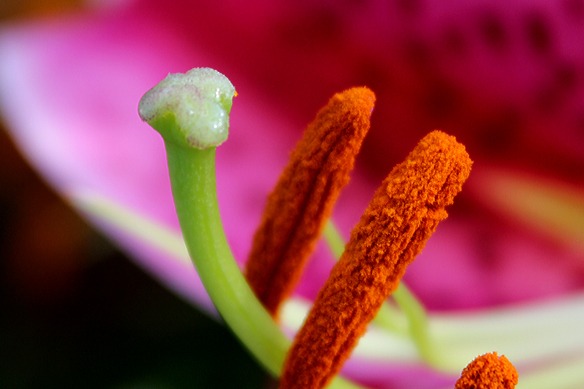
What's the name of the sticky surface at the top of the pistil that catches pollen?
the stigma
the ovules
the ovary
the filament
What protects the developing bud of a plant?
The sepals
The stem
The roots
The style
Which of the following is NOT a female part of the flower?
ovule
ovary
stigma
style
filament
Is the style a male part or a female part of the flower?
male
female
Why do petals come in a variety of shapes, sizes, and colors?
to accommodate the pollinators
protection of the seed
distract predators
Which pictures represent drupes?


Which picture shows true berries?


What type of fruit is this?
aggregate
multiple
simple

What type of fruit are all citrus?
berries
pomes
drupes

What type of fruit is this?
hesperidium
drupe
pome
pepo

What type of fruit is this?
hesperidium
pepo
legume
drupe

What type of fruit is this?
pepo
berry
indehiscent
pome

What type of fruit are blackberries?
aggregate
multiple
simple

What type of fruit is this?
pome
drupe
dehiscent
pepo
Which type of fruit splits along two seems when it is fully ripe?
legume
drupe
aggregate
drupe
Which type of dry fruit does not split open when it is mature?
dehiscent
indehiscent
legume
Which kind of fruit has a hard stone or pit in its center?
drupe
pome
berry
legume
Which type of fruit forms from many ovaries in a single flower?
aggregate
multiple
simple
Nuts and Grains are both examples of _________ fruits.
indehiscent
dehiscent
legume
fleshy
All of these are bryophytes except:
ferns
mosses
liverworts
hornworts

This plant is classified under
Bryophytes
Pteridophytes
Gymnoperms
Angiosperms
What is gametophyte?
The stage that produces sperm cells and egg cells.
The stage that produces spores.
The stage that produces rhizomes.
The waxy, protective outer covering of a plant that prevents water loss
Spore
Gymnosperm
Venation
Cuticle
Plants that reproduce with the use of flowers
Angiosperms
Gymnosperms
Bryophytes
Venation
Long hornlike structures of this bryophyte hold spores
Club Moss
Fern
Hornwort
Moss
Horsetail
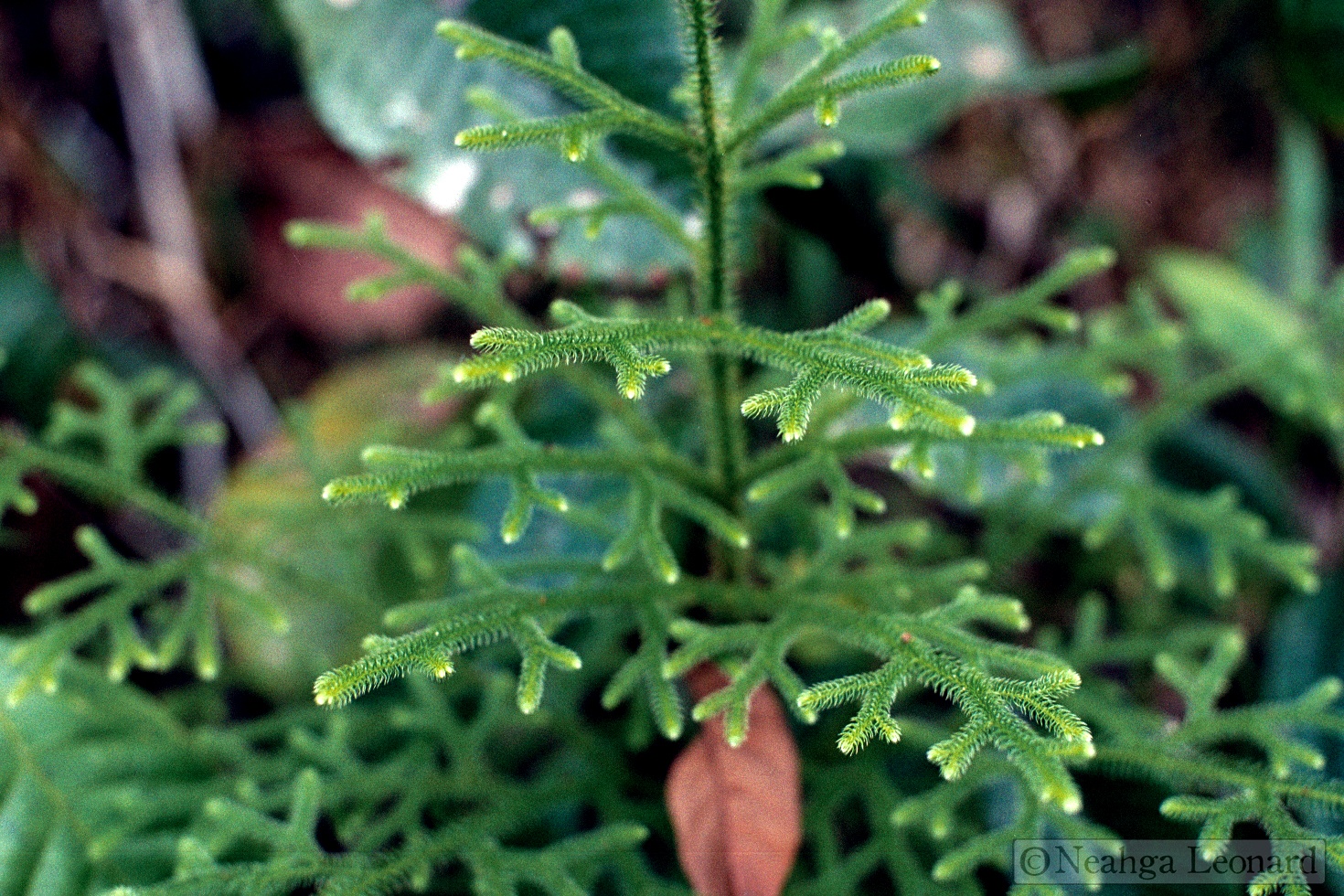
This is a...
fern
liverwort
hornwort
club moss
horsetail
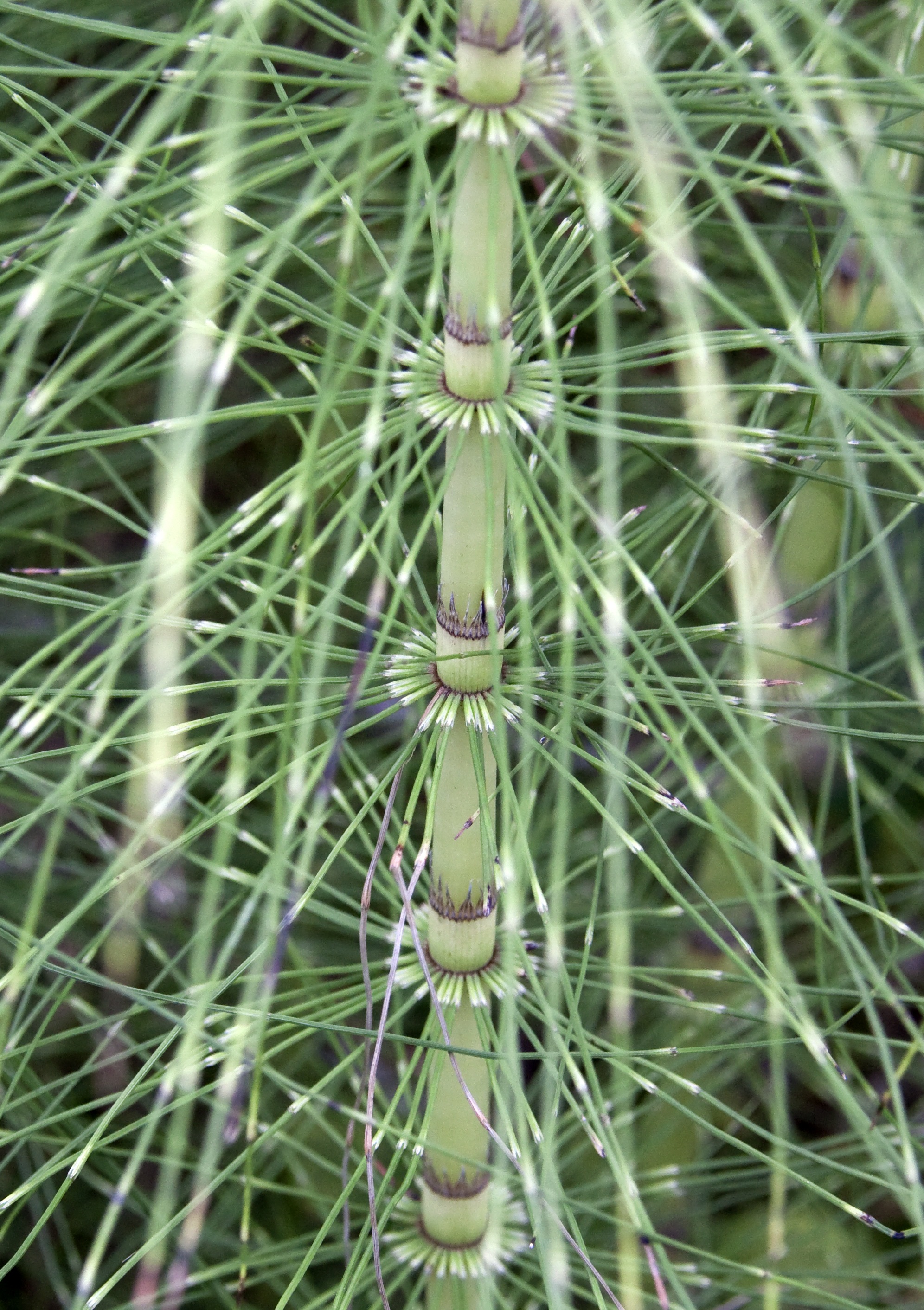
This is a...
fern
liverwort
hornwort
club moss
horsetail
Mycorrhizae is a symbiotic relationship between plants and ....
fungi
bacteria
animals
protists
Which of these is not a source of protection used by plants?
bitter taste
strong odor
thorns
tough bark
meristem
Which is these are not bryophytes?
hornwort
liverwort
moss
club moss
spike moss
Which phylum is not a seedless vascular plant?
pterophyta
lycophyta
hepatophyta

What kind of reproductive structure do club mosses and horsetails possess?
strobili
sori
cones
capsules
Are ferns vascular plants?
yes
no
A sporophyte
releases gametes.
releases sori.
releases spores.
releases a zygote.
Horsetails
are nonvascular plants.
are vascular, seed-producing plants.
have unique jointed stem structures.
can grow as large as trees today.

What kind of plant is this?
hornwort
liverwort
spike moss
club moss
Over time the girth of a plant becomes greater. This is known as
double fertilization
primary growth
fruiting
secondary growth
Which plant tissue provide flexiblity and support?
Collenchyma
Parenchyma
Sclerenchyma
Cotyledon
Choose all potential functions of plant roots
Water uptake
Nutrient storage
Photosynthesis
Structural support
The "tubes" in the stem of a plant that carry water up from the roots are called the:
phloem
xylem
veins
Which is a function of stems?
storing carbohydrates and sugar for the plant
getting the leaves to sunlight
keeping t he plant in place
absorbing water

a branching root system made up of many roots that start from the base of the plant
tap root
fibrous root
main root

the large main root of a plant with smaller roots branching from it
root hairs
tap root
fibrous root
Which of the following is NOT a part of the plant's SHOOT system?
Flower
Leaf
Stem
Root
Which parts of the plant do not have determinate growth?
fruit
leaves
petals
stems
roots
Which kind of tissue makes up the outer most layer of a tree trunk?
pericarp
periderm
epidermis
cork
An herbaceous stem is only capable of primary growth
true
false
Plants adapt to their environments by altering behavior.
true
false
What type of tissue provides storage and is photosynthetic?
dermal
ground
vascular
What type of tissue is made up of a pith and cortex?
dermal
ground
vascular
The function of parenchymal cells is...
rigid support
flexible support
photosynthesis and cellular respiration
Phloem is alive at maturity.
true
false
Which kind of tissue develops new leaves?
axillary
apical
cork
vascular
Meristems are found in which plant organs?
stems & leaves
roots & leaves
roots & stems
all of the above
Which type of growth is unlimited?
indeterminate
determinate
Which type of plant completes its growth over two seasons?
annual
perennial
biennial
Which type of plant completes its growth over many seasons?
annual
perennial
biennial
Which term describes the lengthening of cells?
elongation
morophogenesis
differentiation
growth
Which term describes the diversification of cells?
elongation
morophogenesis
differentiation
growth
What is cell growth?
change in shape
change in position
change in size
change in number of cells
specialization of cells
The specialization of cells is called...
elongation
morphogenesis
differentiation
growth
What connects secondary xylem and phloem?
vascular cambium
vascular rays
lateral roots
lateral shoots
Which type of wood is found in the center of a tree trunk?
sapwood
heartwood
springwood
summerwood

