wayground logo

Free Printable Worksheets

Font size

S
M
L
XL
Worksheets

FINAL - Honors Physical Science

Total questions: 115

Worksheet time: 2hrs 20mins

Name
Class
Date
1.

A _______________ does not have a definite volume or shape.

a)

gas

b)

liquid

c)

solid

2.

Which of the following could indicate that a chemical change took place?

a)

Change in color

b)

Production of Energy

c)

Formation of Gas

d)

All are correct

3.
Jack has a rock. The rock has a mass of 14g and a volume of 2cm3. What is the density of the rock?
a)
7 mL
b)
7 g/cm3
c)
28 g/cm3
d)
1/7 g/cm3
4.

Isotopes of an element have a different number of...

a)

Protons

b)

Neutrons

c)

Electrons

d)

Mass

5.

Sweet Tea, everything is mixed evenly and looks the same. What type of mixture is the sweet tea?

a)

Heterogeneous Mixture

b)

Homogeneous Mixture

6.
All of the mass of an atom comes from what location?
a)
nucleus
b)
electron cloud
7.
Which of the following reactions is balanced?
a)
2CH4 + O2 -> CO2 + H2O
b)
CH4 + 2O2 -> CO2 + H2O
c)
CH4 + 2O2 -> CO2 + 2H2O
d)
None of the chemical equations are balanced.
8.

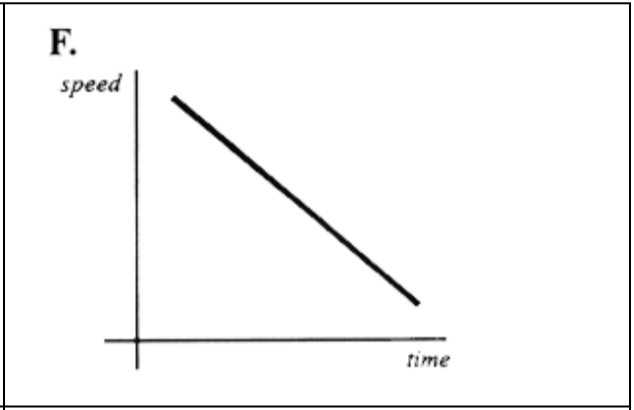
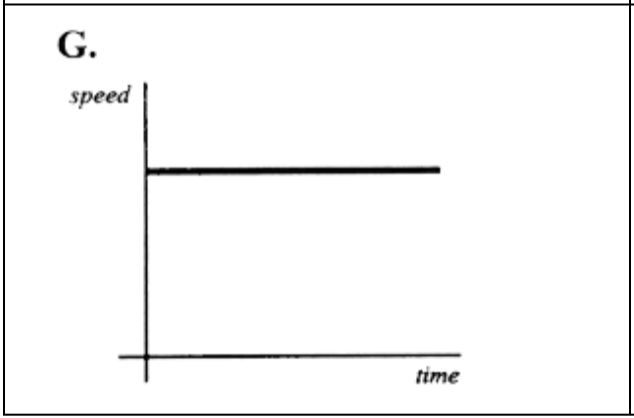
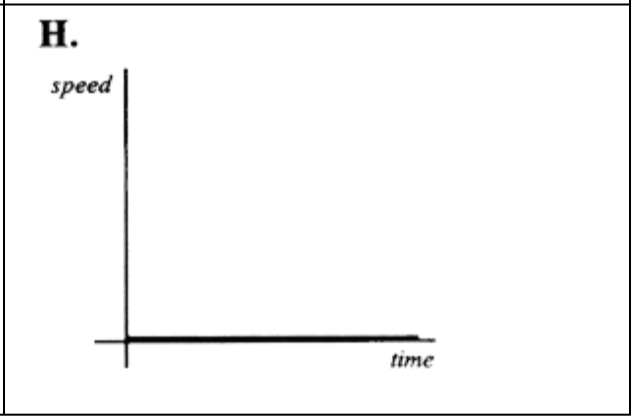
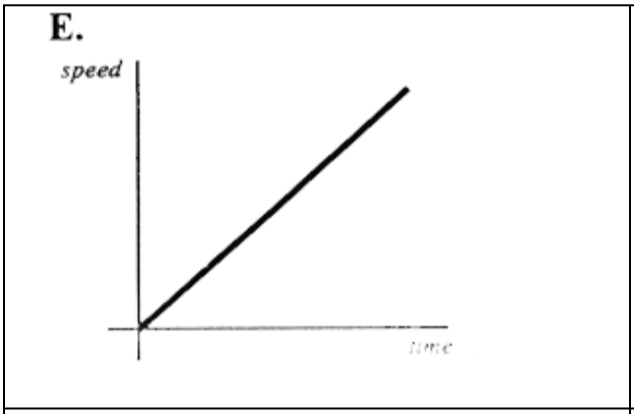
Match the graph to the description:

"The car is accelerating speeding up (positive acceleration)."
a)
b)
c)
d)
9.

A car drives with a constant speed of 80 miles per hour. How far can it travel in 180 minutes?

a)

0.44 miles

b)

240 miles

c)

100 miles

d)

80 miles

10.

Which is an example of a chemical change?

a)

wood that has burned to ashes

b)

paper that is cut into pieces

c)

ice that melts into water

d)

clay that is rolled into a ball

11.

When heat is added to matter, what happens to its particles?

a)

They move slower.

b)

They move closer together.

c)

They move faster.

d)

They do not change.

12.

Which tool would you use to measure mass?

a)

balance

b)

ruler

c)

beaker

d)

thermometer

13.

An example of water changing its state of matter is

a)

mixing water and cooking oil

b)

wood burning

c)

building a snowman

d)

steam rising from a kettle

14.
A food service worker earns $12 per hour. How much money, m, does the worker earn on a shift of h hours? Identify the dependent variable.
a)
money
b)
hours
c)
$12
15.

A movie ticket is $8.50 per person. What is the independent variable? 

a)
Cost
b)
number of people 
c)
Time
d)
space 
16.
Scientific Notation is made up of two number parts. The second part is a power of base 10.
a)
True
b)
False
17.
What is scientific notation?
a)
A long way to write really short  numbers
b)
A short way to write really long numbers
c)
I don't know...
d)
None of the above
18.
How would you write 564,000,000 in scientific notation?
a)
5.64 x 10⁻⁷
b)
5.64 x 10⁶
c)
5.64 x 10⁸
d)
56.4 x 10⁷
19.
Express the following in scientific notation:
.000457
a)
457 x 106
b)
457 x 10-6
c)
4.57 x10⁴
d)
4.57 x 10⁻⁴
20.
ANY number raised to a power of 0 will be....
a)
10
b)
itself
c)
1
d)
0
21.
Which of the following is correct scientific notation?
a)
20.35 x 10⁴
b)
.2035 x 104
c)
2035 4
d)
2.035 x10⁴
22.

What step does every scientific experiment begin with?

a)

hypothesis

b)

question/problem

c)

background research

d)

conclusion

23.
Should experiments be repeated over and over to see if the results are the same each time?
a)
yes
b)
no
24.

The __________________________________ is the organized way scientists answer questions and solve problems.

a)

scientific method

b)

scientific explanation

c)

scientific notation

d)

scientific guesses

25.
The summary at the end of an experiment that explains the results. 
a)
conclusion
b)
procedures
c)
materials
d)
responding variable
26.
Another word for prediction or educated guess is: ________________
a)
hypothesis
b)
conclusion
c)
experiment
d)
data
27.

When should you write a hypothesis?

a)

After writing procedures

b)

After making observations and doing research on a question/problem

c)

After buying materials for an experiment

d)

At the very beginning of the experiment

28.

How many different elements are present in H2COCH2 ?

a)

5

b)

4

c)

3

d)

2

29.

Calculate the number of Oxygen atoms in Al(OH)3

a)

1

b)

2

c)

3

d)

4

30.

The ______ are numbers found on the lower right-hand side of an element symbol.

a)

Coefficient

b)

Exponent

c)

Multiplier

d)

Subscript

31.

Coefficients in chemical formulas...

a)

Multiply just the first atom

b)

Add to the subscripts at the end of the molecule

c)

Multiply elements without subscripts

d)

Multiply EVERYTHING!

32.

H2SO4

a)

H = 2, S = 4, O = 4

b)

H = 2, S = 1, O = 4

c)

H = 8, S = 4, O = 4

d)

H = 2, SO = 4

33.

C3H5(NO3)3

a)

C = 3, H = 5, N = 3, O = 9

b)

C = 3, H = 5, N = 1, O = 9

c)

C = 9, H = 15, N = 3, O = 9

d)

C = 9, H = 15, N = 1, O = 3

34.

4CF2Cl2

a)

C = 4, F = 4, Cl = 2

b)

C = 1, F = 8, Cl = 8

c)

C = 4, F = 8, Cl = 8

d)

C = 1, F = 4, Cl = 8

35.
Name the part in red:

H+ O2 -> H2O
a)
Coefficient
b)
Product
c)
Reactant
d)
Subscript
36.
Name the part in red:

H+ O-> H2O
a)
Coefficient
b)
Product
c)
Reactant
d)
Subscript
37.
Is the following equation balanced or unbalanced ? 
Al + O2 --> Al2O3
a)
Balanced
b)
Unbalanced
38.
Is the following equation balanced or unbalanced ? 
N2 +3 H2 --> 2NH3
a)
Balanced
b)
Unbalanced
39.
How many hydrogens are in 4H2O?
a)
6
b)
8
c)
2
d)
4
40.
What are the coefficient used to balance the equation below?
__Ag2O →__ Ag +___O2
a)
2,4,1
b)
1,1,1
c)
2,1,2
d)
2,2,2
41.
 Balance this equation:

__ Al + __ HCl → __ H
2 + __ AlCl3
a)
2, 6, 3, 2
b)
it is already balanced
c)
4, 12, 3, 4
d)
2, 1, 4, 5
42.
Michael rides his bike at a constant speed of 12 miles per hour. How far can he travel in 2 hours?
a)
1/2 mile
b)
6 miles
c)
24 Kilometers
d)
24 miles
43.

Joanna drives for 400km at an average speed of 80km/hr. How long was her journey?

a)

Joanna's journey was 5hrs long

b)

Joanna's journey was 10hrs long

c)

Joanna's journey was 20hrs long

d)

Joanna's journey was 15hrs long

44.
Natalie rode a train for 12 hours.  She traveled for 258 miles.  How fast was Natalie travelling?
a)
21.5 mph
b)
12 mph
c)
267 mph
d)
87.5 mph
45.
What is the formula for density?
a)
density = mass x volume
b)
density = mass / volume
c)
density = mass + volume
d)
density = mass - volume
46.
Why do some substances float on water?
a)
they are warmer than water
b)
they are cooler than water
c)
they are more dense than water
d)
they are less dense than water
47.
Volume is ...
a)
Mass/Volume
b)
The amount of matter in an object.
c)
The amount of space an object occupies.
d)
Anything that has mass and occupies space.
48.

_____ have molecules that are packed together and hardly move.

a)

solids

b)

liquids

c)

gases

d)

plasma

49.

___ is anything that takes up space and has mass.

a)

Density

b)

Weight

c)

Volume

d)

Matter

50.

Which tool would you use to measure the volume of a liquid?

a)

balance

b)

thermometer

c)

ruler

d)

graduated cylinder

51.

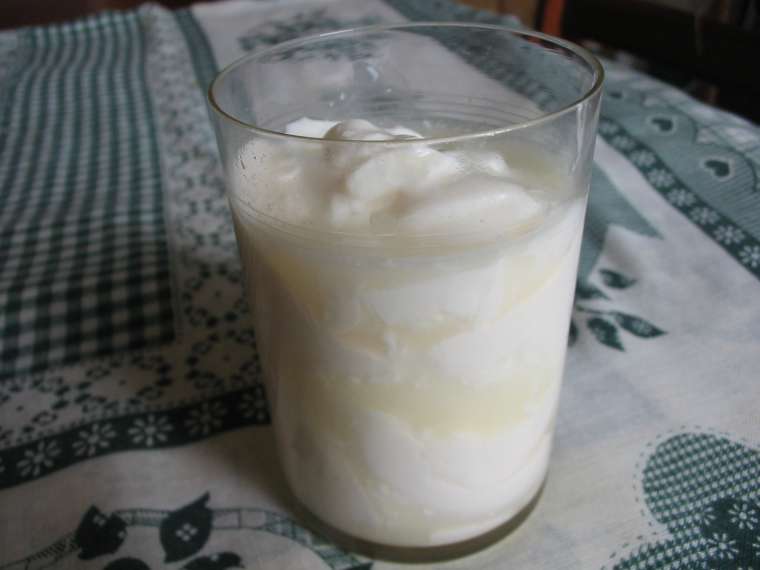
What kind of mixture is shown in the picture?

a)

Homogeneous

b)

Heterogeneous

52.

It tastes sweet. What type of observation is this statement?

a)

Qualitative

b)

Quantitative

53.

The leaf is 5mm wide. What type of observation is this statement?

a)

Qualitative

b)

Quantitative

54.

The mass of the chocolate cake is 250 g. What type of observation is this statement?

a)

Qualitative

b)

Quantitative

55.

The liquid is a pink color. What type of observation is this statement?

a)

Qualitative

b)

Quantitative

56.
The correct name for NaCl is...
a)
Sodium Chlorine
b)
Sodium Chloride
c)
Nickel Chloride
d)
Sodium Choroxide 
57.

The chemical bond between a metal and a non-metal will be a _____ bond.

a)

metal

b)

ionic

c)

covalent

d)

polar

58.

The chemical bond between a non-metal and another non-metal will be a ________ bond.

a)

metal

b)

ionic

c)

covalent

d)

polar

59.

Sodium and Bromine will make a _____ bond.

a)

ionic

b)

covalent

c)

metallic

60.

Carbon and Oxygen will make a ___________ bond.

a)

ionic

b)

covalent

c)

metallic

61.
How many significant figures does the following number have: 0.002040
a)
6
b)
4
c)
3
d)
2
62.
How many Significant Figures in the number below?
0.456
a)
3
b)
4
c)
2
d)
1
63.
How many significant figures: 2016 m
a)
1
b)
2
c)
3
d)
4
64.
How many significant figures: 0.012 km
a)
1
b)
2
c)
3
d)
4
65.
How many significant figures: 1000 mL
a)
1
b)
2
c)
3
d)
4
66.

Observation or Inference?

a)

observation

b)

inference

67.

The dropped golf ball is white. What type of observation is this?

a)

qualitative observation

b)

quantitative observation

68.

Which statement is a quantitative observation?

a)

The cat is gray.

b)

This is a furry cat.

c)

The cat looks adorable.

d)

They cat has two eyes.

69.

Observation or Inference? The people are fighting with each other because there are dishes in the sink.

a)

observation

b)

inference

70.
What is an observation for this picture?
a)
The man is scared
b)
The man is going to get eaten
c)
There is a man in a kayak
d)
The man is paddling fast
71.

Flammability (burns): Chemical or Physical Property?

a)

Chemical Property

b)

Physical Property

72.

Solubility (dissolves): Chemical or Physical Property?

a)

Chemical Property

b)

Physical Property

73.

Reacts with Acid: Chemical or Physical Property?

a)

Chemical Property

b)

Physical Property

74.

Melting Point: Chemical or Physical Property?

a)

Chemical Property

b)

Physical Property

75.

Reacts with Water: Chemical or Physical Property?

a)

Chemical Property

b)

Physical Property

76.

Boiling Point: Chemical or Physical Property?

a)

Chemical Property

b)

Physical Property

77.

Which of the following is a example of physical change ?

a)

burning of wood

b)

photosynthesis

c)

melting of ice-cream

d)

ripening of fruit

78.

What does the picture represent ?

a)

physical change

b)

chemical change

79.

Is milk going sour a physical or chemical change?

a)

Physical

b)

Chemical

80.

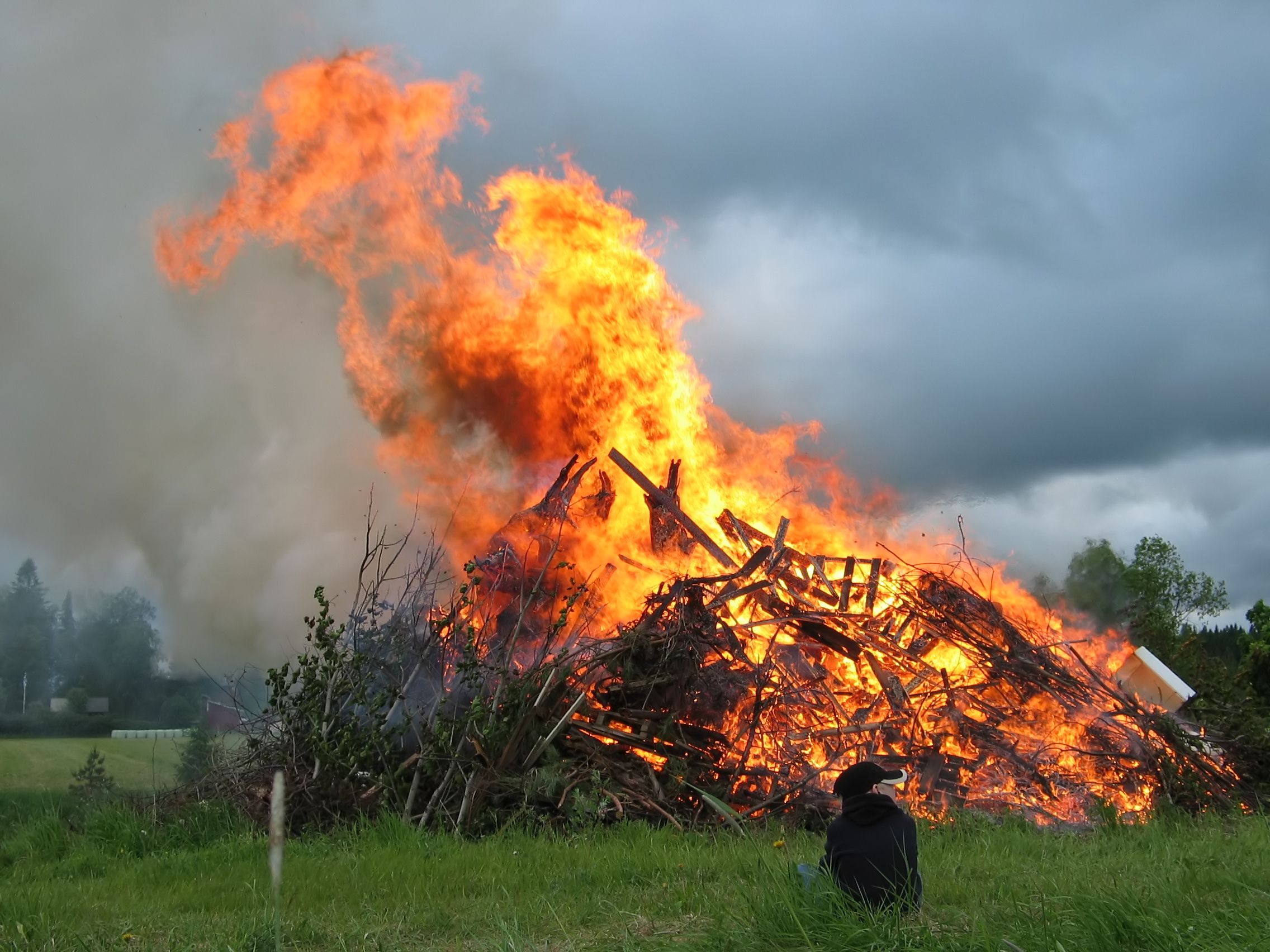
Wood that is burning in a brush pile has heat, and produces ashes. What type of change is this?

a)

Physical

b)

Chemical

81.
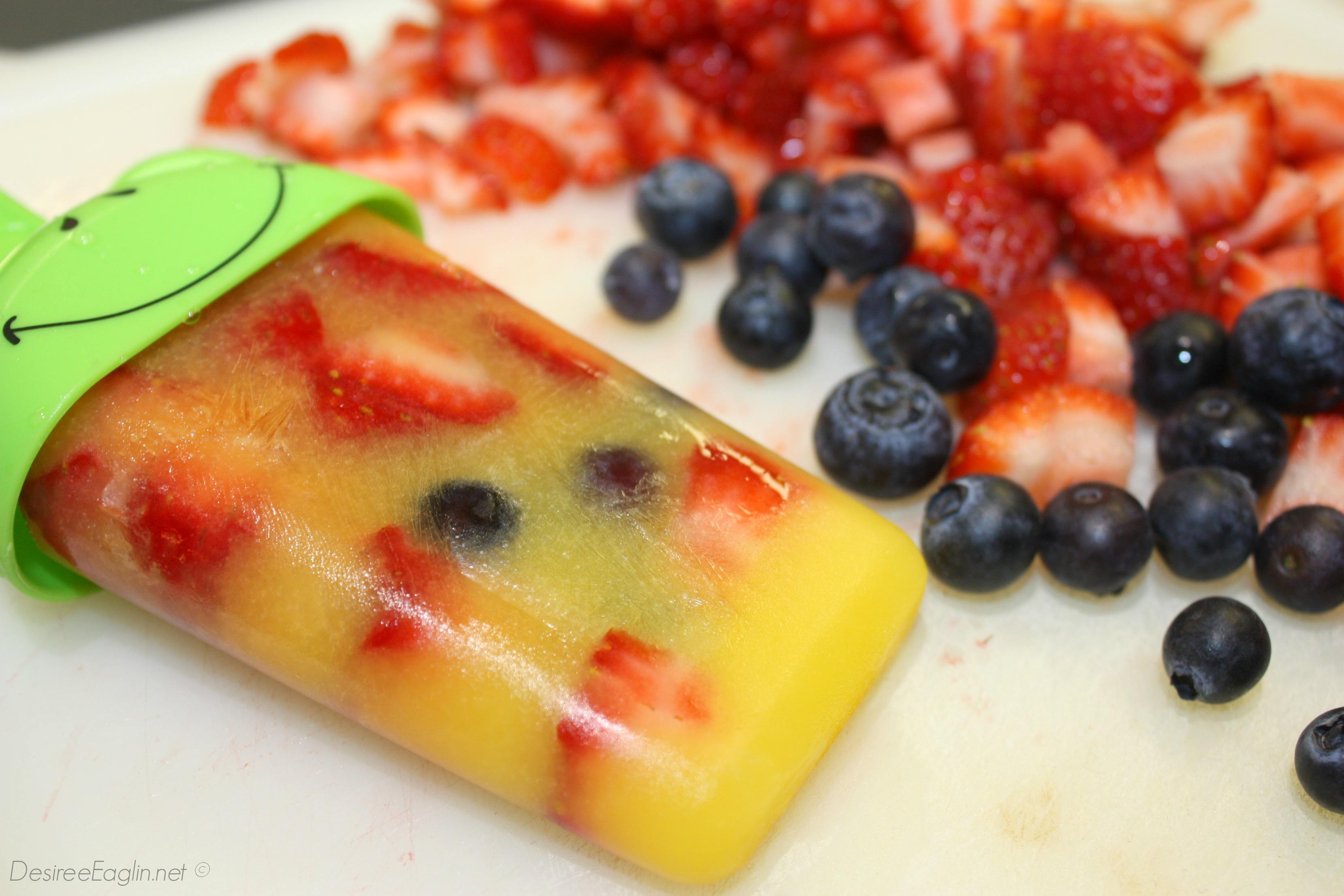
Is freezing juice a physical or chemical change?
a)
Physical Change
b)
Chemical Change
82.
Which is NOT a physical change?
a)
Cutting a pizza into equal slices.
b)
Ice cubes melting back into liquid. water
c)
Baking cupcakes.
d)
A chocolate bar melting.
83.

What does the volume of liquid measure in this cylinder?

a)

150 mL

b)

10 m

c)

15 mL

d)

25 mL

84.

What is the base unit of metric length?

a)

Meter

b)

Liter 

c)

Kilogram

d)

milligram

85.
Which is a halogen?
a)
Helium
b)
Chlorine
c)
Oxygen
d)
Neptune
86.
Which is an alkali metal?
a)
Magnesium
b)
Iron
c)
Sodium
d)
Europium
87.
If an atom had the same properties as fluorine (F), it would probably be located in
a)
period 1.
b)
period 2.
c)
group 2.
d)
group 17.
88.
Atoms with similar properties are most likely located...
a)
in the same period.
b)
in the same group.
c)
in different periods.
d)
to the right and left of each other.
89.
Each element is unique based on its number of protons, also known as the...
a)
atomic mass
b)
valence number
c)
atomic symbol
d)
atomic number
90.
The atomic number of this pictured element is
a)
28
b)
58.6934
c)
Ni
d)
Nickel
91.
A proton is....
a)
A negatively charged subatomic particle
b)
A positively charged subatomic particle
c)
A neutrally charged subatomic particle
d)
The only subatomic particle located in the nucleus
92.
A neutron has a charge of
a)
+2
b)
No charge
c)
-1
d)
+1
93.
Which elements have the most similar chemical properties?
a)
K and Na
b)
K and Ca
c)
K and Cl
d)
K and S
94.

How many rows/periods are on the periodic table?

a)

4

b)

5

c)

6

d)

7

95.

How many groups/families are on the periodic table?

a)

15

b)

16

c)

17

d)

18

96.
What will weigh more when a chemical change is complete?  The reactants before the chemical reaction, or the product after the reaction is complete?
a)
They both will weigh the same
b)
The product always weighs more than the reactant
c)
The reactant will weigh more than the product
d)
They both will loose mass after the reaction
97.
What is the Law of Conservation of mass?
a)
Mass is created in a chemical reaction
b)
Mass is created in a physical change
c)
New chemicals formed from a chemical reaction have a larger overall mass than the original reactants
d)
Mass is never created or destroyed
98.

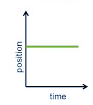
Describe the motion of the object in the graph.

a)

Moving with constant speed

b)

Speeding up

c)

Not moving

99.

What is the definition of a force?

a)

Net force equal 0N and there is no change in the object's motion

b)

the overall force acting on an object after all forces are combined

c)

a push or a pull that acts on an object

d)

The force does not equal 0N, the object accelerates

100.

How will this object move?

a)

It won't move.

b)

It will accelerate to the right.

c)

It will accelerate to the left.

d)

It will accelerate in both directions.

101.

Which of the following position vs. time graphs shows an object that is moving with a constant positive velocity?

a)

A

b)

B

c)

C

d)

D

102.

Which of the following position vs. time graphs shows an object increasing its speed?

a)

A

b)

B

c)

C

d)

D

103.

Which of Newton's laws is shown?

a)

1st law

b)

3rd law

c)

2nd law

104.

What force slows objects down and keeps them from moving?

a)

Acceleration

b)

Gravity

c)

Friction

d)

Net Force

105.

Which one of Newton's laws are displayed?

a)

2nd law

b)

1st law

c)

3rd law

106.

Warm air rises and the cool air sinks demonstrates this type of heat transfer.

a)

conduction

b)

convection

c)

radiation

d)

Insolation 

107.

The sun warming your skin is an example of heat transfer through ________.

a)

conduction

b)

convection

c)

radiation

d)

thermal electricity

108.

Radiation is a method of thermal energy transfer that moves _________.

a)

through empty space.

b)

when objects touch.

c)

only through solids.

d)

in the motion of fluids.

109.

Out of the materials listed below, what type of material makes the best insulators?

a)

Aluminum

b)

Copper

c)

Styrofoam

d)

Metal

110.
The heat from a hot burner to a pot is transferred by ______.
a)
convection
b)
insulation
c)
radiation
d)
conduction
111.
Which best describes a simple series circuit?
a)
Electricity flows along one pathway.
b)
The flow of electricity comes from the switch.
c)
Electricity flows along many pathways.
d)
The flow of electricity comes from the light bulb.
112.
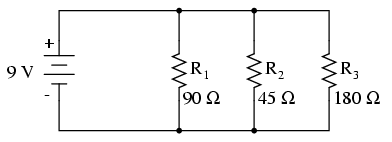
What kind of circuit is this?
a)
series
b)
parallel
113.
What particle has a negative charge?
a)
Protons
b)
Neutrons
c)
Atoms
d)
Electrons
114.
This is an example of a ______ circuit
a)
Series
b)
Parallel
c)
Open
d)
Dihexihedral
115.
What type of circuit is used in your house?
a)
Light Circuits
b)
The best circuits
c)
Series Circuits
d)
Parallel Circuits