
 Worksheets
12 SACE Homeostasis
Total questions: 107
Worksheet time: 39mins
Which of the following is regulated using positive feedback?
Thermoregulation
Blood Pressure
Lactation
Blood Sugar Levels
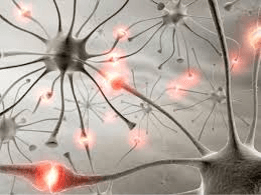
a body system that controls and coordinates all body activities through electric impulses/messages between brain, spinal cord and nerves.
endocrine system
nervous system
respiratory system
circulatory system
Negative Feedback Loops:
amplify processes
prevent small changes from getting larger
do not occur in nature
are found only in plants
A change which initiates a homeostatic response is the ...
response
effector
control center
stimulus
What detects that the system is outside of acceptable tolerance levels and determines which adjustments need to be made?
effector
response
control center
stimulus
Identify the stimulus event.
Scenario: A person begins to exercise which causes their body temperature to increase. The temperature change is noticed and the person begins to sweat and their body temperature decreases.
body temperature increases
person begins to sweat
temperature change is noticed
person begins to exercise
Which part of the feedback loop and body is responsible for sensing the temperature change?
Scenario: A person begins to exercise which causes their body temperature to increase. The temperature change is noticed (sensed) and the person begins to sweat and their body temperature decreases.
control center - sweat glands
receptor - sweat
control center - hypothalamus (part of the brain)
receptor - brain and skin receptors
Identify the response.
Scenario: A person begins to exercise which causes their body temperature to increase. The temperature change is noticed (sensed) and the person begins to sweat and their body temperature decreases.
the person begins to sweat
the person begins to exercise
change in temperature
body temperature increases
This happens due to involuntary contractions of voluntary muscles to warm up
Shivering
Sweating
Vasodilation
Vasoconstriction
What part of the negative feedback loop is what happens inside of the organism, as the result of the effector?
Initiation event
Response
Receptor
Effector
When you are cold, you shiver and your blood vessels contract, which warms you up. When you are hot, you sweat and your blood vessels expand, which cools you down.
False
True
The specific term for maintaining internal temperature is:
Thermoregulation
Thermometer
Homeothermal
Homeostasis
Homeostasis in the human body is most often maintained by a:
neutral feedback loop
solar feedback loop
positive feedback loop
negative feedback loop
When blood sugar level is low, which hormone is secreted by the pancreatic Islets of Langerhans?
Beta cells secrete insulin
Beta cells secrete glucagon
Alpha cells secrete insulin
Alpha cells secrete glucagon
During vigorous activity, concentration of carbon dioxide increases in the blood. Carbon dioxide dissolves in blood plasma to form
hydrogen ion
carbonic anhydrase
bicarbonate ion
carbonic acid
After a nerve impulse is sent to the respiration control centre and cardiovascular centre, nerve impulses are sent to the following targets EXCEPT
cardiac muscle
skeletal muscle
diaphragm
intercostal muscle
Which hormone controls blood osmotic pressure?
TSH
adrenaline
ADH
TRH
When the body temperature drops below normal ranges, arterioles in the skin will
dilate to allow less blood to flow to skin surface
constrict to allow less blood to flow to skin surface
dilate to allow more blood to flow to skin surface
constrict to allow more blood to flow to skin surface
What is the name of the receptor that detects the rise and fall of blood salt concentration?
Thermoreceptor
Osmoreceptor
Baroreceptor
Chemoreceptor
This is the term used to describe the normal range of a variable in an organism
control center
effector
stimulus
set point
When blood glucose is high, the negative feedback mechanism is to produce which hormone?
Glucagon
Glycogen
Insulin
Glucose
The rate of metabolism in body cells is controlled by hormones called thyroid-stimulating hormone (TSH) and thyroxine (T4). Which best describes the negative feedback loop of these hormones?
The concentration of T4 in the blood is low, the pituitary gland decreases the production of TSH.
The concentration of T4 in the blood is low, the pituitary gland increases the production of TSH.
The concentration of T4 in the blood is high, the pituitary gland increases the production of TSH.
The concentration of T4 in the blood is high, the pituitary gland does not raise or lower the production of TSH.
What is the role of Neurotransmitters?
Chemical signals that pass nerve signals on to the next neuron
Electrical signals that pass nerve signals on to the next neuron
Hormone signals that pass nerve signals on to the next neuron
Receptors that pass nerve signals on to the next neuron
What is the role of reflexes ?
automatically adjusting to changes in environment
Reducing and avoiding damage to tissues
Maintaining posture and balance
escaping predators
All of the above
Antidiuretic hormone (ADH) is a hormone in the body that is involved with the regulation of Osmolarity. Which part of the body does it effect?
Pituitary gland
nephron tubules
glomerulus
Alpha cells of the pancreas
At extreme temperatures, many enzymes...
speed up reactions
slow down reactions
stop working properly
all of the above
Glucagon causes muscles and the liver to release _____ back into the bloodstream
glucose
glucagon
glycogen
insulin
Which of the following correctly pairs the hormone and the response that it causes
Glucagon - makes body cells take in glucose
Insulin - makes body cells take in glucose
Pancreas - makes liver release stored glucagon
Liver - makes pancreas take in stored insulin

This graph shows an example of...
Blood sugar regulation
Homeostasis
Negative feedback
Positive feedback
Where is the thyroid gland?
Below Adam's apple in neck
Scrotum
Brain
Chest
Where is insulin produced
Liver
Heart
Pancreas
Pineal gland
Which gland(s) is sometimes referred to as the master gland?
Adrenal
Pituitary
Hypothalamus
Salivary
The hormones insulin, glucagon, thyroxin and leptin can all affect energy storage in the body. Which hormone increases the rate of energy release and use?
Insulin
Glucagon
Thyroxin
Leptin
After 8 hours of sleep and before eating, which hormone will be secreted and what cells secrete it?
Insulin-alpha cells
Glucagon- alpha cells
Insulin-Beta cells
Glucagon- Beta cells

What term refers to the alternative inhaling and exhaling movements of the lungs.
digestion
oxidation
respiration
relaxation
Which of the following correctly describes how positive and negative feedback are different?
Negative feedback requires the detection of stimuli, while positive feedback functions independently of stimuli.
Positive feedback moves a system closer to its set point, while negative feedback moves a system further from its set point.
Positive feedback occurs only in response to stimuli, while negative feedback can occur in the absence of stimuli.
Negative feedback reverses changes in a system, while positive feedback amplifies changes in a system.
Thyroxin is a hormone that increases metabolic activities within various tissue targets. Low levels of circulating thyroxin trigger the secretion of thyroid-stimulating hormone (TSH) from the anterior pituitary. TSH secretion then stimulates thyroxin production and release by the thyroid gland. The increased level of circulating thyroxin inhibits further secretion of TSH from the anterior pituitary.
Based on the information provided, which of the following can most likely be concluded about the TSH-thyroxin loop?
A person taking thyroxin to supplement low thyroxin secretion will produce more TSH.
Increased thyroxin production would cause elevated ribosomal activity in the anterior pituitary.
The structure of the loop would lead to elevated thyroid and tissue activity due to positive feedback.
The feedback mechanism would maintain relatively constant levels of thyroxin throughout tissue targets.
Which part of the feedback loop is a body part that makes a change to bring the system back to homeostasis?
Effector
control center
response
receptor
Antidiuretic hormone (ADH) is important in maintaining homeostasis in mammals. ADH is released from the hypothalamus in response to high tissue osmolarity. In response to ADH, the collecting duct and distal tubule in the kidney become more permeable to water, which increases water reabsorption into the capillaries. The amount of hormone released is controlled by a negative feedback loop.
Based on the model presented, which of the following statements expresses the proper relationship between osmolarity, ADH release, and urine production?
As tissue osmolarity rises, more ADH is released, causing less water to be excreted as urine.
As tissue osmolarity rises, less ADH is released, causing less water to be excreted as urine.
As tissue osmolarity rises, more ADH is released, causing more water to be excreted as urine.
As tissue osmolarity rises, less ADH is released, causing more water to be excreted as urine.

Excess of glucose will be stored in what form?
insulin
glycogen
glucagon
glucose
What are 'aquaporins'?
Specialised channels that allow water to be transported across a membrane
Specialised channels that allow ions to be transported across a membrane
Carbohydrates in the membrane that absorb water
The hydrophobic part of the phospholipid bilayer
Which of the following statements is TRUE regarding the regulation of blood glucose levels?
The hypothalamus monitors blood glucose levels
The beta (β) cells in the pancreatic islets of Langerhans monitor blood glucose levels
Abnormally high levels or concentrations of blood glucose is called hypoglycemia
Abnormally low levels or concentrations of blood glucose is called hyperglycemia
What effect does ADH have on the collecting ducts of the kidney nephrons?
SELECT BOTH CORRECT ANSWERS
Activates the insertion of aquaporins into the walls of the collecting duct
Activates the removal of aquaporins from the walls of the collecting duct
Makes the walls of the collecting duct MORE permeable to water
Makes the walls of the collecting duct LESS permeable to water
Osmoreceptors detect changes in blood water potential. Where are they found?
Hypothalamus
Pituitary gland
Medulla
Cerebellum

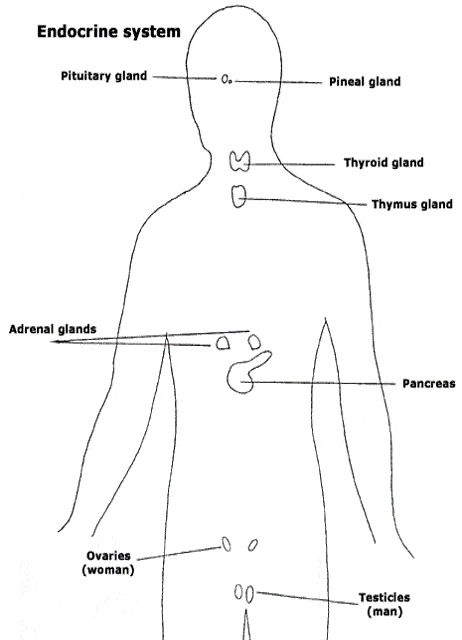
Which Gland is this?
pancreas
pituitary gland
thyroid
adrenal gland
INcreased production of ADH leads to:
Production of small amount of concentrated urine
Production of a large amount of concentrated urine
Production of a small amount of dilute urine
Production of a large amount of dilute urine

What type of neuron is illustrated in #3?
PNS
Interneuron
Sensory
Motor
Increased ADH production leads to:
LESS water being reabsorbed back into the blood at the collecting duct
MORE water being reabsorbed back into the blood at the collecting duct
What type of situation might trigger the fight-or-flight response?
persistent worrying
long-term stress
a threat from a predator
Insulin causes conversion of
glucose to glucagon
glucagon to glucose
glucose to glycogen
glycogen to glucose
Signs of the fight-or-flight response are triggered by which part of the autonomic nervous system?
Sympathetic nervous system
Parasympathetic nervous system
Both
What happens to the heart rate during the fight-or-flight response?
Increases
Remains the same
Decreases
What happens to the pupils of the eye during the fight-or-flight response?
They constrict to limit light entering the eye
They remain the same
They dilate to allow more light to enter the eye

All of the following are immediate effects of the fight or flight response EXCEPT
increased heart rate
increased breathing rate
Release of sugars from the liver into the bloodstream
Decreased blood pressure
What does insulin affect?
Stomach and intestines
Blood and heart
Liver, muscle and fat tissue
Lungs

The nerve cells in your body are called neurons. Which part of the neuron is most likely responsible for carrying signals between the dendrite and axon terminal?
soma
axon
Node of Ranvier
Schwann cell
Which one is NOT the effect of the release of adrenaline on the heart rate, glucose concentration and pupil
heart rate increased
glucose concentration increased
glucose concentration decreased
pupil dilates
How do hormones travel
In neurones
In nerve cells
In our blood
Through our skin

Which Organ is this?
Pancreas
Stomach
Thyroid
Liver

Identify this gland.
Adrenal
Thyroid
Pancreas
Testes
What is the function of the pituitary gland?
It makes the hormone insulin that controls blood sugar levels and digestive enzymes.
It makes thyroid hormones, which control your metabolism.
It makes the fight or flight" hormone adrenaline.
It uses information it gets from your brain to "tell" other glands in your body what to do and produces many different important hormones.
Where in the brain is the hormone, ADH, stored and secreted from?
Hypothalamus
Medulla
Cerebellum
Pituitary gland
Adrenaline will do all of the following EXCEPT
increase heart rate
decrease urination
increase digestion
increase breathing rate
What is the function of the thyroid?
It makes the hormone insulin that controls blood sugar levels and digestive enzymes.
It makes thyroid hormones, which control your metabolism.
It makes the fight or flight" hormone adrenaline.
It uses information it gets from your brain to "tell" other glands in your body what to do and produces many different important hormones.
Which are faster?
Hormones (Chemical Secretions)
Nerve Impulses (Electrical Signals)
When chemoreceptors detect a slight decrease in pH, this means that _______________ concentrations have increased, and the breathing rate must ________________ .
Carbon dioxide; increase.
Carbon dioxide; decrease.
Oxygen; increase.
Oxygen; decrease.
The long, fiber like part of a neuron down which the cell sends information to receiving neurons
axon
dendrite
axon terminal
synapse
What is the function of the pancreas?
It makes the hormone insulin that controls blood sugar levels and digestive enzymes.
It makes thyroid hormones, which control your metabolism.
It makes the fight or flight" hormone adrenaline.
It uses information it gets from your brain to "tell" other glands in your body what to do and produces many different important hormones.
What type of neuron is illustrated in #2?
Central
Inter
Sensory
Motor
Where in the brain is the hormone, ADH, produced.
Hypothalamus
Medulla
Cerebellum
Pituitary gland
What type of neuron is illustrated in #5?
Parasympathetic
Integrating
Sensory
Motor
what are the 2 parts of the nervous system
brain and heart
spinal cord and heart
brain and spinal cord
heart and liver
Which of these are the correct pathway for the reflex arc?
Stimulus-receptor-effector-coordinator-response
Stimulus-receptor-coordinator-effector-response
Stimulus-effector-coordinator-receptor-response
Stimulus-receptor-coordinator-response-effector

Which is the following is represented by the letter B?
Cell body
Dendrite
Nucleus
Axon
What is the function of the adrenal gland?
It makes the hormone insulin that controls blood sugar levels and digestive enzymes.
It makes thyroid hormones, which control your metabolism.
It makes the fight or flight" hormone adrenaline.
It uses information it gets from your brain to "tell" other glands in your body what to do and produces many different important hormones.
Which is the following is represented by the letter A?
Cell body
Dendrite
Nucleus
Axon

Why does your body need oxygen?
to produce energy
to expel carbon dioxide
to supply the food with oxygen
to fill the lungs with oxygen
A blood pH of more than 7.45 is considered:
Acidic
Alkaline
Regulates hormonal output of the pituitary gland.
Medulla Oblongata
Pons
Thalamus
Hypothalamus
Part of the brain that controls respiration and heart beat is
Cerebrum
Cerebellum
Hypothalamus
Medulla
Centre for regulating body temperature is
Pons
Cerebellum
Medulla
Hypothalamus


A receptor located in the aortic artery (aorta) is sensitive to changes in blood "oxygen" levels. It uses cranial nerves to regulate breathing
central chemoreceptors
peripheral chemoreceptors
mechanoreceptors
respiratory mechanics

Sensory cells in the brain that monitor the changes in pH of the cerebrospinal fluid (acid or base). A decrease in pH (more acidic) indicated high levels of CO2 in the body. It then send impulses through cranial nerves telling the body to inhale.
inspiration receptors
exhalation modules
central chemoreceptors
respiratory receptors
In the stimulus-response model, the _____________ determine(s) what the body needs to do to maintain homeostasis.
Control Centre
Receptors
Effectors
Stimulus
Response

