
Font size
 Worksheets
Ocean waves, tides
Total questions: 62
Worksheet time: 57mins

Approximately how many hours will pass between high tide and the following low tide? (Think about the rotation of the Earth between high tides.)
6 hours
12 hours
18 hours
24 hours
Wave time =?
wave speed
wave period
wavelength
none of the above


Which wave in the diagram has the greatest wavelength?
1
2
3
4
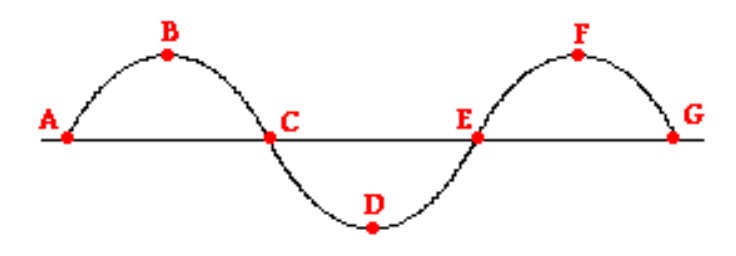

A tsunami is caused by underwater
Fish
Explosions
Earthquakes
Exploration
What does Tsunami mean?
Big wave
Harbour wave
Earthquake wave
Wave goodbye
As the waves travel through shallow water need land they get
bigger
smaller
stay the same
What are tsunamis commonly known as
Large waves
tidal waves
super waves
crash waves
The top of the tsunami is called a
high
peak
crest
ceiling
The bottom of a tsunami is called a
trough
floor
hole
cellar
What should you do if you think a tsunami is coming?
Go to higher ground
Go to the beach
Find a boat
Hide in your house
Before a tsunami the coastal sea depth normally
Rises suddenly
falls suddenly
gets really hot
fills with fish
The Indonesian tsunami was so big it affected how many countries.
4
14
24
34
How big are tsunami waves
10 feet
100 feet
1000 feet
1000 000 feet
1. What is a tsunami?
a. A large storm with very high speed winds
b. A tropical cyclone that occurs in the Pacific Ocean
c. A large and powerful ocean wave
d. A type of tornado
e. Any earthquake that causes significant damage
a
b
c
d
e
2. What natural event can cause a tsunami?
a. Earthquake
b. Volcanic eruption
c. Landslide
d. A glacier breaking off into the ocean
e. All of the above
a
b
c
d
e
3. How far can a tsunami travel?
a. Less than 1 mile
b. 10 miles
c. 100 miles
d. 500 miles
e. Over 1000 miles
a
b
c
d
e
5. Where do most of the Tsunamis in the world occur?
a. Great Lakes
b. Atlantic Ocean
c. Pacific Ocean
d. Arctic Ocean
e. Southern Ocean
a
b
c
d
e
6. Tsunamis are caused by ___________.
a. Wind traveling over the surface of the ocean
b. The rotation of the Earth
c. The gravitational pull of the Moon
d. A large displacement of water
e. All of the above
a
b
c
d
e
True or False: Although tsunamis are sometimes called tidal waves, they have nothing to do with the ocean's tides.
a. TRUE
b. FALSE
a
b
8. Most tsunamis are caused by what natural event?
a. Earthquake
b. Volcanic eruption
c. Landslide
d. A glacier breaking off into the ocean
e. Hurricane
a
b
c
d
e
9. What do we call a series of waves generated by a tsunami?
a. Tides
b. Wave train
c. Wave town
d. Wave farm
e. Sets
a
b
c
d
e
The top of the tsunami is called a
high
peak
crest
ceiling
A ____________ is a crack in the Earth's surface.
Tsunami
fault
epicenter
seismologist
An ____________ is the location on the Earth's surface above where the earthquake began.
fault
epicenter
tsunami
volcano
___________________ is the name of a series of waves that is so powerful it can destroy a city.
Thunder Storm
earthquake
volcano
Tsunami
Most Tsunamis are caused by ___________________.
earthquakes
floods
volcanoes
rain

REVIEW: What are the puzzle pieces of the Earth's surface called?
Tectonic plates
Puzzles
Earthquakes

Check off the three causes of tsunamis:
earthquake
thunderstorm
volcanic eruption
submarine landslide
tornado
When a tsunami reaches shore what happens to its speed?
it stays the same
it moves faster
it moves slower
Tsunamis move very slow, typically around 10 miles per hour.
True
False
Tsunamis can occur in any major body of water.
True
False
If you were on a boat in the open ocean, why might it be difficult to detect a tsunami?
Gravity flattens out the enormous waves caused by undersea earthquakes
Tsunamis are caused by the natural cycle of tides
Tsunamis occur in seas & lakes, not oceans
Boats usually float on large waves
How do tsunami waves compare to regular ocean waves?
They're generally much flatter.
They're generally much wider.
They extended deeper underneath the water's surface.
They contain much more debris.
How are tsunami waves like electromagnetic waves?
They are caused primarily by earthquakes.
They can usually only travel through water.
They can travel long distance & carry lots of energy.
They travel along at exactly the speed of soun.d
Tsunamis can be detected ahead of time by devices that measure:
The height of the ocean wves
The destructiveness of natural disasters
Underwater energy
Seismic activity
Which of the following is an opinion about tsunamis?
The 2004 tsunami caused millions of dollars in damage.
The 2004 tsunami was the worst natural disaster of this century.
The 2004 tsunami was caused by a very large earthquake.
The 2004 tsunami destroyed several coastal areas on the Indian Ocean.

