
 Worksheets
Ms. Clark's BIO Ecology EOC Review
Total questions: 40
Worksheet time: 40mins
What converts nitrogen gas into a usable form for plants and animals?
bacteria
rain
fungi
car exhaust
Consider the following food chain:
Algae > Mayfly > Minnow > Trout
In a polluted ecosystem, which organism would likely have the HIGHEST level of toxic chemicals in its body?
Algae
Mayfly
Minnow
Trout
The hermit crab carrying the sea anemone on its back.
mutualism
commensalism
parasitism
What is the cause of coral bleaching.
Space Heaters
Pollution
Hot air
Global Warming

What causes a population size to decrease?
The number of births is greater than the number of deaths.
The number of deaths is greater than the number of births.
The number of births and the number of deaths is equal.

In this food chain, what is the quaternary consumer?
Osprey
Freshwater Shrimp
Minnow
Perch
Pike

If the GRASS became diseased, which organisms would also be NEGATIVELY affected?
Rabbits only
Rabbits and snakes
Rabbits, snakes, and hawks
Rabbits and hawks (snakes benefit)


What would happen to the bird if the green fish died out?
The bird population would grow
The smaller fish will die out
The bird population will die out
Which of the following would NOT be an example of a density dependent limiting factor?
fire
disease
lack of food
space
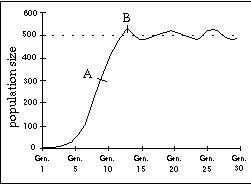
What is the carrying capacity of the graph?
around 500
more than 800
less than 300
around 700
Which of the following is a density-dependent factor?
Disease
Weather
Volcanoes
Earthquakes

Habitats can be preserved by...
Reducing recycling
Building more roads
Reducing pollution, developing conservation parks
Introducing invasive species
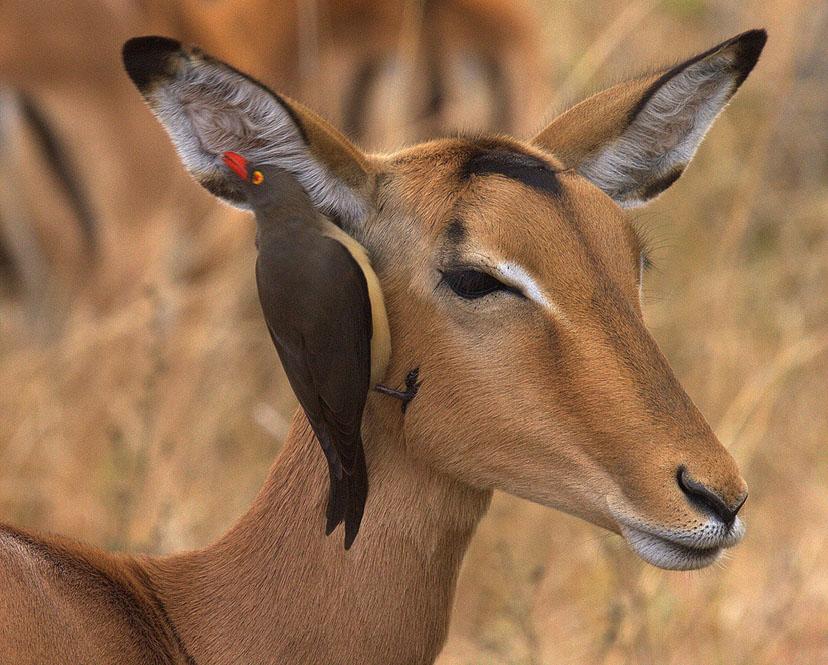
Some small fish attach themselves to the body of a shark without harming it and feed upon its left over food. This relationship between the shark and the fish is an example of
commensalism
mutualism
competition
parasitism

What happens to most of the energy that is not passed on to each trophic level?
The energy is lost as air
The energy is lost as heat
the energy is lost as light
The energy is lost as sunlight

To have less nitrate in this cycle you would have to have _________________________
more nitrobacter
more nitrosomonas
More plants
fewer plants
Ants offer protection for the aphids who (have no protective features of their own) would otherwise would be food for all sorts of organisms. The aphids “repay” the ants by providing honeydew (a liquid they secrete) for the ants to use as food.
symbiosis
parasitism
mutualism
commensalism

Which of the following is a consequence of global warming? (Choose all that apply)
Seas rising (flooding)
Loss of habitat for animals.
More severe storms and weather.
Increased forest fires and drought.
What determines the type of symbiotic relationship organisms have?
What kind of climate is present where they live.
How much food is available to them.
How many offspring they can have.
What kind of effect they have on each other.

Invasive species. . . .
Check all that are true.
take over the habitat of other organisms.
increases the populations of native organisms.
decrease biodiversity.
increase biodiversity.
cause the populations of native organisms to decrease.

Kudzu has overgrown many parts of South Carolina and native ground plants have disappeared from the area. This is an example of ---
Parasitism between kudzu and the native plants.
A predator prey relationship between ground plants and kudzu.
Competition occurring between the native and invasive species.
Commesalism occurring between the kudzu and native plants.
What do invasive species do to the habitat they move into?
crowd out local plants and animals
eat all the mice and deer
create a food chain
This may cause a population to increase
increase of food supply
removal of predators
removal of disease
all of these
A scientist was studying a population of fish in a pond over a period of 10 years. He observed that the population increased each year for 3 years, and then remained nearly constant for the rest of the study. The best explanation for this observation is that the population had
stopped reproducing
reached carrying capacity
mutated into a different species
run out of food and all died
What type of organism uses sunlight to produce food?
autotroph
heterotroph
consumer
predator
The largest threat to biodiversity is
bacteria
fungi
humans
plants

