Font size
 Worksheets
Plants
Total questions: 76
Worksheet time: 1hrs 11mins
What are the 3 reactants of photosynthesis? The reactants are the things needed for photosynthesis to occur.
oxygen, glucose, sunlight
sunlight, oxygen, water
water, oxygen, carbon dioxide
carbon dioxide, sunlight, water

What pigment captures/absorbs sunlight?
stomata
chlorophyll
chloroplast
phloem

What is the tiny openings that let in the carbon dioxide needed for photosynthesis?
stomata
xylem
phloem
chloroplast

How does water travel from the roots to the plan leaf? Name the structure that carries water.
stomata
phloem
chloroplast
xylem
What are the 2 products of photosynthesis? The products are the things made in the process of photosynthesis.
water, sunlight
glucose, carbon dioxide
oxygen, glucose
sunlight, oxygen
What is the main purpose of photosynthesis?
To make food
To create energy
To release oxygen
To absorb sunlight

Which product is "waste" and mostly released by the producer (plant)?
oxygen
carbon dioxide
sugar
glucose
How does oxygen get released by the producer (plant)? Name the structure in the leaf.
stomata
xylem
phloem
chloroplast
How does glucose travel in a producer (plant)? Name the structure.
xylem
phloem
stomata
chlorophyll
Which of the following are TRUE statements? (Select ALL that apply)
Photosynthesis takes place in the chloroplasts of leaf cells
Photosynthesis means "making food using sun"
Photosynthesis can occur in the dark
All plants, plant-like protists, and some bacteria go through photosynthesis


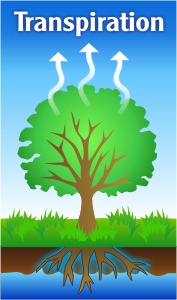

What do we call a period of suspended plant life brought on by changes in the environment?
Photosynthesis
Dormancy
Pollination
Growth
In which part of the plant is pollen transferred for pollination?
Stamen
Petal
Sepal
Stigma

True or False: This plant is dormant.
False
True
Where can you find chlorophyll in a plant cell?
In the nucleus
In the vacuole
In the chloroplast
In the cell wall
Fill in the blank: A ____________ is a plant that produces seeds that are not enclosed in a fruit.
Gymnosperm
Angiosperm
Mitochondria
What is the male reproductive structure of a flower?
Stigma
Pistil
Stamen
What is the female reproductive structure of a flower?
Stamen
Pistil
Anther
A period of inactivity before germination
stimulus
tropism
dormancy
photosynthesis
A plant's response to any stimulus
dormancy
tropism
hibernation
pollination
Water, light, ,earth, and touch are examples of
dormancy
tropisms
stimulus
hibernation

A tropism is...
a change in the environment
plant movement in response to a stimulus
something that causes a response
when photosynthesis takes place

What is the stimulus in this example?
Internal
Light
Touch
Temperature

A plant growing in response to a greenhouse light.
Geotropism
Phototropism
Thigmotropism
Hydrotropism
The movement of roots toward the ground or the movement of stems away from the ground
hydrotropism
geotropism
thigmotropism
phototropism
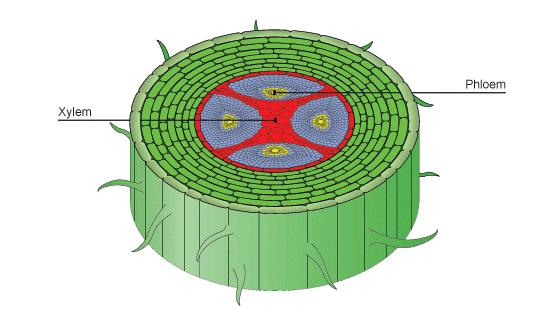
Specific type of plant tissue that transports water and minerals from the roots, through the stems, to leaves
vascular plant
nonvascular plant
xylem
phloem

Specific type of plant tissue that transports food (sugar) made in the leaves to the entire plant
vascular plant
nonvascular plant
xylem
phloem

Type of plant that is usually taller (longer) and has vascular tissue (xylem and phloem) that provides support
vascular plant
nonvascular plant
xylem
phloem
Examples of these plants include mosses, liverworts, and other plants with no xylem or phloem
dicot
vascular plant
monocot
nonvascular plant
This is what almost all non-flowering plants reproduce from (except cone bearing plants)
spores
seeds
monocots
dicot
What structure on a conifer or evergreen plant produces seeds?
a. Flowers b. Cones c. Spores d. Pine Needles
Flowers
Cones
Spores
Pine Needles
These plants must get nutrients directly from the environment and distribute it from cell to cell.
Vascular
Nonvascular
Seed Producing
Cone Bearing
Plants are classified into which two major groups?
Vertebrate and Invertebrate
Vascular and Nonvascular
Autotroph and Heterotroph
Carnivore and Herbivore
They must obtain nutrients directly from the environment and distribute it from cell to cell throughout the plant:
Vascular Plants
Non-Vascular Plants

Which of the following is not an example of a non-vascular plant?
Trees
Mosses
Liverworts
Hornworts
Which of the following are examples of vascular plants?


The reproductive cell of a vascular plant is called a:
Seed
Spore
Root
Petals
Seeds are located in the actual flower of some vascular plants, which of the following would be an example?
Pine Tree
Sunflower
Fir Tree
Spruce Tree


What type of plant reproduces with spores?
grasses and trees
weeds and vines
flowers and shrubs
ferns and mosses

What would happen to a plant that could carry out photosynthesis, but not respiration?
It wouldn't have food
It would have food, but couldn't use it to make energy
It would have too much water in its cells
It would be unable to capture the energy from sunlight

What does a plant do during respiration?
stores food
creates food
breaks down food to create energy
gets food from other organisms

Which would have the most direct effect if a plant could not control transpiration?
It would not get enough food
It couldn't transport sugars
It would not have enough water
it couldn't break down energy to get food

Which best describes the role of transpiration with stomata and guard cells?
produces food
maintains water
breaks down food into energy
captures energy from sunligh
Name 2 types of seed plants.
angiosperms and gymnosperms
mosses and liverworts
roses and mosses
liverworts and apple trees
What are the thin narrow leaves of a conifer called?
broad leaves
cones
needles
flat leaves
Plants with seeds in cones are called ___________.
angiosperms
gymnosperms
flowers
mosses
What is a gymnosperm?
A plant that produces seed without fruit.
A plant that produces fruit.
A plant that produces flowers.
A plant that has no roots.
A flower producing vascular plant in which the seed is enclosed in a fruit.
Conifer
Gymnosperm
Angiosperm
Fern
Angiosperms are easily classified because of the _____________that they produce.
cones and needles
spores and leaves
leaves and knowledge
flowers and fruits
Which of these is a gymnosperm?
tulip
apple tree
daffodil
pine tree
Mosses, liverworts, and hornworts are ___________ plants.
nonvascular
vascular
What is an evergreen?
stays green all year long
loses its leaves in the fall
is never green
can move around
________________ are nonflowering plants that use seeds to reproduce.
gymnosperms
angiosperms
roses
apple trees
Name three characteristics of angiosperms.
has seeds covered with fruit, produces flowers, flat or broad leaves
has cones, no flowers, needle-like leaves
no fruit, naked seeds, evergreen
flowers, cones, needle-like leaves
What is the female reproductive part of a flower called?
anther
pistil
sepal
What does the sepal do?
It is the protective covering of the flower bud.
It is the colored portion that attracts bees.
It produces pollen.
It produces the pistil.
What part of the flower produces eggs?
ovary
petal
anther
stamen
What is a gymnosperm?
A plant that produces seed without fruit.
A plant that produces fruit.
A plant that produces flowers.
A plant that has no roots.
A flower producing vascular plant in which the seed is enclosed in a fruit.
Conifer
Gymnosperm
Angiosperm
Fern

Describe one importance of an angiosperm.
What are the two types of root systems? (pg. 92-93)
How do angiosperms attract animals or insects to their flowers?
Describe one of the ways that a flowering plant can reproduce asexually? (pg. 116)
What is one key difference between gymnosperms and angiosperms?
Describe two ways humans can use flowers.