
 Worksheets
pure substances vs mixtures zachry
Total questions: 118
Worksheet time: 57mins

The particle diagram shown is a:
pure substance
mixture

The particle diagram shown is a:
pure substance
mixture

Which picture(s) represents a mixture between two elements?
A
B
C
A and C
Which picture(s) represents a mixture between an element and a compound?
A
B
D
B and D
Which picture represents a mixture that is 75% compound and 25% element?
A
B
C
D
True or False: Each part of a mixture keeps its properties when mixed.
True
False
Homogeneous mixture is
A mixture with a composition that varies from point to point
A mixture with a uniform composition and appears visually the same throughout
[check all that apply] Pure substances include:
Elements
Homogeneous Mixtures
Compounds
Heterogeneous Mixtures
An element is?
Chemically combined
Pure substances that can be broken down
Pure substances that cannot be broken down into simpler substances
One or more elements chemically combined.
[check all that apply] An compound is?
Chemically combined
Pure substances that can be broken down
Pure substances that cannot be broken down into simpler substances
One or more elements chemically combined.
[check all that apply] Mixtures are
chemically combined
composed of two or more types of matter that can be present in varying amounts
One or more elements chemically combined
can be separated by physical changes
Saltwater is
Mixture
Compound
Heterogeneous mixture is
A mixture with a composition that varies from point to point
A mixture with a uniform composition and appears visually the same throughout

Chicken noodle soup is
Homogeneous mixture
Heterogeneous mixture
In a mixture, which of the following is always true?
It is a liquid.
It contains dissolved solids.
It is composed of two or more pure substances.
It cannot be separated into individual components.

Air:
Pure Substance or Mixture?
Pure Substance
Mixture

Aluminum:
Pure Substance or Mixture?
Pure Substance
Mixture

Nail Polish:
Pure Substance or Mixture?
Pure Substance
Mixture

Diamond:
Pure Substance or Mixture?
Pure Substance
Mixture

Water:
Pure Substance or Mixture?
Pure Substance
Mixture

Dr. Pepper:
Pure Substance or Mixture?
Pure Substance
Mixture
A _____________ contains a variety of elements and compounds that are not chemically combined with each other.
compound
element
molecule
mixture
A __________________ is a substance that has definite physical and chemical properties such as appearance, melting point, and reactivity.
mixture
pure substance
compound
element
A _________________ mixture is one where the substances are evenly spread throughout.
heterogeneous
homogeneous
pure substance
A type of mixture that falls in between suspensions and solutions are called ______________.
solutions
colloids
suspensions
pure substances
A snow globe would be an example of a __________________.
colloid
solution
suspension
Milk and gelatin are examples of __________________.
suspensions
colloids
solutions
Tea and air are examples of ________________.
solutions
suspensions
colloids
Fruit Loops, pizza, and Skittles are examples of ____________________ mixtures.
heterogeneous
homogeneous
pure
Coffee, mouthwash, and vinegar are examples of __________________ mixtures.
heterogeneous
homogeneous
pure
Which of these is a compound?
Aluminium (Al)
Carbon Dioxide (CO2)
Nitrogen (N)
Sand

Identify the following substance.
Element
Compound
Mixture
Diatomic Molecule

Identify the following substance
Element
Compound
Mixture
Diatomic Molecule

What is the atomic mass of the element in the square?
6
Carbon
12
7

How many protons does an Aluminum atom have?
13
14
26
27

What is the chemical formula for this molecule?
NN
2N
N2
NO2

What is the chemical formula for this molecule?
OH
HO
HHO
H2O
Which is a diatomic element?
O2
O3
Cl
H2O
Select all the pure substances below (pick 3).
element
compound
molecule
mixture
Classify the substance: pizza.
element
compound
mixture
Select all the elements. (Pick 3.) H2O
H2O
Nitrogen
Oxygen
Cl2
NaCl
What is matter?
Anything that has mass and takes up space
Velocity divided by time
The amount of space an object takes up
The weight of an object
Which of the following would be considered a Homogeneous mixture?
Sweet Tea
Vegetable soup
Caesar salad
Mud
What is the definition of a mixture?
2+ different substances physically combined
2+ different elements chemically combined
matter with a uniform and definite composition
What is the definition of a pure substance?
2+ different substances physically combined
2+ different elements chemically combined
matter with a uniform and definite composition
Which of the following are examples of MIXTURES?
Select all that apply!
Chicken Noodle Soup
Oxygen Gas
Pure Gold
Air
Burrito Bowl from Chipotle
Which of the following are examples of ELEMENTS?
Select all that apply!
H2O
O2
Au
Fe
Trail Mix
Which of the following are examples of COMPOUNDS?
Select all that apply!
H2O
O2
Blood
Fe
C6H12O6
Which of the following are examples of HETEROGENEOUS MIXTURES?
Select all that apply!
H2O
Air
Pizza
Chicken Noodle Soup
Dirt
Where would you look to check if a substance is an Element?
The Periodic Table of Elements
A calculator
The graffiti on the bathroom walls
The center of a Tootsie Pop

Pure Substance
Mixture

Pure Substance
Mixture

Salt
Pure Substance
Mixture

Coffee
Pure Substance
Mixture
True or False: Mixtures can be separated by physical processes.
True
False
In which mixture can you see all of the parts?
homogeneous
heterogeneous


What is a mixture in which all the parts are EVENLY mixed?
energy
beaker
solution
salad

Which of the following is a solution?
geletin with blueberries
granola
juice
salad

Which of the following is a solution?
lemonade
trail mix
legos
iron filings and sand
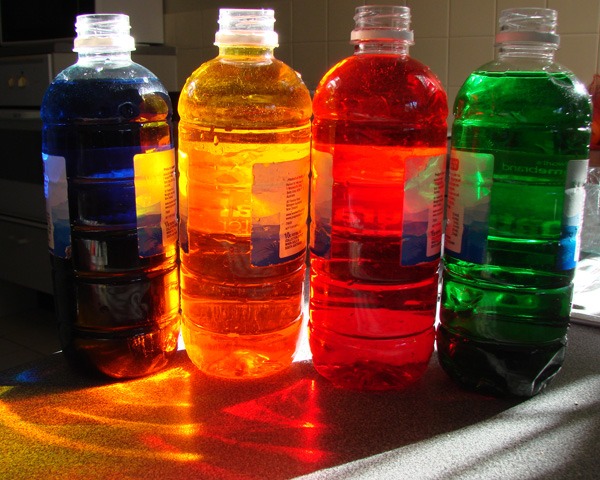
What is the definition of a solvent?
The substance that is dissolved.
The substance in which the solute is dissolved.
Unable to be dissolved.

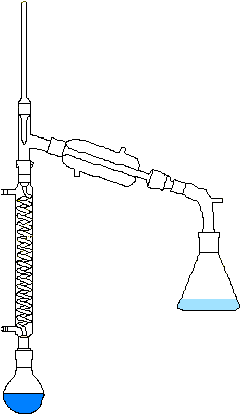
Lauren wants to separate salt from water. What separation technique should she use?
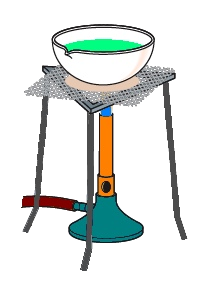
Evaporation
Filtration
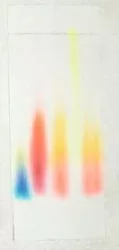
Chromatography

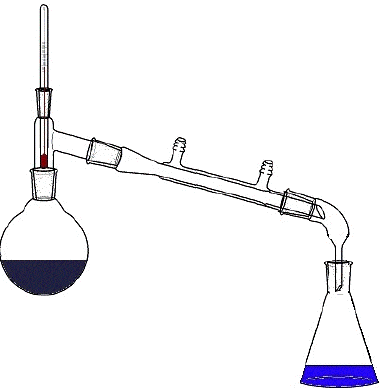
Matt wants to separate soda from water. What technique should he use?
Evaporation
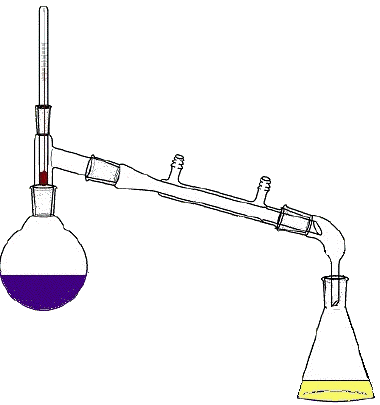
Simple Distillation
Filtration
In which mixture can you see all of the parts?
homogeneous
heterogeneous
In which mixture can you not see all of the parts?
homogeneous
heterogeneous
What is helium?
compound
element
mixture
What is acid rain?
compound
element
mixture
Which of these is an element?
Salt (NaCl)
Water (H20)
Oxygen (O)
Carbon Dioxide (CO2)
Which of these is a compound?
Aluminium (Al)
Carbon Dioxide (CO2)
Nitrogen (N)
Sand
Which of these is a compound?
Aluminium (Al)
Carbon Dioxide (CO2)
Nitrogen (N)
Sand
Which of these is a mixture?
Laundry Detergent
Salt (NaCl)
Oxygen (O)
Fluorine (Fl)
Air is:
An element
A compound
A mixture
None of these
Which of the following is classified as a pure substance?
Lemonade
Fruit punch
ketchup
Helium
___________ are the smallest unit of an element that maintains the properties of that element.
Atoms
Elements
Compounds
Mixtures
An _______________ is made up of one or more of the same kind of atom chemically combined.
atom
element
molecule
compound
True or False: elements AND compounds are pure substances.
True
False
A ______________ is made up of different kinds of atoms chemically combined.
element
compound
mixture
molecule
_______________ are mixtures in which its particles are too big to stay mixed without being stirred or shaken.
Solutions
Colloids
Suspensions
Milk and gelatin are examples of __________________.
suspensions
colloids
solutions
A snow globe would be an example of a __________________.
colloid
solution
suspension
Tea and air are examples of ________________.
solutions
suspensions
colloids
Which of these is an element?
Salt (NaCl)
Water (H20)
Oxygen (O)
Carbon Dioxide (CO2)

What is this?
Atoms of an element
Mixture
Compound
Molecules

What are these?
Molecules of compounds
Elements
An atom
Mixture

This is
a compound.
an element.
an atom.
a mixture.
Which classification of matter is composed of two or more substances which are physically combined?
atoms
pure substances
mixtures
elements
Which of the following is INCORRECT about pure substances?
formed by combining two or more components
have definite composition
all elements are pure substances
composed of only one kind of material
Pancake batter
pure substance
mixture
Which of the following is NOT a mixture?
milk
lemonade
vegetable salad
aluminum
Rainwater
Homogeneous
Heterogeneous
Which of the following examples are heterogeneous mixtures?
soda and carbonated drinks
air and sweat
blood and concrete mix
coffee drink and lemonade
define Evaporation
The process of conversion of water into water vapor is called evaporation.
The process of conversion of water vapor into its liquid form is called evaporation
the amount of matter in an object.
mass
mixture
physical property
solubility

