
 Worksheets
zoology vetmed intro chapter 1
Total questions: 106
Worksheet time: 4hrs 40mins
is an organized body of knowledge that is gained and verified by exact
observation and experimentation and organized by logical thinking.
(a)
deal with human relationships.
(a)
deal with the abstract ideas and their applications.
(a)
deal with facts in nature.
(a)
deal with the non-living things.
(a)
deal with the living things.
(a)
natural sciences is subdivided into two,, what are those?
(a)
The Steps of the Scientific Method,, list them down,, use a comma to separate them.
(a)
This is usually the first step in a scientific inquiry, which must
be done in an accurate and objective manner without bias or influencing the
results. Likewise, honestly and fairness in collecting data is necessary.
Observation must be repeatable.
(a)
is the next step based from the
observations made. Like good observation, good questioning is necessary
and these questions must be testable and specific.
(a)
Once proper questions have been asked, the third step of the
scientific method involves postulating a -------. --------------- is an
educated guess, a speculation or assumption that is tentative explanation of
the problem.
(a)
to test the validity of
hypothesis by comparing the actual results under controlled conditions.
(a)
The results of any experiment represent
evidence. Experimental evidence is the basis for the final step in scientific
procedure,
(a)
the science which deals with
animal life.
(a)
Greek word “morphe” means form, the study of animal
structure and form.
(a)
deals with gross structures as seen with the naked eye.
(a)
deals with fine (microscopic) structures of the tissues with the
cells and their intercellular materials.
(a)
deals with the detailed structure of individual cells.
(a)
the study of the functions of the living animal.
(a)
the study of the systematic arrangement of animals and their
classification into logical groups.
“taxis” – arrangement; “nomos” - law
(a)
the study of development of organisms from its beginning until
it reaches a form recognizable as the adult type.
(a)
the study of relations of animals to their environments.
(a)
the study of how living organisms developed and/or inherited
adaptive changes in the present and the cause of such changes in the past. It
extends back into the possible origin of living things.
(a)
the study of heredity which seeks to find the explanations for
similarities and differences between parents and their offsprings.
(a)
the study of life as it existed in the past as based on fossil
remains of prehistoric animals although certain other evidences are used.
(a)
He was the first zoologist of record and
one of the
greatest; known as the Father of
Zoology.
(a)
They made the first compound
microscope.
(a)
the Father of Microscopy.
anton van leewuenhuk
anton van leeuwenhoek
He is known as the Father of
Medicine.
hippocrates
hipocrattes
explains that there is a mysterious force which is
responsible for the existence of life.
(a)
explains that life originated from physical and
chemical reactions and recombination that occurred in the early times.
(a)
state the number only (round of events) ,, Formation of first simple molecules from the free atoms or
elements like H2O, CH4, NH3.
(a)
no. only ,, Formation of first simple organic compounds from the
recombination of the first simple molecules.
(a)
Formation of the first complex organic molecules from the
recombination of the first simple organic compounds. (no. only)
(a)
Nucleoprotein Evolution (no. only)
(a)
Nucleoprotein + Organic shells (no. only)
(a)
Development of photosynthesis, aerobic and anaerobic respiration
Protroviruses, early cells → chlorophyll, fermentation → CO2 +
H2O→ sugar + O2 (no. only)
(a)
Oxygen Revolution
O2 + methane → CO2
O2 + ammonia → N2
O2 + oxygen →O3
O2 + metals → ores, rocks
O2 + organism → aerobic respiration
(no. only)
(a)
– it is defined as the total of those phenomena exhibited by a living
organism.
(a)
He made a chance observation on a thin slice of cork
where he observed many compartments marked by walls and he called these tiny
holes, “cells”, from a Latin word which means “small rooms”.
(a)
It states that all living beings – animals and plants, or protozoans - are
composed of cells and cell products.
(a)

The 3 parts of the Cell Theory are...?
All living things are composed of cells
Cells are the basic units of structure and function in living things
All cells are produced from other cells
All living things are composed of cells
Cells are the basic units of dance and vibes in living things
All cells are destroyed from other aliens
All living things are composed of Jell-O
Cells are the basic units of structure and function in living things
All cells are produced from factories in Canada
All living things are composed of cells
Cells do karate and practice eating whole pies in their free time
All cells are produced from other cells

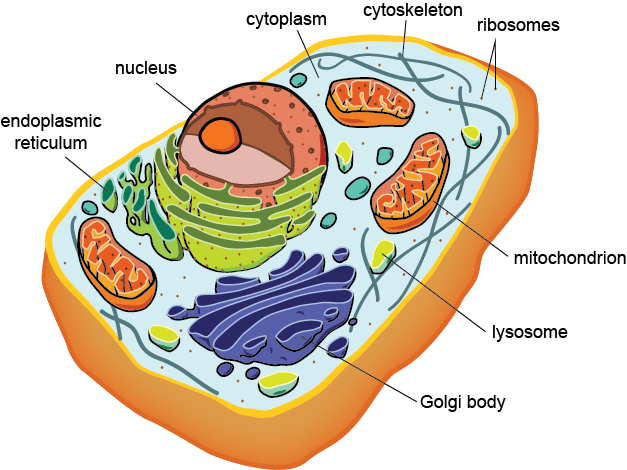
Cellular Respiration occurs within me and I am in BOTH plant and animal cells. I am a....
Nucleus
Golgi Body
Cytoskeleton
Mitochondria

I like to be thought of as the "storage bubble" for both plant and animal cells. I am a...
Cell Membrane
Cytoskeleton
Vacuole
Endoplasmic Reticulum

I am the "brain" of the cell or the "control center" for everything happening within the cell. I am a...
Golgi Body/Apparatus
Nucleus
Ribosome
Lysosome
I am the "waste removal expert" within a cell, removing unwanted material. Like a garbage man, I am a...
Waste Management
Nucleus
Ribosome
Lysosomes

I provide structure from within the cell so it doesn't collapse inwards upon itself. I am made of micro-filaments. I am the...
Cytoskeleton
Cytoplasm
Baconidis
Cell Wall
Plant Cells can perform which reactions? Check ALL that apply.
Photosynthesis
Rock and Roll
Cellular Respiration
Surprised reactions
Animal and Plant Cells are...
Shopkoytes
Eukaryotes
Prokaryotes
The building blocks of non-living things



Robert Hooke
Matthias Schleiden

All living things are made up of
Prokaryotic Cell
Eukarytoic Cells
Either prokaryotic or eukaryotic cells
What is cell theory?
All animals evolved from other animals
The idea that all persons evolved from apes
An album by Drake
All living things are composed of cells
What is the main function of the cell wall?
to protect and provide support for the cell
builds proteins
converts solar energy to chemical energy
takes in carbon dioxide
A prokaryotic cell is... _______ and ________.
multicellular
unicellular
does passive transport
does not have a nucleus
What is a Eukaryotic Cell?
Cell without nucleus structures
Cell with a nucleus filled with DNA
A cell only found in plants
A cell that has lost it's organelles
What controls what comes in and out of the cell?
Cell wall
Cell membrane
Gandalf the grey
Cytoskeleton
What is cytoplasm?
The control center of the cell
A jelly-like substance that holds organelles in place
Nasty jelly
Earth's atmosphere
What is true of vacuoles?
They're larger in plant cells
They're larger in animal cells
They're smaller in plant cells
They're miniature magical vacuum cleaners
Performs special functions within a cell
Minions
ATP
Multicellular
Organelles
What is the function of Mitochondria?
To capture the Sun's energy through Photosynthesis
To allow things to enter and leave the cell
They take instructions from DNA and make proteins
They break down sugars to provide energy for the cell
Which organelles are not found in animal cells?
Cell membrane
chloroplasts
mitochondria
Cell wall
An organism made up of more than one cell and often made of more then one type of cell.
Multicellular
Unicellular
Organelles
Prokaryotic
Who looked at "cork" under a microscope and named the box like structure "cells"?
Mr. Dohrn
Anton Van Leewenhook
Robert Hooke
Albert Einstein
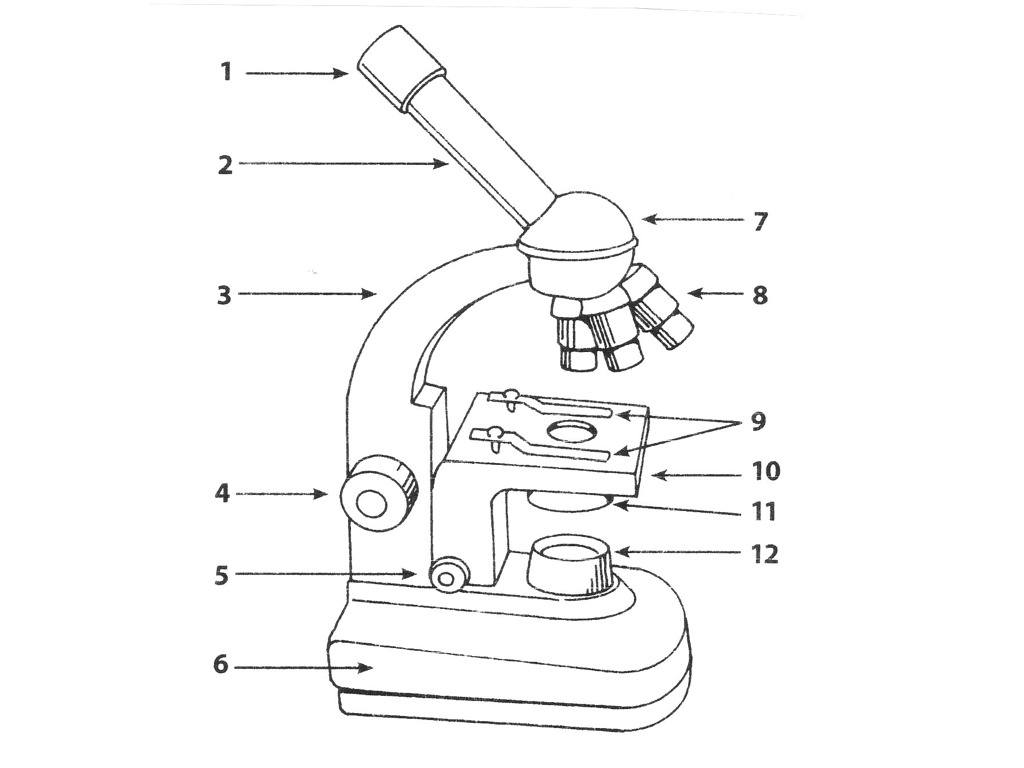
When using a microscope with the high power objective lens, you should never touch the...
fine adjustment knob
coarse adjustment knob
nosepiece
diaphragm


large molecules made up of repeating units linked by covalent
bonds. The repeating units are called monomers and the resulting macromolecule
is called a polymer.
(a)
compounds composed of carbon, hydrogen and
oxygen atoms in approximately 1:2:1 ratio.
(a)
compounds of mostly carbon, hydrogen and oxygen; have fewer
oxygen than carbohydrates; some contain phosphorous.
(a)
polymers of amino acids.
(a)
composed of carbon, hydrogen, oxygen, nitrogen, and
sometimes sulfur.
(a)
Pyrimidine base Cytosine, Thymine
(a)
Localization Primary in nucleus,
mitochondria
(a)
a small organic compound which is made up of three
components:
1. a five-carbon sugar (ribose or deoxyribose)
2. a nitrogen-containing base (either a single-ringed structure
called a pyrimidine or a double-ringed purine)
a. purines – Adenine, Guanine,
b. pyrimidines – Thymine, Cytosine, Uracil
(a)
Protein enzymes guide almost all chemical
reactions that occur inside cells. Since each enzyme assists only one
or a few specific reactions, cells usually contain hundreds of different
enzymes.
(a)
make up about 15% of the protoplasm of the cell.
(a)
gives skin its elasticity.
(a)
the principal protein of hair, horns, and claws.
Silk of spider webs and silkmoth cocoons.
(a)
Proteins that are used for energy and material storage (albumin in
eggs, casein in milk), transport (hemoglobin to carry oxygen in the
blood), and cell movement (contractile proteins in muscle).
(a)
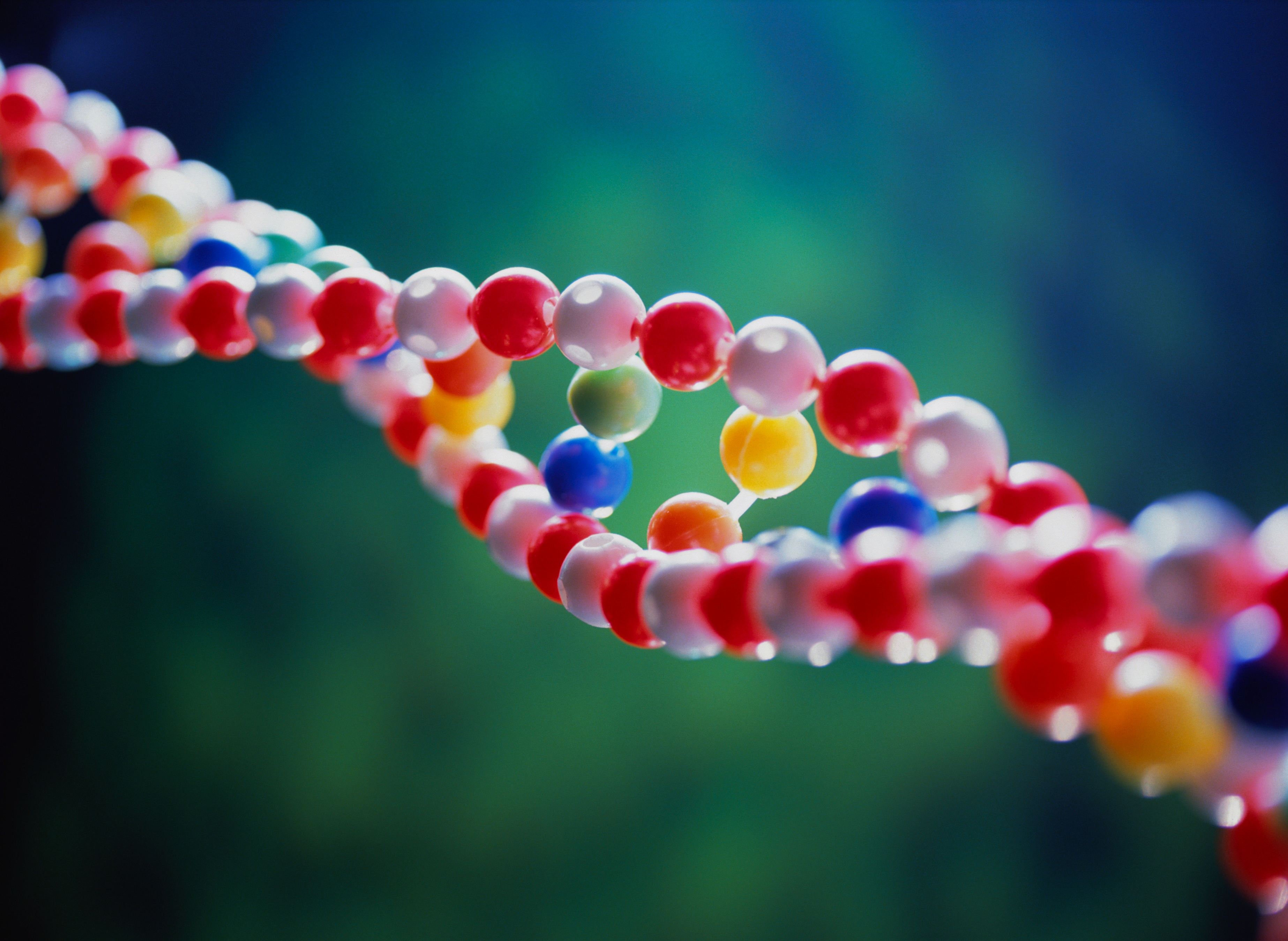
In eukaryotes, which organelle is DNA usually found in?
cell membrane
vacuole
chloroplast
nucleus

