wayground logo

Free Printable Worksheets

NEW

Font size

S
M
L
XL
Worksheets

Axial Skeleton Review

Total questions: 63

Worksheet time: 36mins

Name
Class
Date
1.
Identify bone 7. 
a)

Parietal bone

b)

Sphenoid bone

c)

Temporal bone

d)

Zygomatic bone

2.
a)

Occipital bone

b)

Parietal bone

c)

Temporal bone

d)

Sphenoid bone

3.
a)
Maxilla
b)

Frontal bone

c)
Mandible
d)

Sphenoid bone

4.
a)

Mandible bone

b)

Parietal bone

c)

Temporal bone

d)

Sphenoid bone

5.
a)

Zygomatic bone

b)

Temporal bone

c)

Parietal bone

d)

Lacrimal bone

6.
a)

Zygomatic bone

b)

Frontal bone

c)

Parietal bone

d)

Lacrimal bone

7.
a)

Zygomatic bone

b)

Temporal bone

c)

Parietal bone

d)

Lacrimal bone

8.
a)
Zygomatic
b)
Vomer
c)
Ethmoid
d)
Lacrimal
9.
a)
Zygomatic
b)
Vomer
c)
Ethmoid
d)
Lacrimal
10.
a)
Zygomatic
b)
Vomer
c)
Ethmoid
d)
Lacrimal
11.
a)
Occipital Condyle
b)
Vomer
c)
Occipital
d)
Frontal
12.
a)
Zygomatic process
b)
Styloid process
c)
Parietal
d)
Mastoid process
13.
What suture is shown by arrow B?
a)
Coronal suture
b)
Squamous suture
c)
Lambdoidal suture
d)
Temporo-mandibular joint 
14.
What process is labeled C?
a)
Zygomatic process
b)
Styloid process
c)
Parietal
d)
Mastoid process
15.
What process is labeled D?
a)
Zygomatic process
b)
Styloid process
c)
Parietal
d)
Mastoid process
16.
What feature is this?
a)

External Auditory Meatus

b)
Superior Orbital Fissure
c)
Optic Canal 
d)
Styloid Process
17.
What feature is this?
a)
Optic Canal
b)
Carotid Canal
c)
Foramen Magnum
d)
Jugular Foramen
18.
The hard palate is made of which bones?
a)
maxilla and palatine
b)
maxilla and mandible
c)
palatine and mandible
d)
vomer and palatine
19.

What is the structure in the picture?

a)

foramen magnum

b)

occipital condyles

c)

external auditory meatus

d)

zygomatic process

e)

sella turcica

20.

What part of the ethmoid bone is B?

a)

cribiform plate

b)

crista galli

c)

perpendicular plate

d)

sella turcica

21.

What is the structure in this picture?

a)

infraorbital foramen

b)

palatine process

c)

zygomatic arch

d)

horizontal plate

e)

mental foramen

22.

What type of suture is this?

a)

coronal suture

b)

squamosal suture

c)

lambdoid suture

d)

sagittal suture

23.

What type of suture is this?

a)

coronal suture

b)

squamous suture

c)

lambdoid suture

d)

sagittal suture

24.

What type of suture is this?

a)

coronal suture

b)

squamous suture

c)

lambdoid suture

d)

sagittal suture

25.
a)

Anterior fontanelle

b)

Posterior fontanelle

c)

Mastoid fontanelle

d)

Sphenoid fontanelle

26.

Structure B is:

a)

Ramus

b)

Mandibular condyle

c)

Coronoid process

d)

Alveolar arch

27.

Structure A is:

a)

Ramus

b)

Mandibular condyle

c)

Coronoid process

d)

Alveolar arch

28.

Structure C is:

a)

Ramus

b)

Mandibular condyle

c)

Coronoid process

d)

Mental foramen

29.
How many cervical vertebrae are there?
a)
5
b)
7
c)
12
30.
How many thoracic vertebrae are there?
a)
5
b)
7
c)
12
31.
How many lumbar vertebrae are there?
a)
5
b)
7
c)
12
32.
What bone is this?
a)
axis
b)
atlas
33.
What bone is this?
a)
axis
b)
atlas
34.
What does letter A represent ?
a)
body
b)
pedicles
c)
spinous process
d)
vertebral foramen
35.
What does letter B represent?
a)
body
b)
pedicles
c)
spinous process
d)
vertebral foramen
36.
What does letter C represent?
a)
body
b)
pedicles
c)
spinous process
d)
vertebral foramen
37.
What does the arrow represent on the cervical vertebrae?
a)
dens
b)
transverse foramina
38.
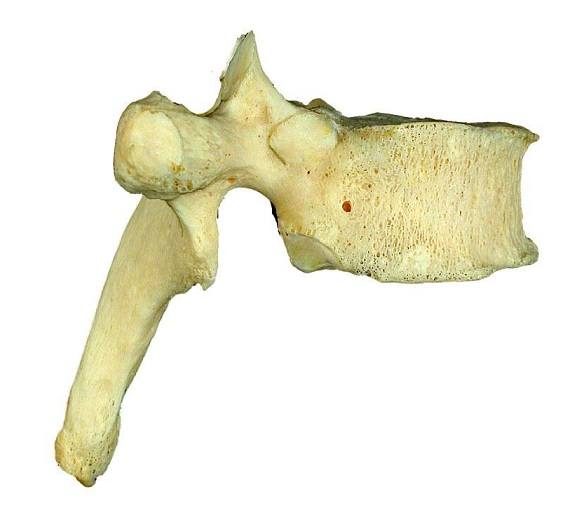
This vertebrae is __________.
a)
thoracic
b)
lumbar
39.

Identify the bones highlighted in the image.

a)

cervical vertebrae

b)

thoracic vertebrae

c)

lumbar vertebrae

d)

sacrum

e)

coccyx

40.

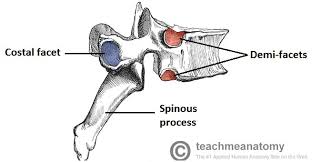
The demi-facet and the costal facet is an articular surface for what?

a)

Fingers

b)

Ribs

c)

Toes

d)

Vertebrae

41.
a)

LAMINA

b)

PEDICLE

c)

TRANSVERSE PROCESS

d)

INFERIOR ARTICULAR PROCESS

42.
a)

BODY

b)

SPINE

c)

LAMINA

d)

PEDICLE

43.
a)

SPINOUS PROCESS

b)

TRANVERSE PROCESS

c)

INFERIOR ARTICULAR PROCESS

d)

SUPERIOR ARTICULAR PROCESS

44.
Which bone does the sternal end of the clavicle attach to?
a)
Body
b)
Manubrium
c)
Xiphoid Process
d)
Vertebral Rib 1
45.
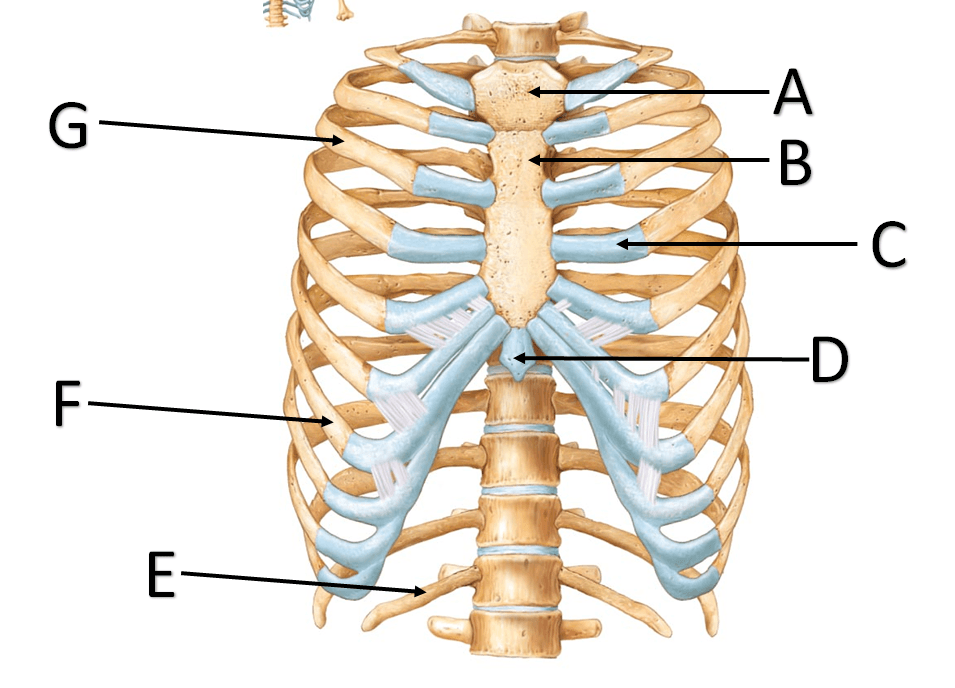
Letter C is pointing to: 
a)
Vertebral Rib
b)
Manubrium
c)
Costal Cartilage
d)
Vertebralchondral Rib
46.

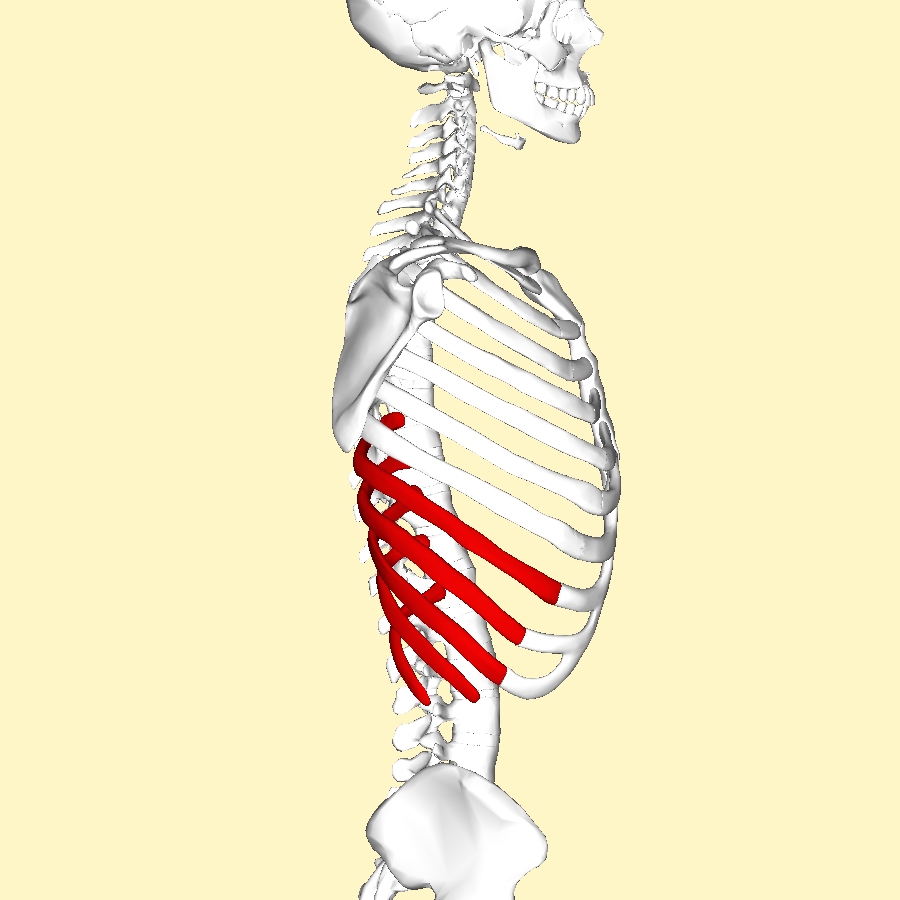
Ribs 8-10 that are connected, via cartilage, to rib pair 7, and are thus indirectly connected to the sternum, are known as

a)

true ribs

b)

false ribs

c)

floating ribs

d)

suprasternal ribs

47.

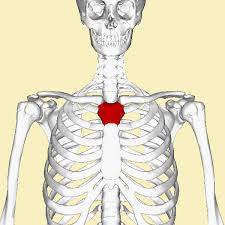
identify the skeletal bone in the picture that is highlighted green and blue; also known as the breastbone

a)

clavilce

b)

Sternum

c)

Rib Cage

d)

verterbrae

48.
Bones of the thoracic cavity that articulate directly to the sternum and vertebrae
a)
true ribs
b)
false ribs
c)
floating ribs
d)
strong ribs
49.

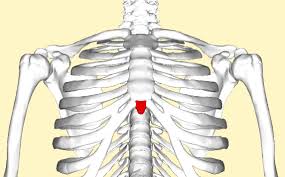
Identify the structure indicated in the image.

a)

manubrium

b)

body of sternum

c)

xiphoid process

d)

rib cage

e)

sternum

50.

Ribs that are not connected to the sternum are called

a)

true ribs

b)

false ribs

c)

floating ribs

d)

suprasternal ribs

51.

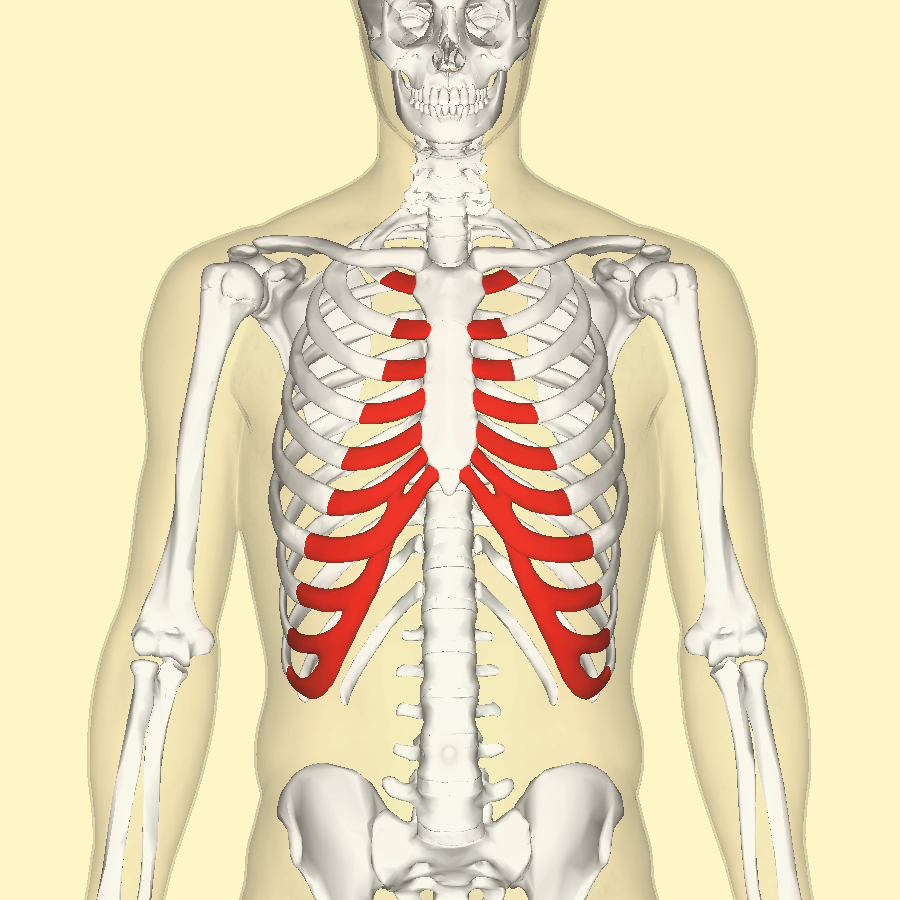
The cartilage that connects ribs to the sternum is known as

a)

fibrocartilage discs

b)

costal cartilage

c)

elastic cartilage

d)

dense regular connective tissue

52.

Identify the structure indicated in the image.

a)

manubrium

b)

body of sternum

c)

xiphoid process

d)

rib cage

53.

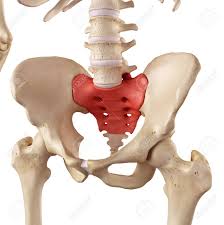
Which section of the vertebral column is highlighted

a)

lumbar

b)

cervical

c)

coccyx

d)

sacrum

54.

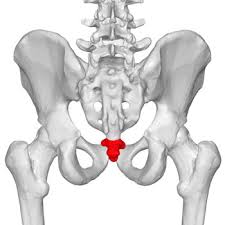
Which section of the vertebral column is highlighted

a)

lumbar

b)

sacrum

c)

coccyx

d)

cervical

55.

Having too much of a anterior curve in your lumbar spine is called

a)

scoliosis

b)

kyphosis

c)

lordosis

d)

osteoporosis

56.

Identify the structure indicated in the image.

a)

manubrium

b)

body of sternum

c)

xiphoid process

d)

rib cage

e)

sternum

57.

The highlighted bone is called the

a)

palatine

b)

vomer

c)

ethmoid

d)

maxilla

58.

Which sinuses are green?

a)

occipital

b)

frontal

c)

temporal

d)

maxillary

59.

Which sinuses are pictured in blue?

a)

frontal

b)

temporal

c)

maxillary

d)

occipital

60.
Manubrium, Body, and Xiphoid Process are all parts of the 
a)
Sternum
b)
Vertebral column
c)
Temporal bone
d)
Pelvis
61.
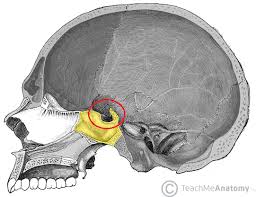
What is this?
a)
Sella Turcica of the Sphenoid Bone
b)
Sella Turcica of the Ethmoid bone
c)
Styloid Process of the frontal bone
d)
Mastoid Process of the sphenoid bone
62.
What is this?
a)
Manubrium
b)
Body
c)
Xiphoid Process
d)
Clavicle
63.
What is this?
a)
Costal Cartilage
b)
True Ribs
c)
False Ribs
d)
Sternum