wayground logo

Free Printable Worksheets

Font size

S
M
L
XL
Worksheets

Energy Forms, Transformations and Resources

Total questions: 87

Worksheet time: 4hrs 56mins

Name
Class
Date
1.

True or false? Energy cannot be created or destroyed

a)

True

b)

False

2.

Which energy resources do not pollute our environment?

a)

Nuclear energy

b)

Hydroelectricity

c)

Wind energy

d)

Fossil fuels

3.

A firefly transforms what kind of energy into a new form of energy?

a)

Chemical to radiant

b)

Chemical to nuclear

c)

Electrical to chemical

d)

Electrical to radiant

4.

How does a windmill change forms of energy?

a)

Mechanical to electrical

b)

Electrical to mechanical

c)

Mechanical to light

d)

It is unable to change forms

5.

If you have a battery in a device, what is the first energy transformation that must happen?

a)

Chemical to light

b)

Chemical to electrical

c)

Electrical to chemical

d)

Electrical to light

6.

True or false? Nuclear waste or radioactive waste is dangerous for people and animals to be around

a)

True

b)

False

7.

True or false? Nuclear energy uses something very small to make a large amount of energy

a)

True

b)

False

8.

True or false? Nuclear fission can be used to create electricity in power plants

a)

True

b)

False

9.

The ability to do work or cause change describes what?

a)

Mechanical

b)

Energy

c)

Transformation

d)

Motion

10.
Why are fossil fuels considered nonrenewable resources if they are still forming beneath the surface today?
a)
They are being formed as a type of methane which we cannot use.
b)
They are being formed too far beneath the surface.
c)
The fossil fuels are being broken down by a natural process.
d)
We are depleting the fossil fuels much faster than they can form.
11.
Coal is a __________ energy resource.
a)
Renewable
b)
Nonrenewable
12.
Solar Power is a __________ energy resource.
a)
Renewable
b)
Nonrenewable
13.
Natural Gas is a __________ energy resource.
a)
Renewable
b)
Nonrenewable
14.
Geothermal Power is a __________ energy resource.
a)
Renewable
b)
Nonrenewable
15.
Non-renewable or Renewable: Water
a)
Renewable
b)
Non-Renewable
16.
Some power plants pump water down deep holes into hot rock. The hot rock heats the water, which turns the water into steam. The steam rushes back to Earth’s surface and is used to make electricity. This plant is generating which alternative energy resource?
a)
biomass
b)
wind
c)
solar energy
d)
geothermal energy
17.
Most forms of renewable energy produce a small amount of pollution from the generators that help to produce electricity. Which form of energy below does not use a turbine and generator for electricity?
a)
Hydroelectric
b)
Wind
c)
Solar
d)
Coal
18.
Sunlight, water, and wind are examples of inexhaustible forms of energy.  What does inexhaustible mean?
a)
We will run out at any minute.
b)
We will never run out.
c)
We will run out in 100 years.
d)
We will run out in 20 years.
19.
What form of alternative energy uses a dam?
a)
hydroelectric power
b)
geothermal power
c)
biomass power
d)
solar power
20.
fuel made from plant or animal waste (organic matter)
a)
hydropower energy
b)
solar energy
c)
green
d)
biomass energy
21.
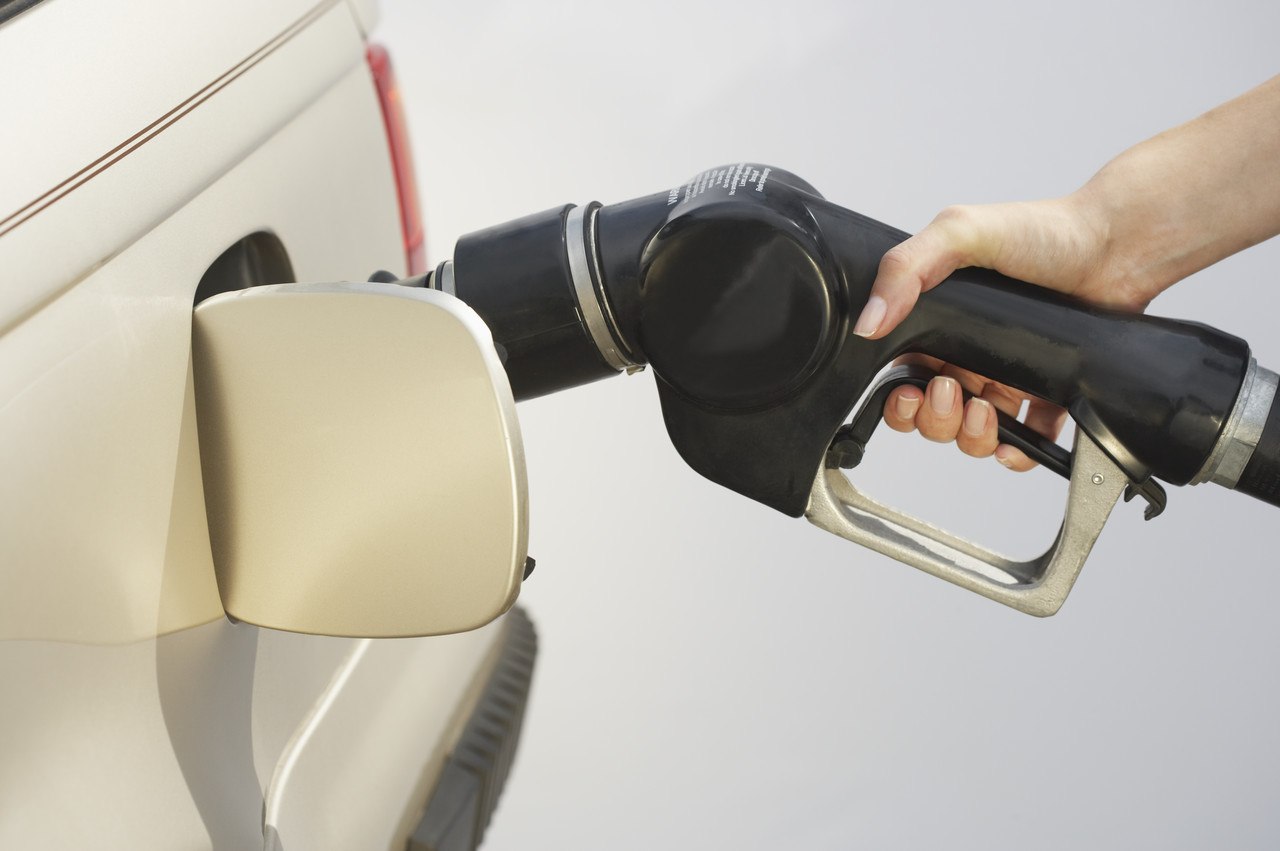
Which energy conversion is taking place when you put gasoline in a car?
a)
thermal -> electrical
b)
mechanical -> electrical
c)
chemical -> mechanical
d)
mechanical -> electromagnetic
22.
Which energy transformation occurs in a toaster?
a)
chemical to electric
b)
electric to thermal
c)
kinetic to chemical
d)
thermal to potential
23.
The diagram below shows a hot air balloon rising. Propane gas tanks are seen at the bottom of the balloon.  What energy transformations occur when propane gas is used to lift the balloon? 
a)
Mechanical to light to chemical
b)
Chemical to mechanical to thermal 
c)
Thermal to chemical to light
d)
Chemical to thermal to mechanical 
24.
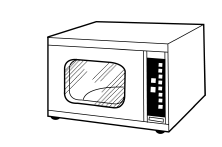
The picture shows a microwave oven. As a microwave oven is operated, electrical energy is transformed into all of the following types of energy EXCEPT —
a)
solar
b)
light
c)
thermal
d)
mechanical
25.
The diagram shows a complete circuit with a battery and a buzzer making noise. This circuit works by transforming -
a)
chemical energy to electrical to sound.
b)
electrical energy to thermal to light.
c)
sound energy to electrical to chemical.
d)
mechanical energy to electrical to sound.
26.

The energy of flowing electrons. Lightning is a natural form.

a)

Light

b)

Electromagnetic

c)

Electrical

27.

Which would be the most environmentally friendly way to supplement electricity?

a)

solar panels on a roof

b)

hydroelectric power from a pond

c)

a nuclear power plant

d)

using a diesel powered generator

28.

What type of energy transformation occurs when using an electric pencil sharpener?

a)

electrical to mechanical

b)

sound to electrical

c)

mechanical to electrical

d)

potential to sound

29.

What type of energy transformation occurs when a hawk eats a mouse and then uses that energy to fly?

a)

chemical to mechanical

b)

mechanical to chemical

c)

thermal to mechanical

d)

mechanical to thermal

30.

What energy transformation occurs when a crock pot is plugged into an outlet and then the control knob is turned "on"?

a)

thermal to electrical

b)

mechanical to thermal

c)

electrical to thermal

d)

electrical to sound

31.

What type of energy transformation happens in hydro-electric power?

a)

kinetic to potential

b)

sound to mechanical

c)

chemical to electrical

d)

mechanical to electrical

32.

Which is an advantage of natural gas?

a)

natural gas can be used to heat homes and power cars

b)

natural gas releases sulfur into the air

c)

natural gas in nonrenewable

d)

natural gas in flammable

33.

Which is a disadvantage of solar power?

a)

solar power is unclean

b)

reduces the need for fossil fuels

c)

can only be collected when the sun is shining

d)

in nonrenewable

34.

What type of energy is electrons flowing through a wire?

a)

Electrical energy

b)

Chemical energy

c)

Kinetic energy

d)

Mechanical energy

35.

What type of energy is stored in batteries or food?

a)

Potential energy

b)

Thermal energy

c)

Chemical energy

d)

Mechanical energy

36.
On a roller coaster, where is maximum kinetic energy?
a)
At the bottom of a big hill
b)
When going around a corner
c)
When going upside down
d)
At the top of a big hill
37.
Gravitational potential energy depends on the ________ and ________ of the object. 
a)
Height and mass
b)
Friction and movement
c)
Mass and Movement
d)
Height and Friction 
38.
The roller coaster cart has the most gravitational potential energy at position-
a)
W
b)
X
c)
Y
d)
Z
39.

A student wound up a propeller in the toy plane shown. After he wound it up, he let it go.

What energy transformation occurred when he released the propeller?

a)

Gravitational potential energy transformed into kinetic energy.

b)

Elastic potential energy transformed into kinetic energy.

c)

Chemical kinetic energy transformed into spinning kinetic energy.

d)

Elastic kinetic transformed into spinning kinetic energy.

40.

Does all of the electrical energy produced by this battery transform into light energy?

a)

Yes; because of the Law of Conservation of Energy.

b)

No; because the mass of the battery changes.

c)

Yes; because light bulbs are light producing devices.

d)

No; because some of it transforms into heat energy.

41.

Which of the following is an example of friction converted into heat energy?

a)

the sun

b)

a snickers bar

c)

a generator

d)

rubbing your hands together

42.

The turkey is Erik's favorite part of Thanksgiving dinner.

What form of energy is turkey that Erik will eat?

a)

electrical

b)

kinetic

c)

chemical

d)

nuclear

43.

As an archer pulls back on the bow string before shooting; an arm, the bow and the string have ___________ potential energy.

a)

Chemical

b)

Elastic

c)

Gravitational

d)

Kinetic

44.

Which statement best defines energy?

a)

Energy is the force applied over a distance.

b)

Energy is the ability to do work.

c)

Energy is the rate at which work is done.

d)

Energy is the motion of objects.

45.

Which activity directly converts energy from the Sun into chemical energy?

a)

a snake lying on a sunny rock to keep warm

b)

a rabbit using energy from food it has eaten to run

c)

a bean plant making its own food to grow

d)

a person burning firewood to cook food

46.

Water being released behind a dam is an example of what energy transformation?

a)

chemical to heat

b)

potential to kinetic

c)

electrical to mechanical

d)

solar to kinetic

47.

A student measured the temperature of a beaker full of water. She then placed the beaker outside in the sun. She measured the temperature change and graphed the results as shown below.

What can you infer about the energy change that occurred?

a)

chemical energy from the sun increased the thermal energy of the water

b)

radiant energy from the sun decreased the thermal energy of the water

c)

thermal energy from the sun decreased the chemical energy in the water bonds

d)

radiant energy from the sun increased the thermal energy of the water

48.

The molecules of a given substance are rapidly expanding at an excited state. What type of energy is present?

a)

Mechanical Energy

b)

Thermal energy

c)

Sound energy

d)

Vibratory energy

49.

Which of these is a true statement about nuclear power?

a)

It's waste can destroy habitats and ecosystems.

b)

It doesn't cost a lot of money to build.

c)

It does not produce radioactive waste.

d)

It produces very little amounts of energy.

50.

What is a disadvantage associated with many renewable or alternative energy sources?

a)

cost

b)

pollution

c)

waste

d)

radiation

51.

Generating hydroelectric power is most practical in an area with a

a)

large river

b)

forest

c)

desert

d)

thermal vent

52.

Which of the following renewable resources would be most affected by cloud cover?

a)

biomass

b)

hydroelectric

c)

solar

d)

wind

53.

Which of the following is NOT an advantage of using Hydroelectric energy?

a)

expensive

b)

renewable

c)

no pollution

d)

electricity is constant

54.
Hydroelectric power produces electricity using.....
a)
Wind
b)
Sunlight
c)
Moving water
d)
Dung
55.
The careful use of a resource is....
a)
recycling
b)
pollution
c)
depositing
d)
conservation
56.

What are the 3 MAIN types of fossil fuels?

a)

Coal - Oil - Nuclear

b)

Coal - Oil - Solar

c)

Oil - Coal - Gas

57.

___________________ stops the transfer of heat.

a)

Insulation

b)

Air conditioners

c)

Heating systems

d)

Windows

58.

What do we call liquid fossil fuel?

a)

petroleum

b)

coal

c)

natural gas

d)

nuclear energy

59.

What changes chemical energy from fossil fuels into electrical energy?

a)

electric generators

b)

nuclear fission

c)

power plants

d)

windmills

60.
__________ is an energy resource that WILL run out in the next several hundred years.
a)
Renewable Energy Resource
b)
Nonrenewable Energy Resource
c)
Fossil Fuels
d)
Forever Fuels
61.
__________ is an energy resource that WILL NOT run out in the next several hundred years.
a)
Renewable Energy Resource
b)
Nonrenewable Energy Resource
c)
Fossil Fuel
d)
Forever Fuel
62.
Why is burning fossil fuels harmful? 
a)
then we won't have any fossil fuels if we burn them all
b)
They can get extremely hot
c)
Increases the amount of greenhouse gases in the air
d)
this would destroy fossils
63.

What does "clean" mean for energy sources?

a)

not dirty

b)

does not create pollution

c)

creates pollution

d)

smells good

64.
A disadvantage of solar energy is
a)
that the clouds can block the sunlight
b)
it is not available at night
c)
that the clouds can block the sunlight and it is not available at night
d)
the sun is too hot to be absorbed in solar panels
65.
Some students observing a classroom device being used, noticed the below energy transformations. 
Electrical → Mechanical → Sound
Which device were the students most likely observing?
a)
A triple beam balance measuring an object’s mass.
b)
A pencil sharpener plugged into a wall outlet.
c)
A projector displaying a diagram on the screen.
d)
A working flashlight used to light up a dark corner.
66.
Which of these is an example of light energy being transformed into chemical energy?
a)
A glow stick lights up when broken.
b)
Water heated by the sun evaporates.
c)
A plant makes sugar in the sunlight.
d)
A battery causes a buzzer to vibrate.
67.
When water falls through a dam and turns a turbine connected to a generator, electricity is produced. This electricity is often used to light our homes and offices. Which of the following shows the energy transformations that occurs?
a)
electrical → light → mechanical
b)
chemical → mechanical → electrical
c)
mechanical → chemical → light
d)
mechanical → electrical → light
68.
Which of the following shows the correct order of the energy transformations that occur when green plants produce their food from the Sun’s energy?
a)
chemical → thermal
b)
light → chemical
c)
thermal → light
d)
chemical → electrical
69.
The Theory of the Conservation of Energy states -
a)
Energy can be created, just not destroyed. It changes its form from one type to another.
b)
Energy can never be created nor destroyed. It can only change its form from one type to another.
c)
The total energy in our Universe changes, as different forms of energies can be transformed from each other under certain circumstances.
d)
Energy transformations do not passively occur in our lives, rather we actively make use of energies and transform energies.
70.

What energy transformation occurs as bioluminescent algae glow in the ocean?

a)

Radiant --> Chemical

b)

Thermal --> Radiant

c)

Chemical --> Radiant

d)

Thermal --> Chemical

71.

What do sound energy, radiant energy, and thermal energy all have in common?

a)

They're all forms of kinetic energy

b)

They're all made of similar atoms and molecules

c)

They're all made by plants during photosynthesis

d)

All of these choices

72.

Stored in objects by force (stretched rubber band or balloon)

a)

Elastic Energy

b)

Sound Energy

c)

Radiant Energy

d)

Mechanical Energy

73.

The energy stored in the nucleus of an atom.

a)

Chemical Energy

b)

Radiant Energy

c)

Electrical Energy

d)

Nuclear Energy

74.

Energy form characterized by the movement of energy in waves through empty space

a)

electromagnetic

b)

electrical

c)

chemical

d)

nuclear

75.

Which energy transformation below matches...

Water moving over a dam to move a generator?

a)

potential to kinetic to chemical

b)

potential to kinetic to electrical

c)

solar to kinetic to electrical

76.

Energy stored in fuel is _________ energy.

a)

thermal

b)

nuclear

c)

chemical

d)

kinetic

77.

In a barbecue, chemical energy in coal is transformed into

a)

electrical energy

b)

potential energy

c)

nuclear energy

d)

thermal energy

78.

What type of energy does the "slinky" spring represent when fully stretched?

a)

kinetic energy

b)

solar energy

c)

elastic potential energy

d)

gravitational potential energy

79.
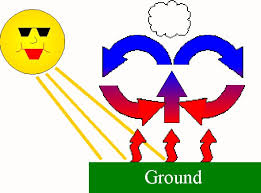
Warm air rises and the cool air sinks demonstrates this type of heat transfer. 
a)
conduction
b)
convection
c)
radiation
d)
Insolation 
80.
A cup of tea with a temperature of 80 degrees Celsius is placed on a table in a 20 degree Celsius room.  What happens to the thermal energy and the molecular motion of the tea when it is left on the table?
a)
The thermal energy increases and the molecules move faster.
b)
The thermal energy decreases and molecules move more slowly.
c)
The thermal energy increases and the molecules move more slowly.
81.
Conduction can only occur between two objects when –
a)
one object is less dense than the other.
b)
both objects are in physical contact with each other.
c)
one of the objects is made of a metal.
d)
both objects are exactly the same temperature.
82.
Radiation is a method of thermal energy transfer that moves -
a)
through empty space.
b)
when objects touch.
c)
only through solids.
d)
in the motion of fluids.
83.
Which of the following is an example of conduction?
a)
Solar energy warming a room.
b)
Heat rising from the coils of a stove.
c)
Hot air drying a wet towel.
d)
Heat moving from a clothes iron to a shirt.
84.
Conduction is heat transfer by -
a)
Touch
b)
Circles
c)
Waves
85.
The sun warming your skin is an example of heat transfer through 
a)
conduction
b)
convection
c)
radiation
d)
thermal electricity
86.

What type of heat transfer takes place in liquids and gasses?

a)

Conduction

b)

Convection

c)

Radiation

d)

Thermal Equilibrium

87.
What type of material makes the best insulators?
a)
Aluminum
b)
Copper
c)
Styrofoam
d)
Metal