
 Worksheets
Test 3
Total questions: 135
Worksheet time: 1hrs 26mins
In humans, sex cells are __________ while the rest of the body's cells are ____________.
haploid, diploid
diploid, haploid
somatic, gametes
gametes, diploid
In humans, sex cells are __________ while the rest of the body's cells are ____________.
haploid, diploid
diploid, somatic
gametes, somatic
gametes, diploid

In this diagram, A and B are
chromatin
sister chromatids
centromeres
gametes

Which process is this diagram showing?
Mitosis
Meiosis
Karyotype

Which process is this diagram showing?
Mitosis
Meiosis
Karyotype
This method of reproduction occurs when a cell divides into two identical daughter cells.
Meiosis
Mitosis
Karyotype
GPhase
This method of reproduction occurs when a single cell reduces the number of chromosomes by half to create four gamete cells.
Meiosis
Mitosis
Karyotype
GPhase
Sex cells reproduce by
Meiosis
Mitosis
Cells with two copies of each chromosome, like mom and dad, are
diploid
haploid
somatic
gametes
Cells with a single set of unpaired chromosomes are
haploid
diploid
somatic
gametes
In chromatin, I will find the following
proteins
RNA
DNA
histones
A collection of all the chromosomes in an cell is called
(a)
Which of the following is not a part of mitosis?
prophase
metaphase
anaphase
telophase
gphase
The longest stage for the cell is
interphase
anaphase
telophase
metaphase
Which of these events occur during the inerphase?
the cell grows in size and replicates organelles
cell prepares for division
everyday jobs like protein synthesis
mitosis
___ is the growth period for the cell. This is when protein synthesis is very active.
G1
S
G2
___ is when DNA replication takes place in the cell.
G1
S
G2
___ is the period that the rest of the cell prepares for cell division.
G1
S
G2
______ is the process of nuclear division. ________ is the division of the cytoplasm.
mitosis, cytokinesis
cytokinesis, mitosis
mitosis, meiosis
meiosis, mitosis

In this diagram, metaphase is number
1
2
3
4
5
In this diagram, anaphase is number
1
2
3
4
5
In this diagram, prophase is number
1
2
3
4
5
In this diagram, telophase is number
1
2
3
4
5
What happens to a cell when it fails the checkpoint and can't be fixed?
(a)
The phase at which cells are not dividing is known as
G0
G1
G3
Give an example fo apoptosis
Programmed cell death is called
(a)
What can cause a failed checkpoint/disruptions in the cell cycle? (Three answers)
During incomplete dominance
one allele is not completely dominant over another allele
both alleles are dominant so neither is hidden by the other
a "blending" phenotype is present
both phenotypes will be expressed
During codominance
one allele is not completely dominant over another allele
both alleles are dominant so neither is hidden by the other
a "blending" phenotype is present
both phenotypes will be expressed
An example of incomplete dominance
a parent with straight hair and a parent with curly hair produce a child with wavy hair
a white dog and a black dog produce a gray puppy
a parent with A blood type and a parent with B blook type produce a child with AB blood
a black cow and a white cow produce a spotted calf
An example of codominance
a parent with straight hair and a parent with curly hair produce a child with wavy hair
a white dog and a black dog produce a gray puppy
a parent with A blood type and a parent with B blook type produce a child with AB blood
a black cow and a white cow produce a spotted calf
When a single gene like colored seed coats in plant contributes to multiple phenotypic traits like flower color and axil color
pleiotropy
epistasis
recombination
mutation
When the product of one gene affects the production of another gene, like red-headedness.
pleiotropy
epistasis
recombination
mutation

This is showing
pleiotropy
epistasis

This is showing
pleiotropy
epistasis
Traits controlled by more than one gene are called ____________
polygenic traits
pleiotropy
epistasis
codominant
Which are examples of polygenic traits?
height
eye color
freckles
curly hair
___________ are genes that are likely to be inherited together.
linked genes
unlinked genes
codominance
Examples of linked genes
hair color and eye color
red hair and freckles
height and intelligence
Genes that are located on a sex chromosome and linked with that sex are called (a) .
Sex-linked inheritance is most likely to occur in
males
females
Which of the following are sex-linked inheritance?
hemophilia
red-green color blindness
muscular dystrophy
webbed toes
Locus is
specific location on a chromosome
a different form of the same gene
an allele that will hide another type of allele
the allele that is hidden by a dominant one
Allele is
specific location on a chromosome
a different form of the same gene
an allele that will hide another type of allele
the allele that is hidden by a dominant one
Dominant in
specific location on a chromosome
a different form of the same gene
an allele that will hide another type of allele
the allele that is hidden by a dominant one
Recessive is
specific location on a chromosome
a different form of the same gene
an allele that will hide another type of allele
the allele that is hidden by a dominant one
Homozygous alleles are
identical
different
have homozygous alleles for a certain trait
have heterozygous alleles for a certain trait
Heterozygous alleles are
identical
different
have homozygous alleles for a certain trait
have heterozygous alleles for a certain trait
True-breed organisms are
identical
different
have homozygous alleles for a certain trait
have heterozygous alleles for a certain trait
In homogeneous chromosomes, the (a) are identical.
Phenotype
the observable trait is written as a descriptive word
the alleles that make up a gene
Geneotype
the observable trait is written as a descriptive word
the alleles that make up a gene
The abbreviation P means
(a)
The abbreviation F1 means
(a)
The abbreviation F2 means
(a)
Who is called the "Father of Genetics"?
(a)
Which of the following is Mendel known for
experimenting with pea plants
his use of a quantitative approach
the Punnett square
discovery of polygenic traits

This is an example of
monohybrid cross
dihybrid cross
In monohybrid crosses, the P generation organisms are ____________ for the given trait, like shape or color.
homozygous
heterozygous

This is called a (a)
Explain the Law of Segregation

This image shows
monohybrid cross
dihybrid cross
The phenotypic ration in a monohybrid cross is
3:1
1:2:1
The genotypic ratio in a monohybrid cross is
3:1
1:2:1
What statements are true about the Theory of Independent Assortment
the separation of one gene pair is independent fo the other gene pair
gametes can have any combination of the different alleles for different genes
gene pairs are separated from each other during meiosis

The alleles of a gene pair in a heterozygote are both expressed with no blending.
codominance
incomplete dominance
polygenic
multiple alleles
A trait associated with a gene that is carried on the X or Y chromosome.
sex linked
polygenic
multiple alleles
codomiance
Which statement is true about X-linked genes?
The male needs two copies of the gene but will express the trait regardless of whether the alleles are dominant or recessive.
The male needs two copies of the gene but will express the trait only if both alleles are dominant.
The male needs only one copy of the gene and will express the trait regardless of whether the allele is dominant or recessive.
The male needs only one copy of the gene but will express the trait only if the allele is dominant.

Neither allele is dominant. Heterozygote has a blended phenotype.
incomplete dominance
codominance
multiple alleles
sex linked
Trait determined by more than one gene, sometimes hundreds of genes.
polygenic
multiple alleles
codominant
sex linked

Three or more alternative forms of a gene that can occupy the same locus.
multiple alleles
codominant
polygenic
incomplete dominance


Based on the data on human height, it is reasonable to conclude that height is an example of a(n) ________ trait.
polygenic
codominant
x-linked
multallelic

Choose all that apply.
Eye color is a trait coded by there separate genes and three different alleles (brown, green, blue). What type of inheritance pattern is eye color?
X- Linked
Multiple alleles
Polygenic
Incomplete dominance

Check all that apply.
Human ABO blood type is a _________ trait.
multiallelic
polygenic
codominant
X-linked
Do a Punnett Square.
A heterozygous type A parent reproduces with a heterozygous type B parent. Which correctly describes the probability of blood type in their offspring?
25% Type A, 25% Type B
25% Type AB, 25% Type O
50% Type A
50% Type B
25% Type A, 25% Type B
50% Type AB
50% Type AB
50% Type O
Do a Punnett Square.
Two parents with type AB blood reproduce. What is true of this genetic cross?
50% type O : 50% type AB
50% type B : 50% type A : 25% type O
25% type AB : 50% type B : 25% type A
50% type AB : 25% type A : 25% type B

Do a Punnett Square.
A roan cow shows codominance in fur color (red and white). What is the phenotype ratio expected if a roan cow and a white cow reproduce?
1 Red : 1 Roan
1 White : 1 Roan
1 Red : 1 White
1: Red : 2 Red and White : 1 White

Do a Punnett Square.
In a certain breed of chicken, feather color follows an incomplete dominance pattern. A heterozygous chicken is known as an Andalusian blue.
When a blue rooster mates with a black hen, what is the predicted probability for their offspring?
100% Blue
50% Blue, 25% White, 25% Black
50% Black, 50% Blue
50% White, 50% Black

Do a Punnett Square.
In a cross between a white-eyed female fruit fly and a red-eyed male, what percent of the male offspring will have white eyes? (White eyes are X-linked and are recessive.)
0%
50%
100%
Impossible to tell
Do a Punnett Square.
Hemophilia is an X-linked recessive trait. If a female carrier for hemophilia marries a normal male. If they produce a son, what are the chances he will have hemophilia?
100%
50%
0%
Impossible to tell

Labrador retriever's fur color is an example of epistasis. In this case the E gene controls the expression of the B gene. It a puppy was born with the genotype eeBB its fur color would be ________ and if it was born with the genotype EEbb it would be __________
yellow, yellow
yellow, black
chocolate, black
yellow, chocolate
Epistasis is the interaction between_____________ genes.
2
4
3
16
Which best describes epistasis?
An allele that changes the genotype of another allele
A gene that changes the genotype of another gene
An allele that controls or masks the expression of another allele
A gene that controls or masks the expression of another gene
masking is the same as dominance
false
true
The probability that one of two or more mutually exclusive events will occur is the sum of their separate probabilities
addition rule
product rule
The probability that two or more independent events will occur together is the product of their separate probabilities
product rule
addition rule
If a haemophilic woman marries a normal man
all their children will be normal
all their sons will be haemophilic
all their daughters will be haemophilic
50% sons and 50% daughters will be haemophilic
A woman with normal vision has a colourblind father. she marries a colourblind man. What proportion of their children will be colourblind?
25%
0%
50%
100%
Ocassionally a single gene may express more than one effect. This phenomenon is called
multiple allelism
mosaicism
pleiotropy
polygeny
In fruit flies, eye color is a sex linked trait. Red (R) is dominant to white (r). What is the sex and eye color of flies with the following genotype: X R X r ?
male with white eyes
female with red eyes
male with red eyes
female with white eyes

Which genotype represents a male with hemophilia?


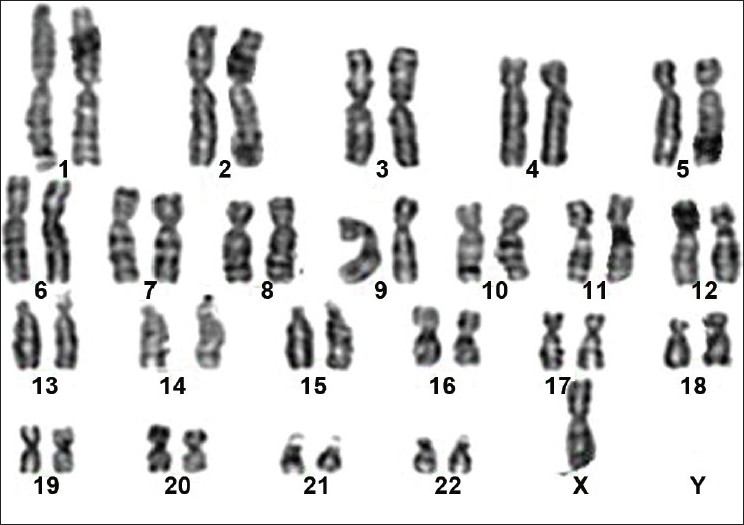
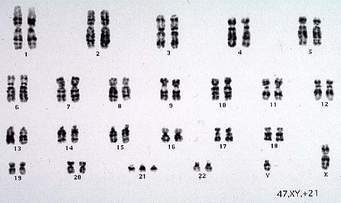
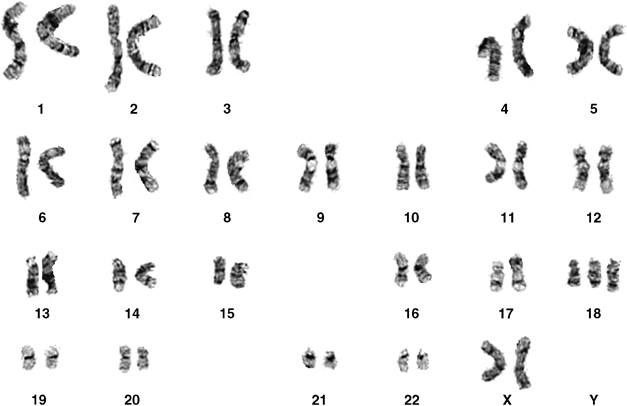
What would you call the failure of one or more pairs of homologous chromosomes or sister chromatids to separate normally during meiosis?
nondisjunction
anaphase I
nondiploidy
karyotype


A fish has a Gy genotype, what will its phenotype be?

Mendel's Law of Segregation means?
Every person has two alleles for each trait, they segregate from each other and the dominant is passed more often.
Every person has two alleles for each trait, Where two traits are being passed, they do not effect each other.
Every person has two alleles for each trait, they segregate from each other and are passed down at random.
Every person has two alleles for each trait, they segregate from each other and the recessive is passed more often.
What is Mendel's Law of Independent Assortment?
If the recessive allele is passed for one trait, then it is more likely that the recessive allele will be passed for the other trait.
The passing of allele of one trait does not affect the passing of allele of another trait.
If the dominant allele is passed for one trait, then it is more likely that the dominant allele will be passed for the other trait.
If the dominant allele is passed for one trait, then it is more likely that the recessive allele will be passed for the other trait.
During interphase the cell ___________.
divides into two cells
divides its nucleus
replicates its DNA
replicates the organelles within the cell


What are the three stages of interphase?
Prophase, metaphase, telophase
G1, S, and G2
G2, S, and G3
Prophase, G1, and S

What two characteristics tell you the image is in interphase?
The cell still has a nuclear membrane and the DNA is relaxed in the form known as chromatin
The cell's nuclear membrane is disappearing and the DNA is condensed in the form known as chromosomes

Is cell 4 in interphase?
Yes, because the nuclear membrane is intact, and the DNA is not in an X structure.
No, because the chromosomes are lined up in the middle and the there is no nuclear membrane.
No, because the nuclear membrane is disappearing and the DNA has condensed into chromosomes.
Is cell 1 in interphase?
Yes, because the nuclear membrane is intact, and the DNA is not in an X structure.
No, because the chromosomes are lined up in the middle and the there is no nuclear membrane.
No, because the nuclear membrane is disappearing and the DNA has condensed into chromosomes.

What phases of the cell cycle are involved with interphase?
G1
G2
Synthesis
mitosis
cytokinesis
Which is a true statement about autosomes and sex chromosomes?
Autosomes are used to determine somatic traits while sex chromosomes determine sex and sex-related traits.
One is eukaryotic and one is prokaryotic.
There are 22 of each.
Males and females contain the same sex chromosomes.

